



Vintage Vanity Mirror Compact
These vintage vanity mirror compact pieces offer pocket-sized glamour and intricate metalwork that collectors prize for daily use and display.
Vintage Vanity Mirror Compact
When you search for vintage vanity mirror compact items, you are looking at small personal accessories designed for touch-ups and powder application. The selection ranges from pocket items to travel cases.
You are most likely to meet Art Deco examples from the 1920s and 1930s on this page. These frequently combine metal bodies with enamel decoration or incorporate built-in mirrors.
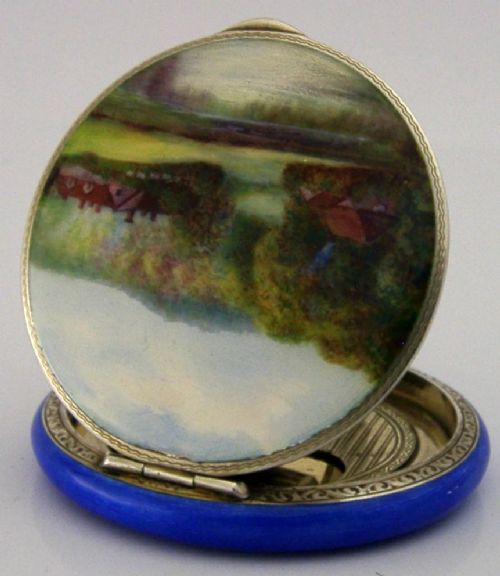
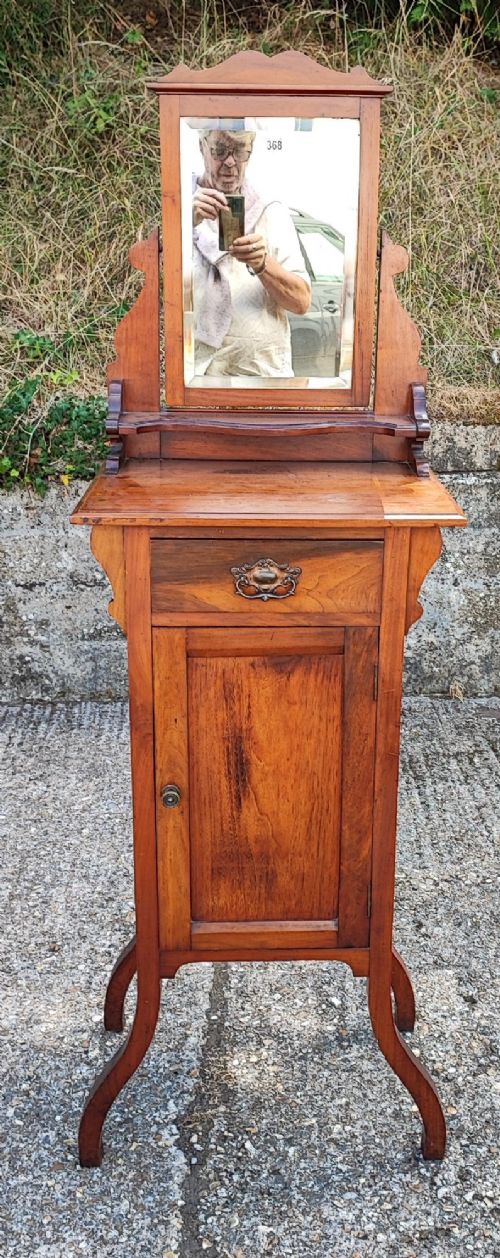
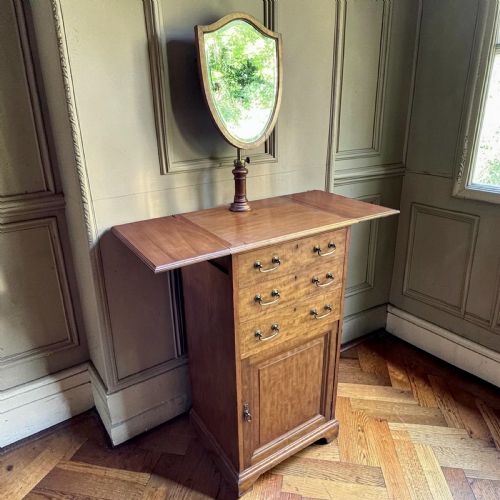
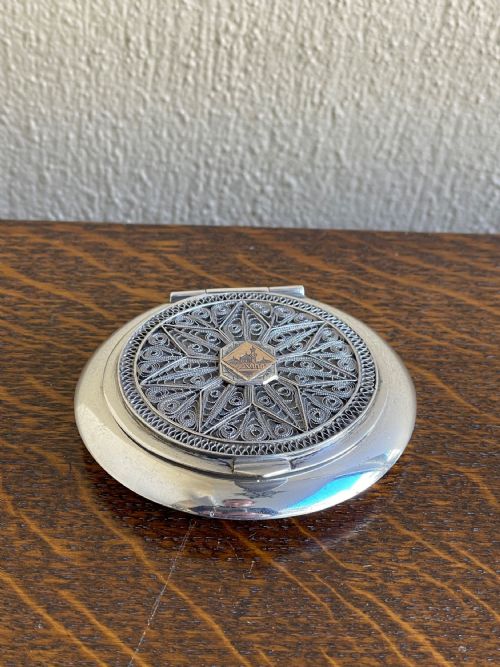
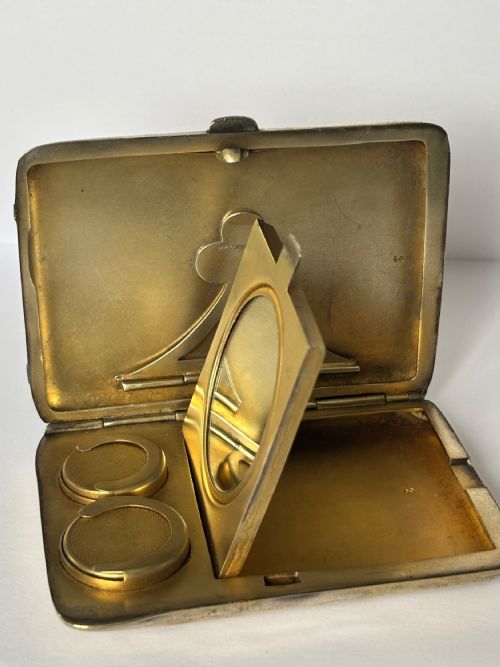
The objects extend from small silver-gilt combination cases to hand-painted sterling silver pieces and Chinese export silver items. Larger dressing table mirrors also appear among the selections.
How they were made
Metalworking techniques form the structural basis of these pieces, utilising brass, sterling silver, silver-gilt, and chrome. Silversmiths employed casting, engine turning, and filigree work to decorate the exterior surfaces.
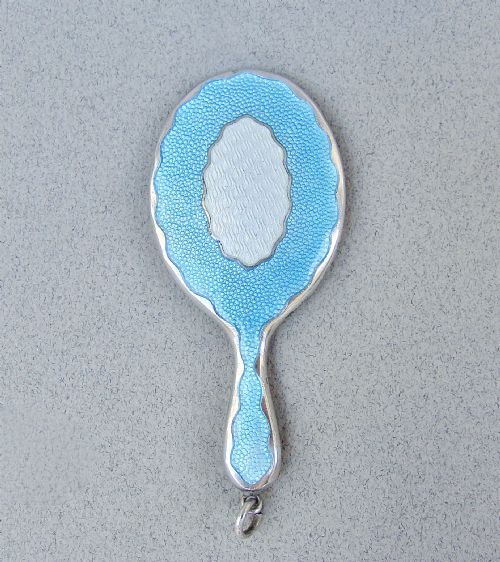
Enamel application, specifically guilloche enamel, adds coloured decoration beneath translucent patterns. Artisans also integrated fitted mirrors, glass panels, and specialised suede linings into the interior compartments.
What varies in quality
The standard of execution in the metalwork and enamel separates superior items from ordinary production. Fine examples exhibit crisp engine-turning and undamaged enamel without chips or hairline fractures.
Maker attribution and material choice elevate specific pieces, particularly those bearing hallmarks from known silversmiths or incorporating precious gemstones such as rubies and diamonds alongside gold settings.
Henry Williamson·Henry Matthews·Giuliano Spinelli·Richard Hudnut·Houbigant
The Vintage Vanity Mirror Compact Glossary
- Guilloche enamel
- A decorative technique where a precise geometric pattern is mechanically engraved beneath a translucent enamel layer. This creates a shimmering depth of colour on metal surfaces.
- Engine turned
- A surface decoration applied by a lathe that cuts intricate, repetitive geometric lines into metal. It provides a tactile finish that catches the light.
- Silver-gilt
- Silver that has been coated with a thin layer of gold on its surface. This technique offers the rich appearance of solid gold while utilising silver underneath.
- Filigree
- Delicate openwork ornamentation formed from fine twisted metal threads soldered together. It is frequently seen on Persian and international silver compact lids.
- Combination case
- A multi-purpose accessory designed to hold powder, mirror, lipstick, or cards simultaneously. These items reflect the multifunctional designs popular in the early twentieth century.
Vintage Vanity Mirror Compact: Frequently Asked Questions
How do I date an Art Deco compact?
Examine the metal hallmarks, maker stamps, and stylistic cues present on the body. Pieces from the 1920s and 1930s often rely on geometric symmetry, chrome, and blue enamel.
Assay office marks and registration numbers stamped inside the case provide precise years of production. Comparing the latch mechanism and interior mirror style also helps narrow down the decade.
Are these compacts still usable today?
Many of these pieces remain fully functional for holding loose powder or serving as a small mirror. The hinges and clasps are engineered for daily pocket use.
Care should be taken with vintage enamel and delicate suede linings during cleaning. Avoid liquid cleaners that might seep behind the mirror glass or damage the interior materials.
What is the difference between sterling silver and silver gilt?
Sterling silver consists of solid silver alloyed with other metals to ensure structural durability. It develops a natural patina over time through handling.
Silver-gilt is sterling silver that has received an application of gold plating over the exterior. This imparts a warm golden tone while retaining the underlying silver structure.
How should I clean my vintage mirror compact?
Use a soft, dry microfibre cloth to gently remove dust from the metal exterior and glass mirror. Avoid abrasive polishes that can scratch enamel or remove delicate plating.
If the piece contains an enamel lid, keep moisture away from the edges where water might seep underneath. Professional silver cloth is suitable for unpainted metal sections only.