


Vintage Vanity Glass
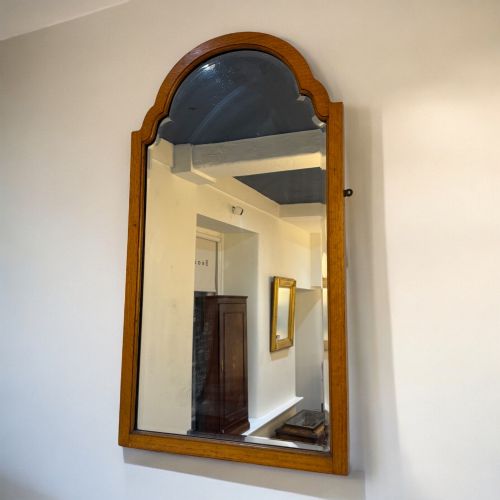
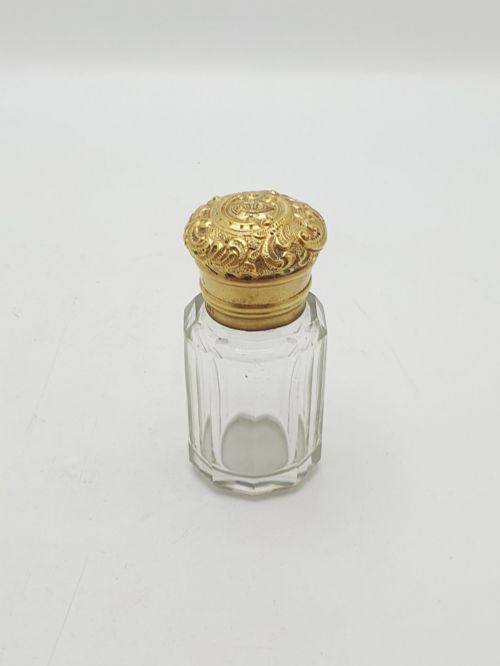
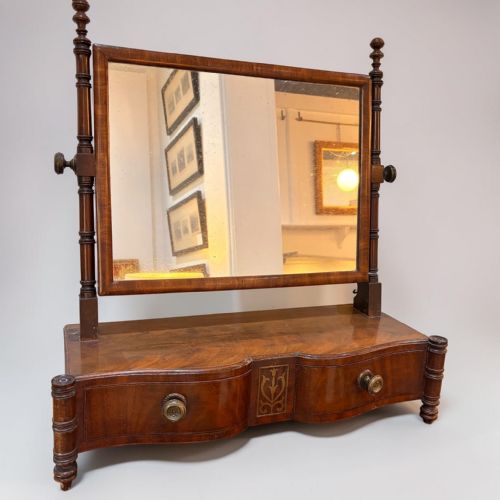
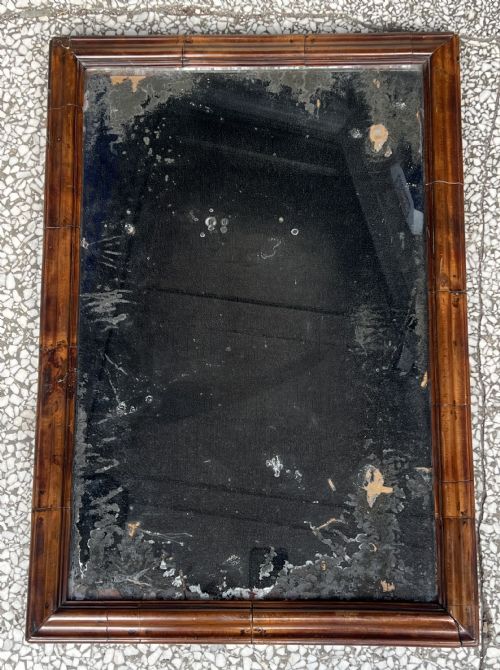
These vintage vanity glass pieces include dressing table mirrors, perfume bottles, and trinket boxes from periods ranging through the Georgian, Victorian, and Art Deco eras.
Vintage Vanity Glass
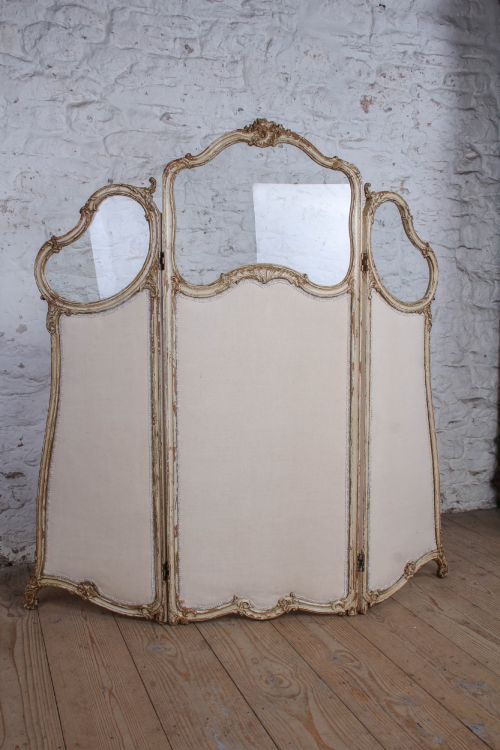
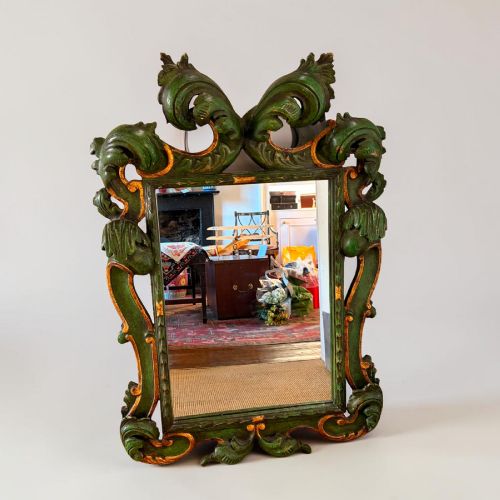
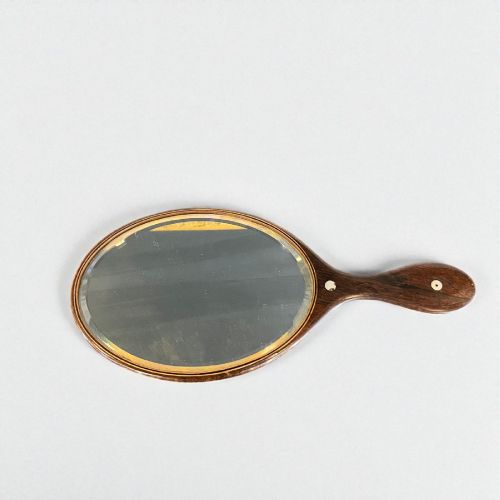
When searching for vintage vanity glass, a buyer encounters dressing table mirrors, scent bottles, and trinket boxes spanning several centuries. The selection encompasses portable hand mirrors alongside substantial wall mirrors and mirrored furniture.
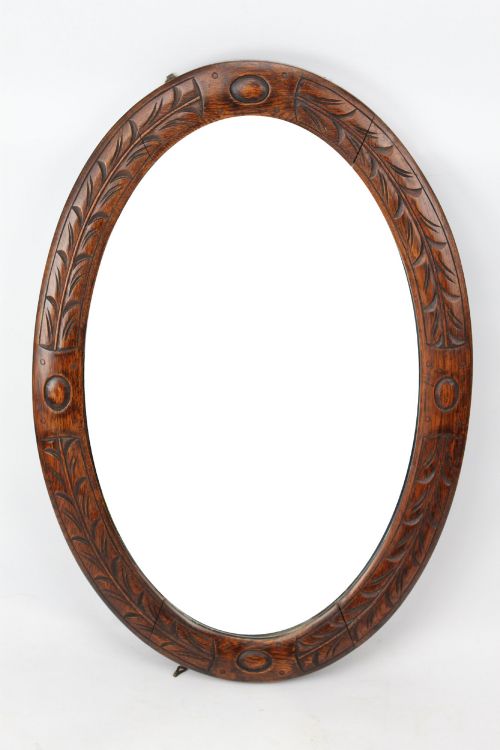
The objects originate from diverse workshops across Britain, France, Italy, and Bohemia. Common forms include cut glass perfume bottles mounted in sterling silver and pivoting dressing table mirrors framed in walnut or mahogany.
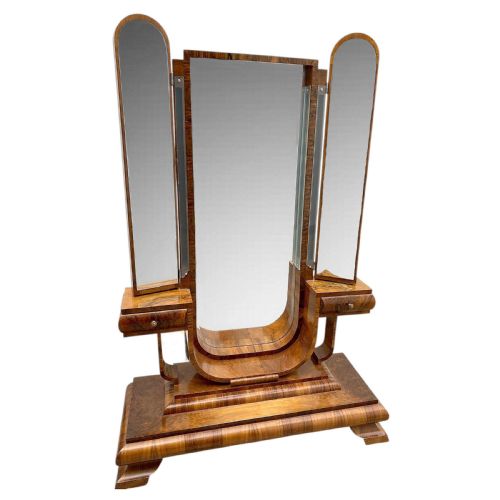
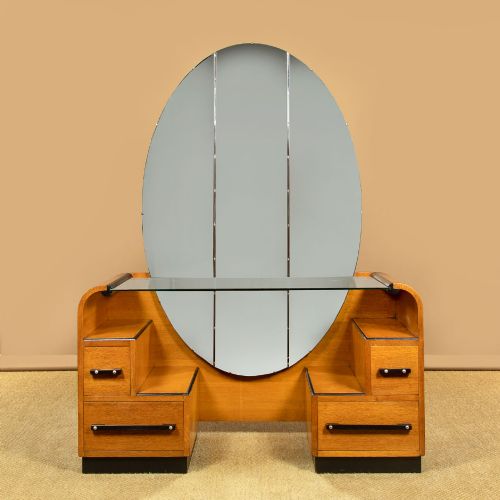
Pieces from the early twentieth century dominate the selection, bringing Art Deco geometric cuts and Edwardian satin glass into everyday use. Earlier examples from the eighteenth and nineteenth centuries appear in traditional timbers alongside gilt finishes.
How they were made
Glass is combined with structural timbers such as mahogany, walnut, rosewood, and oak to form the frames and dressing table structures. Metals including brass, sterling silver, and silver gilt provide mounts, hinges, and decorative overlays.
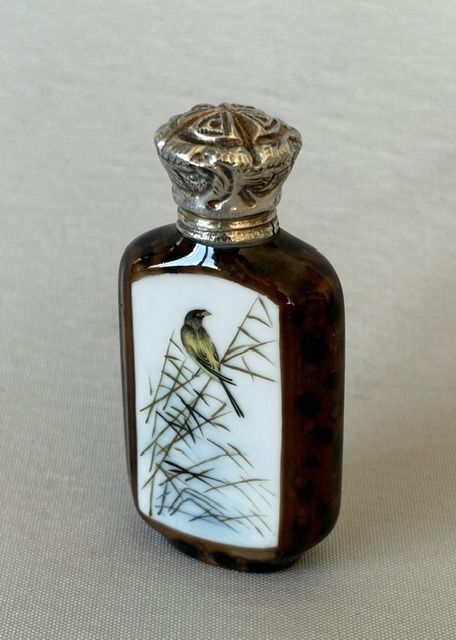
Scent bottles and powder boxes utilise cut glass, moulded crystal, and coloured glass paired with guilloché enamel or tortoise shell lids. Artisans employed hand-carved detailing, silver mounting, and enamel painting to finish these functional dressing table items.
Vintage Vanity Glass Retail Price Guide 2026
Typical asking prices for vintage vanity glass among the pieces listed under this phrase on Sellingantiques today, from the lower quarter to the upper quarter. They describe what is for sale here now, not the wider market.
Materials paired with the glass include sterling silver, brass, enamel, mahogany, walnut, rosewood, oak, and mother of pearl.
What varies in quality
The refinement of the glass cutting and the weight of the silver mounts distinguish standard items from exceptional examples. Crisp bevels on mirror plates and precise geometric patterns on crystal bottles indicate superior craftsmanship.
The integrity of the timber framing and the preservation of original enamel or gilt surfaces determine the overall standard. Pieces retaining their matching components and original silver hallmarks demonstrate higher integrity.
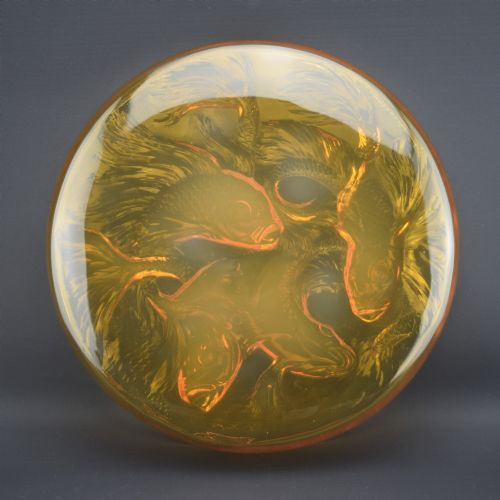
A. J. Pepper & Co·Henry Clifford Davis·A. Bromet & Co·Heal & Sons·Gorham·Rene Lalique
The Vintage Vanity Glass Glossary
- Guilloché enamel
- Enamel decorated with intricate engine-turned geometric patterns beneath a translucent coloured layer. This technique is frequently found on the lids of silver-mounted dressing table jars from the Art Deco period.
- Cut glass
- Glass shaped by grinding and polishing wheels to create faceted geometric patterns that reflect light. It provides weight and brilliance to perfume bottles and vanity jars.
- Sterling silver
- An alloy consisting of ninety-two point five percent silver by mass, used for bottle mounts, hand mirror frames, and trinket box lids. Hallmarks stamped into the metal indicate the assay office and year of manufacture.
- Toilet mirror
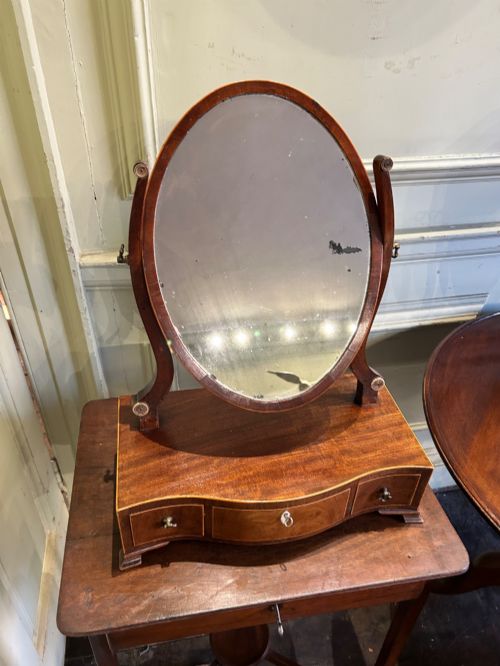
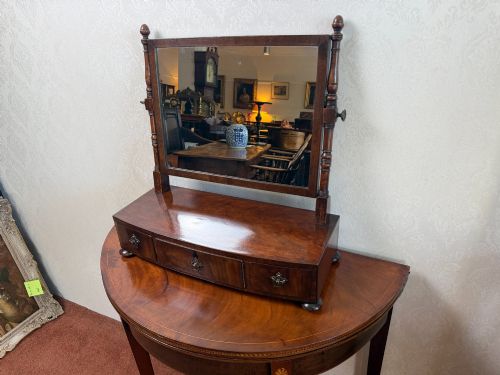
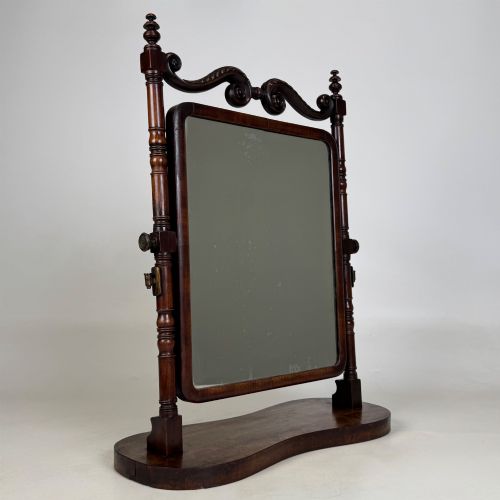
- A smaller mirror designed to sit atop a dressing table or chest of drawers, often constructed with a pivoting frame. These pieces date across the Georgian, Victorian, and Edwardian eras.
- Satin glass
- Glass treated to achieve a velvety, non-glossy surface texture resembling satin. It appears frequently on Edwardian trinket boxes and powder jars.
Vintage Vanity Glass: Frequently Asked Questions
What is a dressing table mirror?
A dressing table mirror is a portable looking glass mounted on a pivoting frame designed to sit on top of a chest of drawers or dressing table.
These pieces allow the user to adjust the angle of reflection during grooming routines.
How do I identify an Art Deco scent bottle?
Art Deco scent bottles typically feature geometric crystal cuts, clean vertical lines, and contrasting metal or enamel collars.
They frequently originate from the 1920s and 1930s, often produced by European glassworks including Czech and French makers.
Were silver mounts always marked?
British silver mounts usually bear hallmarks indicating the maker's mark, assay office, and date letter.
Continental pieces might display alternative purity stamps rather than standard British assay marks.
How should I clean antique glass vanity items?
Gentle cleaning with a soft cloth and mild soapy water preserves the fragile surfaces of cut glass and coloured crystal.
Harsh chemical abrasives should be avoided to protect applied silver mounts, enamel work, and old mirror silvering.