

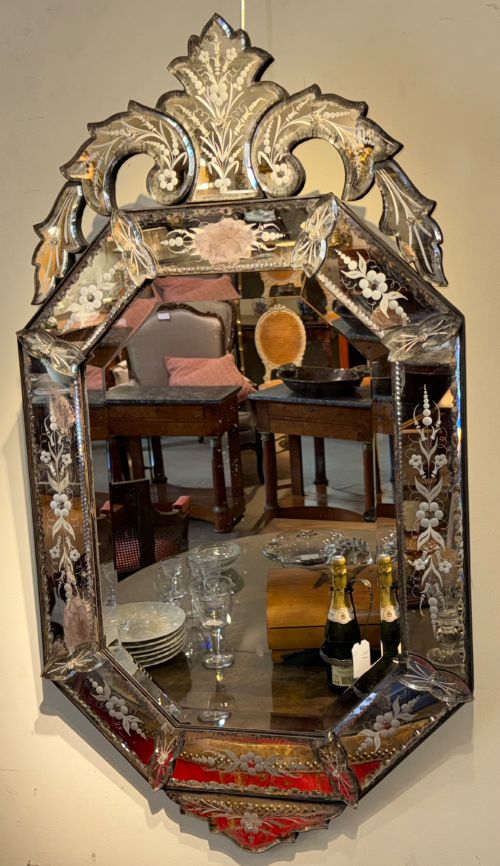
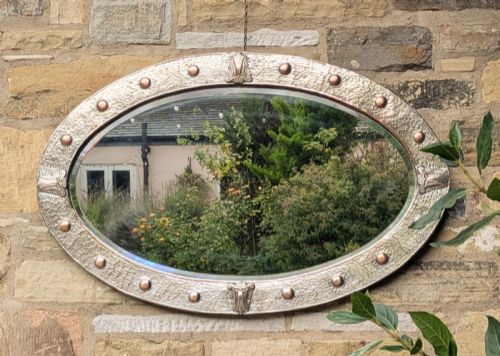

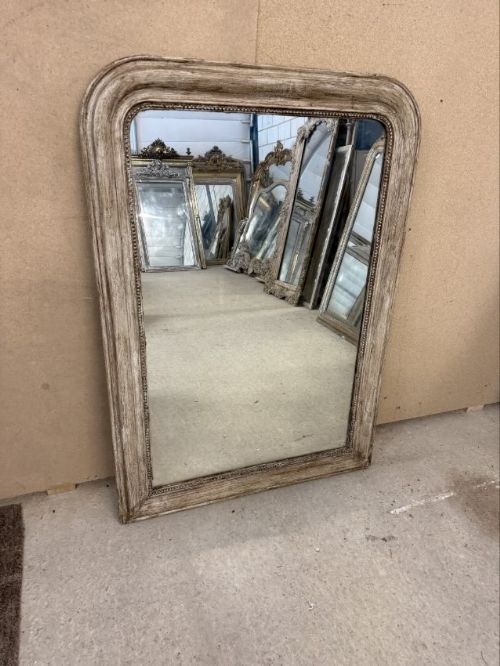
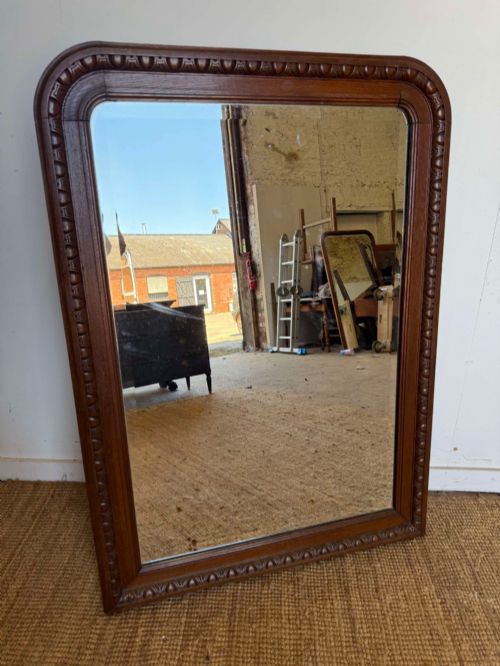
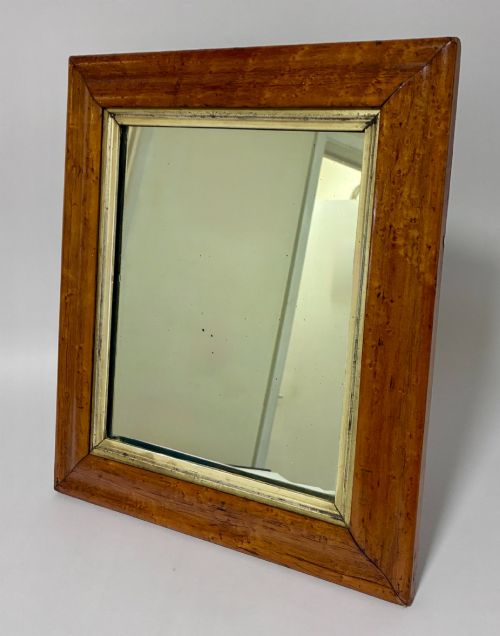
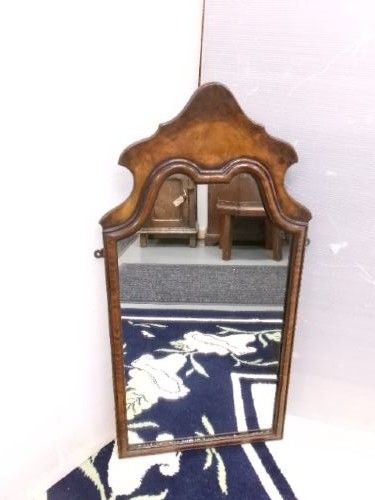
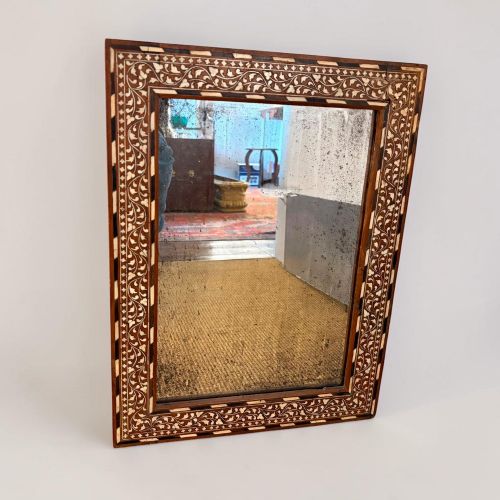
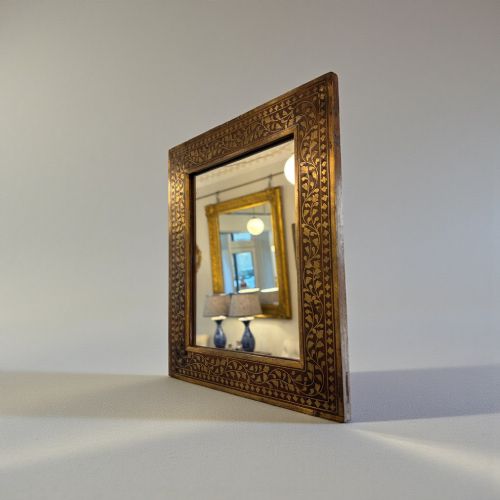
Vintage Vanity Frame
A vintage vanity frame brings character to a dressing space, combining practical reflection with the warmth of period craftsmanship.
Vintage Vanity Frame
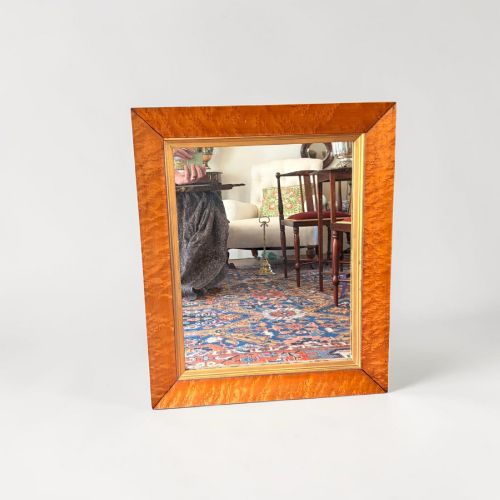
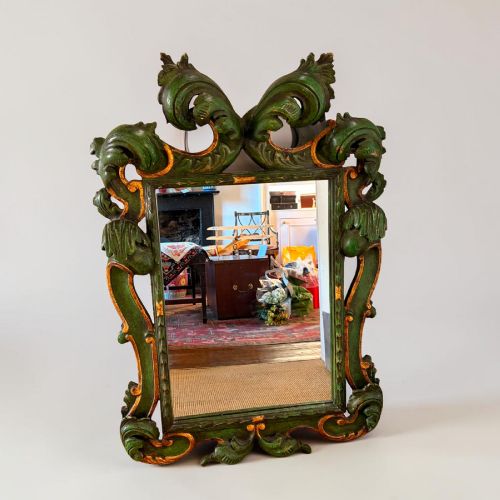
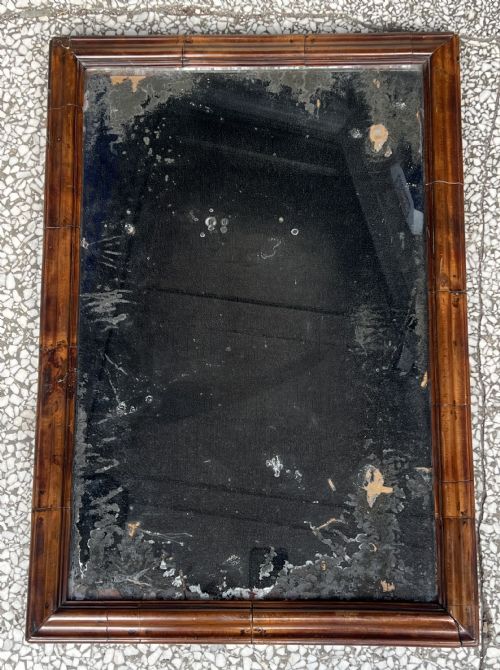
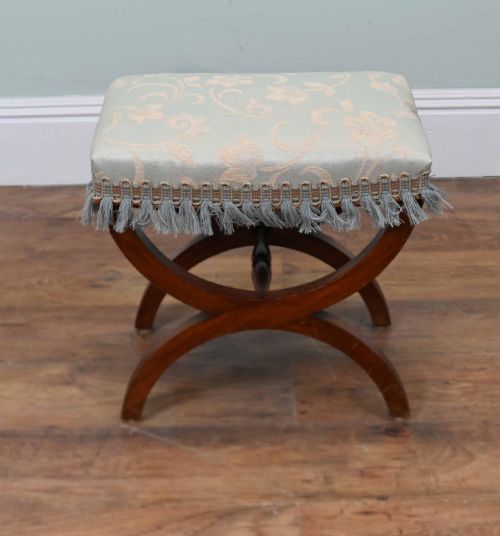
When you search for a vintage vanity frame, you encounter a selection of mirrors and related bedroom seating originating from the eighteenth century through to the Art Deco period. These objects include dressing table swing mirrors, toilet mirrors, and wall-hung pieces designed specifically for personal grooming spaces.
Makers and craftsmen drew upon diverse stylistic influences, ranging from French Chateau and Rococo Revival to Anglo-Indian and Queen Anne revivals. Each piece reflects the domestic habits and interior decoration tastes of its respective era.
Materials and construction methods
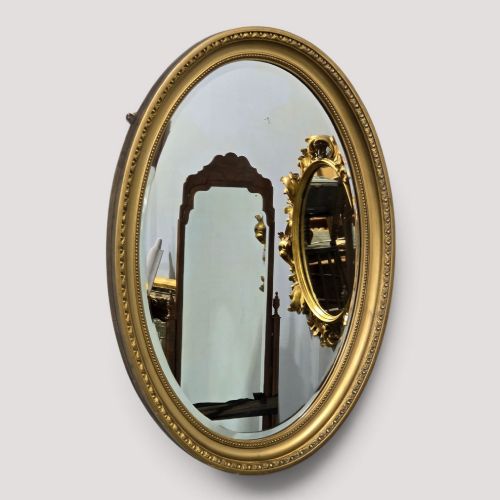
The framework relies heavily on traditional cabinet timbers such as mahogany, walnut, satinwood, and oak, frequently shaped with carved gesso or giltwood details. Glass plates are set into these surrounds, sometimes featuring bevelled edges or supported by adjustable brass and wood pivots on dressing table models.
Joinery techniques span from hand-carved solid woods to fine veneers, supplemented by decorative elements like brass inlay, ebonisation, and intricate fret-cut profiles. Easel backs and wall mounts utilise sturdy wooden struts or metal loops to ensure stability.
Vintage Vanity Frame Retail Price Guide 2026
Typical asking prices for vintage vanity frame among the pieces listed under this phrase on Sellingantiques today, from the lower quarter to the upper quarter. They describe what is for sale here now, not the wider market.
Listings feature items spanning the eighteenth, nineteenth, and early twentieth centuries, constructed in walnut, mahogany, brass, and giltwood.
Distinguishing quality across the range
Quality reveals itself in the crispness of carved details, such as the depth of foliage or crest motifs on wooden and gilt frames. Superior examples display thoughtful timber selection, including figured walnut or Cuban mahogany, with well-matched grain patterns across the visible surfaces.
The integrity of the construction, from the tightness of the corner joints to the original quality of the silvering on the glass plate, separates standard items from finer works. Original brass hardware and intact structural components further indicate higher manufacturing standards.
The Vintage Vanity Frame Glossary
- Swing mirror
- A dressing table mirror mounted on vertical pivots within a frame, allowing the glass to tilt. This form became popular during the Georgian period for personal grooming.
- Gesso
- A plaster-like mixture applied to wood surfaces and carved or moulded before gilding. It provides the raised decorative relief seen on many giltwood frames.
- Fret-cut
- Wood shaped using a fine saw to create openwork geometric or ornamental patterns. This technique defines the pediments of many eighteenth-century style mirrors.
- Cabriole leg
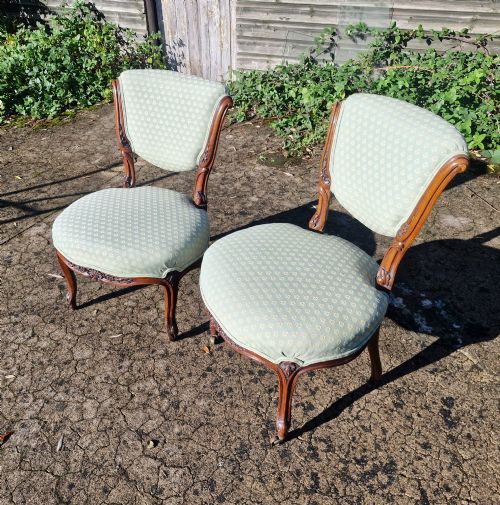
- A furniture leg that curves outward and then tapers inward, finishing in a pad or foot. It appears frequently on the vanity chairs and stools associated with these mirrors.
- Strut mirror
- A portable mirror supported by a hinged prop at the rear for tabletop placement. These often date from the Edwardian era and incorporate materials like silver or leather.
Vintage Vanity Frame: Frequently Asked Questions
How do I date a mirror?
Dating relies on examining the timber species, construction joints, and edge bevels of the glass. Older pieces often feature hand-bevelled plates and secondary timbers appropriate to their stated period.
Stylistic cues, such as Edwardian satinwood inlay or Georgian fret-cut crests, provide additional confirmation when assessed alongside the overall hardware.
Were these always meant for dressing tables?
Many smaller mirrors were manufactured as toilet mirrors to sit atop chests of drawers or dedicated dressing tables. Other variations functioned as small wall-hung pieces for bedrooms and reception halls.
Matching chairs and stools were similarly built for vanity use, sharing the decorative vocabulary of the companion mirrors.
Can I hang a heavy timber mirror safely?
Heavier oak and mahogany frames require appropriate wall fixings distributed across sturdy anchor points. Assessing the weight of the timber and the backing boards ensures secure installation.
Professional framing brackets or mirror plates distributed along the structural frame provide the necessary support for wall mounting.
How do I care for antique wood and glass?
Maintain the timber surfaces with appropriate wax polishes applied sparingly to preserve the natural patina. Avoid using modern chemical sprays that can degrade historic finishes and polished wood.
Clean the glass plate using a soft cloth dampened slightly with water or a mild glass cleaner, taking care not to let moisture seep behind the frame edge.