




Vintage Vanity Chairs
Vintage vanity chairs bring low-slung elegance and intimate scale to a dressing room or bedroom, spanning Victorian and Art Deco forms.
Vintage Vanity Chairs
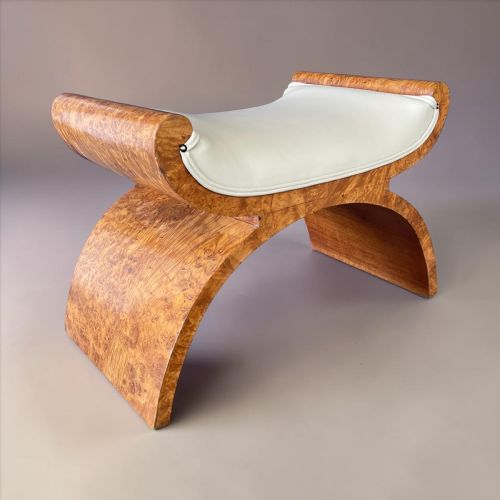
Vintage vanity chairs encompass low seating designed primarily for dressing tables, bedrooms, and boudoirs across the nineteenth and twentieth centuries. These compact forms bridge the gap between functional bedroom furniture and decorative occasional seating.
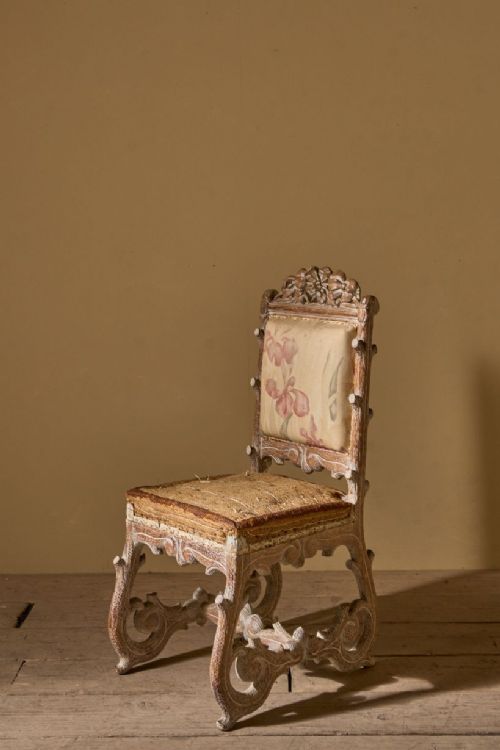
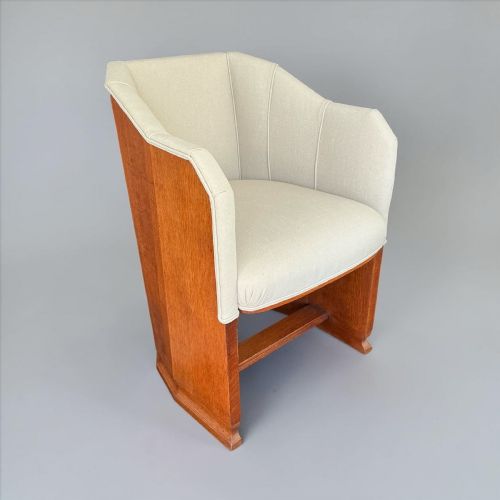
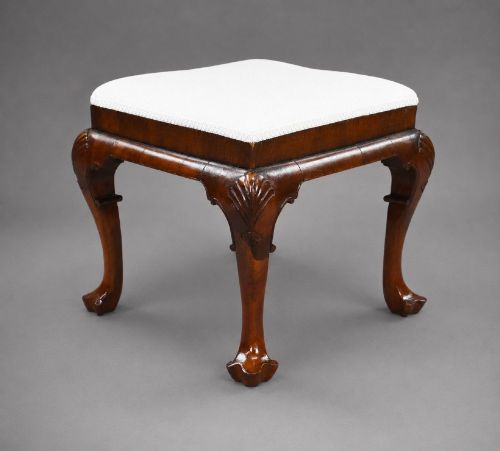
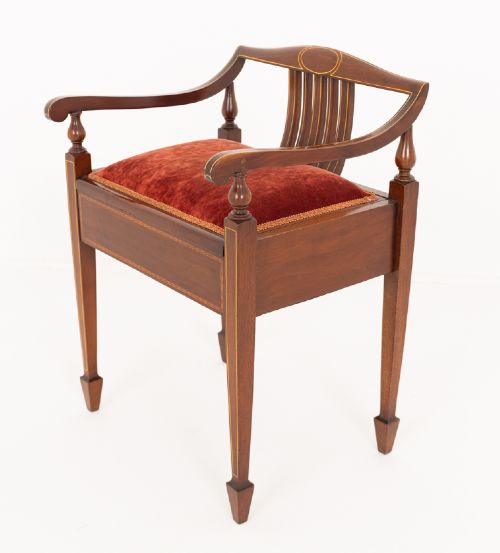
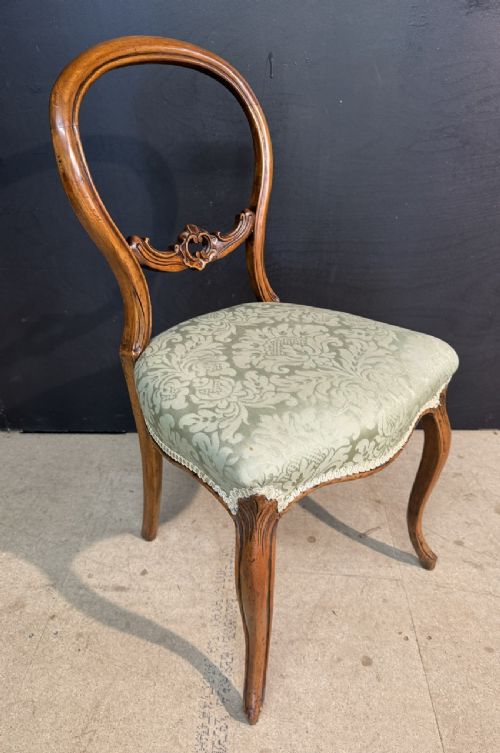
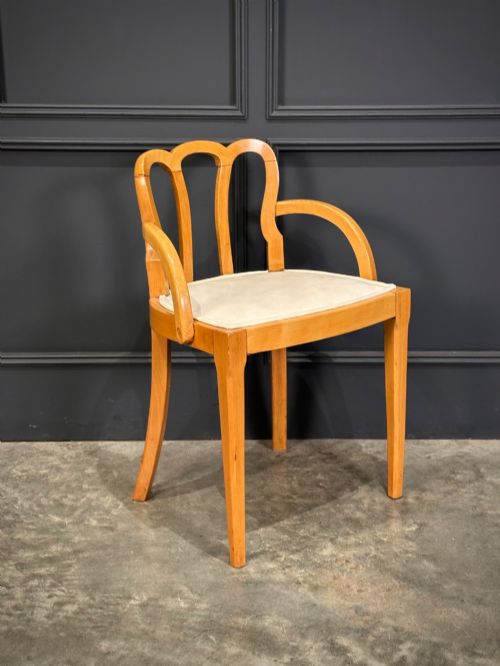
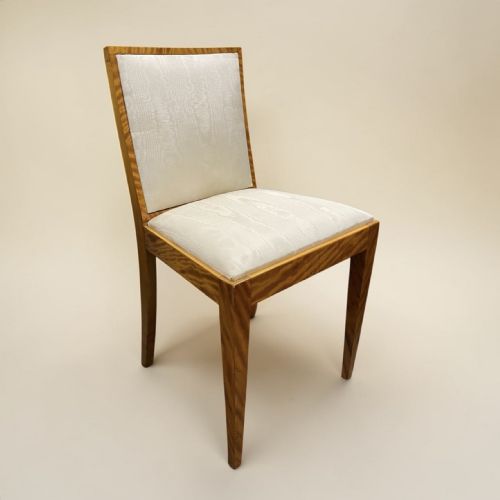
The pieces on this page appear as small stools, slipper chairs, and low side chairs originating from periods including the Victorian era, the Edwardian years, and the Art Deco movement. Walnut, mahogany, and painted frames frequently support upholstered seats covered in velvet, textile, and linen.
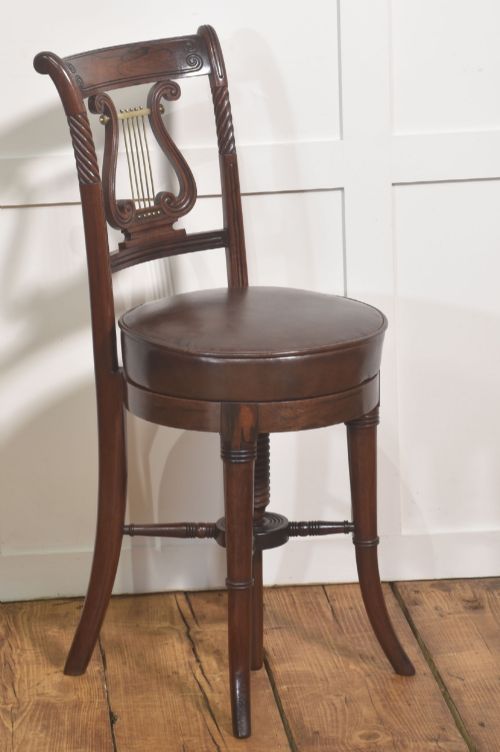
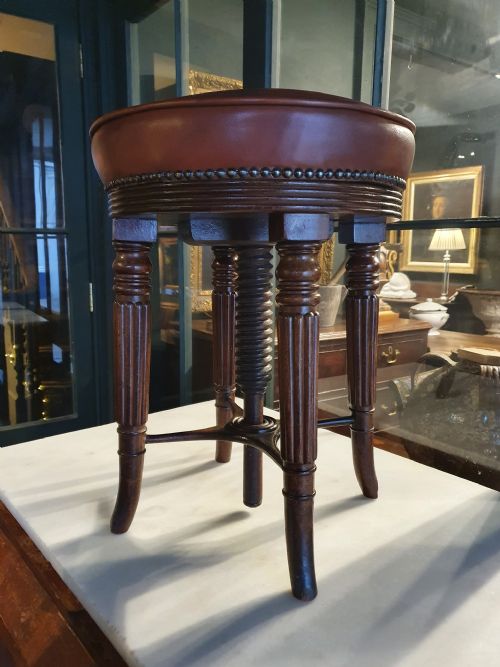
Makers such as Harry and Lou Epstein, Bath Cabinet Makers, Heals, and James Shoolbred contribute to the lineage of these bedroom seats. Buyers encounter everything from cabriole leg dressing table chairs to revolving piano stools adapted for modern dressing spaces.
Materials and construction
Timber frames rely on hardwoods such as walnut, mahogany, oak, and sycamore, often shaped with cabriole legs, twisted rope supports, or gilt details. Cabinet makers utilised these durable timbers to achieve slender profiles suitable for intimate domestic spaces.
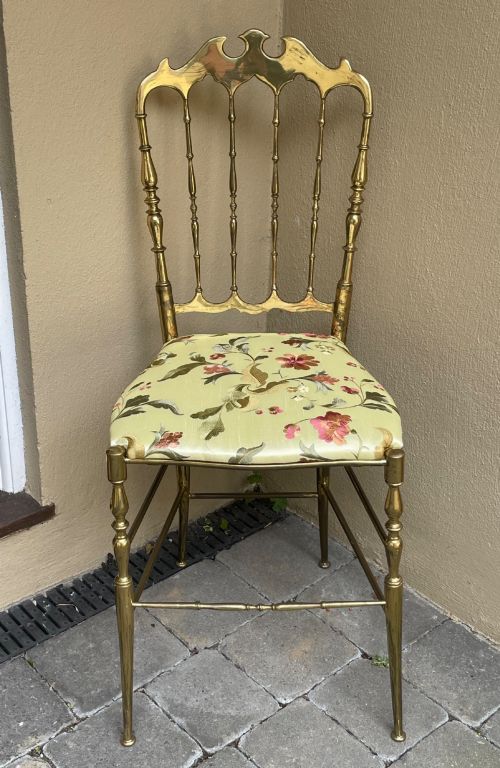
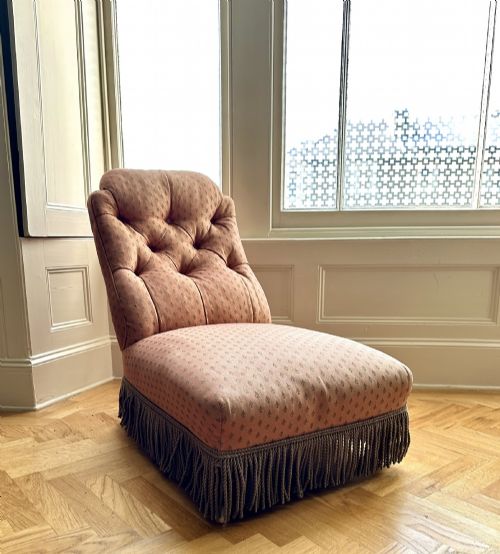
Upholstery techniques involve traditional stuffing paired with decorative textile finishes, including needle point, flowery top covers, mulberry linen, and fringe trimming. Brass elements and cane seating provide structural contrast and textural variety across the various styles.
Listings feature periods spanning from the eighteenth century through Art Deco, constructed in walnut, mahogany, oak, and brass.
Judging quality in dressing seating
Quality rests upon the integrity of the timber frame, the crispness of carved details like cabriole legs or giltwood, and the proportion of the seating height relative to traditional dressing tables. Superior examples display thoughtful joinery and sympathetic restoration that preserves the original character of the wood.
The grade of upholstery materials and the fidelity of the period styling further differentiate the selection. Pieces retaining maker signatures or documented workshop origins carry greater historical weight than anonymous equivalents.
Harry and Lou Epstein·Bath Cabinet Makers·Heals·James Shoolbred
The Vintage Vanity Chairs Glossary
- Cabriole leg
- A furniture leg that curves outward at the knee and inward at the ankle, mimicking an animal's limb. This design feature appears frequently on eighteenth-century and revival seating.
- Slipper chair
- A low-seated upholstered chair originally designed for ladies' bedrooms to sit while putting on shoes. These pieces typically feature short legs and generous cushioning.
- Faux bois
- A technique where wood or other materials are painted or carved to imitate the natural grain and texture of timber branches. It adds a rustic decorative element to nineteenth-century frames.
- Bergere
- An enclosed upholstered armchair with wooden framing exposed around the perimeter. French examples often incorporate cane panels along the sides and back.
- Curule stool
- An ancient Roman magistrate seat shape featuring X-shaped legs that cross in the middle. Gilt versions appear in nineteenth-century decorative schemes.
Vintage Vanity Chairs: Frequently Asked Questions
What is a vintage vanity chair?
A vintage vanity chair is a low-profile seat designed for use at a dressing table or in a bedroom setting. These compact pieces range from Victorian slipper chairs to Art Deco stools with integrated storage.
They combine functional seating with decorative textiles, offering a distinct aesthetic that complements period dressing furniture.
How do I choose the right height?
Selecting the correct height requires measuring your dressing table clearance and matching it with the seat height of the chair or stool. Many vintage dressing table chairs sit lower than standard dining chairs to allow comfortable leg room beneath the surface.
Revolving or adjustable piano stools offer practical flexibility if exact height matching proves difficult.
Are these chairs suitable for daily use?
Most vintage vanity chairs withstand daily domestic use provided their wooden frames remain sturdy and their upholstery is sound. Pieces featuring solid hardwood construction and updated fabric covers easily handle routine bedroom routines.
Delicate gilt surfaces or antique cane seats require a gentler placement away from heavy household traffic.