


1930s Side Chairs
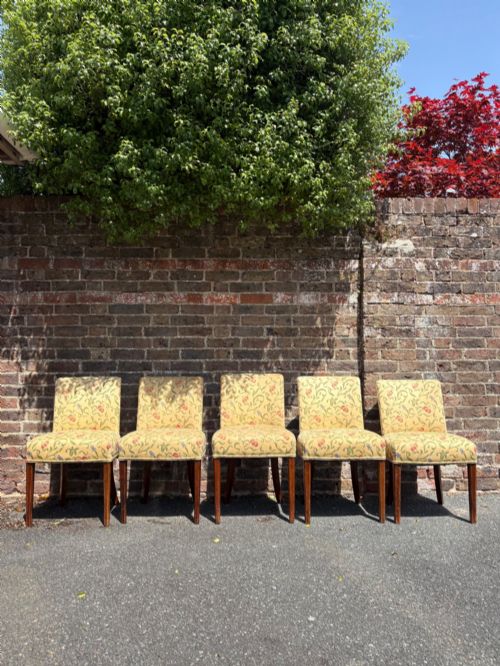
These 1930s side chairs bring clean modernist lines and dependable timber frames to any dining table or desk.
1930s Side Chairs
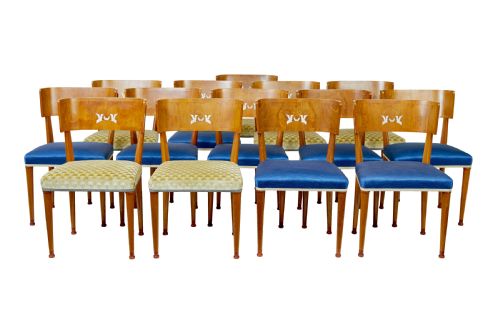
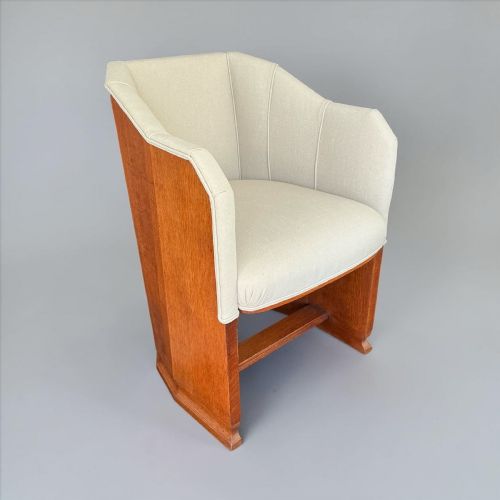
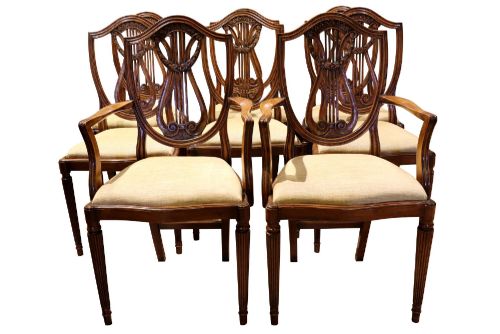
When you search for 1930s side chairs, you encounter a distinct blend of modernist experimentation and traditional revival forms rooted in the interwar period. The selection encompasses austere oak ladderbacks alongside striking Art Deco designs shaped from walnut, mahogany, and exotic veneers.
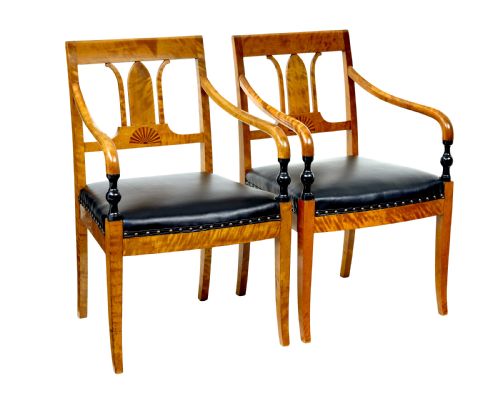
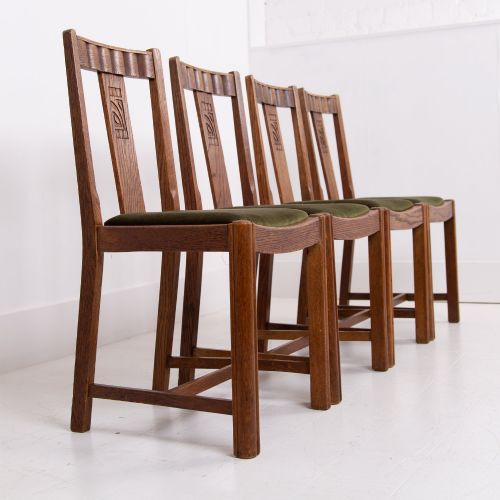
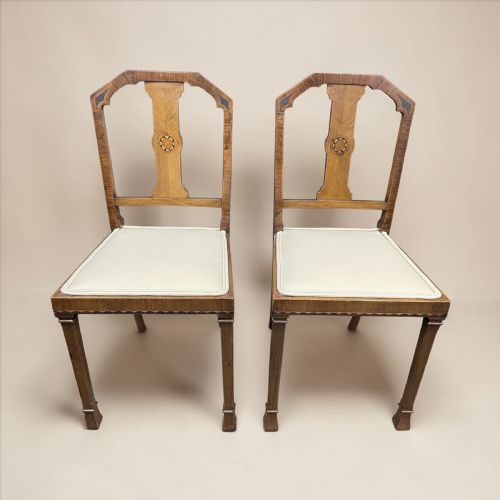
You are most likely to meet straightforward dining and bedroom seating constructed in solid oak or walnut frames, often featuring drop-in upholstered pads or leather panels. These pieces served practical domestic roles in interwar homes, balancing functional durability with contemporary styling.
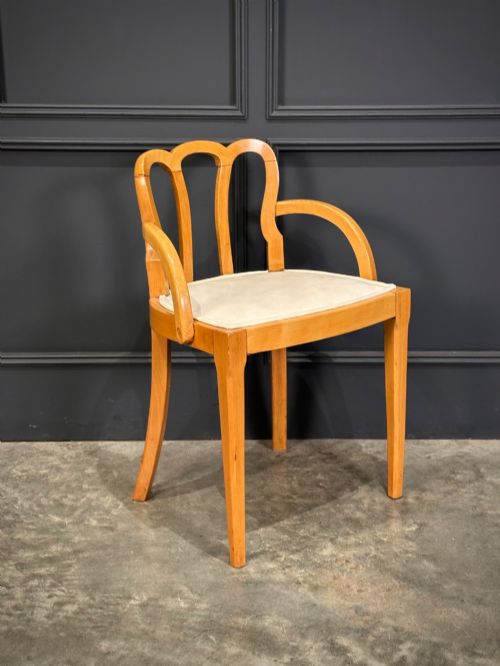
Makers of the era drew upon both vernacular English country traditions and continental Scandinavian movements. Consequently, your choices range from rustic rush-seated chairs to sophisticated Swedish Grace and classic revival interpretations.
How they were made
Interwar cabinetmakers relied heavily on sturdy timbers such as oak, walnut, and mahogany for the primary structural frames. These woods were chosen for their strength in daily domestic use and their capacity to take smooth polished finishes.
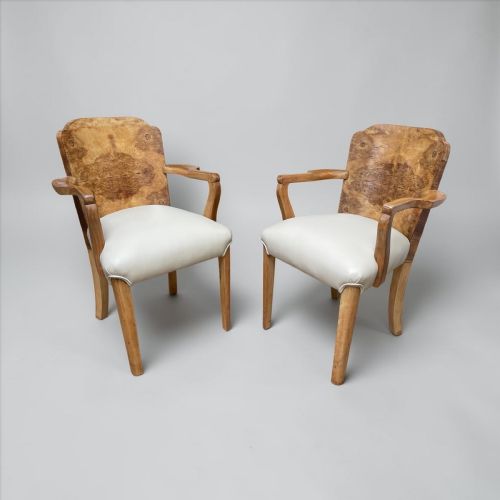
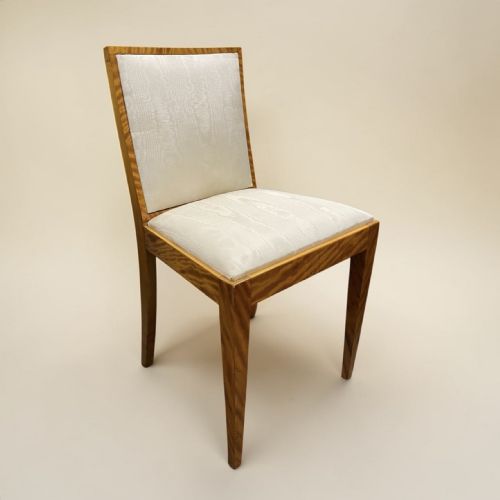
Surface decoration frequently depended on figured veneers like burr walnut and satinwood, applied to curved splats and backs to create striking geometric grain patterns. Upholstered elements utilised traditional webbing and stuffing, finished in hardwearing fabrics, velvet, or leather.
Styles span Art Deco, Swedish Grace, Arts and Crafts, and traditional English country revivals.
What varies in quality
The distinction between ordinary production and superior workshop output lies in the selection of timber and the precision of the joinery. Finer pieces employ figured veneers and solid hardwoods with carefully fitted joints that remain rigid after decades of service.
Design ambition also separates standard commercial seating from bespoke commissions by notable firms. Executed proportions, refined carving, and integrated upholstery distinguish exceptional examples from basic domestic chairs.
Bath Cabinet Makers·Harry and Lou Epstein·Heals·Hille·Mouseman
The 1930s Side Chairs Glossary
- Klismos
- An ancient Greek chair form featuring curved, sweeping back legs and a concave backrest. Designers revived this graceful silhouette during the modernist era.
- Veneer
- A thin slice of decorative wood applied to a stable secondary timber surface. Master craftsmen used burr walnut and satinwood to create symmetrical geometric patterns.
- Rush
- Dried marsh grass twisted into cords and woven tightly to form traditional seat pads. This material appears frequently on ladderback country seating.
- Ladderback
- A chair back constructed with horizontal arched slats resembling the rungs of a ladder. It is a traditional form revisited by modernist makers in oak.
- Art Deco
- A prominent design style characterised by sleek geometric shapes, streamlined curves, and luxurious materials. It dominated international decorative arts during the interwar years.
1930s Side Chairs: Frequently Asked Questions
How do I identify a 1930s side chair?
Look for characteristic geometric styling, contrasting timber veneers, or simplified traditional frames typical of the interwar period. Construction methods and material choices generally align with the manufacturing standards of that decade.
Examine the legs, backsplats, and joinery for clues to regional origin and workshop practice. Many pieces carry maker stamps or labels beneath the seat rails.
Are these chairs suitable for daily use?
Most solid timber frames from this era remain exceptionally sturdy and well-suited for everyday dining or desk seating. Modern upholstery updates can ensure comfortable support for daily living.
Care should be taken with veneered surfaces and antique leather to prevent excessive wear. Periodic conditioning of the wood helps preserve the original polish.
What is the difference between Art Deco and traditional chairs from this time?
Art Deco examples favour streamlined curves, exotic wood veneers, and minimalist geometric shapes. They reflect an embrace of modern industrial aesthetics.
Traditional styles from the same decade, such as ladderbacks or revival pieces, rely on time-tested vernacular forms. These emphasise solid oak construction and rustic practicality over decorative veneer work.
Can I mix these chairs with a modern table?
Their clean lines and versatile timber tones allow them to sit comfortably alongside contemporary or mid-century dining tables. The restrained ornamentation bridges historical and modern interiors effectively.
Consider matching the wood finish or the overarching silhouette to create a cohesive dining space. Armchairs work well at the table heads while side chairs line the sides.