





Vintage Urn Vases
These vintage urn vases bring classical proportion and decorative presence to a room, spanning delicate porcelain and heavy cast metal.
Vintage Urn Vases
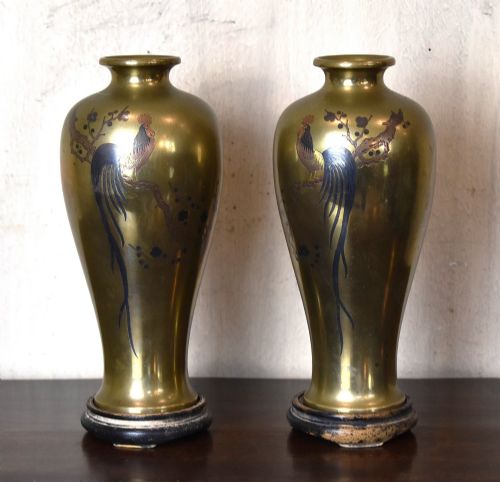
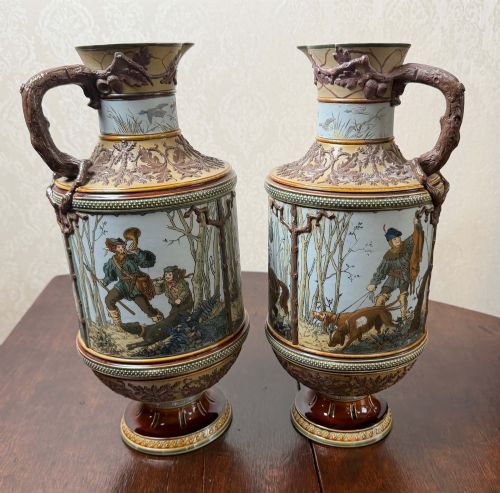
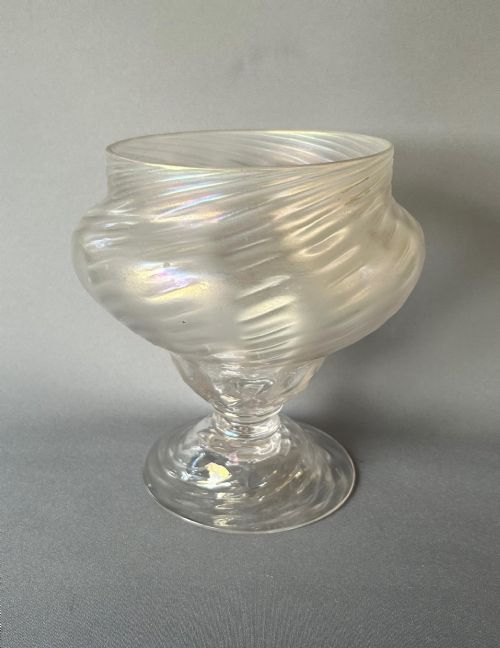
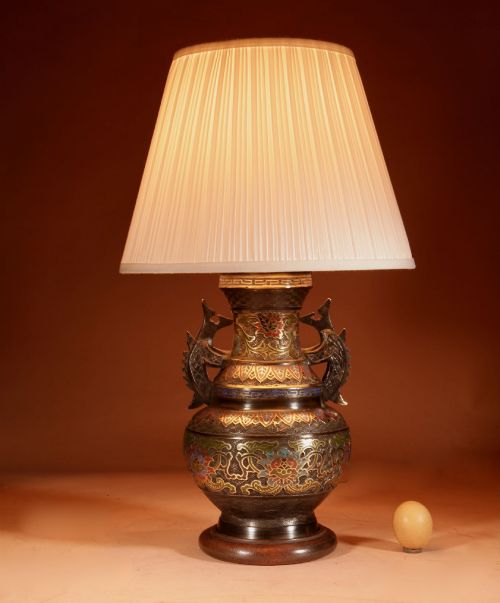
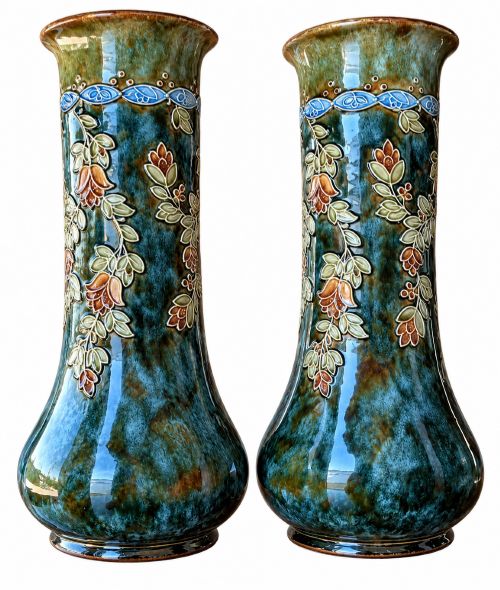
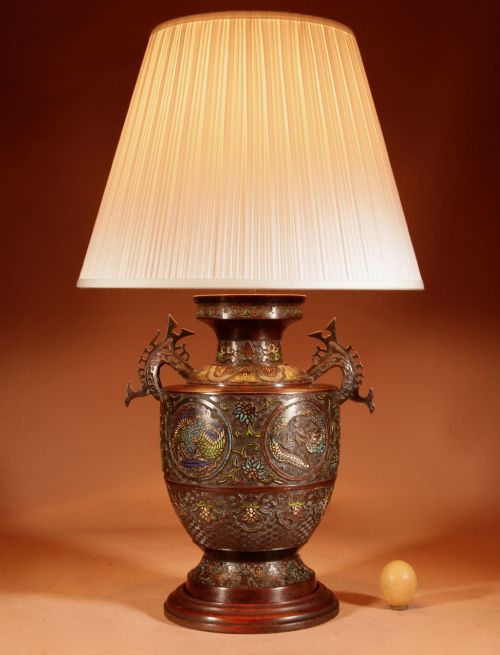
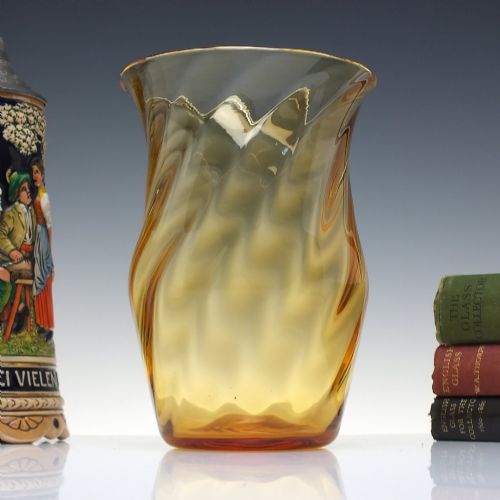
Vintage urn vases combine classical vessel forms with the decorative tastes of the nineteenth and twentieth centuries, functioning primarily as ornamental focal points. When you search for vintage urn vases, you encounter diverse interpretations ranging from nineteenth-century cast iron garden pieces to delicate ceramic ginger jars and twentieth-century crystal vessels. The selection draws heavily on Japanese Satsuma and cloisonné works, Victorian ceramics, and early twentieth-century European glass.
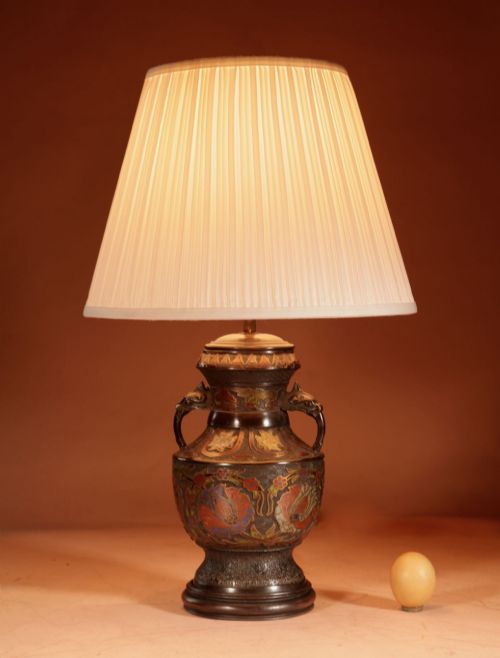
Forms vary from lidded ginger jars and twin-handled mantel vessels to tall baluster shapes and heavy table lamps converted from original pots. Many examples adopt traditional classical silhouettes with footed bases and flared rims, echoing ancient Greek and Roman vessels through the lens of later design movements like Art Nouveau and Art Deco.
How they were made
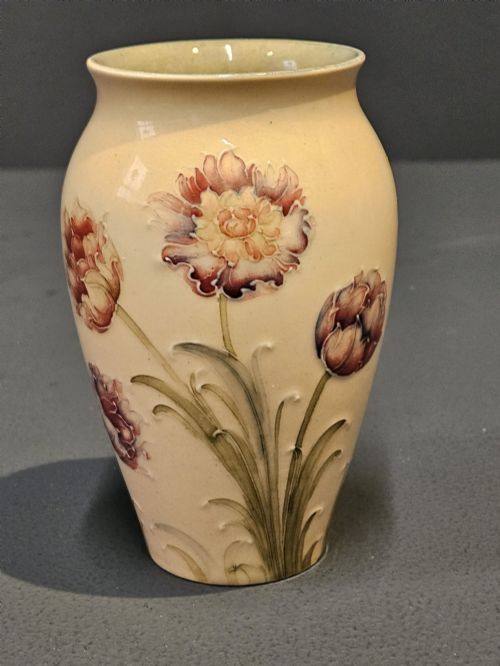
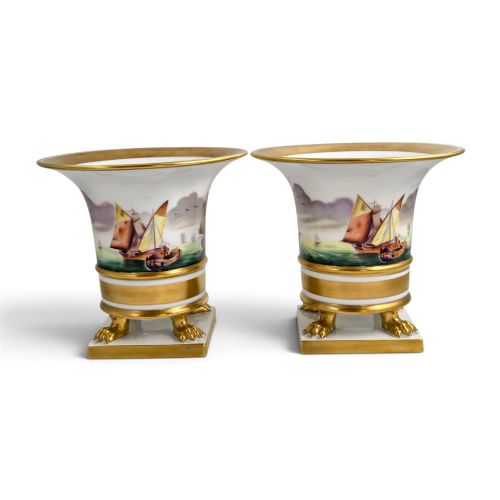
Ceramic pieces rely on traditional throwing and casting methods, finished with glazes such as flambé, enamel, or blue and white underglaze decoration. Stoneware and earthenware bodies require precise kiln firing to achieve durability, while fine porcelain takes smooth, glossy surfaces that accept intricate hand-painted motifs.
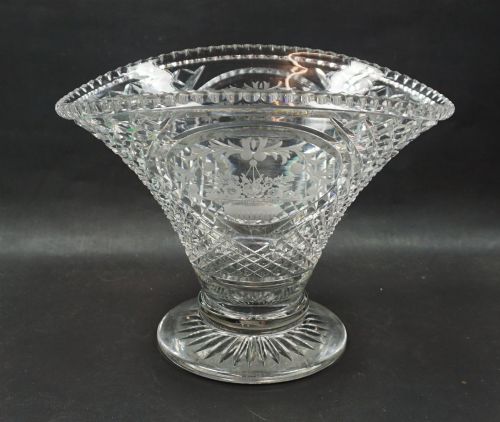
Metalwork vessels utilise bronze, brass, or silver plating, often incorporating champlevé enamelling where recessed cells hold coloured glass paste. Glass urns involve crystal blowing, moulding, and subsequent cutting or engraving to create surface pattern and depth.
Vintage Urn Vases Retail Price Guide 2026
Typical asking prices for vintage urn vases among the pieces listed under this phrase on Sellingantiques today, from the lower quarter to the upper quarter. They describe what is for sale here now, not the wider market.
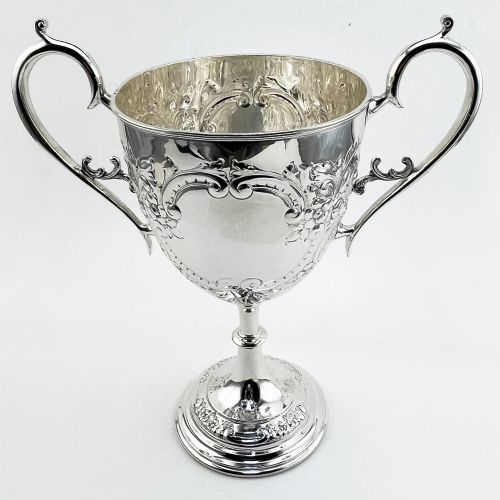
Several Victorian and Edwardian urns started life as presentation cups, swapping sporting glory for a quiet retirement on a living room sideboard.
What varies in quality
The standard of hand-painted detail and the precision of surface decoration distinguish finer ceramics and cloisonné pieces from mass-produced wares. Crisp lines in the metal partitions of cloisonné and subtlety in ceramic glaze gradients separate exceptional studio output from standard commercial production.
Weight, balance, and the clarity of the material define quality in glass and metal vessels. Heavier bronze castings and clear, unblemished crystal with deep, hand-cut facets indicate superior manufacturing standards.
Royal Doulton·Moorcroft·René Lalique·Herend·Royal Crown Derby·Burmantofts
The Vintage Urn Vases Glossary
- Champlevé
- An enamel technique where troughs or cells are carved into a metal surface and filled with vitreous enamel before firing. This method creates defined colour boundaries across bronze and brass vessels.
- Cloisonné
- A metalwork technique involving flat wire soldered to a metal body to create compartments filled with enamel paste. The piece is then fired and polished to a smooth finish.
- Satsuma
- A type of Japanese earthenware featuring a pale, ivory-coloured crackle glaze decorated with enamel and gilt. These pieces often depict traditional figures, birds, and floral arrangements.
- Baluster
- An architectural term describing a vase shape with a rounded lower body that tapers upward into a narrow neck. This profile provides stable proportions for display on mantelpieces and tables.
Vintage Urn Vases: Frequently Asked Questions
Where should I display heavy metal urns?
Place heavy bronze or cast iron urns on sturdy sideboards, mantelpieces, or dedicated pedestals that easily support their substantial weight. Ensure the surface is level and use protective felt pads underneath the base to prevent scratching polished wood.
Keep metal vessels away from damp environments to preserve patination and prevent corrosion on older bronze and brass surfaces. Position them where natural light highlights the chased details and enamel work.
Are these glass urns safe for flowers?
Many crystal and glass urn vases function well as flower holders, provided you inspect them for internal hairline cracks before adding water. Older glass can be sensitive to sudden temperature changes, so use tepid water rather than hot or cold.
Dry the interior thoroughly after use to prevent mineral deposits from clouding the vintage glass. If a glass urn has delicate engraved decoration or gilt trim, hand washing is essential.
How do I identify Meiji period Japanese pieces?
Meiji period items date from the late nineteenth to the early twentieth century, a time of exceptional craftsmanship in Japanese metalwork and ceramics. Look for intricate cloisonné enamel patterns, fine Satsuma crackle glazes, and dense bronze relief work depicting scholars, dragons, or natural scenes.
Many pieces bear artist signatures or workshop stamps on the base, though unmarked examples remain common. The precision of the wirework in cloisonné often indicates the era of production.