




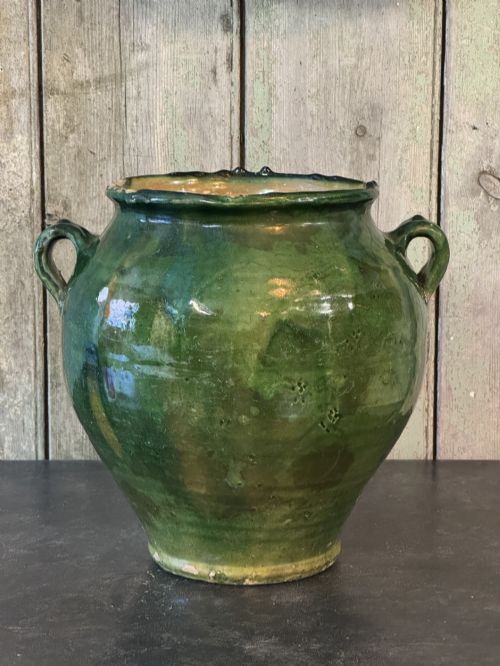
Vintage Urn Pots
These vintage urn pots bring classic garden ornament and interior display vessels into the home, offering structured form and weathered texture.
Vintage Urn Pots
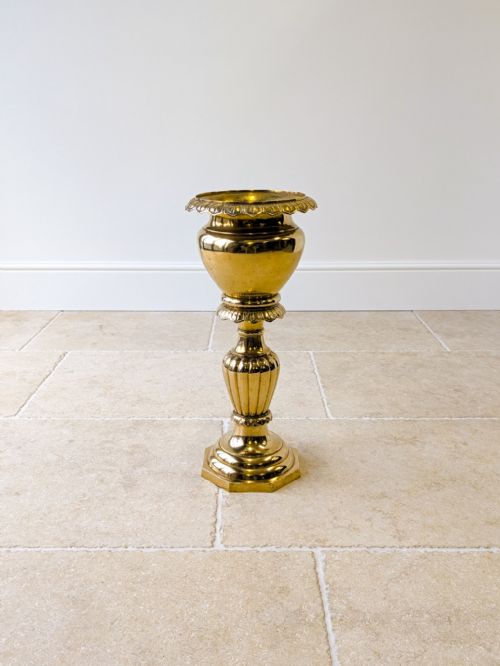
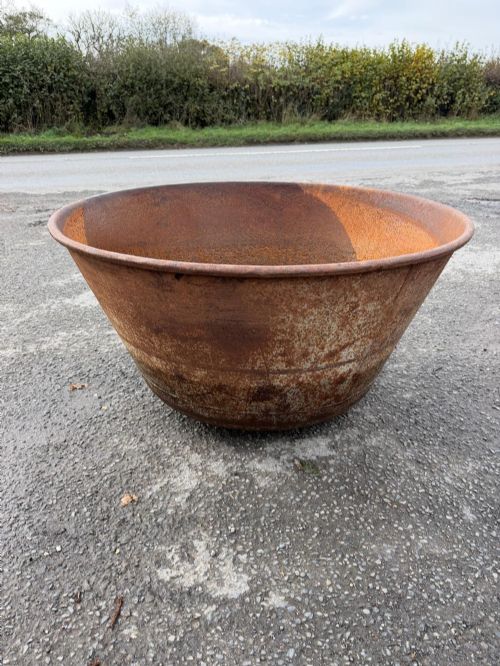
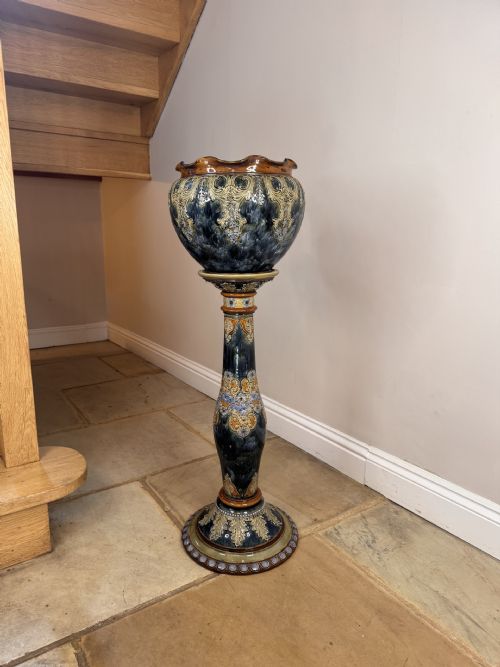
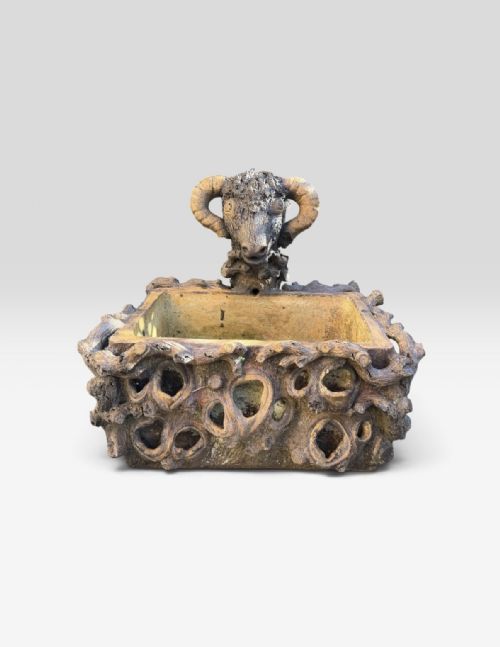
Vintage urn pots encompass garden planters, campana urns, jardiniere stands, and heavy vessels designed for botanical display. The selection ranges from nineteenth-century cast iron and terracotta garden ornaments to decorative ceramic vases and metal coffee urns.
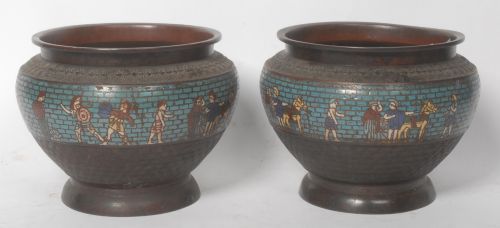
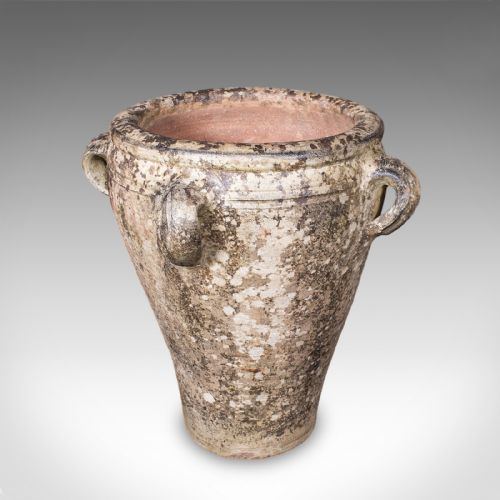
Buyers encounter French provincial confit pots, Italian terracotta planters, and sturdy British cast iron garden urns alongside ornate Japanese cloisonne and glazed earthenware. These objects bridge utilitarian storage and purely decorative classical revival styling.
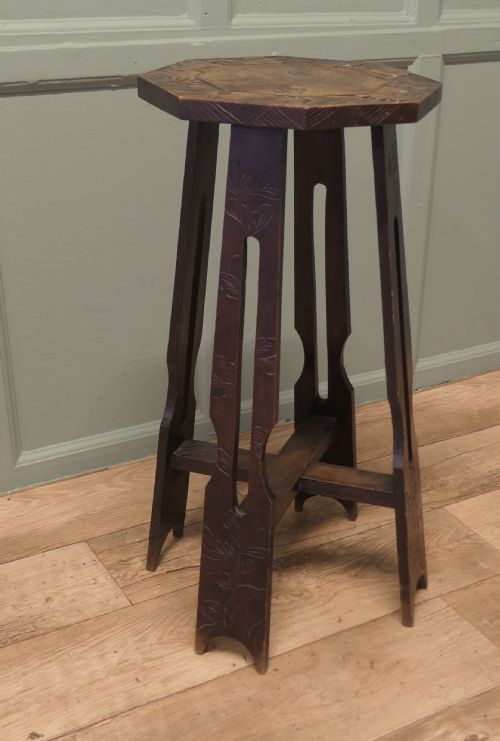
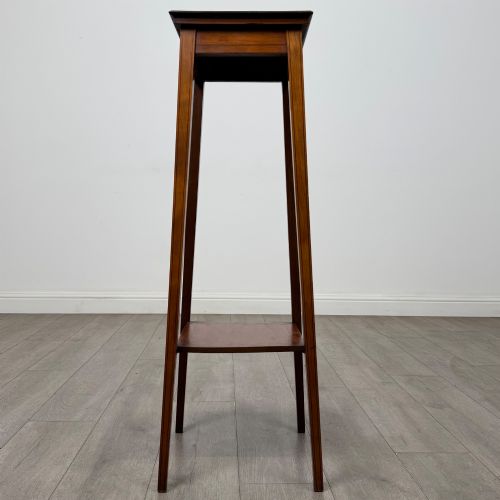
The forms span classical campana shapes on pedestals, handled olive jars, multi-sided garden vessels, and indoor plant stands carved from elm or inlaid with satinwood.
Materials and construction
Terracotta and earthenware pieces utilise natural clays, often thrown by hand or moulded before surface glazing or weathering in regional kilns. Cast iron garden urns employ heavy foundry casting, resulting in robust vessels that accumulate patinated paint surfaces over decades.
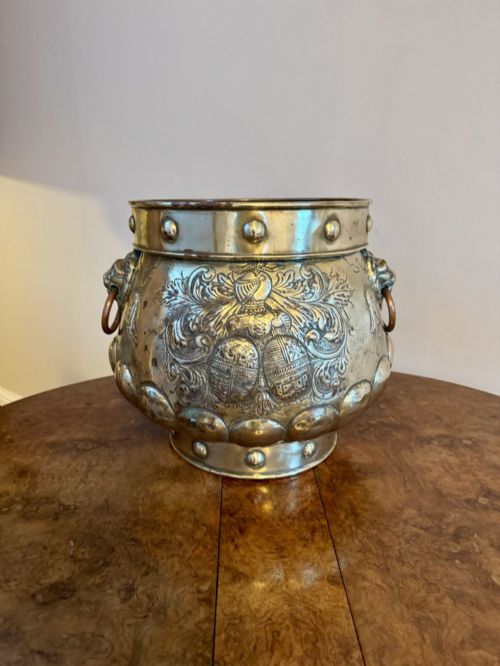
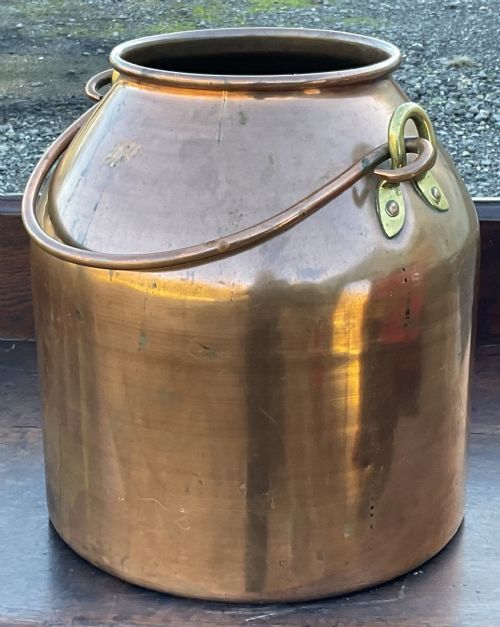
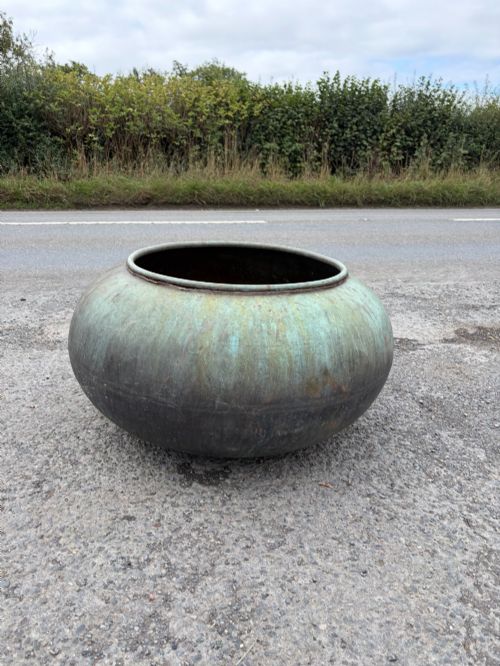
Metal vessels combine copper, brass, and pewter work, featuring hand-riveted seams, repoussé surface ornamentation, or delicate champlevé enamel inlay. Wood plant stands demonstrate traditional joinery in mahogany, walnut, and elm, sometimes finished with marquetry inlay.
Vintage Urn Pots Retail Price Guide 2026
Typical asking prices for vintage urn pots among the pieces listed under this phrase on Sellingantiques today, from the lower quarter to the upper quarter. They describe what is for sale here now, not the wider market.
Some nineteenth-century copper boilers and coffee urns spent decades brewing morning caffeine before retiring to life as decorative vases.
Judging quality in vintage urn pots
Quality rests in the integrity of the material, the crispness of cast or carved detail, and the depth of natural ageing. Superior cast iron urns retain defined classical foliage without excessive pitting, whilst fine terracotta displays organic weathering rather than structural decay.
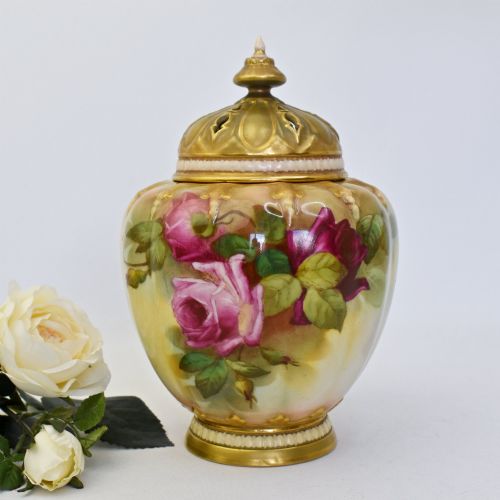
Artistic execution distinguishes standard utilitarian vessels from exceptional studio or factory pieces, evident in hand-painted ceramic glazes, intricate repoussé metalwork, and balanced classical proportions.
Liberty & Co·Royal Doulton·Burmantoft's Pottery·Bretby Pottery·William Soutter & Sons·Royal Worcester·Andrew Handyside
The Vintage Urn Pots Glossary
- Campana urn
- A bell-shaped garden vessel with an everted rim, widely produced in cast iron and terracotta for classical landscape display.
- Confit pot
- A French glazed earthenware jar traditionally used for preserving food, featuring distinct handles and characteristic glaze runs.
- Jardiniere
- An ornamental pot or stand designed to hold a live plant, frequently executed in ceramic, brass, or copper.
- Repoussé
- A metalworking technique where the design is hammered into relief from the reverse side of copper, brass, or silver.
Vintage Urn Pots: Frequently Asked Questions
How do I care for cast iron urn pots?
Cast iron urns withstand outdoor conditions well, but benefit from periodic inspection for rust accumulation. Applying a protective wax or suitable exterior paint helps preserve the original surface texture.
Ensure proper drainage during winter months to prevent trapped water from freezing and cracking the metal structure.
Where should I place terracotta garden urns?
Terracotta urns suit both garden terraces and interior spaces, though porous earthenware requires protection from severe frost. Raising pots on pot feet prevents moisture retention at the base.
Indoor placement allows delicate glazes and weathered surfaces to remain protected from extreme temperature fluctuations.
How do I identify a confit pot?
Confit pots originate from France and feature characteristic lead-glazed earthenware bodies with one, two, or three strap handles. The glaze typically covers the upper portion whilst leaving the lower clay body exposed.
These pots show natural wear and glaze drips from traditional wood-fired kilns.