




Vintage Urn Holder
These vintage urn holder items span plant stands, jardinières and metal vessels from the Georgian, Victorian and Edwardian periods.
Vintage Urn Holder
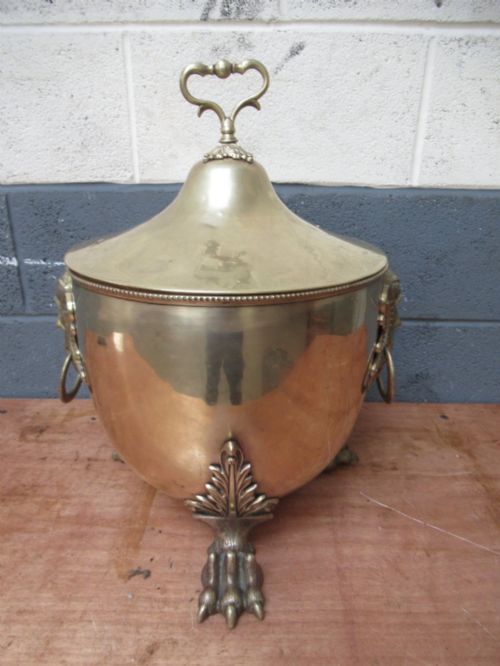
A vintage urn holder or associated vessel brings functional display pieces into interior spaces across various historic styles. Buyers search this phrase to find plant stands, jardinières, copper bins and pedestals designed to elevate pots or hold domestic items.
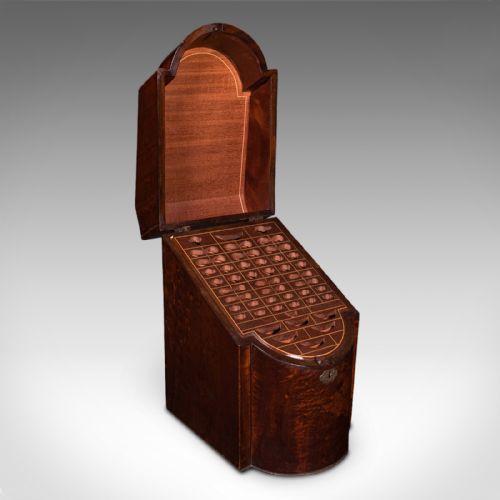
The most common examples on this page are brass and copper planters, jardinières on stands, and mahogany plant stands. These objects originate from periods including the Victorian, Edwardian and Art Deco eras.
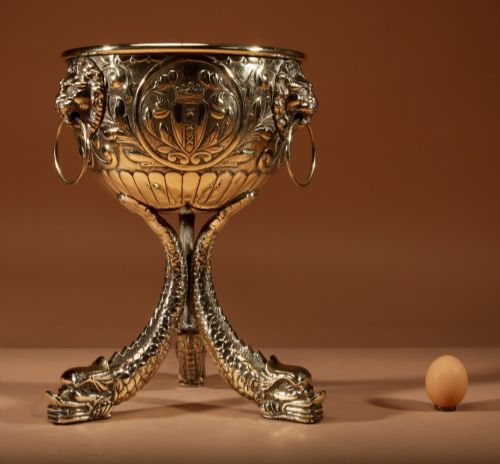
Alongside traditional plant holders, the selection includes related vessels such as bronze spelter candelabra, ironstone posy vases and dinanderie cauldrons. Each piece reflects the decorative priorities of its specific period, from rustic oak to French neoclassical influences.
What varies in quality
Quality rests in the weight of the metal, the crispness of the cast decoration and the stability of the joinery. Heavier gauges of brass and copper indicate superior durability in jardinières and coal buckets.
Finishes also separate standard items from finer works, visible in the depth of embossed dinanderie patterns, the preservation of original gold leaf or enamel, and the clean turning of mahogany stands.
Vintage Urn Holder Retail Price Guide 2026
Typical asking prices for vintage urn holder among the pieces listed under this phrase on Sellingantiques today, from the lower quarter to the upper quarter. They describe what is for sale here now, not the wider market.
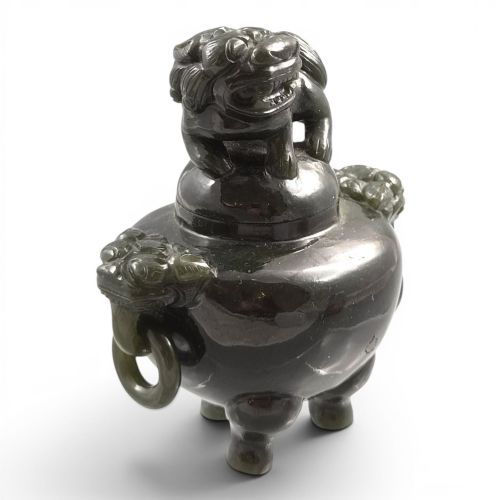
Foo dogs guard the jade tripods, ready to pounce on any clumsy gardener.
Mason·Royal Doulton·Beldray Ltd·Charlotte Rhead·James Dixon And Sons
The Vintage Urn Holder Glossary
- Jardiniere
- An ornamental pot or stand for holding plants or flowers. These vessels appear in brass, copper and ceramic.
- Dinanderie
- A term for objects made of beaten or engraved brass, copper or bronze. The technique produced decorative planters and cauldrons.
- Ironstone
- A type of durable earthenware patented in the nineteenth century. It serves as a dense body for vases and pots.
- Spelter
- An alloy of zinc used as a substitute for bronze. It takes casting detail well and often receives a bronzed finish.
- Posy vase
- A small vessel designed to hold a short bunch of flowers. These frequently feature painted ceramic bodies.
Vintage Urn Holder: Frequently Asked Questions
How do I use a vintage planter?
These metal and ceramic vessels suit holding potted plants, dried stems or firewood within a room. Placing a protective liner inside helps preserve the base of older copper or wooden pieces from moisture.
Larger floor-standing jardinieres work well beside fireplaces or in hallways, while smaller pedestals elevate trailing plants near windows.
What is dinanderie?
Dinanderie refers to decorative metalwork formed from brass, copper or bronze, named after the town of Dinant in Belgium. Artisans beat, cast and emboss these metals to create textured patterns on planters and cauldrons.
This technique brings depth and a distinct tactile quality to vessels from the late nineteenth and early twentieth centuries.
How do I date a mahogany plant stand?
Dating involves examining the timber grain, the turning style of the legs and any structural fixings. Edwardian and late Victorian stands often display cleaner machine-sawn elements compared to earlier Georgian examples.
Makers of the early twentieth century also leaned towards specific decorative motifs like tapering columns and inlaid stringing.
Are ironstone vases waterproof?
Ironstone is a dense, vitrified earthenware designed to hold water safely for ordinary floral displays. However, older glazes can develop fine craze lines over decades of use.
Checking the interior for heavy staining helps determine how frequently a nineteenth-century vase saw active service.