

Vintage Upholstery Armchair
These vintage upholstery armchair designs bring warmth and character to a room, offering deep comfort alongside enduring period style.
Vintage Upholstery Armchair
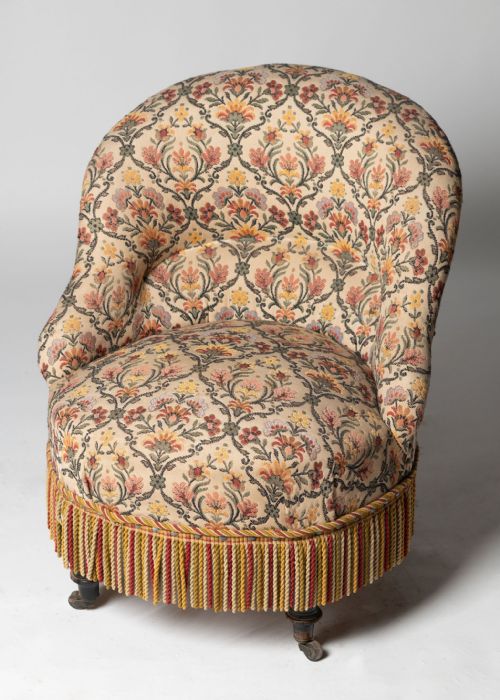
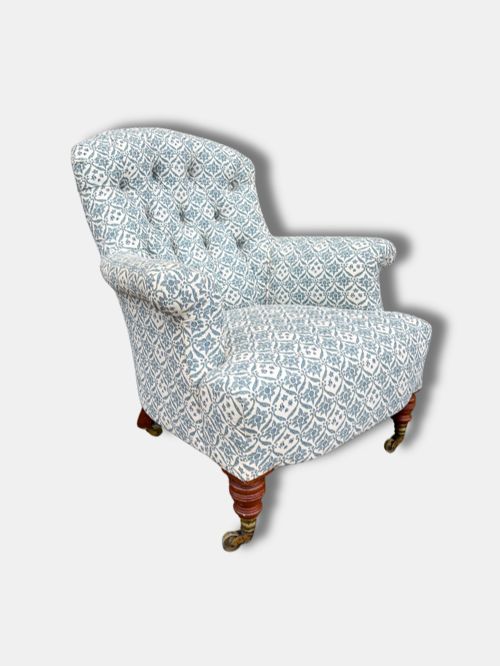
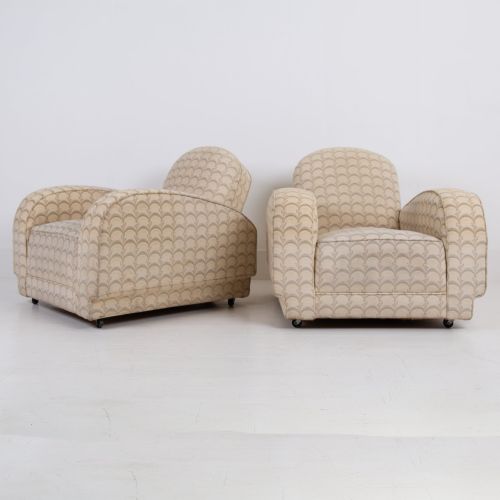
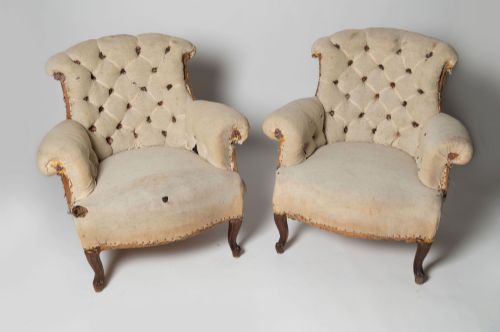
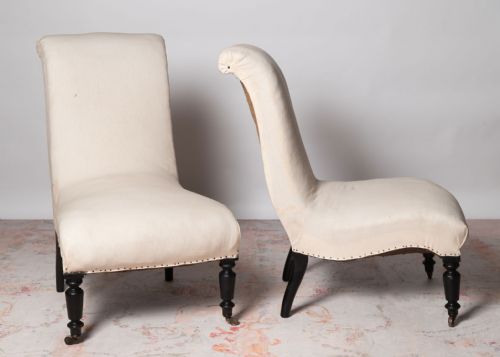
A vintage upholstery armchair serves as a comfortable seating choice rooted in historical periods like the Victorian, Edwardian, and Art Deco eras. When searching for a vintage upholstery armchair, buyers encounter diverse forms ranging from button-back lounging seats to nursing chairs, slipper chairs, and low club chairs.
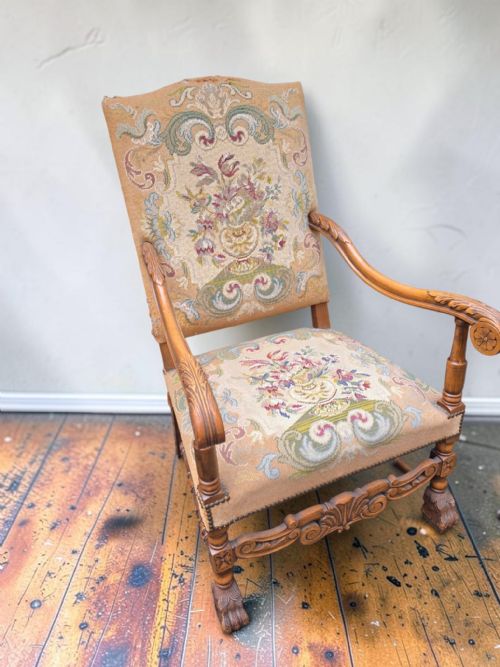
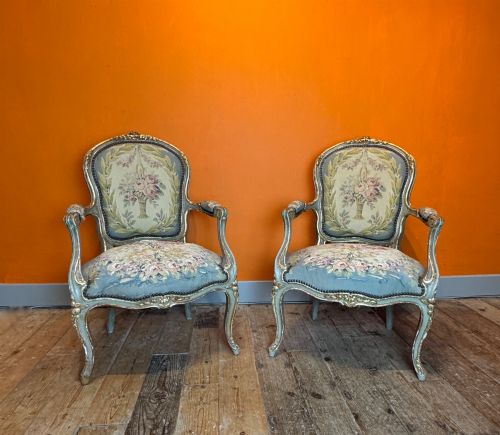
Many examples originate from French workshops or English country houses, displaying stylistic traits such as scroll backs, carved walnut frames, and high backs. These chairs often arrive ready for placement or awaiting bespoke fabric selection.
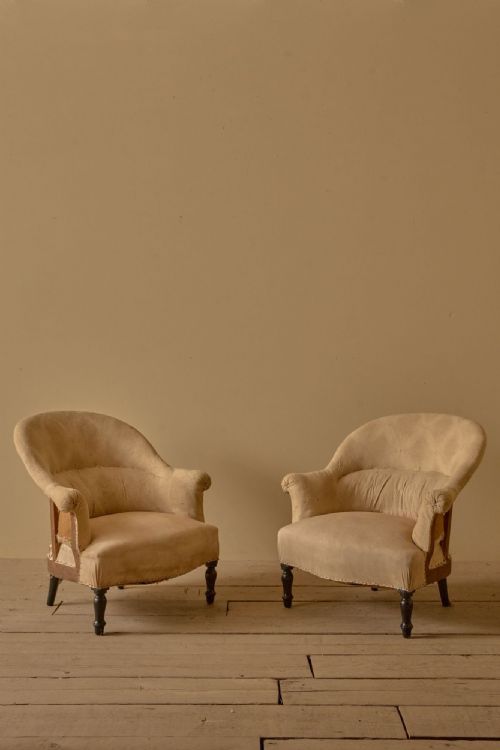
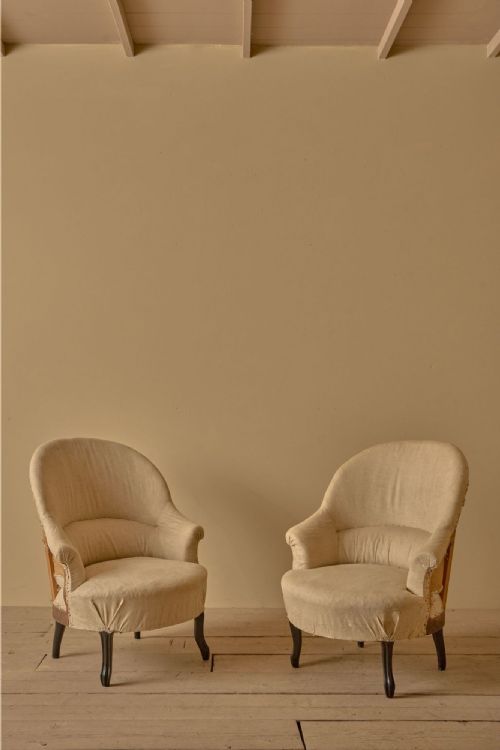
The selection frequently includes pairs of tub chairs or larger library armchairs designed for substantial living spaces and quiet reading corners.
Materials and construction methods
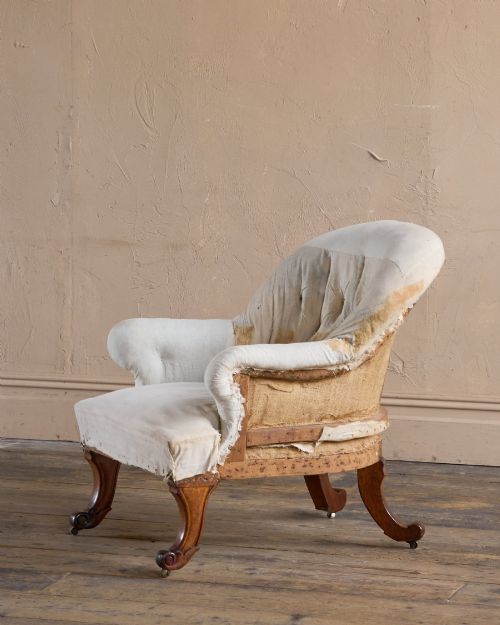
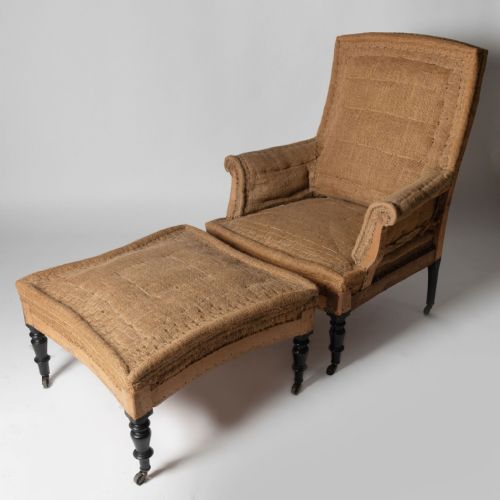
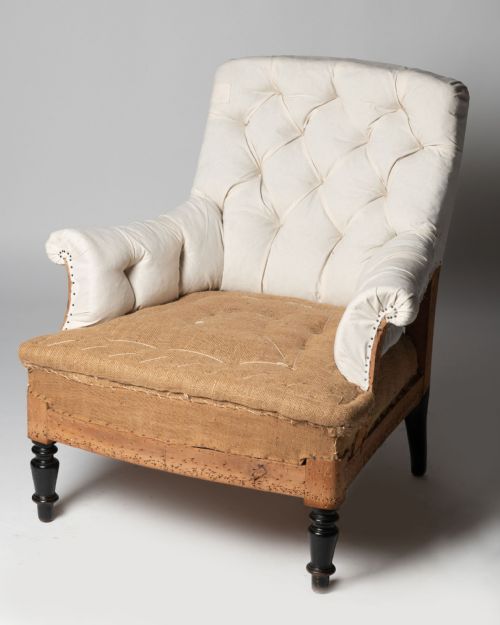
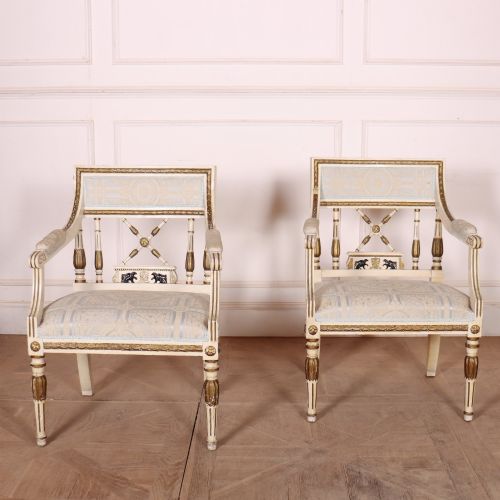
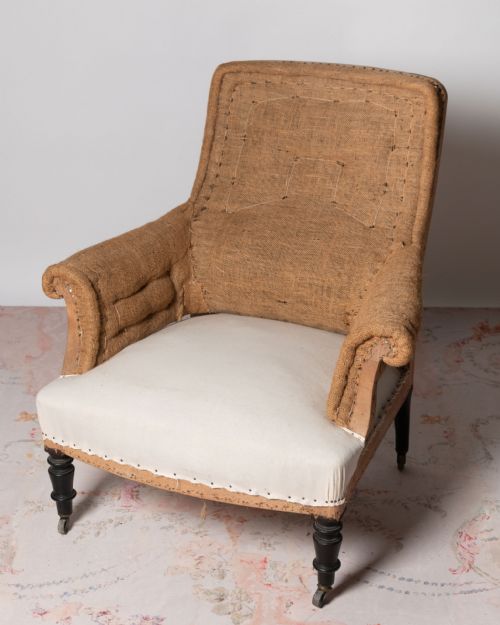
Makers built the structural frames of these armchairs from sturdy timbers such as mahogany, walnut, and solid wood, frequently applying paint, parcel gilt, or intricate carved details. Beneath the outer textile layers, traditional construction relied upon internal support components like hessian, calico, and brass tacks.
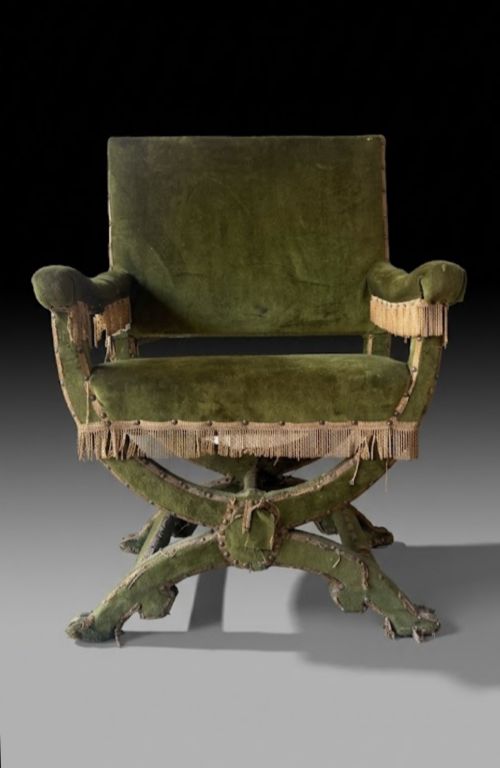
Upholstery finishes varied widely depending on the period, incorporating heavy woven tapestry, plush velvet, needlework, leather, or plain fabric. Exposed woodwork often featured turned elements like barley twist framing or polished walnut grains.
Vintage Upholstery Armchair Retail Price Guide 2026
Typical asking prices for vintage upholstery armchair among the pieces listed under this phrase on Sellingantiques today, from the lower quarter to the upper quarter. They describe what is for sale here now, not the wider market.
Listings span from the 18th century through the Victorian and Edwardian periods into the 1930s, featuring walnut, mahogany, velvet, and tapestry.
What separates the finest examples
Quality rests in the integrity of the wooden frame, the precision of carved ornamentation, and the balance of the proportions. Chairs produced by notable makers display superior joinery, refined arm contours, and substantial weight in woods like walnut or mahogany.
The character of the textile covering, whether historic needlework, patterned tapestry, or fresh velvet, contributes significantly to the visual weight and textural appeal of the seating.
Howard & Sons·Hamptons and Sons·Heals·Woodstock
The Vintage Upholstery Armchair Glossary
- Fauteuil
- An open-framed armchair originating in France, characterised by upholstered armrests and exposed wooden framing. These pieces typically display carved details and refined proportions.
- Tub chair
- A curved seating form where the back and arms merge into a continuous rounded enclosure. This design provides an enveloping shape suited to smaller sitting spaces.
- Nursing chair
- A low-seated Victorian chair designed originally for nursery use, allowing mothers to tend infants comfortably near a hearth. They often feature buttoned backs and turned wooden legs.
- Needlework
- A hand-stitched textile finish utilising wool or silk threads on a canvas foundation. It frequently decorates the seats and backs of 18th and 19th-century chairs.
- Hessian
- A woven coarse fabric, typically made from jute fibres, utilised historically beneath outer upholstery materials as an internal foundational layer.
Vintage Upholstery Armchair: Frequently Asked Questions
How do I choose between Victorian and Edwardian armchairs?
Victorian armchairs tend to feature heavier proportions, dark walnut or mahogany frames, and deep buttoning designed for formal drawing rooms. Edwardian examples often embrace lighter inlays, softer cushioning, and more relaxed country house aesthetics.
Examining the frame construction and upholstery style helps clarify the distinct decades of manufacture.
What is a chair for upholstery?
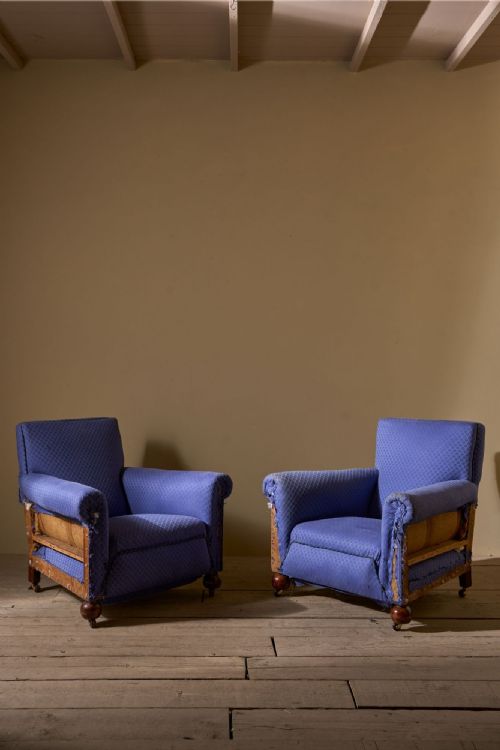
A chair designated for upholstery arrives with its internal webbing, hessian, and springs exposed or stripped back. This allows the buyer to select a custom fabric that matches their interior colour scheme.
Restorers then rebuild the padding and apply the new textile finish by hand.
Where should I place a French armchair?
French armchairs suit drawing rooms, bedrooms, or reading nooks where their carved wooden frames and decorative tapestry or velvet can be appreciated. Pairs of tub chairs work well arranged opposite a fireplace or sofa.
Their decorative painted or gilded finishes add elegance to neutral modern interiors.
How do I care for antique velvet upholstery?
Velvet surfaces benefit from gentle brushing with the grain to prevent pile crushing and maintain the lustre of the fabric. Regular light vacuuming with a soft attachment removes dust from deep within the fibres.
Avoiding direct sunlight preserves the rich colour tones over time.