


Vintage Upholstered Seating
Vintage upholstered seating brings together decades of seating design, offering chairs and sofas built from solid timber and soft textiles.
Vintage Upholstered Seating
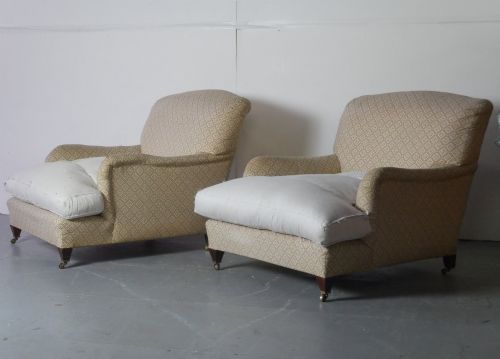
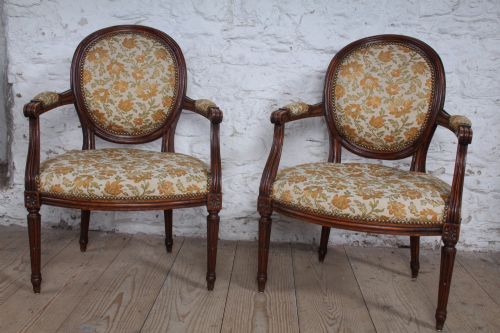
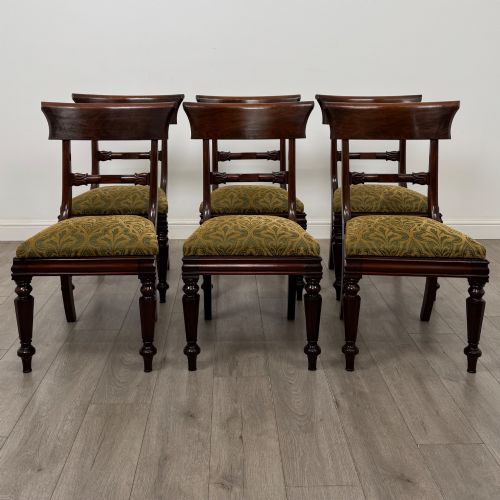
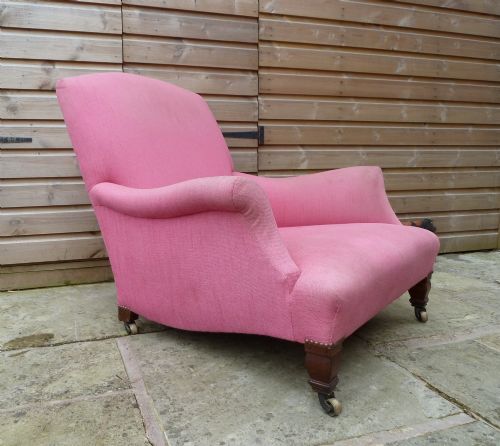
Vintage upholstered seating spans dining chairs, armchairs, sofas, and stools from the eighteenth century through to the art deco period. Buyers encounter everything from formal nineteenth-century mahogany dining sets to deep-seated early twentieth-century lounge chairs.
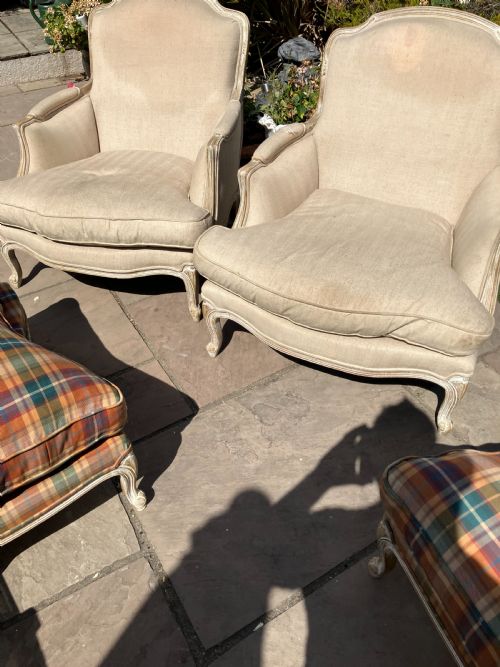
The selection includes specific regional and stylistic variations, such as Scottish school fireside chairs, French bergere tub armchairs, and Edwardian settees. Mahogany, walnut, and oak dominate the wooden frames supporting these textile-covered pieces.
Materials and construction
Frames rely on hardwoods like mahogany, walnut, oak, and rosewood, joined with traditional cabinet-making methods to ensure structural stability over centuries. Decorative elements often include brass inlay, carved walnut details, and painted or parcel gilt finishes.
Upholstery ranges from original fabric, leather, and tapestry to calico linen and needlework seats. Interior support uses traditional stuffing and springing methods appropriate to each period, from Georgian styles up to art deco designs.
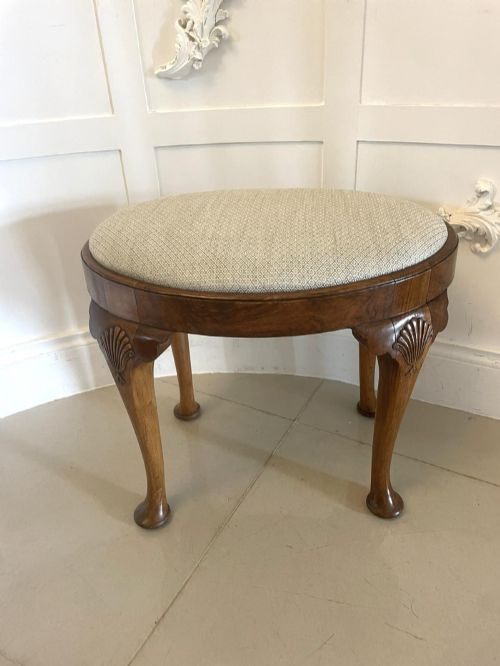
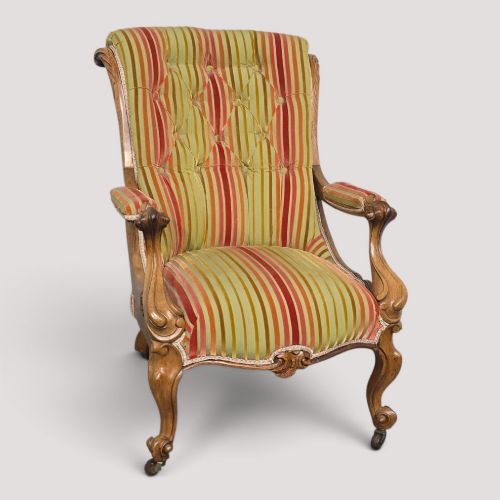
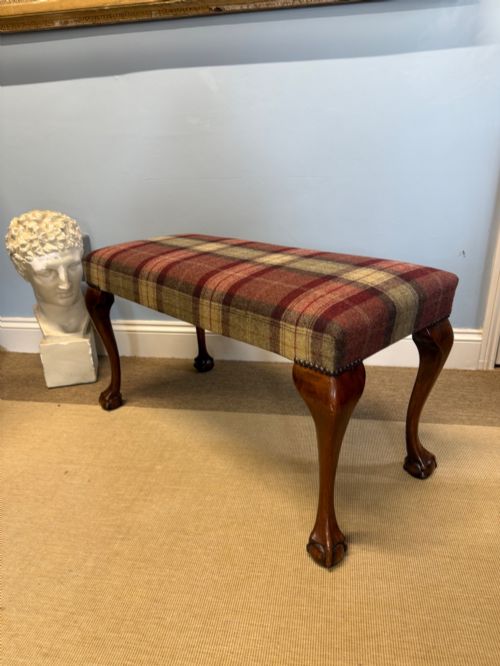
Seating forms on this page include dining chairs, footstools, ottomans, library armchairs, bergere chairs, and Chesterfield sofas.
Assessing craftsmanship
The division between standard pieces and finer examples rests on the crispness of the timber carving and the integrity of the frame construction. Superior items retain their original surface treatments, whether polished mahogany, painted finishes, or split cane panels.
Proportion and execution define the better examples, such as matched dining sets and balanced armchair frames. The harmony between the underlying woodwork and the chosen textile covering dictates the overall success of the piece.
Maple and Co·Howard and Sons
The Vintage Upholstered Seating Glossary
- Bergere
- An enclosed upholstered armchair with wooden framing, often featuring cane panels to the sides and back. These chairs became popular in French-influenced eighteenth-century designs and later revivals.
- Chesterfield
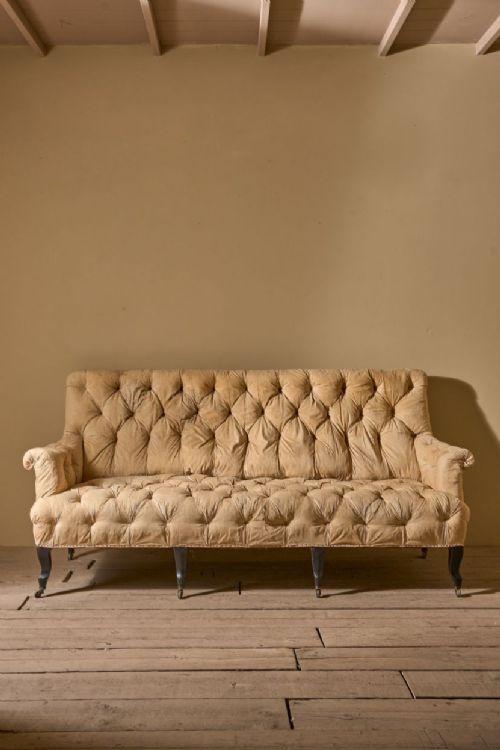
- A large sofa characterised by equal height for the back and arms, traditionally featuring deep button tufting and rolled upholstery. Victorian examples often utilise generous proportions and calico or leather coverings.
- Shield back
- A chair back design shaped in the form of an open shield, frequently carved with neoclassical motifs. This form appears commonly in eighteenth and nineteenth-century dining chairs.
- Balloon back
- A rounded, oval-shaped chair back resembling a balloon, characteristic of Victorian seating. Cabinet makers carved these from mahogany or walnut to create flowing, organic outlines.
- Settee
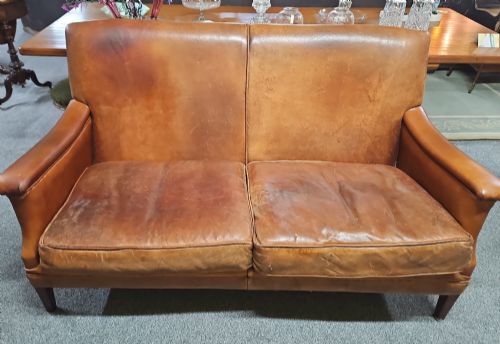
- A long upholstered seat with a back and arms, designed to accommodate multiple people. These pieces range from elegant Edwardian inlaid frames to deep-seated country house sofas.
Vintage Upholstered Seating: Frequently Asked Questions
How do I date an armchair?
Dating relies on observing the combination of timber, frame profile, and upholstery technique. Stylistic clues such as cabriole legs or Edwardian inlay provide a baseline for the period.
Construction methods within the frame offer further confirmation. Hand-cut joints and original finishing materials align the piece with its historical era.
Are dining chairs sold as sets?
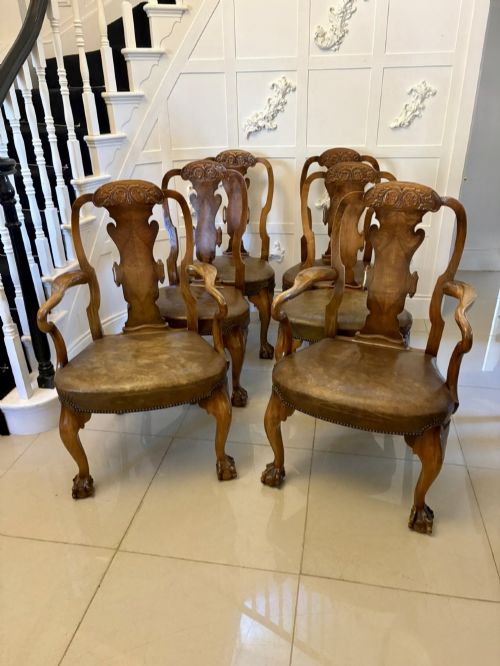
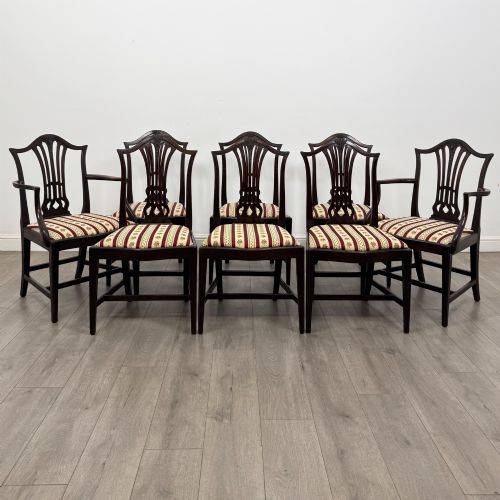
Dining chairs frequently appear in matched sets ranging from four to ten pieces. These groups often include carver armchairs intended for the heads of the table.
Individual chairs also exist for use as desk or bedroom seating. Sets maintain consistent timber and stylistic details across all items.
What woods were used for frames?
Mahogany and walnut form the primary structure for formal eighteenth and nineteenth-century seating. Oak appears frequently in earlier styles and revival pieces.
Alternative timbers include rosewood, satin birch, and maple. These woods were chosen for their grain patterns and suitability for carving.
How do I care for antique leather?
Antique leather requires gentle cleaning and regular conditioning to prevent drying and cracking. Keeping pieces away from direct sunlight preserves the original tone and flexibility of the hide.
Avoid harsh chemical cleaners that strip the historical patina. Natural waxes applied sparingly help maintain the surface texture.