

Vintage Upholstered Dressing Stool
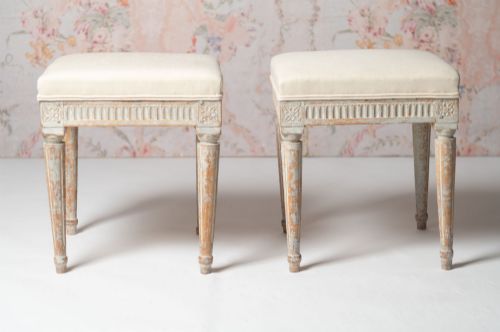
A vintage upholstered dressing stool provides a practical seat for a vanity table while bringing period timber and textile into a bedroom.
Vintage Upholstered Dressing Stool
A vintage upholstered dressing stool is a compact seat designed to sit beneath a vanity or dressing table, though many examples function equally well as piano stools or small footstools. When buyers search for a vintage upholstered dressing stool, they encounter a range of forms spanning from nineteenth-century revival pieces to twentieth-century Art Deco designs.
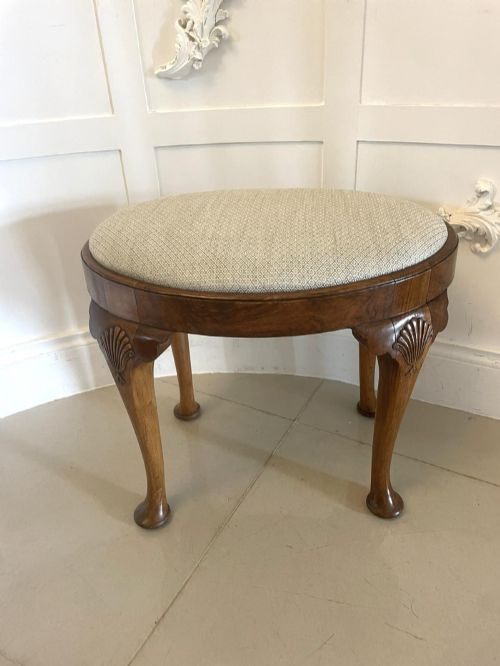
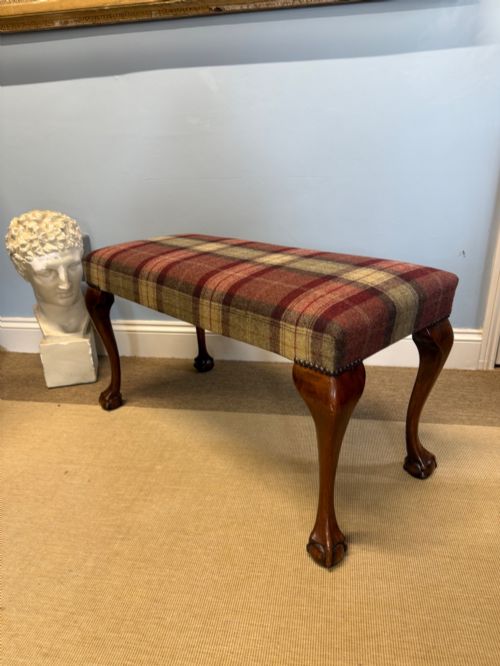
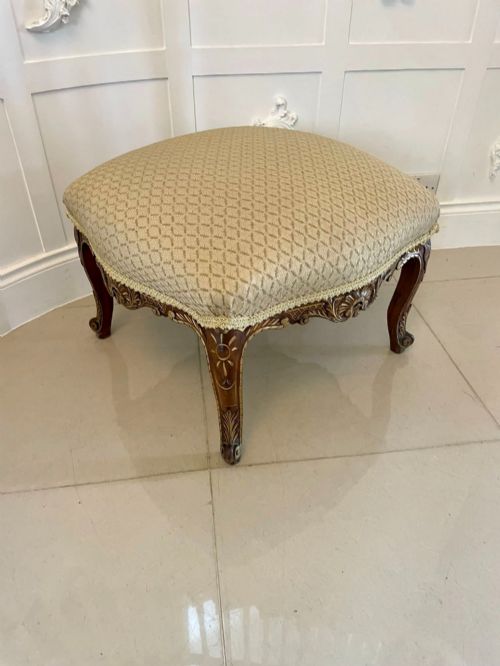
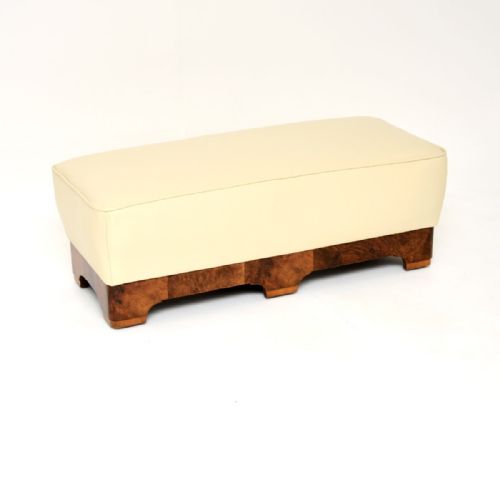
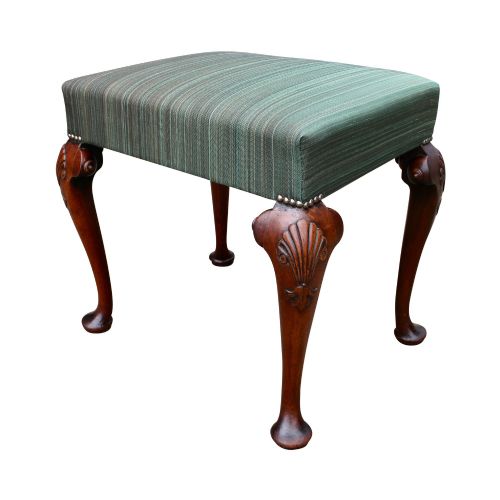
The selection on this page demonstrates that walnut and mahogany are the predominant timbers, shaped into styles that reference Queen Anne, Chippendale, and Victorian aesthetics. Stools from the nineteen-thirties often present simpler geometric lines, sometimes incorporating burl veneers or leather upholstery alongside traditional textile covers.
Materials and construction
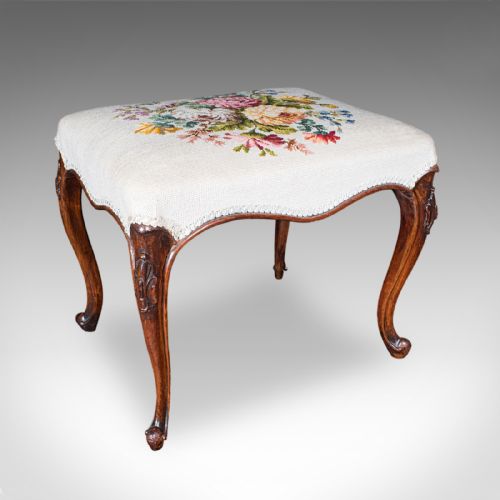
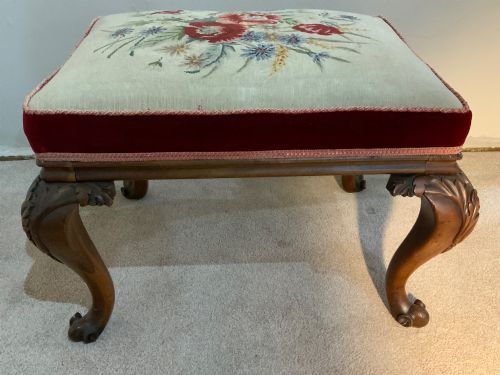
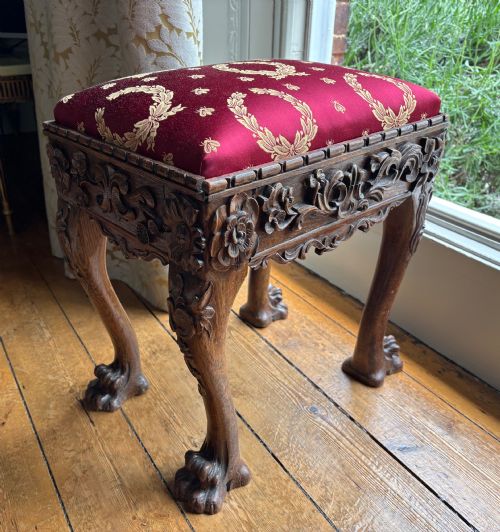
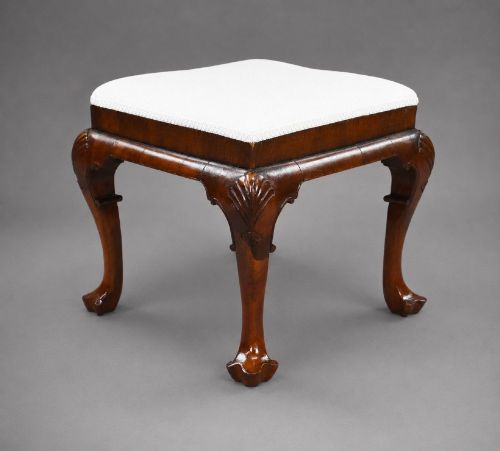
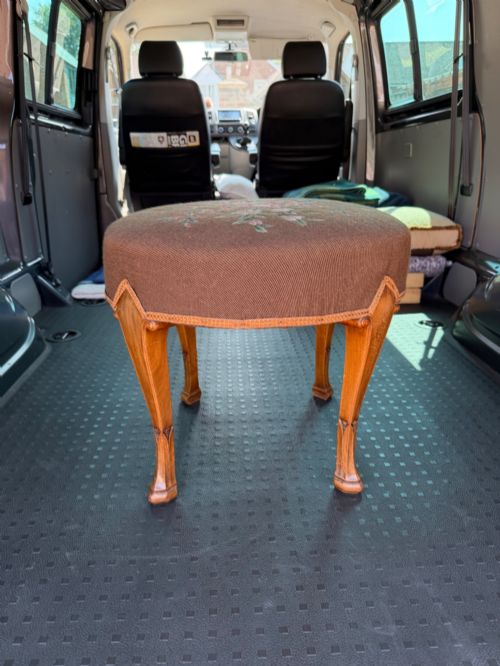
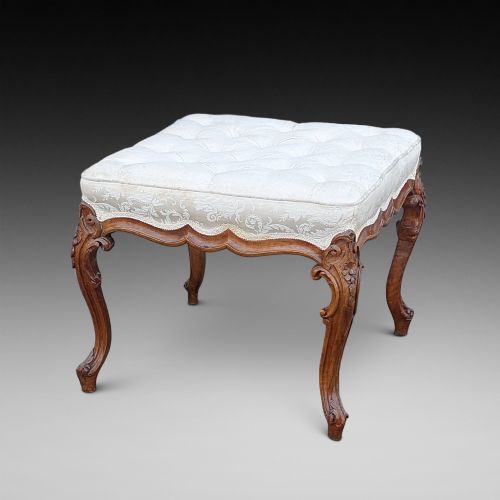
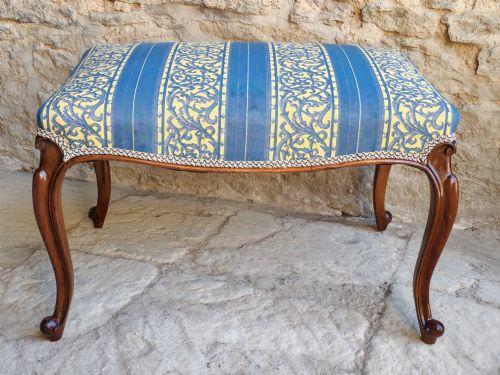
These stools rely on solid hardwoods such as walnut, mahogany, oak, and beech for their frames, often shaped with cabriole legs, cross stretchers, or spiral carvings. Timber frames are joined using traditional methods and finished with carved details or gilt highlights.
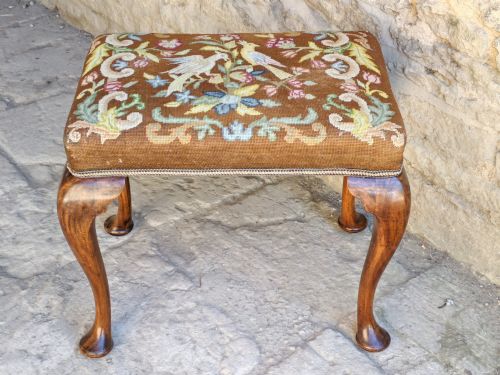
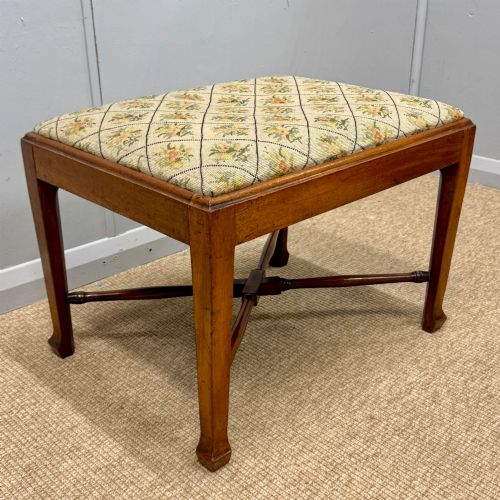
Upholstery involves textiles like velvet, wool, needlepoint, and leather fixed over padding. Many pieces retain period needlework or have been fitted with fresh fabric covers to suit modern interiors.
Some Art Deco dressing stools cleverly double as secret storage drums for keeping vanity clutter out of sight.
What distinguishes finer examples
Quality in a dressing stool rests upon the crispness of the timber carving and the architectural balance of the frame. Pieces with substantial walnut or mahogany timbers, well-proportioned cabriole legs, and intricate hand-carved details stand apart from simpler utilitarian seating.
The integrity of the frame construction and the choice of upholstery materials also dictate the standing of a piece. Finer examples combine robust joinery with sympathetic fabric selection that respects the period of the wooden structure.
Harry and Lou Epstein
The Vintage Upholstered Dressing Stool Glossary
- Cabriole leg
- A furniture leg that curves outward at the knee and tapers inward toward the foot, inspired by the shape of animal limbs. This form is frequently seen on eighteenth-century revival and Victorian stools.
- Cross stretcher
- An X-shaped timber brace connecting the legs of a stool to provide structural stability and visual detail. They appear on various nineteenth and twentieth-century designs.
- Needlepoint
- A form of canvas work embroidery traditionally used for durable upholstery covers. Antique needlepoint tops often feature floral or geometric motifs.
- Giltwood
- Wood that has been coated with a thin layer of gold leaf or gilt paint. This technique is typical on French style and revival seating.
Vintage Upholstered Dressing Stool: Frequently Asked Questions
What is a dressing stool used for?
A dressing stool serves as a low seat placed in front of a dressing table or vanity for grooming routines. They are compact enough to tuck completely beneath the furniture surface when not in use.
Beyond the bedroom, these small seats often double as piano benches or auxiliary seating in living spaces and hallways.
How do I date an antique stool?
Dating relies on examining the timber species, joinery techniques, and stylistic revival influences present in the frame. Victorian and Edwardian pieces often display heavier carved walnut or mahogany, while nineteen-thirties examples favour streamlined burr veneers and leather.
Matching the upholstery style and padding methods to documented historical periods provides further clues, though many pieces receive updated fabric covers over time.
Can I use these stools with modern furniture?
The compact proportions of these stools allow them to pair easily with contemporary dressing tables and writing desks. Their varied wood tones and textile finishes help them integrate into modern or mixed-period interior schemes.
Choosing a piece with neutral leather or simple fabric ensures the stool complements existing contemporary furniture without clashing.
Are these stools comfortable for daily use?
Most dressing stools provide comfortable support for short periods spent at a vanity or piano. The presence of upholstered padding and supportive frames makes them practical for everyday routines.
Some antique examples may feature firmer traditional stuffing compared to modern seating, reflecting the upholstery standards of their original period.