
Vintage Turned Candlesticks
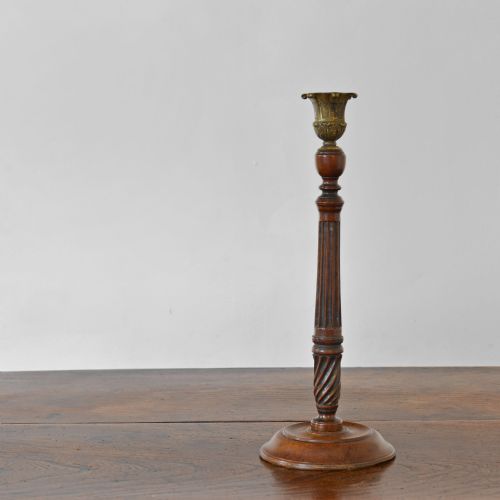
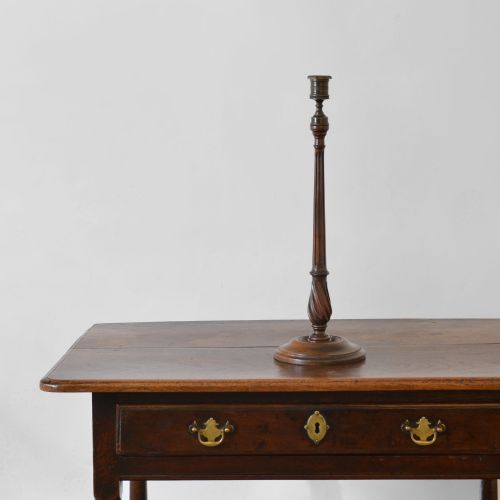
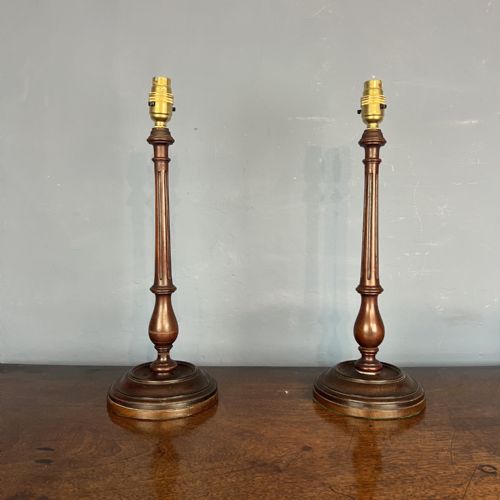
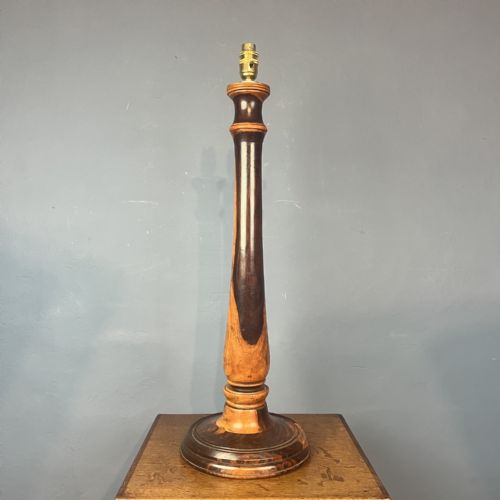
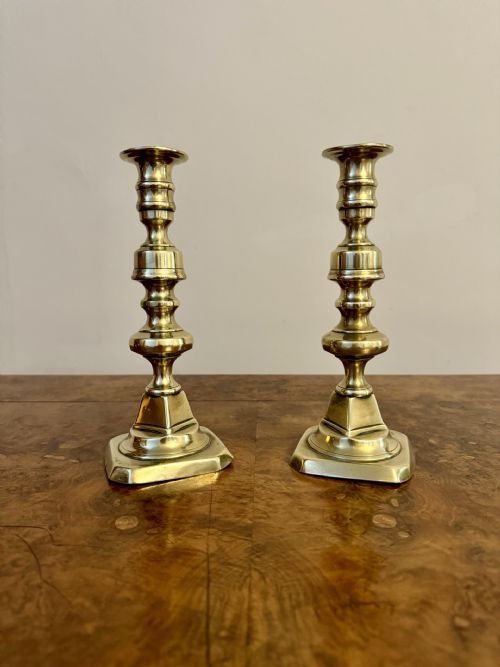
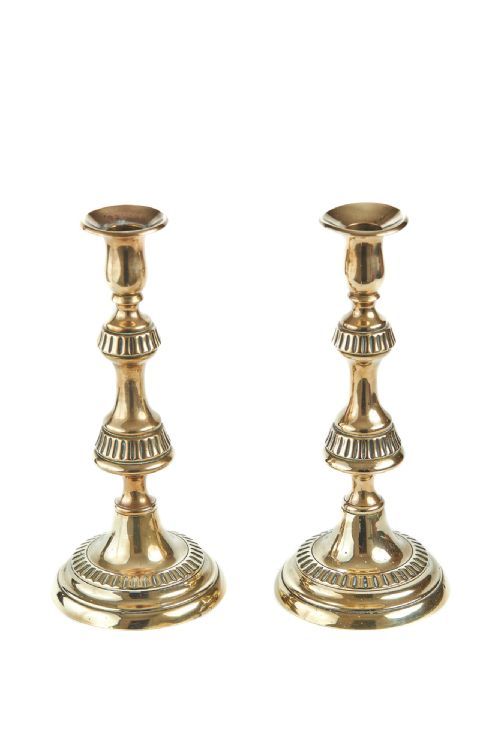
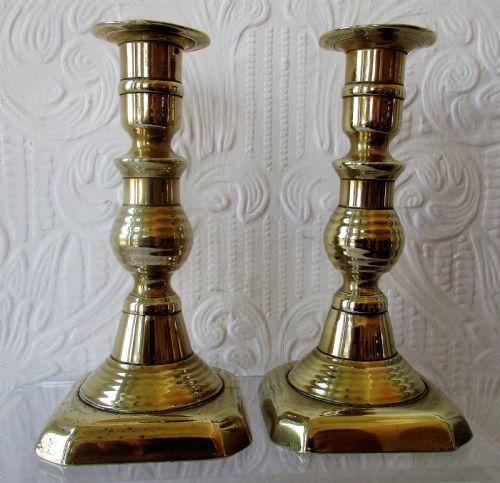
These vintage turned candlesticks bring warmth to a room through their crafted wooden and polished brass forms.
Vintage Turned Candlesticks
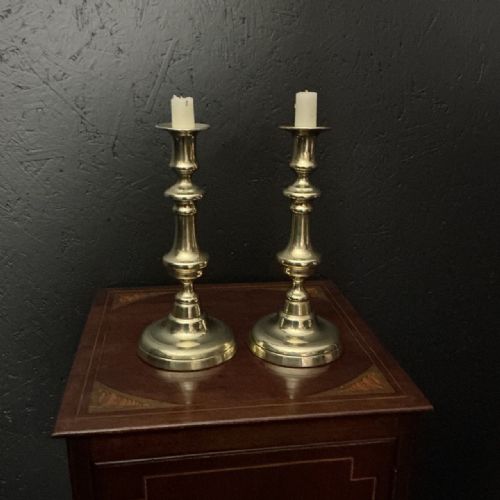
Vintage turned candlesticks encompass upright holders shaped on a lathe, ranging from Georgian mahogany examples to Victorian and Edwardian brass specimens. Buyers encounter these pieces primarily as pairs of table candlesticks or converted lamp bases.
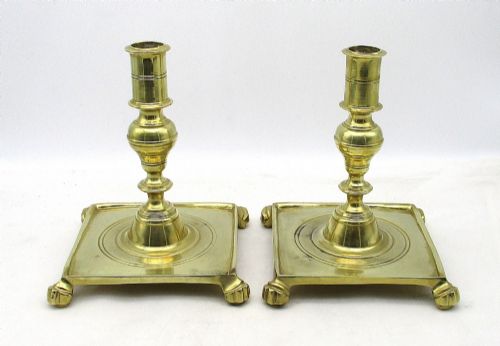
The selection includes specimens spanning the nineteenth and early twentieth centuries, alongside items executed in revivalist modes like the seventeenth-century style. Treen pieces in walnut and lignum vitae sit alongside the more common metal and timber variants.
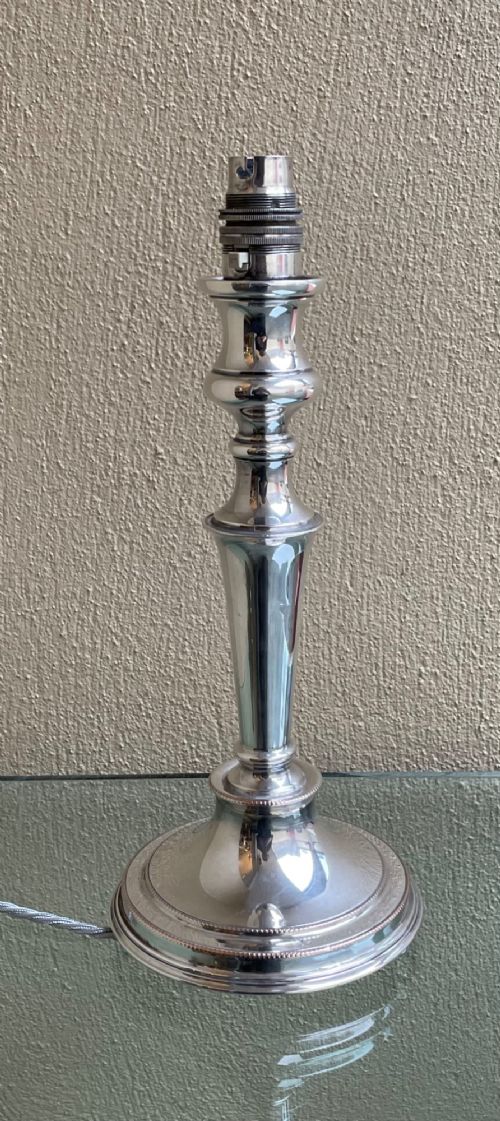
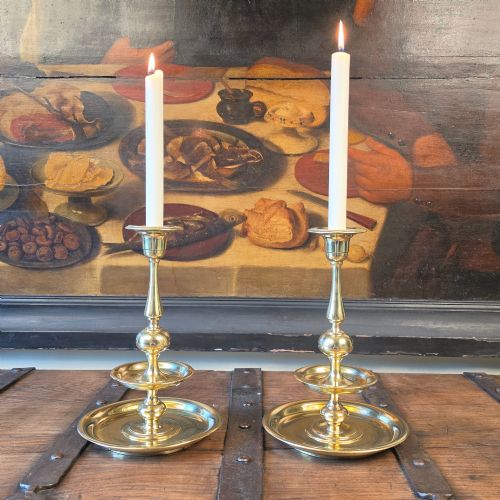
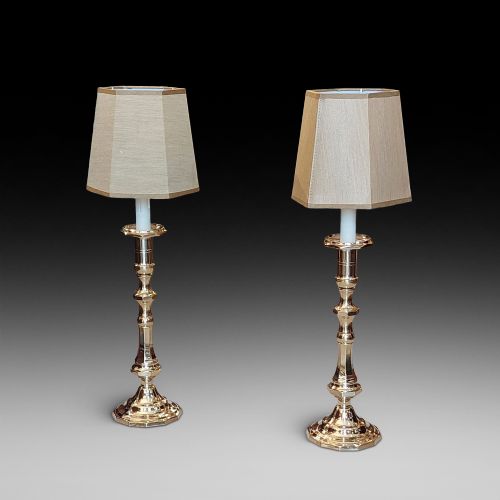
Forms stretch from tall Georgian mahogany standards to compact chamber sticks and elaborate candelabra. Many of these items have undergone adaptation into electric table lamps while retaining their original turned silhouettes.
How they were made
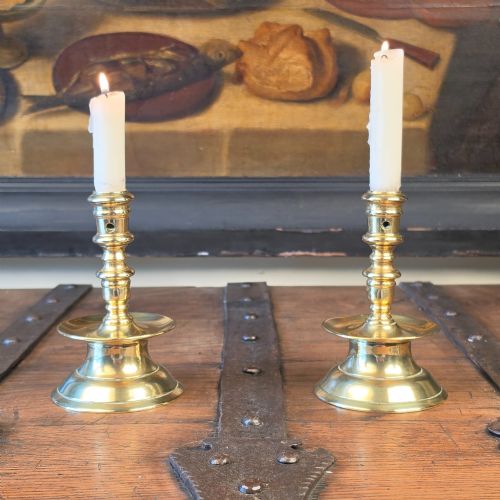
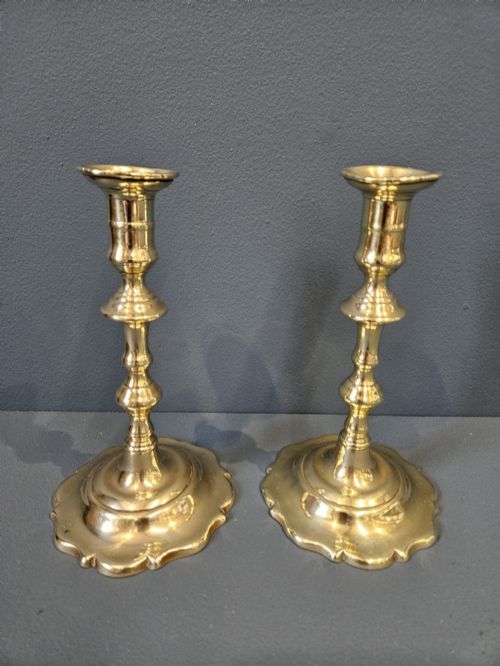
Makers shaped the timber components on a lathe, utilising dense woods such as mahogany, walnut, oak, and lignum vitae to achieve precise profiles. Brass versions relied on casting and turning methods, often joining heavy petal bases to slender stems.
Treen items combined turned wood with applied brass elements, while plated items layered silver over base metals. Joinery on timber shafts relied on secure turned tenons and fitted bases to ensure stability.
Listings feature turned candlesticks in both brass and timber, spanning the Georgian, Victorian, and Edwardian eras.
What varies in quality
The distinction between ordinary and superior pieces rests upon the crispness of the turning and the weight of the metal used. Heavy brass castings and dense, well-figured timbers command greater respect than lightweight alternatives.
Proportion and balance dictate the visual success of a pair, where slender stems must harmonize with substantial supporting bases. The survival of original surfaces, whether polished mahogany or patinated brass, elevates the standing of an item.
Frederick J Smith And Co·Abel Landry
The Vintage Turned Candlesticks Glossary
- Turned
- Shaped by rotation against a cutting tool on a lathe. This process creates the symmetrical columns and rings characteristic of these holders.
- Treen
- Small domestic wooden objects made by turning or carving. These items display the natural grain of walnut, oak, or lignum vitae.
- Pricket
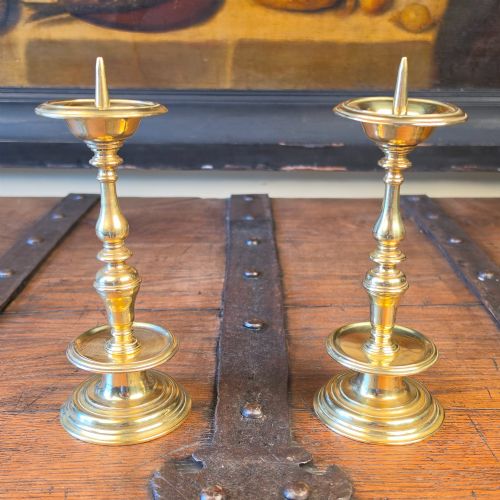
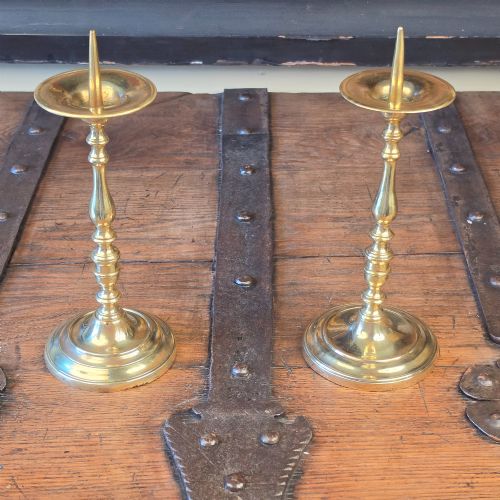
- A sharp metal spike upon which a candle is impaled. This form appears frequently in revivalist ecclesiastical designs.
- Ejector
- A concealed internal mechanism that pushes the candle remnant up and out of the socket. This device is commonly found in nineteenth-century brass examples.
- Chamber stick
- A low candlestick fitted with a wide drip pan and a handle. These pieces were designed to be carried through a house at night.
Vintage Turned Candlesticks: Frequently Asked Questions
How do I date brass candlesticks?
Dating relies on observing base construction, casting seams, and the presence of ejector mechanisms. Earlier examples often feature heavy square or petal bases, whereas later Victorian versions display more ornate, machine-turned detailing.
Changes in metal composition and manufacturing techniques across the nineteenth century also help narrow down the period of production.
Are these turned candlesticks safe for modern candles?
Most antique sockets accommodate standard modern dinner candles, though slight variations in sizing do occur. Users should check the diameter of the cup before placing a taper inside.
Securing candles with a small ring of beeswax ensures they stand straight without wobbling during use.
Can I convert wooden candlesticks into lamps?
Conversion is a common practice, and many surviving pieces already function as table lamps with fitted wiring. Preserving the original turned timber shaft without causing permanent structural damage remains an important consideration for collectors.
Working with a professional electrician ensures the internal cord passes safely through the centre without compromising the wood.
What is lignum vitae?
Lignum vitae is an exceptionally dense, heavy wood harvested from trees in the Americas, known for its deep colour and oily grain. It was frequently utilised for turned items requiring durability and weight.
Objects made from this material often exhibit a dark, polished finish that resists wear over generations.