

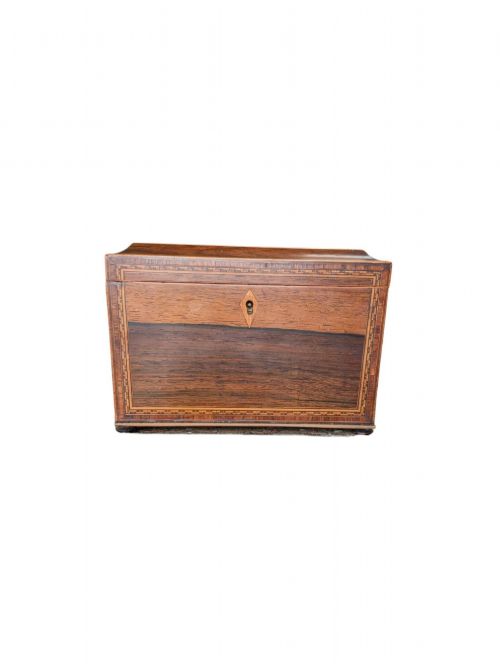


Vintage Tunbridge Ware
Vintage tunbridge ware brings together intricate timber mosaic designs and practical household items from the nineteenth century.
Vintage Tunbridge Ware
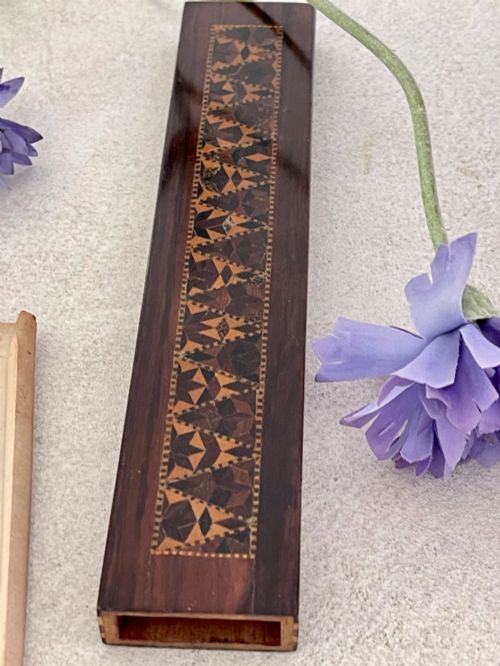
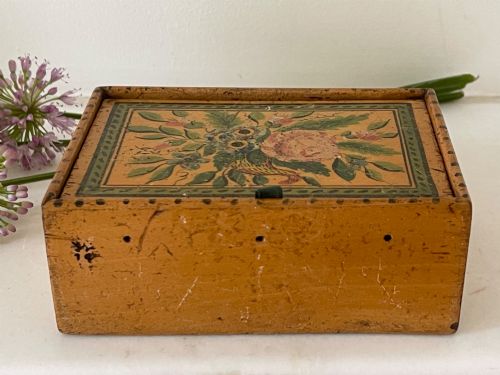
When you search for vintage tunbridge ware, you encounter small decorative timber containers and accessories dating primarily from the Victorian and Regency periods. The selection includes tea caddies, sewing boxes, trinket boxes, and snuff boxes constructed with great care.
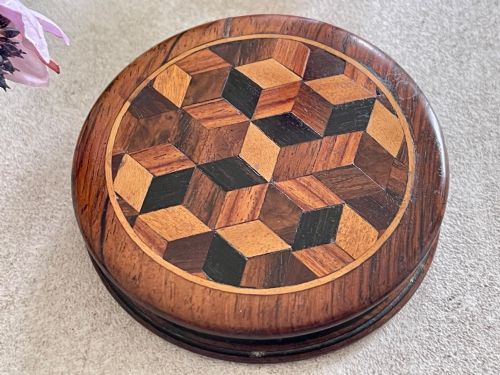
The version most commonly met on this page is the nineteenth century wooden box featuring detailed mosaic inlay work. These pieces span Georgian examples through to items made around eighteen ninety, often fashioned from rosewood or walnut.
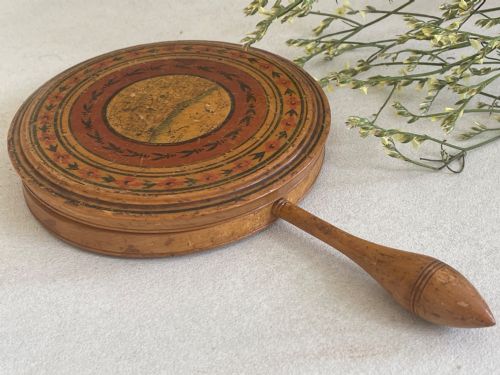
These items served domestic functions in nineteenth century households while displaying remarkable micro-mosaic woodwork. Collectors find everything from travelling mirrors to silk skein holders among the available objects.
How they were made
The makers utilised solid woods like rosewood, walnut, and boxwood as the structural foundation for these boxes and caddies. Wood inlay and mosaic techniques formed the decorative surface, requiring immense patience and precision.
Varnish and paint finishes were applied to protect the intricate wooden surfaces and enhance the natural colours of the timber. Brass hardware frequently secured the lids and provided functional latches for these small receptacles.
Vintage Tunbridge Ware Retail Price Guide 2026
Typical asking prices for vintage tunbridge ware among the pieces listed under this phrase on Sellingantiques today, from the lower quarter to the upper quarter. They describe what is for sale here now, not the wider market.
The listings span the Georgian, Regency, and Victorian periods, utilising materials such as rosewood, walnut, boxwood, and brass.
What varies in quality
The intricacy and precision of the mosaic inlay separate the finer examples from simpler workshop output. Pieces featuring complex pictorial or geometric patterns demonstrate a higher level of artisan skill than basic striped banding.
The choice of primary timber also influences the standing of a piece, with richly grained rosewood and burr walnut commanding greater regard than plain woods. Furthermore, the survival of original linings, labels, and internal fittings preserves the integrity of the object.
The Vintage Tunbridge Ware Glossary
- Mosaic Inlaid
- A technique where tiny wooden blocks of various natural colours are assembled into pictorial or geometric motifs. This forms the characteristic surface decoration of tunbridge ware.
- Tea Caddy
- A box designed for storing dry tea leaves securely before they were brewed. These containers often featured internal compartments and locking lids.
- Rosewood
- A dense, heavily grained dark timber utilised for the body of many nineteenth century boxes. It provided a stable and attractive background for inlaid decoration.
- Silk Skein Holder
- A specialised accessory created to keep sewing threads organised and untangled. These small items reflect the domestic crafts of the period.
Vintage Tunbridge Ware: Frequently Asked Questions
What is vintage tunbridge ware?
Vintage tunbridge ware comprises wooden boxes and small decorative items adorned with microscopic mosaic woodwork. These objects were produced in the nineteenth century, spanning the Georgian and Victorian eras.
They are celebrated for their elaborate geometric and pictorial designs created entirely from natural woods of different colours.
How were these boxes used?
These boxes served practical purposes in period homes as containers for tea, sewing implements, snuff, or trinkets. They kept valuable or delicate household items secure and organised.
At the same time, their decorative exteriors allowed homeowners to display taste and refinement on tables and mantelpieces.
How do I date a piece?
Dating relies on observing the prevailing styles, timber choices, and construction methods associated with different nineteenth century reigns. Georgian and Regency items often display distinct classical proportions compared to later Victorian pieces.
Examining internal components, paper linings, and any surviving old labels can also offer clues regarding the decade of manufacture.
How do I care for wooden boxes?
These items require stable environmental conditions away from direct sunlight and excessive humidity to protect the delicate wood inlay. Gentle dusting with a dry cloth is generally sufficient for maintenance.
Avoid applying harsh chemical polishes or modern cleaning agents that might damage the historic varnish and the natural timber mosaic.