
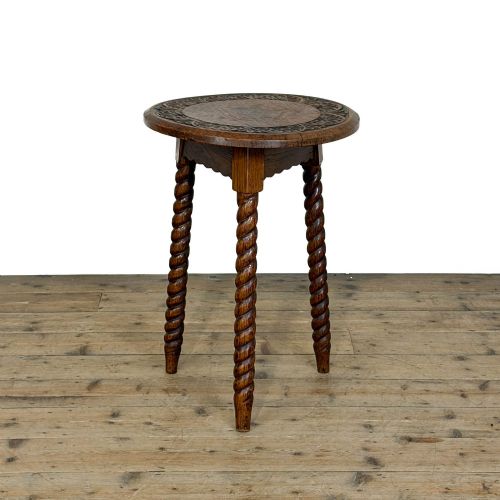
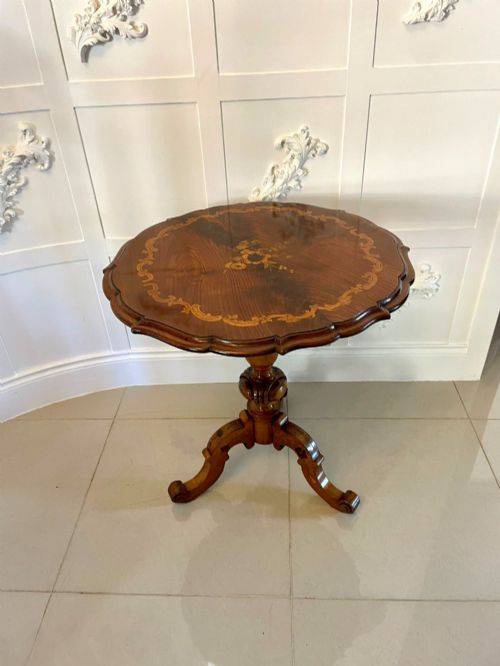
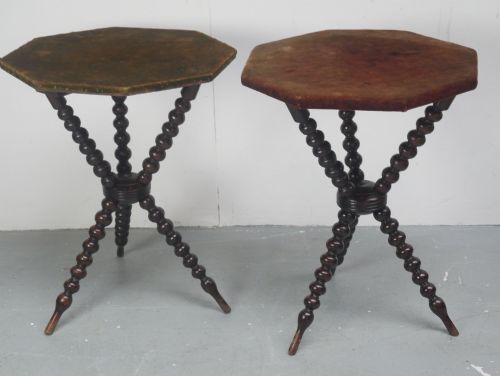
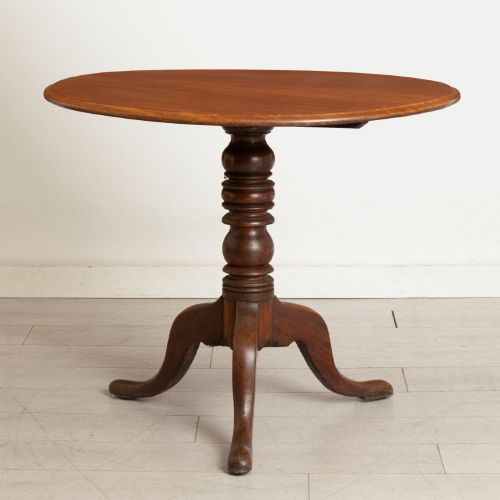
Vintage Tripod Wine Table
A vintage tripod wine table is a compact pedestal piece designed to hold a glass or lamp beside a chair, bringing traditional craft and convenience to any room.
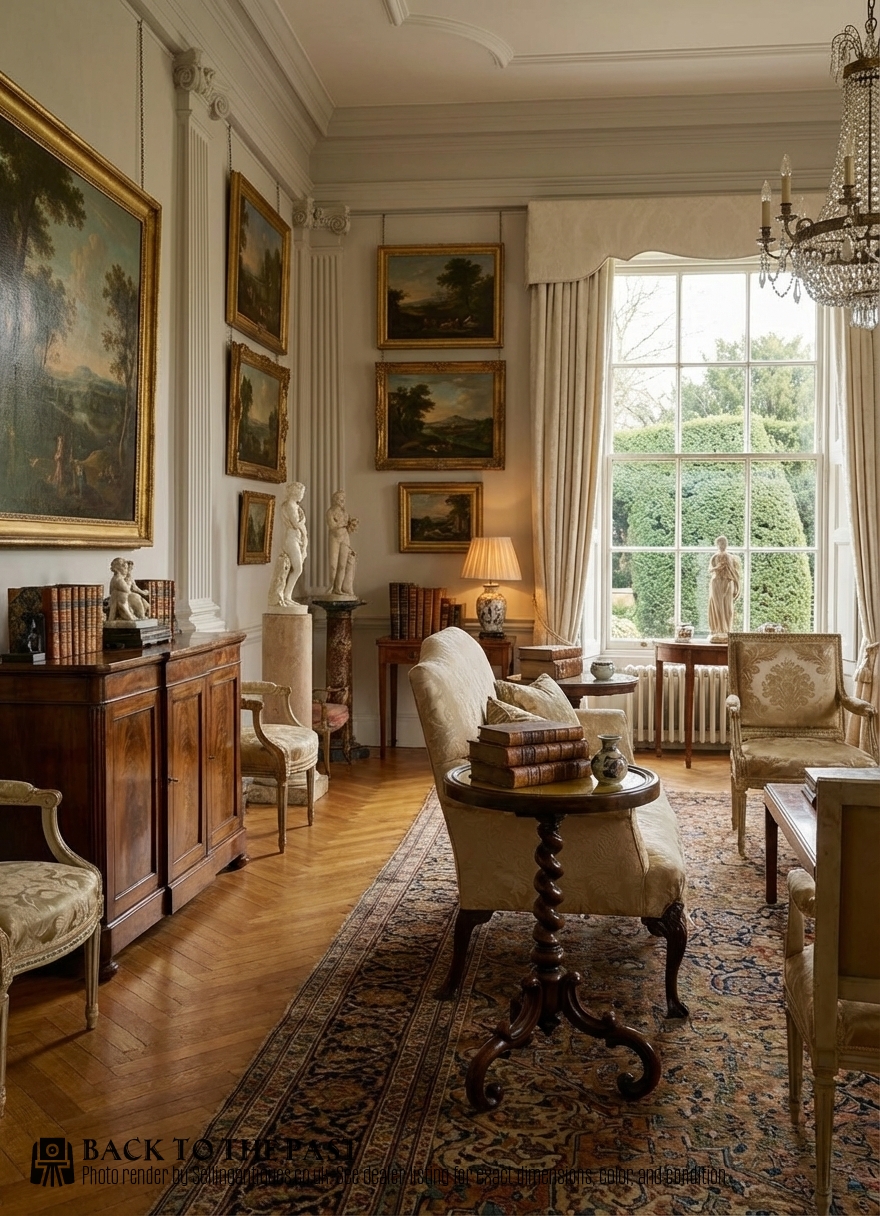
Vintage Tripod Wine Table
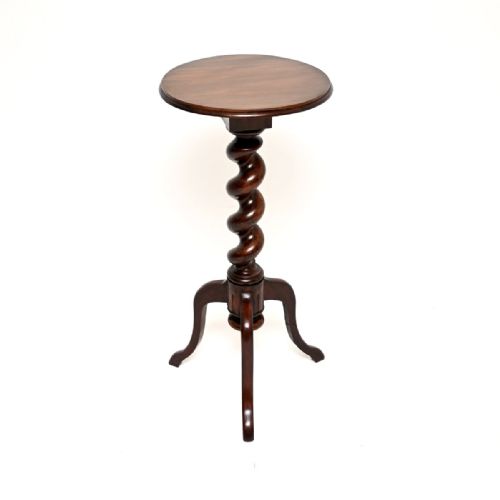
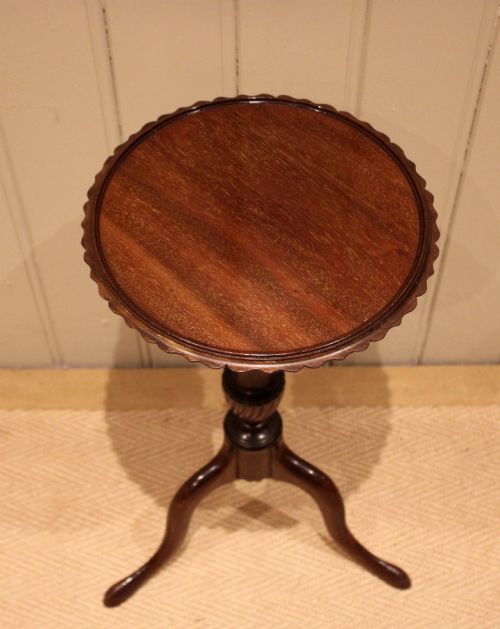
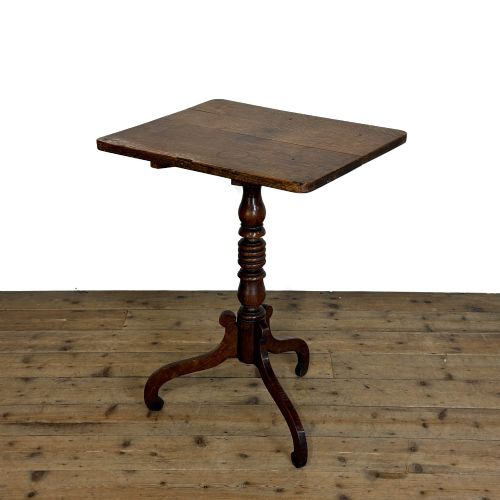
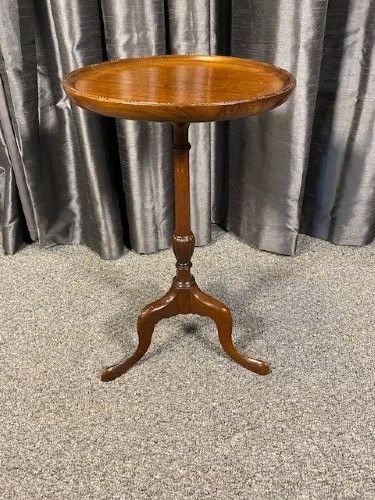
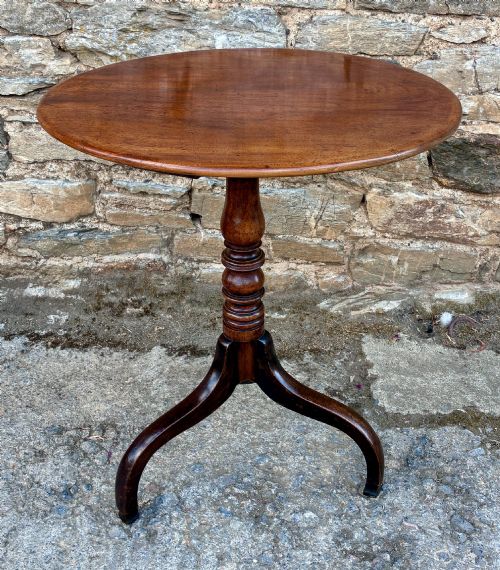
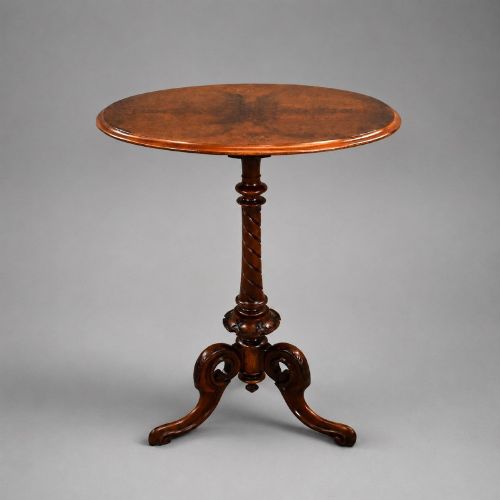
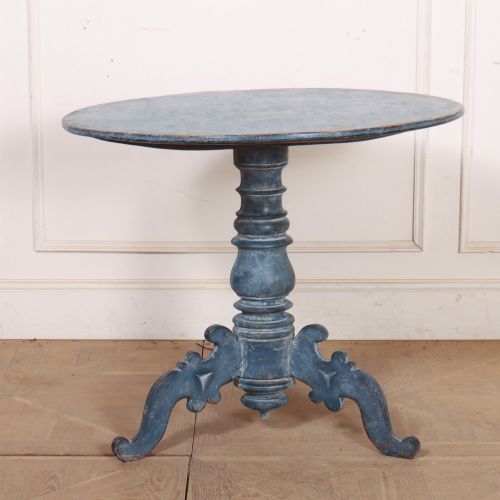
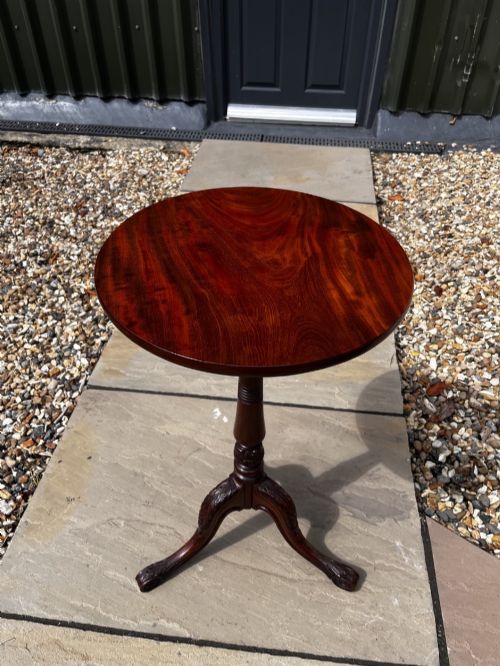
A vintage tripod wine table is a small, freestanding pedestal support designed originally for dining rooms and parlours to hold a single glass or small object. These tables balance upon three slender legs radiating from a central column, allowing them to tuck neatly beside seating.
The versions most commonly found here stem from the Georgian, Victorian, and Edwardian eras, alongside early twentieth-century revivals. They appear most frequently in mahogany, though examples in oak, walnut, and painted finishes frequently surface.
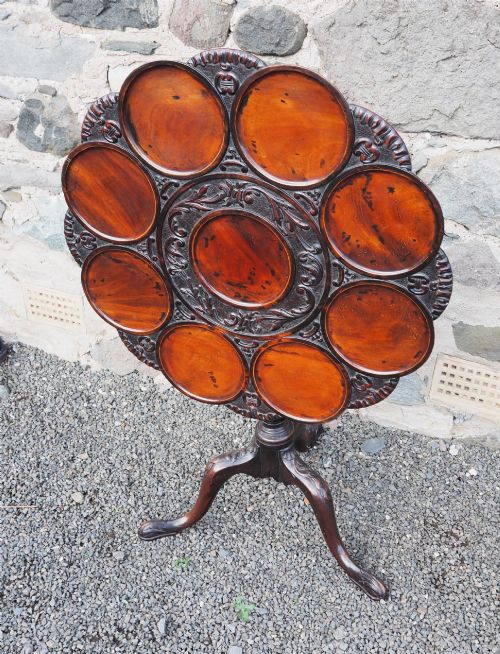
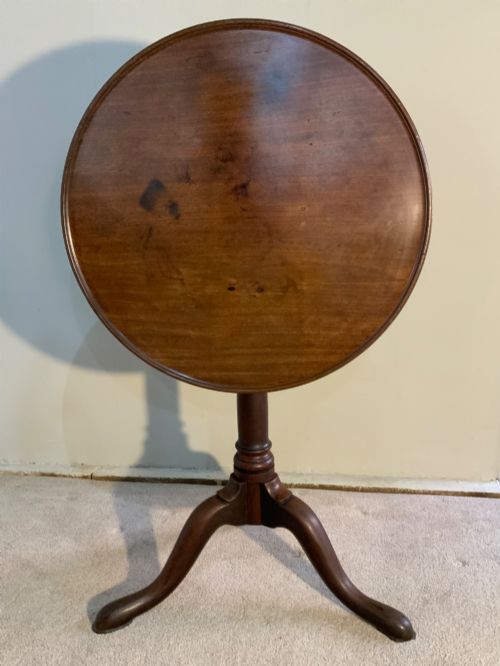
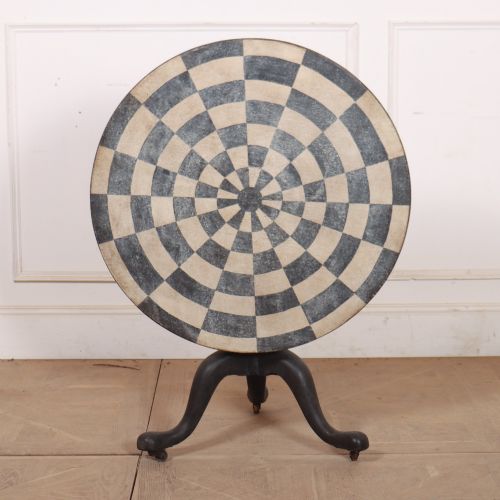
Makers often fashioned these items with tilt-top mechanisms so the surface could tip vertically when not in use. This clever space-saving function defines many of the wine and occasional tables listed on this page.
How they were made
Cabinetmakers relied heavily on dense hardwoods such as mahogany and oak, often selecting burr walnut for decorative tops with striking grain patterns. Turning lathes shaped the central pedestals and slender legs, while traditional joinery connected the column to the tripod base.
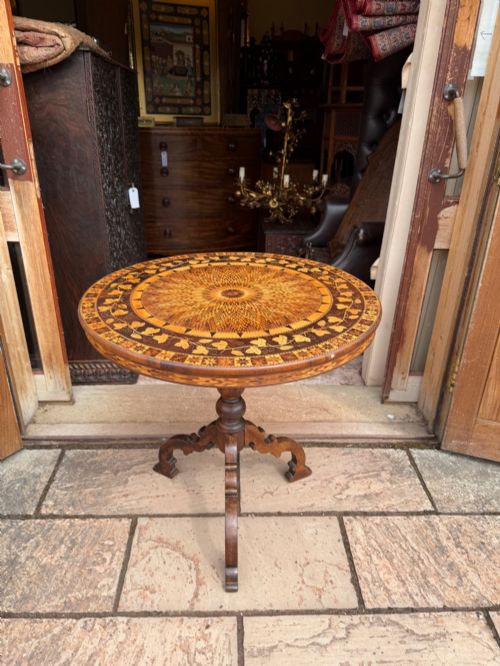
Many tops utilise a birdcage mechanism, an ingenious assembly of small wooden blocks and a central pivot that allows the surface to both tilt and rotate. Surface decoration ranges from simple polished wood to intricate marquetry inlay, hand painting, and lacquer work.
The inventory spans the eighteenth, nineteenth, and early twentieth centuries, featuring woods like mahogany, oak, walnut, and kingwood.
What varies in quality
The distinction between ordinary and exceptional pieces lies in the precision of the turning and the choice of timber. Superior examples feature well-figured mahogany or burr walnut with crisp hand-carved details along the knees and feet of the tripod base.
Stability and proportion dictate the enduring value of a pedestal table. A well-balanced frame rests firmly on all three legs without rocking, possessing a slender central column that supports the weight of the top with visual grace.
The Vintage Tripod Wine Table Glossary
- Tripod base
- A support structure comprising three legs radiating from a central pillar. This design ensures stability on uneven historical floorboards.
- Tilt top
- A hinged table surface that rotates and folds flat against the pedestal. It allowed historical households to store tables against walls when rooms required extra floor space.
- Birdcage
- A clever wooden framework beneath the table top enabling it to revolve and tilt. It is typically found on finer Georgian pedestal tables.
- Tray top
- A raised rim encircling the edge of the table surface. This feature prevented glassware and decanters from sliding off during use.
- Marquetry
- The art of applying decorative veneer pieces to a structure to form intricate patterns. Craftsmen utilised various exotic woods to create detailed floral or geometric motifs.
Vintage Tripod Wine Table: Frequently Asked Questions
Where should I place a wine table?
These compact pieces fit naturally beside an armchair or sofa where surface space is needed for a book or cup. Their small footprint allows them to sit comfortably in corners or between windows without crowding a room.
Because the top surface is relatively small, they function best as accent pieces rather than primary surfaces. Many people use them specifically to display a small lamp or a decorative ceramic bowl.
What is a tilt top used for?
The tilting mechanism allowed historical homeowners to fold the table flat when the room was needed for other activities. It saved valuable floor space in busy parlours and dining rooms.
Today, the tilting feature lets you display the decorative wood grain of the table top as a panel against the wall when the piece is not in active use.
How do I date an antique pedestal table?
Examine the timber, construction methods, and leg style to determine the likely era of manufacture. Georgian tables often display clean proportions and finely turned columns, while Victorian versions can be heavier with bolder carving or walnut veneers.
Tool marks on the underside of the top and the type of screws or pegs used in the pivot mechanism offer further clues to the age of the piece.