



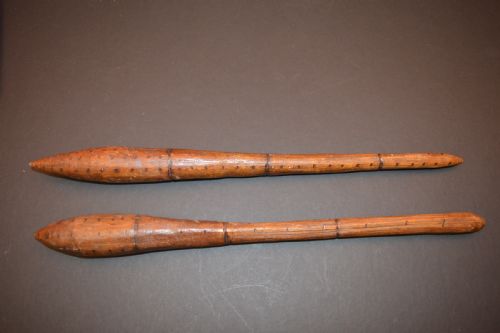


Vintage Tribal Weapon
These vintage tribal weapon pieces offer direct material connection to indigenous cultures, combining functional design with historic craftsmanship.
Vintage Tribal Weapon
A vintage tribal weapon encompasses cultural artefacts and weaponry originating from indigenous communities across Africa, Oceania, and the Americas. Buyers searching for a vintage tribal weapon will encounter utilitarian objects shaped for conflict, hunting, and ceremonial use by specific regional groups.
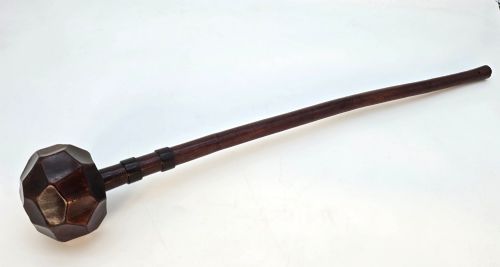
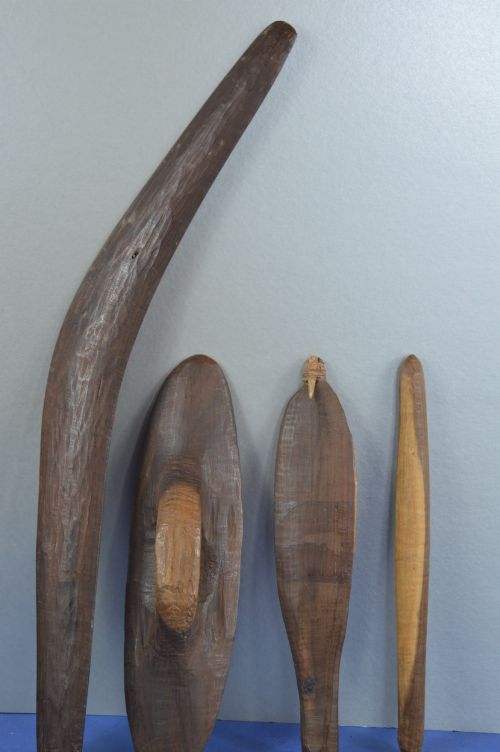
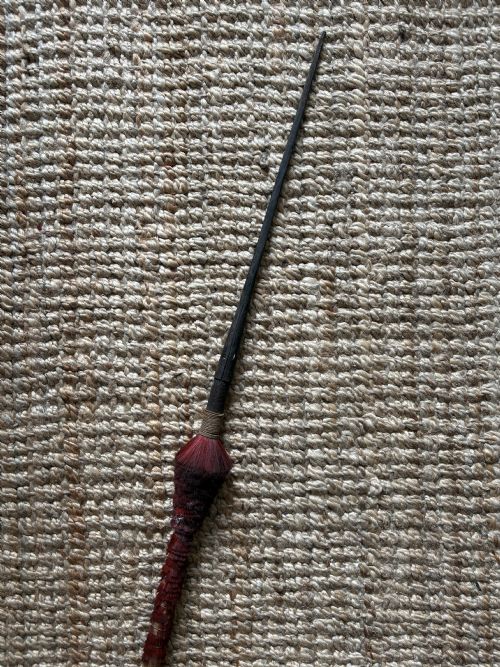
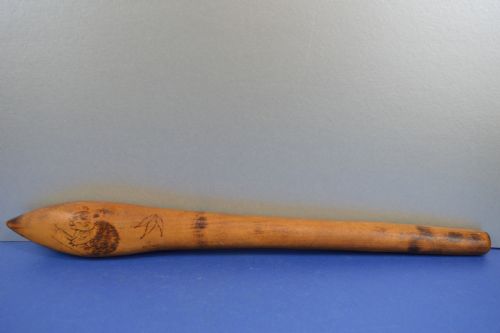
The selection here draws primarily from nineteenth-century pieces, featuring throwing clubs, spears, daggers, and hunting sets. Prominent regional origins include Southern African Zulu pieces, Australian Aboriginal clubs and woomeras, and Oceanic island war clubs.
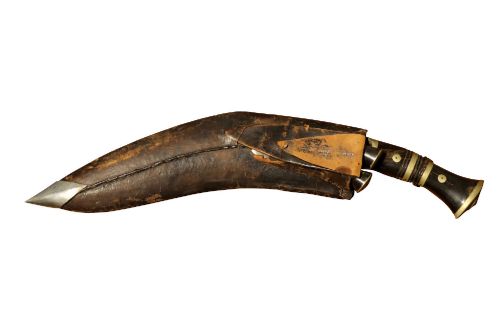
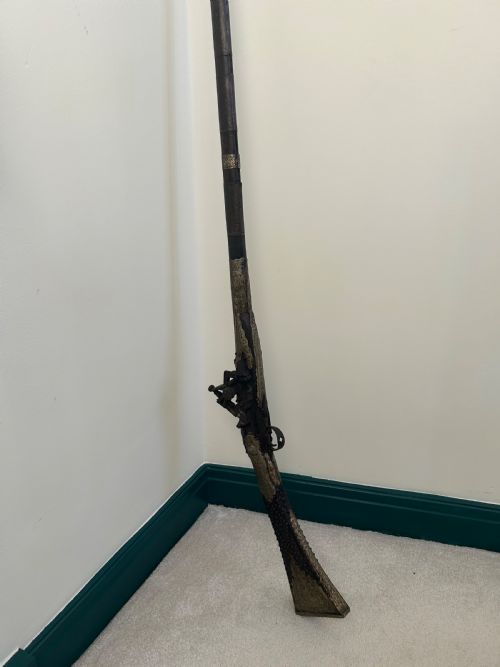
Alongside clubs and spears, listings extend to firearms and specialised blades such as Nepalese kukri knives and Afghan jezail rifles. Each object carries the distinct utilitarian form dictated by its culture of origin.
Materials and Technique
Makers shaped these objects using dense indigenous hardwoods, iron, and steel, often combining multiple materials within a single piece. Woodworking techniques involve carving and shaping natural timber into balanced clubs, shafts, and handles.
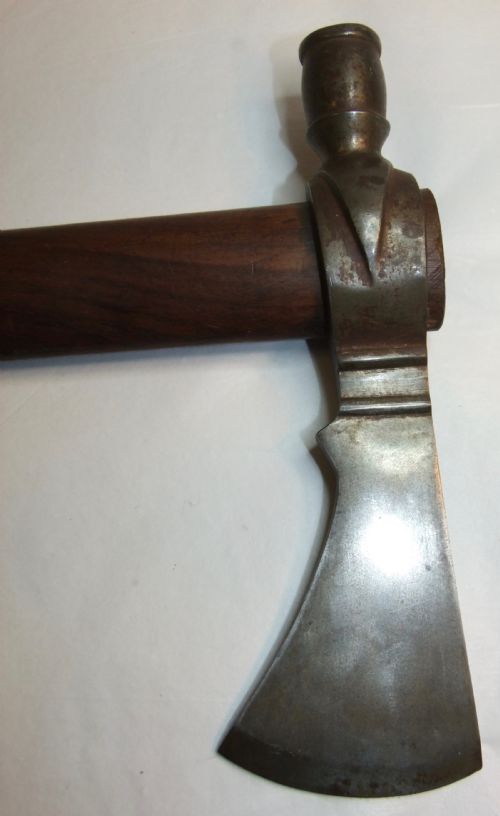
Metal components incorporate forged steel and iron for blades, spearheads, and firearm mechanisms. Additional elements such as leather, bone, brass, and vegetable dye bristles complete the construction of scabbards, hafts, and decorative bindings.
Vintage Tribal Weapon Retail Price Guide 2026
Typical asking prices for vintage tribal weapon among the pieces listed under this phrase on Sellingantiques today, from the lower quarter to the upper quarter. They describe what is for sale here now, not the wider market.
Current listings feature materials including hardwood, steel, iron, leather, brass, bone, and indigenous hardwood across the nineteenth and early twentieth centuries.
Quality and Distinction
Distinction within these pieces rests upon the integrity of the materials, the precision of the indigenous craftsmanship, and the survival of original components such as scabbards and vegetable dye bindings. Objects retaining their authentic working parts and untouched surfaces demonstrate greater historical fidelity.
The refinement of the carving, the balance of the weapon, and the clarity of regional attribution separate standard examples from those of exceptional ethnographic interest.
The Vintage Tribal Weapon Glossary
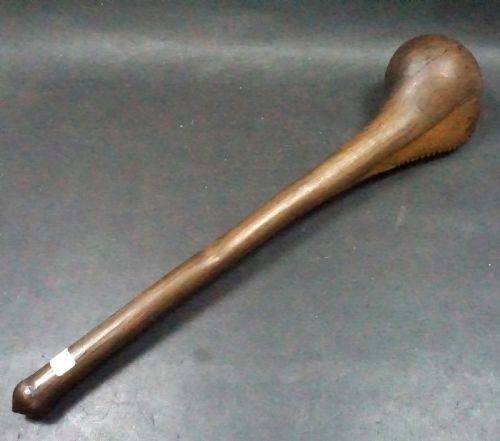
- Knobkerrie
- A traditional Southern African wooden club featuring a heavy knob at one end, utilised for hunting and combat.
- Woomera
- An Australian Aboriginal spear-thrower that acts as an extension of the arm to increase the velocity and range of a thrown spear.
- Kukri
- A Nepalese knife with a distinct recurved blade, traditionally serving as both a utility tool and a weapon.
- Jezail
- A type of long-barreled muzzle-loading firearm used across the Middle East and South Asia during the nineteenth century.
- Ula Drisia
- A traditional Fijian throwing club characterised by a heavily lobed head designed for striking targets at a distance.
Vintage Tribal Weapon: Frequently Asked Questions
How do I identify a genuine tribal club?
Examine the wood for natural wear patterns, tool marks appropriate to the period, and proper balance.
Authentic pieces show genuine handling wear rather than artificial ageing.
What materials were used in these weapons?
Makers utilised dense indigenous hardwoods alongside forged iron, steel, brass, bone, and leather.
Organic materials like vegetable dye bristles and animal hide bindings often appear on spears and knife scabbards.
How should I display these pieces at home?
Mount weapons securely using non-invasive brackets that support the weight without damaging the original wood or metal.
Keep pieces away from direct sunlight and stable humidity to preserve organic components.
Are these items functional?
While originally designed for hunting, combat, or ceremony, antique weapons require careful handling.
Firearms and edged tools should be treated strictly as historic artefacts rather than active equipment.