
Vintage Tribal Flatweave
These vintage tribal flatweave pieces are utilitarian textiles woven by nomadic and village makers, offering rich geometric patterns that ground modern interiors with history.
Vintage Tribal Flatweave
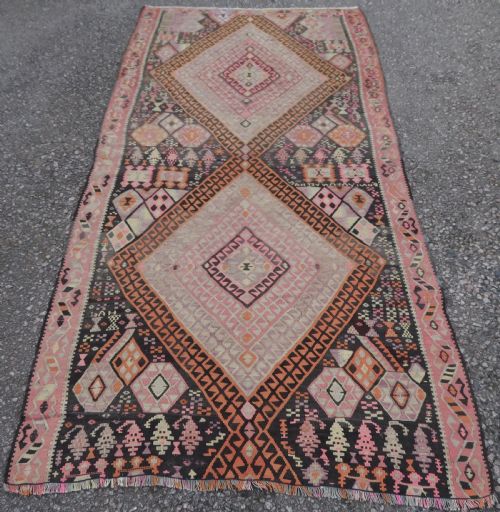
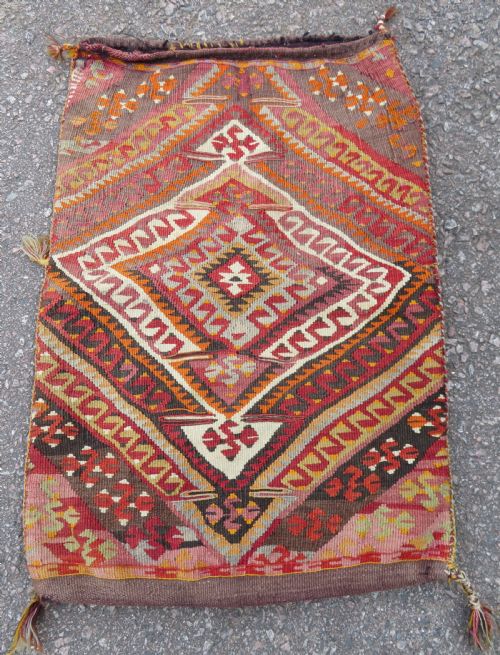
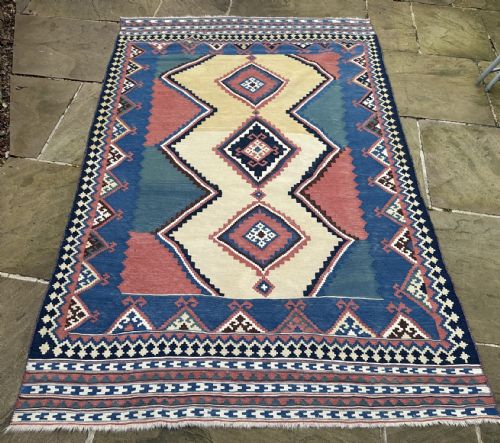
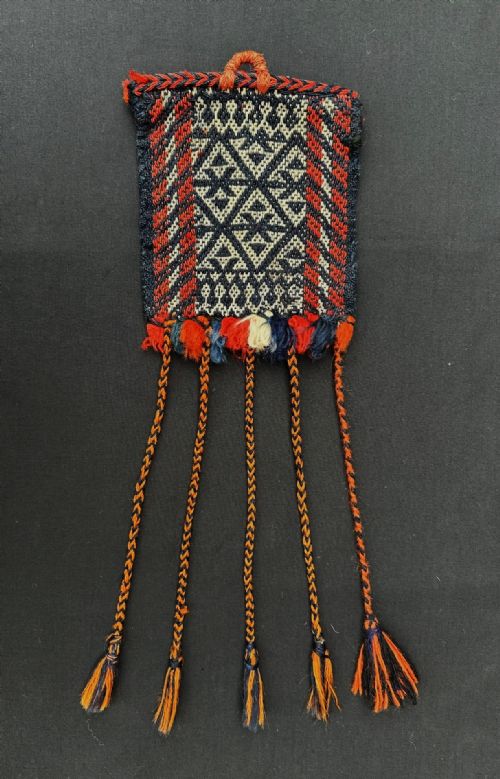
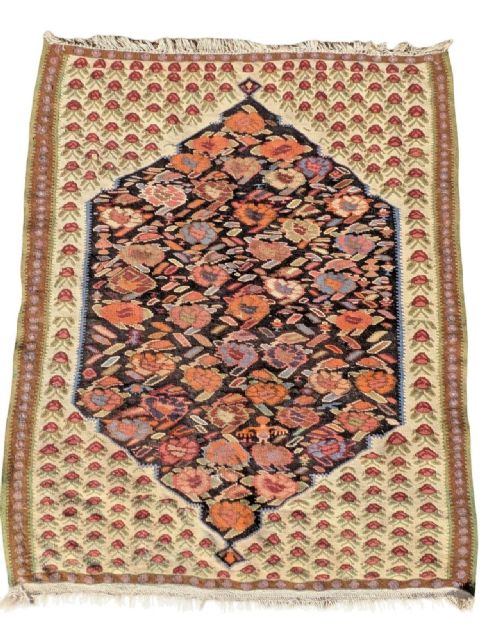
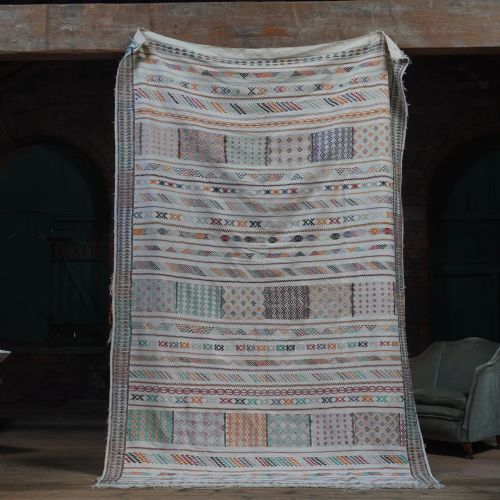
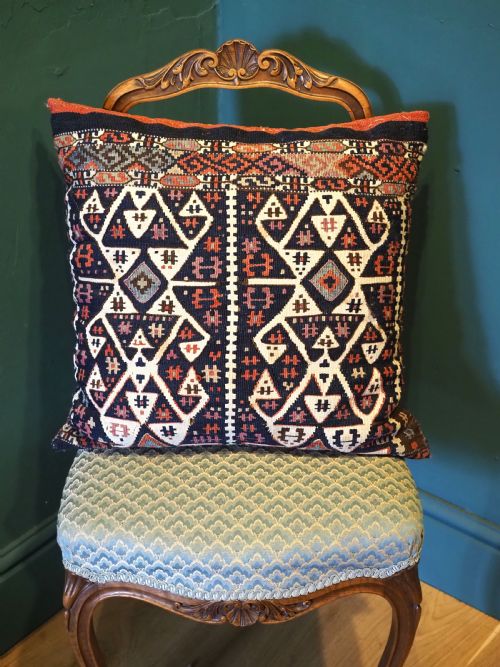
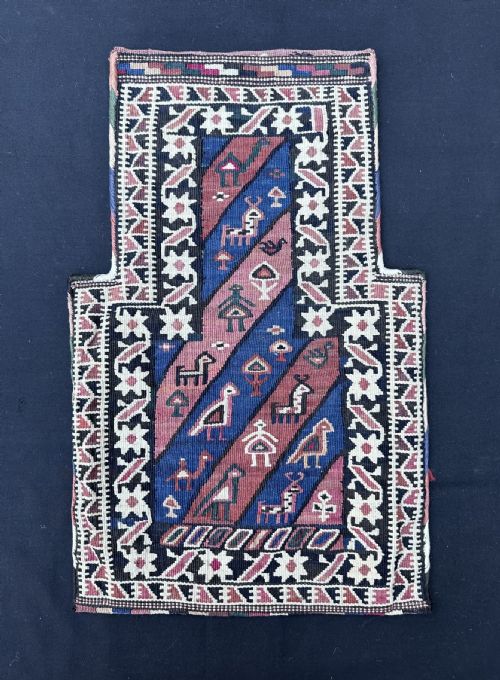
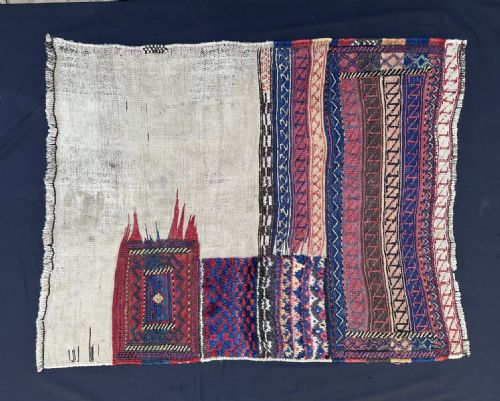
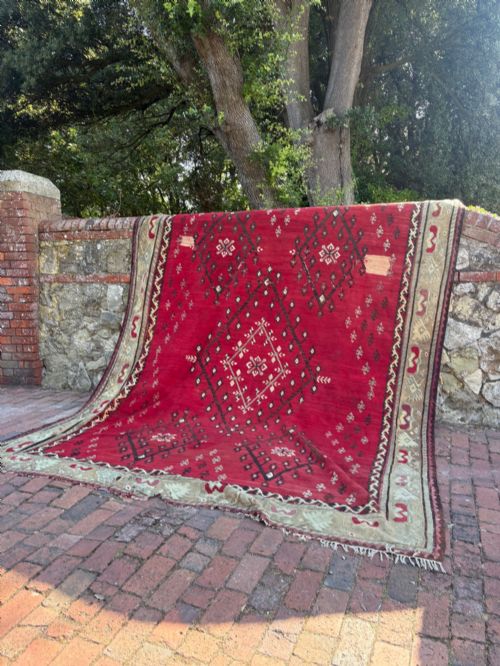
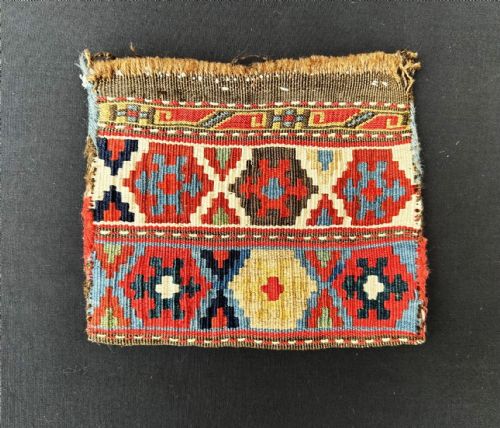
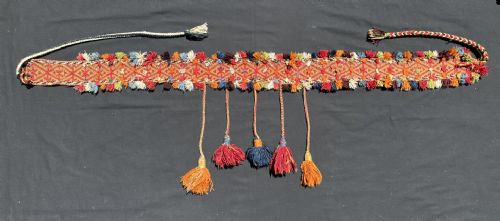
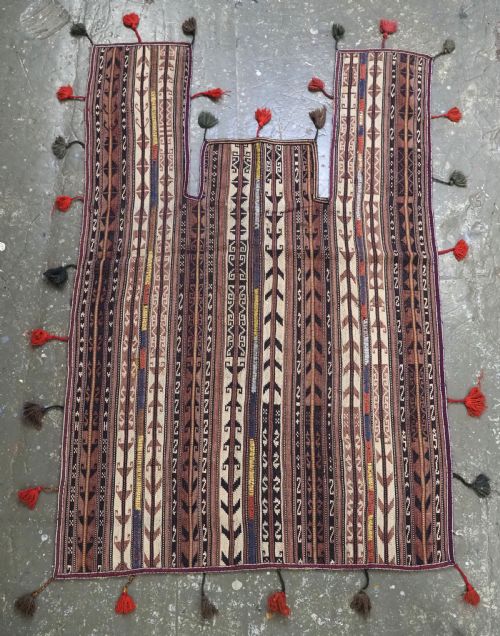
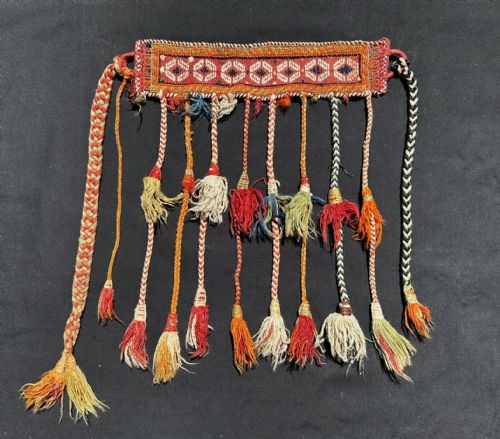
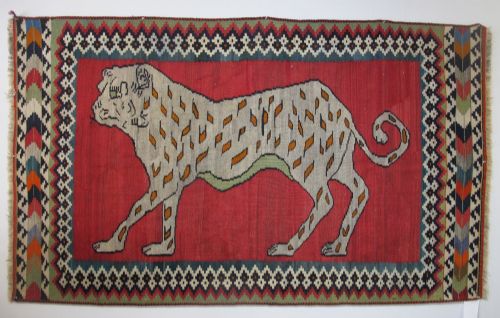
When you search for vintage tribal flatweave, you encounter nomadic and village textiles created for functional daily use rather than formal display. The selection spans utilitarian forms such as bread sofrehs, grain bags, animal trappings, horse blankets, and larger floor coverings.
The objects originate from diverse regional groups across Persia, Anatolia, the Caucasus, and Central Asia, bearing the distinct geometric motifs of specific tribes including the Qashqai, Afshar, Shahsevan, and Yomut Turkmen.
Most examples date from the nineteenth and early twentieth centuries, reflecting a period when traditional weaving methods remained entirely embedded in pastoral life.
How they were made
Weavers relied primarily on hand-spun wool and cotton, often incorporating camel wool, goat hair, and occasional silk or sabra cactus fibre depending on the regional availability of materials.
Colour comes from natural dyes derived from local plants and minerals, yielding subtle tonal variations and patinas that develop across decades of exposure and use.
Certain animal trappings still carry the dust of nineteenth-century migration paths across the Persian highlands.
What varies in quality
Excellence in these textiles rests upon the tightness of the weave, the precision of the geometric layout, and the complexity of the structural technique, such as slit-tapestry or supplementary weft wrapping.
The integrity of the natural dye palette and the vitality of the wool fibre dictate the visual depth of the piece, distinguishing master nomadic work from standard utilitarian output.
Qashqai Nomads·Afshar Nomads·Shahsevan Nomads·Yomut Turkmen·Luri Bakhtiari Tribes
The Vintage Tribal Flatweave Glossary
- Kilim
- A flatwoven textile produced without a pile by tightly interweaving warp and weft strands. This technique creates a lightweight fabric with identical patterns visible on both sides.
- Sofreh
- A spread or cloth used historically for serving meals or handling bread dough during communal gatherings. These woven pieces typically feature elongated rectangular formats dominated by central medallions or horizontal bands.
- Sumak
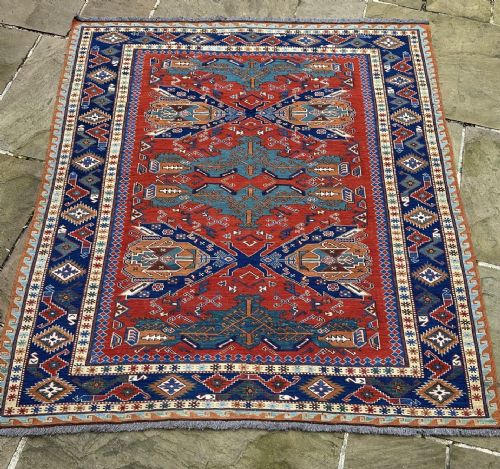
- A decorative flatweaving technique where pattern wefts are wrapped around warp threads to produce a textured, ribbed surface resembling embroidery. This method allows for intricate diagonal lines and complex dragon motifs.
- Mafrash
- A large rectangular storage bag or chest panel used by nomadic tribes for transporting household goods during seasonal migrations. They often display bold banded designs executed in warp-faced or flatweave structures.
- Jajim
- A strong, durable textile woven in narrow strips and stitched together to form blankets or covers. They frequently exhibit vibrant multi-coloured stripe patterns.
Vintage Tribal Flatweave: Frequently Asked Questions
What is a flatweave?
A flatweave is a textile constructed on a loom without knotting a pile, resulting in a thin, flat fabric where the pattern is created by the interlocked warp and weft threads.
These versatile pieces served practical functions as floor coverings, blankets, and storage containers rather than decorative wall hangings.
How were sofrehs used?
Sofrehs functioned as dining cloths spread upon the ground for sharing meals, or as designated workspaces for kneading and preparing bread dough.
Their specific dimensions and compositions reflect these domestic rituals within nomadic and village households.
How do I care for antique flatweaves?
Protect these textiles by placing them in low-traffic areas and using a breathable underlay to prevent slipping and friction against hard flooring.
Vacuum gently using a suction-only attachment without a rotating brush roll, and consult a specialist in antique textiles for professional cleaning.
How do I identify regional styles?
Regional attribution relies on examining the specific palette of natural dyes, the structural weave technique, and the arrangement of geometric motifs characteristic of particular tribal groups.
For instance, Caucasian pieces often display sharp geometric medallions, while Persian nomadic weavings frequently incorporate zoomorphic figures and abrash colour shifts.