

Vintage Toleware
Vintage toleware brings painted metal into daily rooms, offering sturdy trays, lamps and chandeliers decorated in past styles.
Vintage Toleware
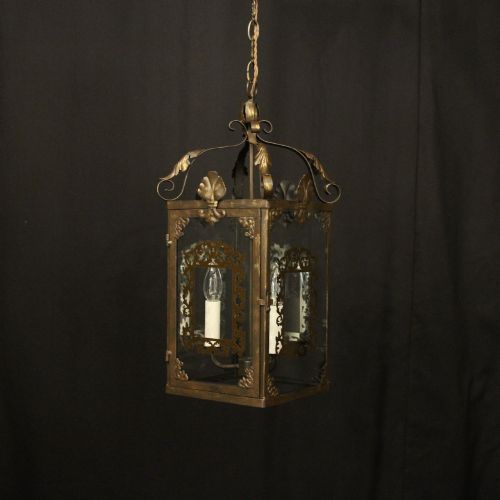
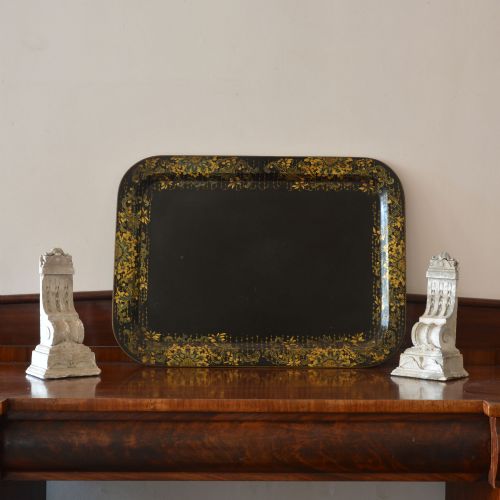
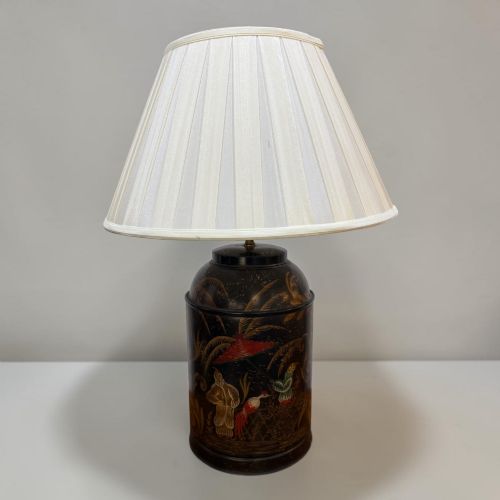
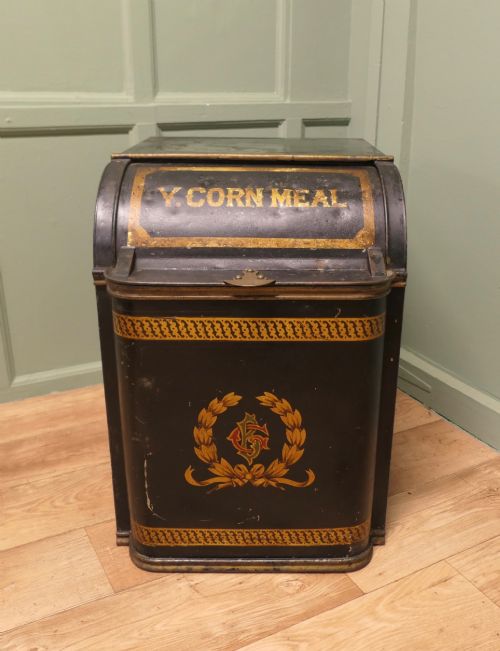
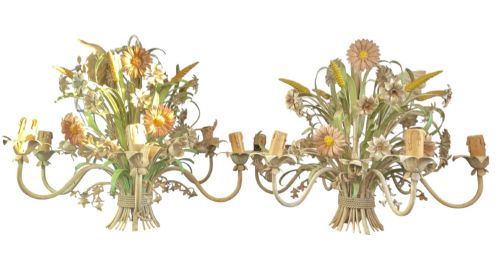
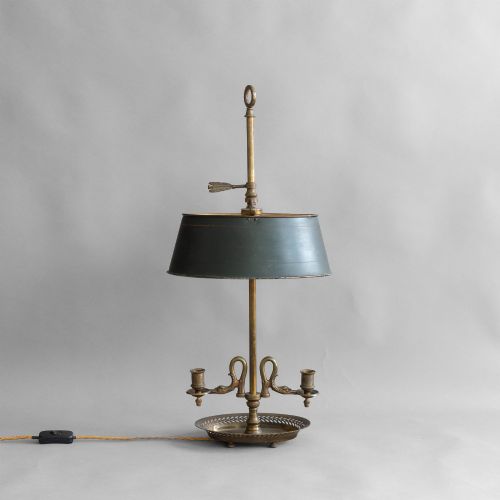
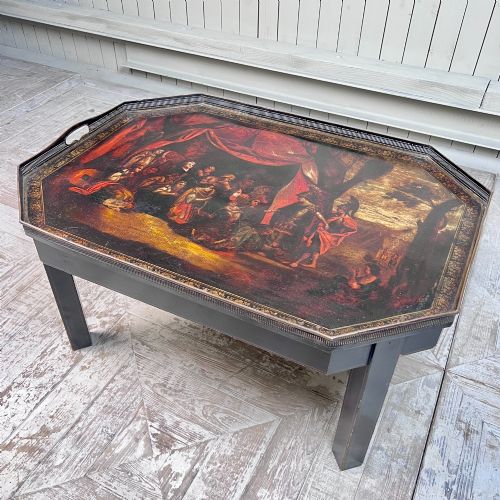
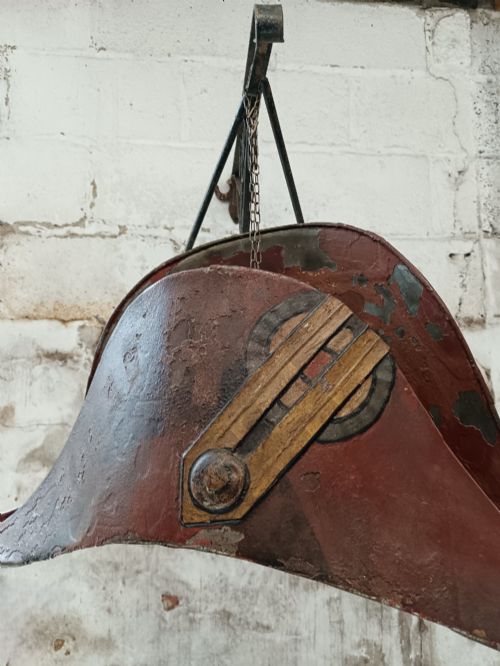
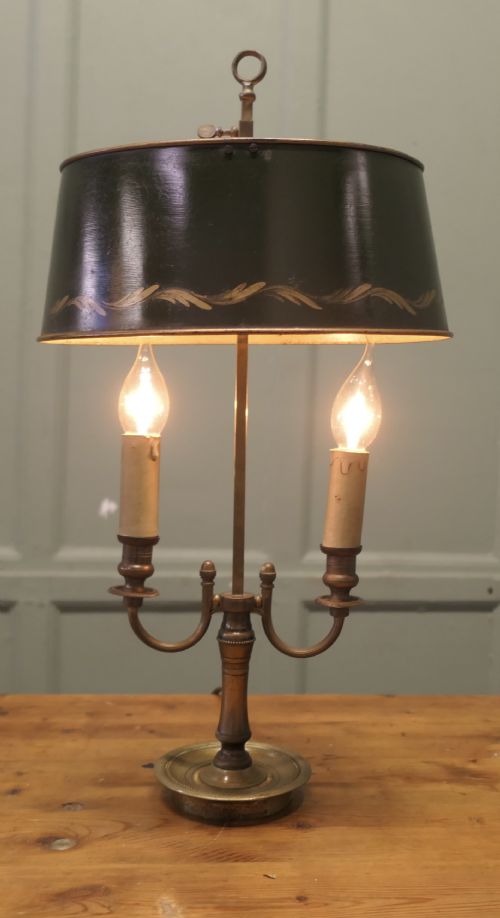
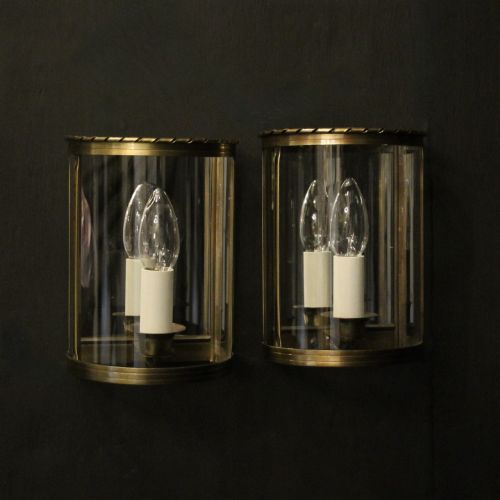
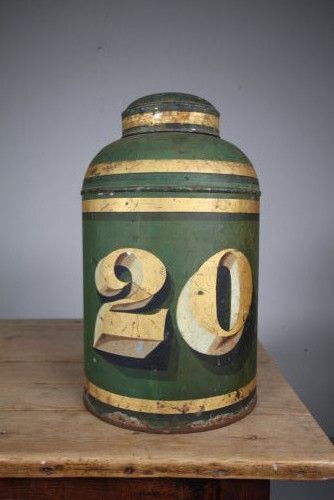
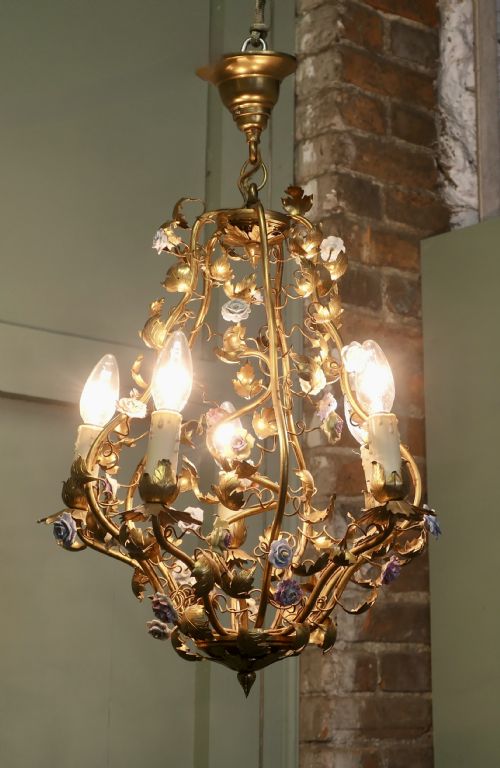
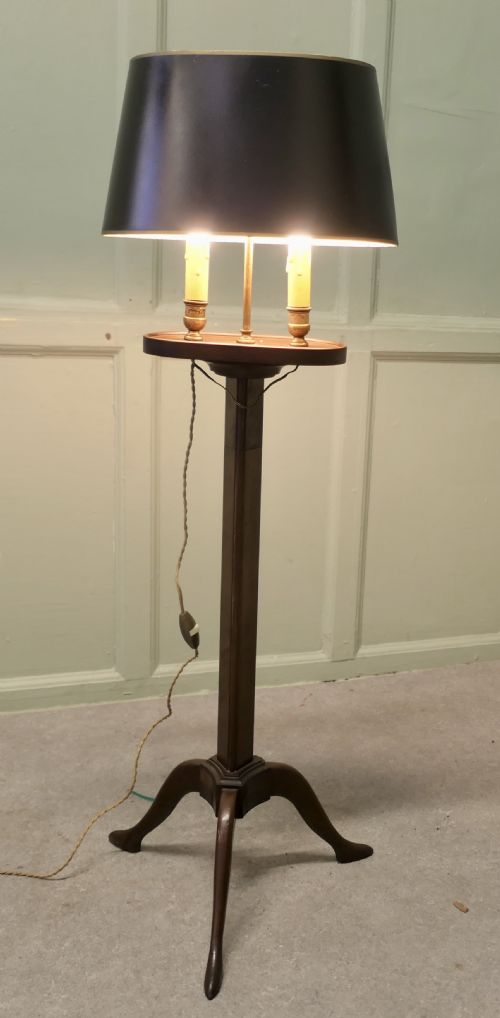
When you search for vintage toleware, you encounter lacquered and painted metal objects intended for both decorative use and practical household tasks. These pieces range from lighting fixtures like chandeliers and bouillotte desk lamps to utilitarian items such as coal scuttles, tea tins and document boxes.
The selections on this page lean heavily towards lighting and decorative household containers originating from the nineteenth century up through the nineteen-forties. French provincial and neoclassical styles dominate the aesthetic, alongside English country house items and Italian decorative pieces.
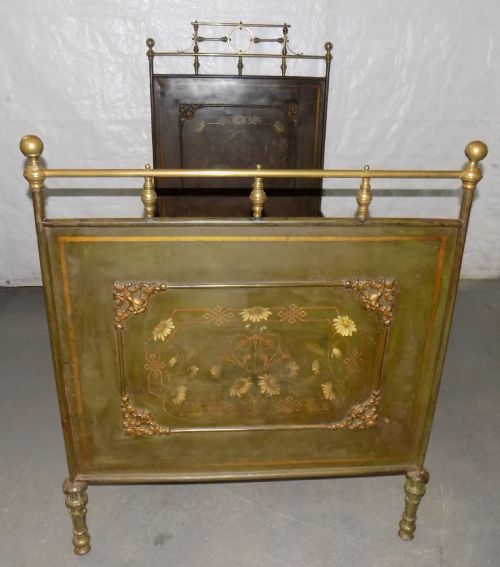
Buyers find everything from small desk lamps to large floor lamps and bedsteads, demonstrating the wide versatility of painted sheet metal in historic interiors.
Materials and Construction
Makers formed these items primarily from sheet metal, iron or tinplate, often combining the metal base with brass fittings, gilt metal accents and crystal drops. Artisans then applied multiple layers of paint, lacquer or japan work to achieve a smooth surface.
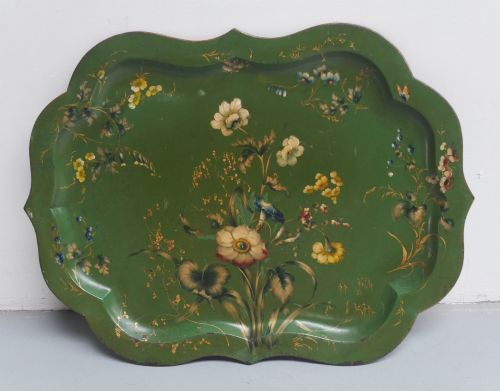
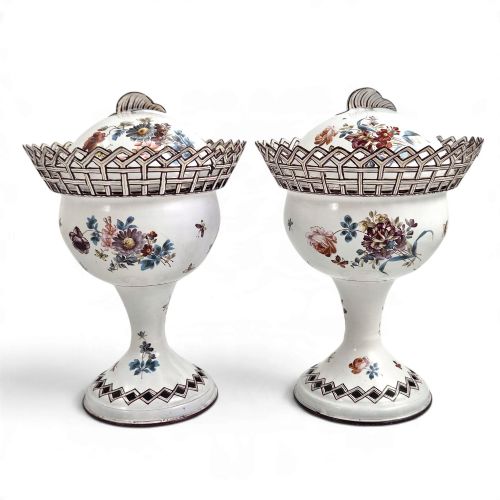
Decoration relied on hand-painted polychrome floral motifs, gilt highlights and Chinoiserie lacquer work, sometimes sealed with protective varnishes. The integration of ceramic flowers, brass trim and crystal elements added texture and visual weight to lighting pieces.
Vintage Toleware Retail Price Guide 2026
Typical asking prices for vintage toleware among the pieces listed under this phrase on Sellingantiques today, from the lower quarter to the upper quarter. They describe what is for sale here now, not the wider market.
Listings span the nineteenth century through the nineteen-forties, uniting sheet metal construction with brass, crystal and hand-applied paint.
Assessing Quality
The distinction between ordinary utility items and exceptional pieces rests upon the execution of the surface decoration and the preservation of the original paint. Hand-painted details with fine pictorial scenes or intricate gilt work indicate superior craftsmanship compared to plain functional coatings.
Structural integrity of the underlying sheet metal and the retention of original brass or crystal components also govern the standing of an object. Pieces that maintain their untouched historic finish carry greater decorative presence than heavily restored examples.
The Vintage Toleware Glossary
- Toleware
- Painted or lacquered metalware, originating from the French term tole peinte meaning painted sheet metal.
- Bouillotte lamp
- An adjustable desk or table lamp with a central candle or bulb socket, fitted with a metal shade that moves up and down.
- Chinoiserie
- European theatrical interpretation of Chinese and East Asian artistic styles, often executed in black and gold lacquer on metal.
- Japan work
- A European imitation of East Asian lacquer techniques, using heat-cured varnishes to create a dark, glossy surface on metal.
- Polychrome
- Decorated in multiple colours, frequently seen in the floral motifs and pictorial scenes painted across nineteenth century trays and canisters.
Vintage Toleware: Frequently Asked Questions
How do I clean vintage toleware?
Dust surfaces gently with a dry microfibre cloth to protect the painted finish and any delicate gilt details.
Avoid using water, chemical solvents or abrasive cleaners, which can easily lift the historic lacquer or paint layers.
Are these lamps safe for modern use?
Most older lighting pieces utilise historic wiring that requires inspection and potential rewiring by a qualified electrician before daily use.
Lamp holders and cords can be updated discreetly while preserving the original metal structure and exterior appearance.
Where were these items typically placed?
Utilitarian containers served in kitchens, sculleries and studies for holding documents, coal, tea or household supplies.
Decorative items like trays and chandeliers added colour and illumination to drawing rooms, dining spaces and boudoirs.
How do I identify nineteenth century pieces?
Examine the weight of the sheet metal, the composition of the paint layers and the style of the hand-painted decoration.
Earlier examples often display subtle tool marks from hand-beating the metal and distinctive craquelure in the aged lacquer surface.