



Vintage Tobacco Humidor
A vintage tobacco humidor protects leaf and cigar alike, offering both practical humidity control and period character for a gentleman's study.
Vintage Tobacco Humidor
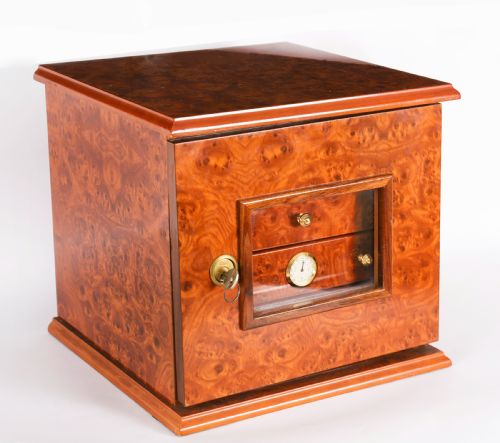
A vintage tobacco humidor serves to keep smoking leaf moist and aromatic, taking forms from simple desktop boxes to large multi-drawer cabinets.
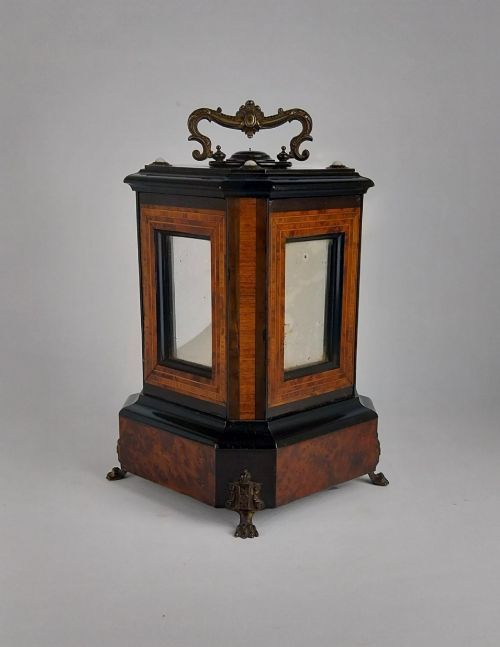
When searching for a vintage tobacco humidor, you encounter oak, burr walnut, and fruitwood receptacles dating from the eighteenth century through the Art Deco period.
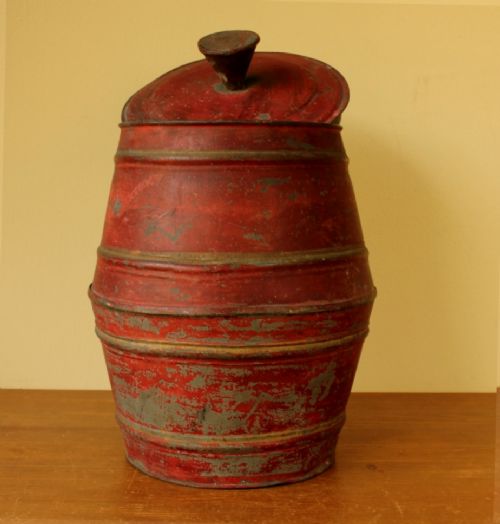
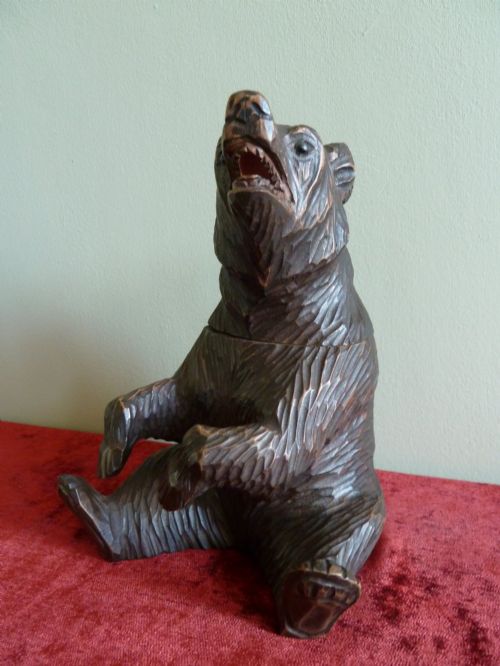
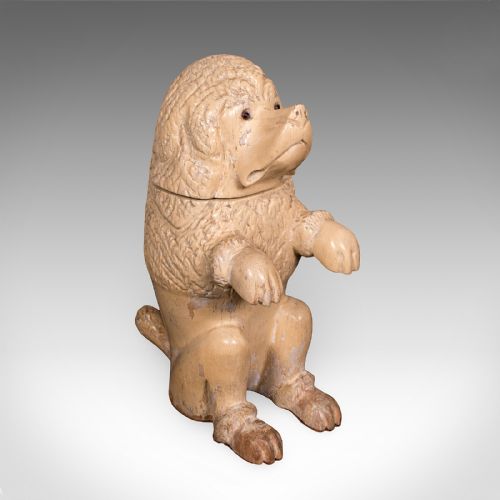
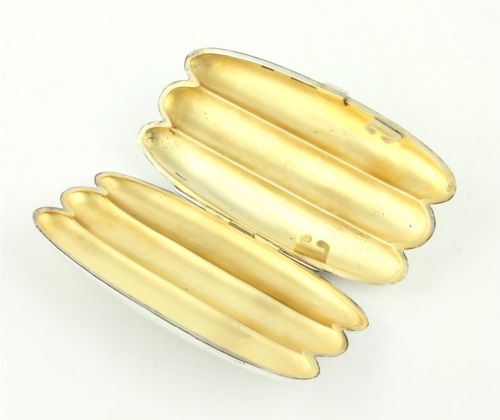
The selection ranges from utilitarian storage tins and ceramic jars to elaborately carved Black Forest animal figures and silver-mounted smoker's companions.
Materials and construction
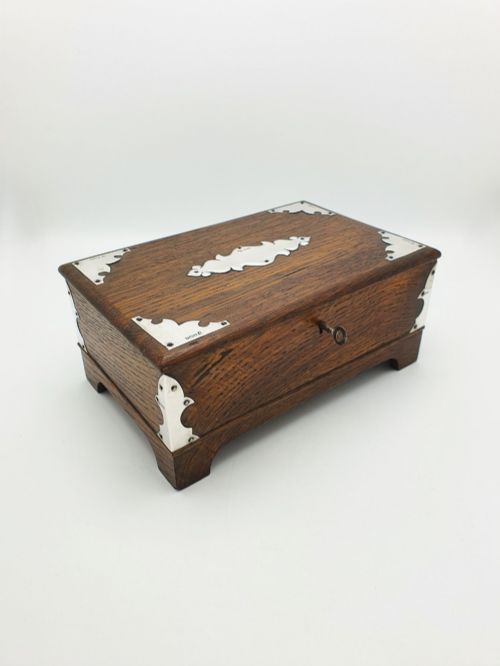
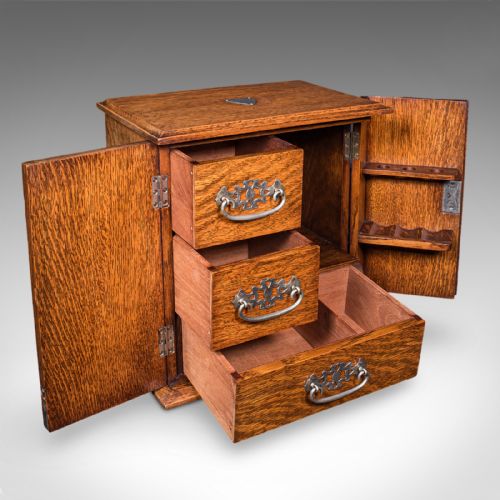
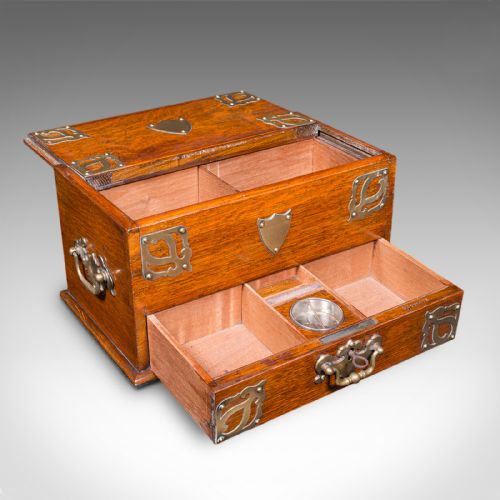
Cabinetmakers utilised dense hardwoods like oak, walnut, and cedar, often pairing timber carcasses with sterling silver mounts, brass hinges, and copper panels.
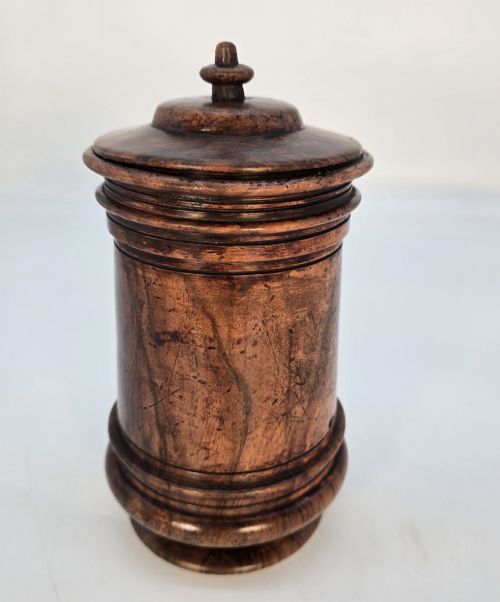
Carved wooden examples utilise linden wood and fruitwood for figurative sculpture, whilst ceramic and porcelain versions rely on glazed earthenware bodies with fitted covers.
The current selection spans multiple periods, featuring oak, sterling silver, porcelain, and burr walnut across various box and cabinet forms.
Quality differences
Superior examples demonstrate precision joinery in Burr walnut and oak, complete with functioning locks, interior dividers, and intact silver hallmarks.
Lesser items show simpler construction, plated base metals instead of solid silver, and plain timber surfaces lacking carved or figured grain detail.
H. UPMANN·Alfred Dunhill·Crevillen·Mappin & Webb·Royal Doulton
The Vintage Tobacco Humidor Glossary
- Humidor
- A moisture-controlled box or cabinet designed specifically to store cigars and tobacco leaf in optimal condition. These enclosures maintain humidity to prevent the contents from drying out.
- Treen
- Small handmade wooden objects produced before the mass era of plastics. These domestic items display the turned and carved skills of early woodworkers.
- Compendium
- A fitted box or cabinet containing multiple smoking accessories such as pipes, matches, and tobacco jars arranged in dedicated compartments.
- Sterling silver
- A silver alloy containing ninety-two point five percent pure silver by mass. British items carry hallmark stamps verifying this standard.
- Black Forest carving
- Highly detailed wooden sculpture originating from central Europe during the nineteenth century. Bears and dogs form common subjects for linden wood tobacco boxes.
Vintage Tobacco Humidor: Frequently Asked Questions
How do I maintain humidity in an antique humidor?
Many vintage pieces lack modern humidification elements, functioning primarily as decorative storage boxes rather than active moisture containers.
Collectors often place small modern humidification disks inside historical wooden cabinets to protect actual tobacco leaves from drying out.
What is the difference between a tobacco jar and a humidor?
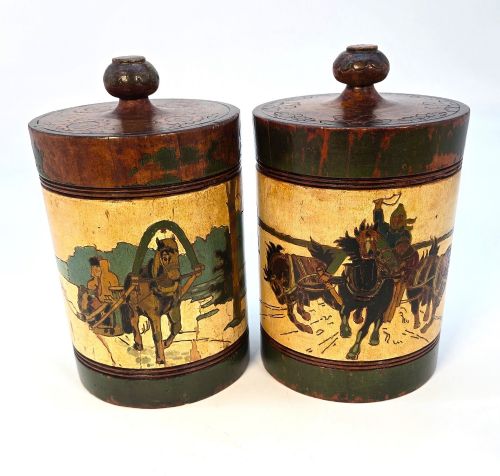
Tobacco jars generally consist of ceramic, porcelain, or treen wood with simple fitted lids designed for pipe tobacco storage.
Humidors typically refer to hinged wooden boxes or cabinets intended for cigars, often featuring metal linings and lockable compartments.
How do I date an oak smoking cabinet?
Cabinet dates rely on stylistic cues such as Edwardian brass hardware, Arts and Crafts copper strapwork, or Victorian walnut veneers.
Interior construction details like hand-cut dovetails and hallmark dates on silver mounts provide further chronological indicators.
Can I use these boxes for modern cigars?
These historical containers suit dry goods if the interior wood remains clean and free from chemical odours or tobacco residue.
Cedar-lined cabinets offer the closest environment to modern cigar storage, though many buyers prefer them as display pieces.