


Vintage Timber Stands
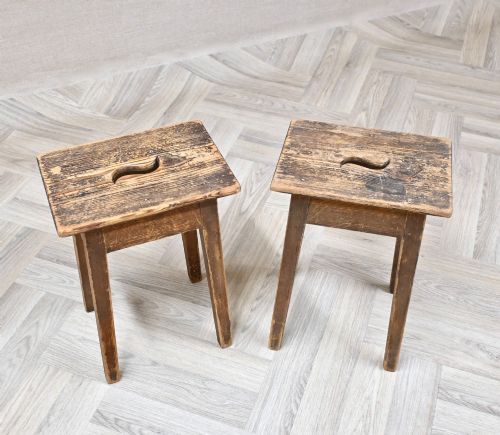
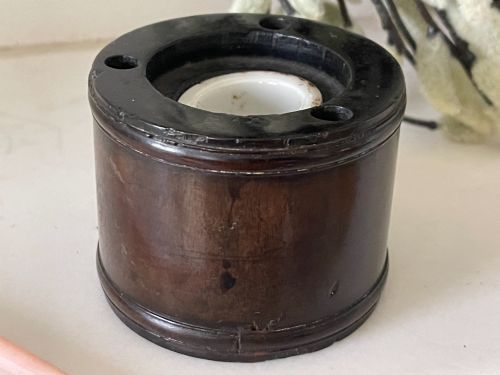
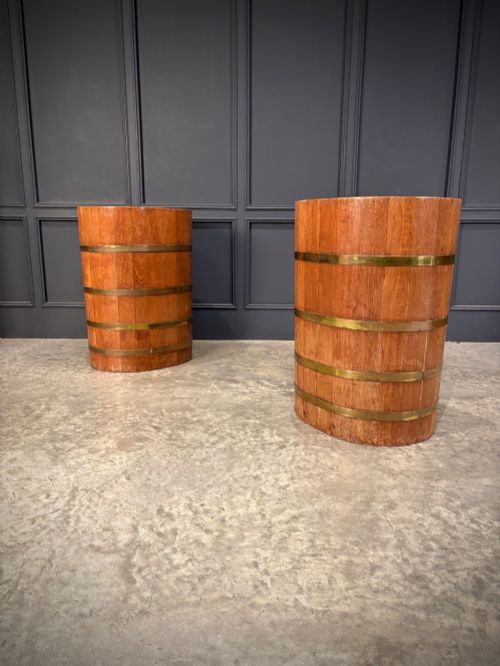
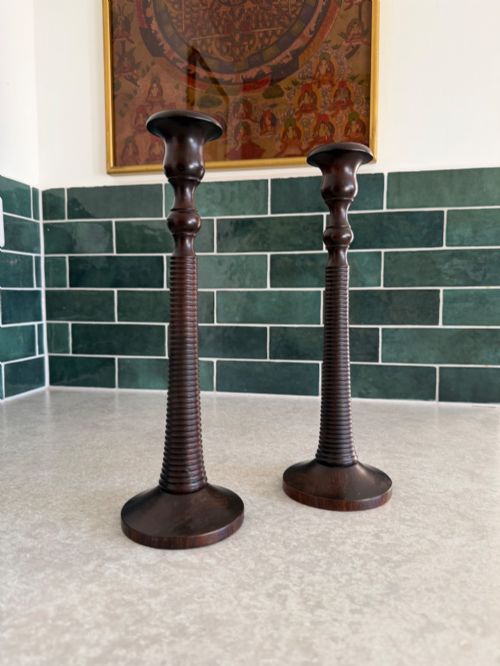
These vintage timber stands are functional upright furnishings crafted from various woods, offering practical display space and structural character for any interior.
Vintage Timber Stands
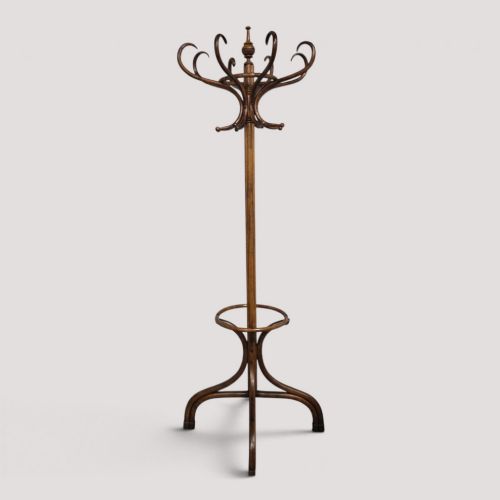
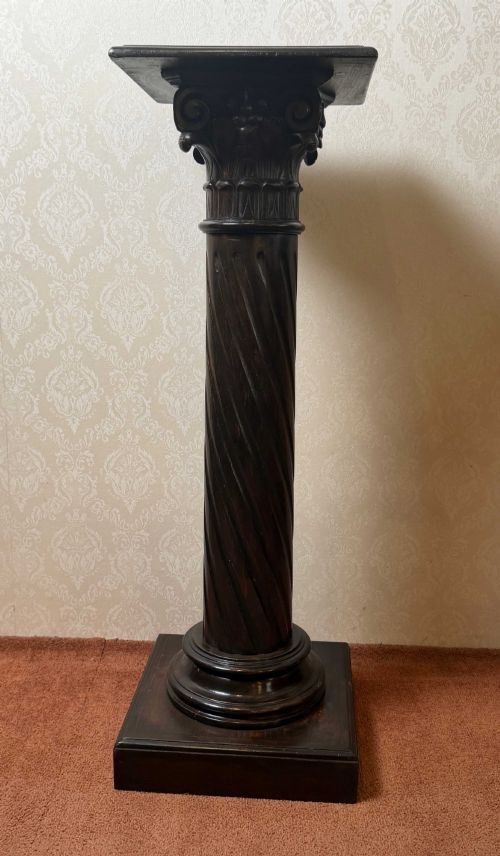
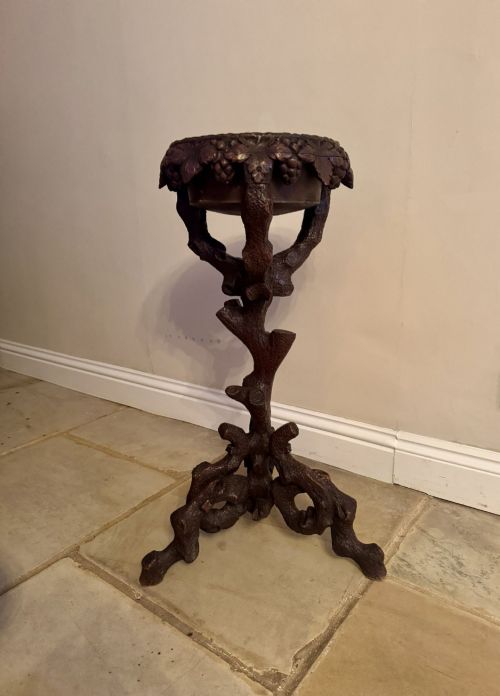
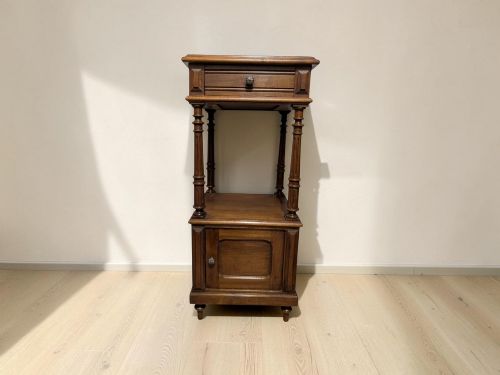
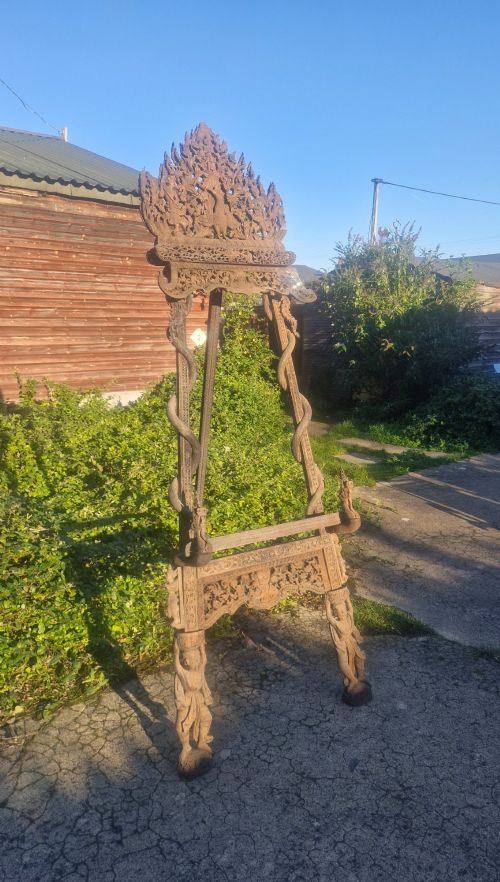
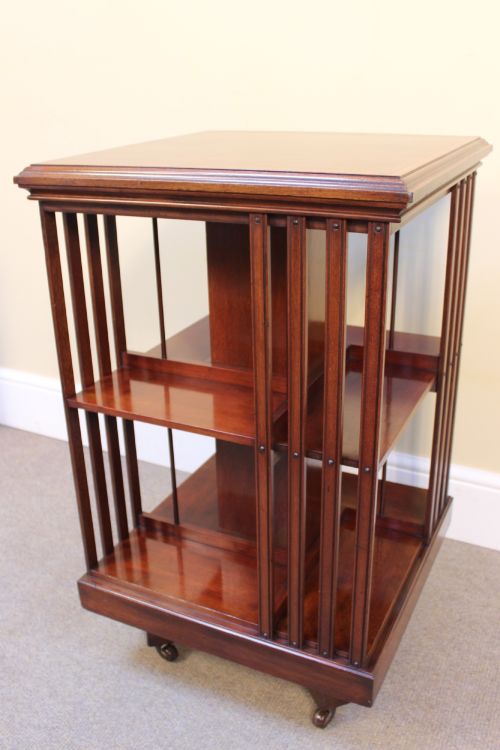
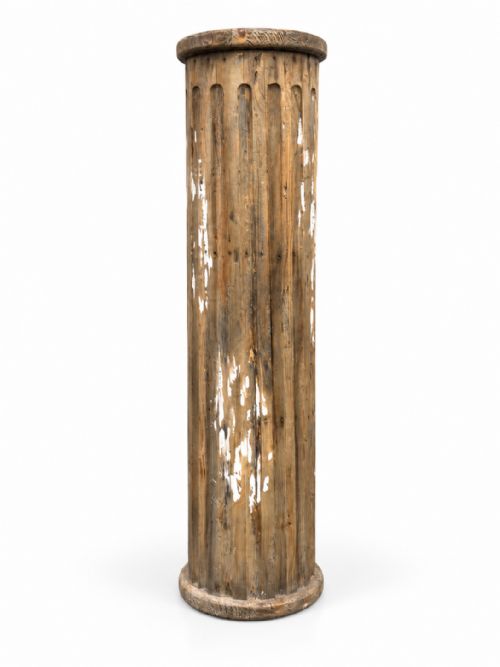
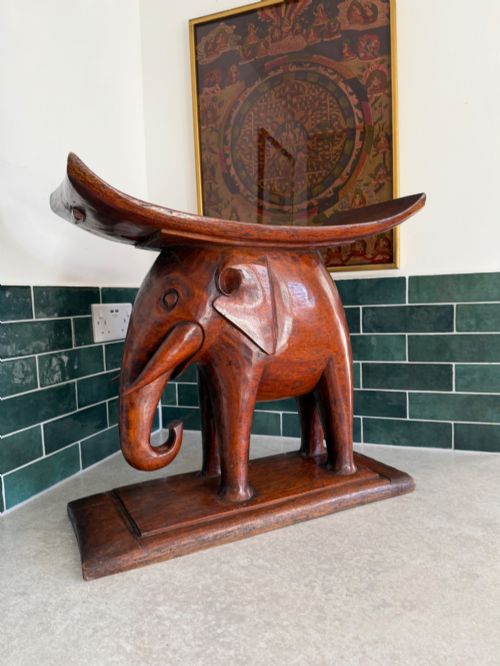
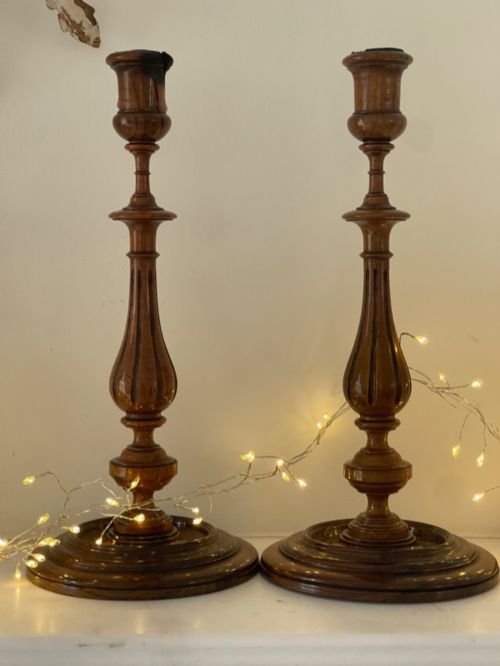
When you search for vintage timber stands, you encounter a diverse group of upright furnishings including coat stands, plant stands, pedestals, and standard lamps. These pieces serve specific domestic functions while introducing architectural form and natural materials into a room.
The selection on this page relies heavily on early twentieth century examples, alongside Victorian and Edwardian pieces. Mahogany, oak, and assorted hardwoods dominate the construction, reflecting the prevailing preferences of these periods.
Standard lamps and coat stands appear frequently among the listings, alongside display pedestals and smaller occasional tables. Each form utilises timber frames to support objects, illuminate spaces, or organise garments.
How they were made
Cabinet makers utilised solid timbers such as mahogany, oak, and walnut to build these pieces, often selecting figured grain for decorative impact. Turning, carving, and joinery techniques shaped the upright shafts, legs, and brackets.
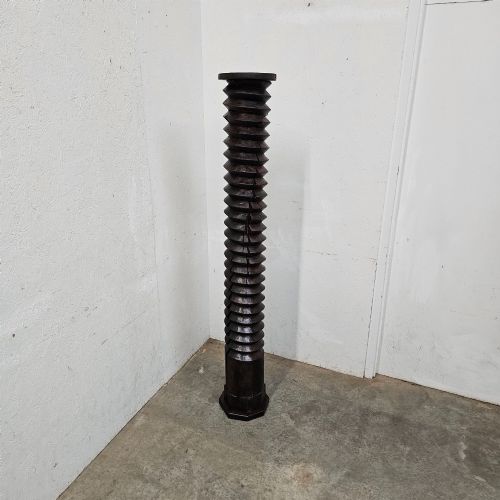
Surface treatments included polishing to enhance the natural colour of the wood, while some pieces incorporated inlaid details or contrasting ebonised sections. Metal fittings such as brass fixtures and rotating screw mechanisms added functional utility to specific forms.
Vintage Timber Stands Retail Price Guide 2026
Typical asking prices for vintage timber stands among the pieces listed under this phrase on Sellingantiques today, from the lower quarter to the upper quarter. They describe what is for sale here now, not the wider market.
Listings feature items spanning from the eighteenth century through the Edwardian era and the 1930s, constructed in oak, mahogany, walnut, and brass.
What varies in quality
The standard of carving and the selection of timber dictate the distinction between ordinary and superior pieces. Finer items exhibit crisp hand-carved details, well-figured wood veneers like burr walnut, and stable structural joinery.
Proportion and weight distribution also separate better examples from lesser ones, particularly in tall items like standard lamps and coat stands where a heavy base ensures stability.
Brown and Lamont·Thonet
The Vintage Timber Stands Glossary
- Pedestal
- A tall support used for displaying urns, sculptures, or plants. These columns elevate decorative objects to eye level within a room.
- Standard Lamp
- A floor-standing lamp designed to provide ambient or task lighting. They feature a vertical timber post anchored by a weighted base.
- Hat Coat Stand
- An upright piece fitted with pegs or hooks for hanging garments and headwear. They often include a central umbrella or stick ring at the base.
- Hardwood
- Timber derived from broad-leaved deciduous trees such as oak, mahogany, and walnut. These dense woods provide durability for structural furniture.
- Jardiniere
- A decorative pot or stand specifically designed to hold indoor plants and flowers. They frequently incorporate waterproof liners or raised platforms.
Vintage Timber Stands: Frequently Asked Questions
What are vintage timber stands used for?
These furnishings serve various practical purposes around the home, from supporting lighting and holding coats to displaying plants and ornamental objects.
Their upright designs allow them to occupy minimal floor space while providing functional surfaces or hanging points in hallways, living rooms, and studies.
How do I date a timber stand?
Dating relies on observing stylistic markers, construction techniques, and the specific woods used across different decades and centuries. Edwardian and Victorian pieces often show distinct turning patterns and finish types compared to later Art Deco or Arts and Crafts examples.
Examining the joints, fixings, and wear patterns also helps determine the approximate period of manufacture.
Are standard lamps stable?
Most standard lamps rely on substantial wooden bases or weighted internal elements to maintain balance across their height. Proper construction ensures the tall upright shaft remains secure against accidental bumps.
Heavier hardwoods provide the necessary mass to support both the timber structure and the attached lighting shade.
How do I care for antique wood?
Regular dusting with a soft, dry cloth protects the timber surface from abrasive particles. Avoiding direct sunlight and extreme humidity changes prevents the wood from warping or cracking over time.
Occasional application of appropriate wax polish maintains the lustre of the finish without building up heavy residues.