
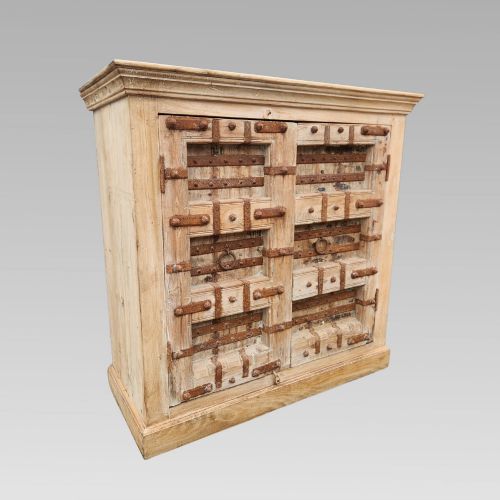
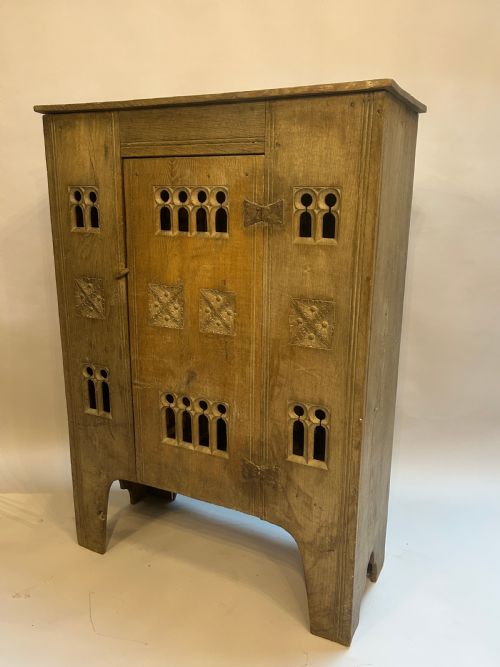
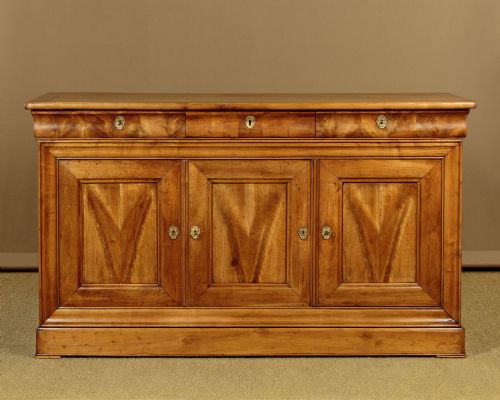
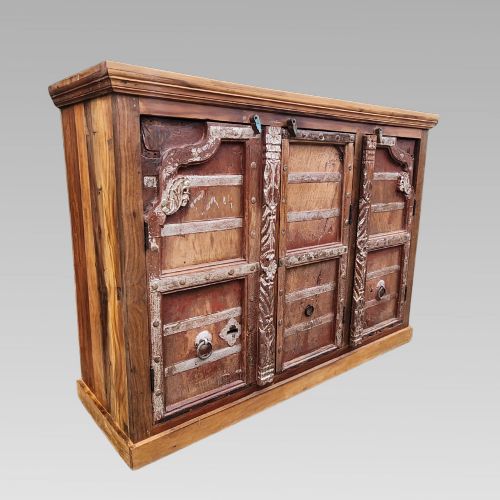
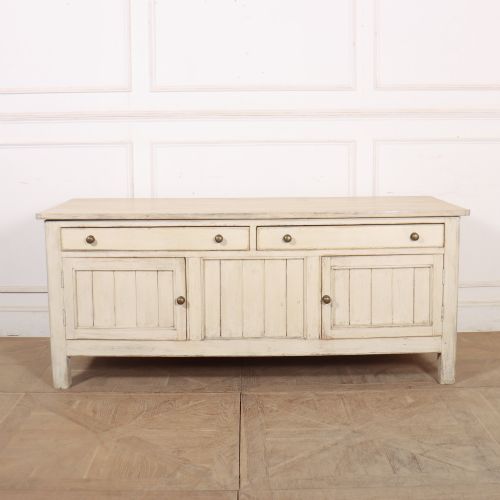


Vintage Timber Sideboard Cabinet
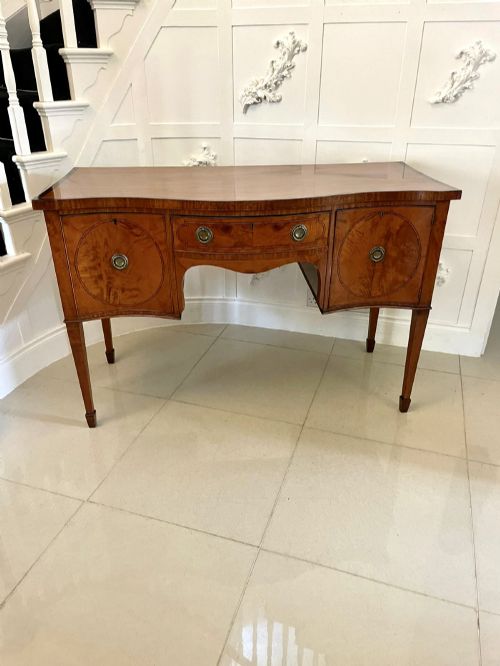
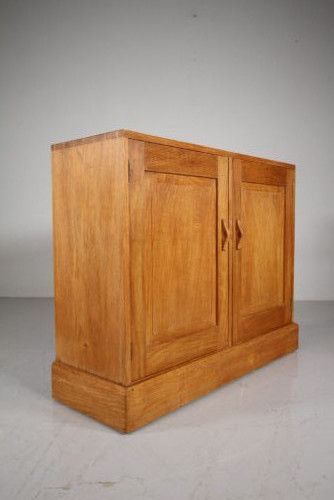
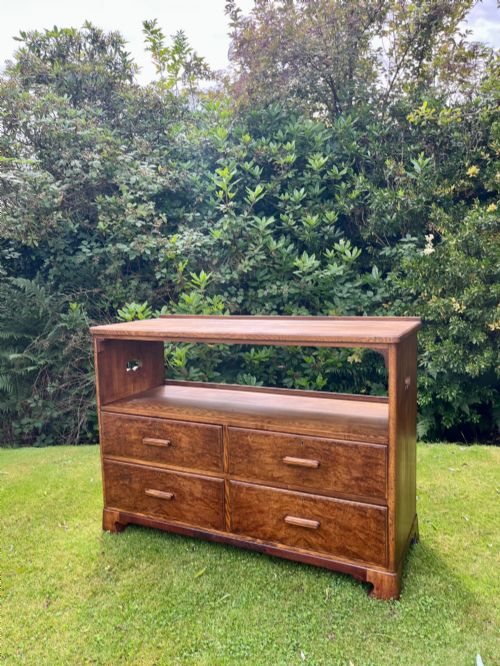
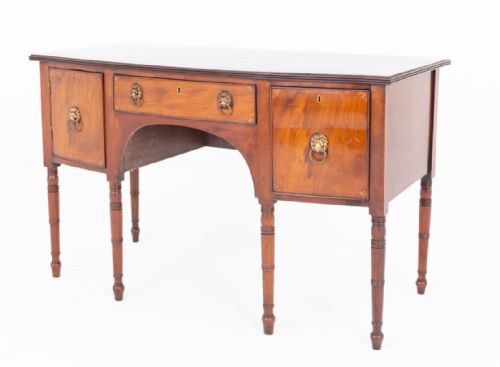
These vintage timber sideboard cabinet pieces bring practical storage and rich character to a room, spanning periods from the Georgian era through the Victorian period and into the 1930s.
Vintage Timber Sideboard Cabinet
A vintage timber sideboard cabinet serves as a substantial storage piece, encompassing sideboards, cupboards, cabinets, and dressers found across various historical periods. These forms range from formal Georgian and Victorian mahogany designs to regional painted pine, oak, elm, and reclaimed teak pieces.
Buyers meet a diverse mix of stylistic traditions here, including English country, Arts and Crafts, French Provincial, and traditional Indian examples. Many items feature functional configurations like banks of drawers, two-door cupboards, and serpentine fronts suited for dining rooms and living spaces.
How they were made
Cabinet makers utilised a variety of solid timbers and veneers, such as mahogany, satinwood, pine, teak, ash, cedar, and oak. Construction methods relied on traditional joinery techniques appropriate to the period, whether working with indigenous European woods or reclaimed timbers.
Surface treatments varied widely according to origin and style, ranging from polished mahogany and inlaid boxwood to original painted finishes on pine and dresser bases. Brass hardware frequently accented these timber surfaces, providing functional pulls and hinges.
Materials span mahogany, pine, teak, oak, satinwood, elm, ash, cedar, cherrywood, rosewood, iron, and brass.
What varies in quality
The standard of timber selection and cabinet work dictates the distinction between standard utility items and finer workshop productions. Superior examples display carefully matched wood grains, precise inlay work, and robust structural integrity across drawers and doors.
Originality of surface and finish significantly influences the character of each piece. Items retaining their original paint, polish, and period hardware command greater interest than those altered or stripped over time.
Whytock and Reid·Gillows
The Vintage Timber Sideboard Cabinet Glossary
- Serpentine front
- A curved furniture front featuring a convex centre flanked by concave ends, often seen on fine Georgian and Victorian sideboards.
- Bowfront
- A convex, outwardly curved front elevation common on mahogany sideboards from the nineteenth century.
- Enfilade
- A long sideboard or cabinet form originating in France, designed to stand against a dining room wall.
- Inlay
- A decorative technique where contrasting woods like satinwood or boxwood are inserted into recesses within the primary timber surface.
- Dresser base
- The lower section of a kitchen dresser, featuring cupboards or drawers without the upper plate rack.
Vintage Timber Sideboard Cabinet: Frequently Asked Questions
What periods do these timber cabinets cover?
The selection spans from the Georgian era and nineteenth century through the Victorian period, Edwardian years, and into 1930s pieces.
Craftsmanship styles range from formal English mahogany designs to regional painted pine and Cotswold School work.
How do I choose between a sideboard and a cupboard?
Sideboards traditionally offer long surfaces and storage configurations tailored for dining rooms and serving food.
Cupboards and tall cabinets focus on enclosed vertical storage with doors and internal shelving for general household items.
Where were these pieces originally made?
Origin locations vary widely across the inventory, including English, French, Swedish, Irish, Hungarian, and Indian workshops.
Each region utilised local timbers and distinct vernacular styles suited to domestic or workshop environments.
Are painted finishes original on these items?
Some pieces retain their original historic paint surfaces, particularly pine workbenches, dresser bases, and regional cupboards.
Others display polished wood grains such as mahogany, teak, elm, and satinwood with boxwood inlay.