





Vintage Timber Server
A vintage timber server brings practical storage and surface space to a room, spanning periods from the eighteenth century to the twentieth.
Vintage Timber Server
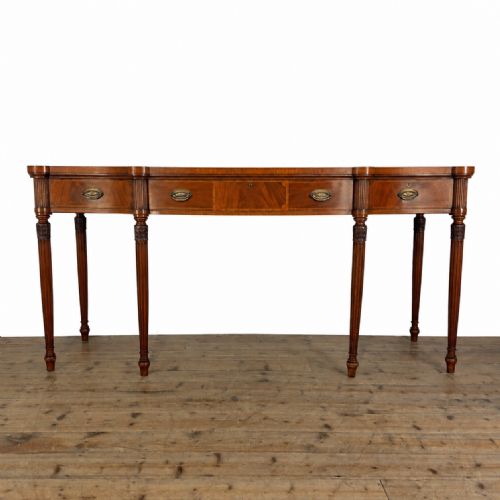
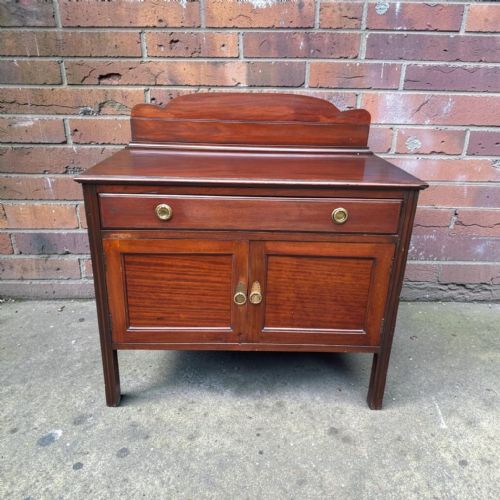
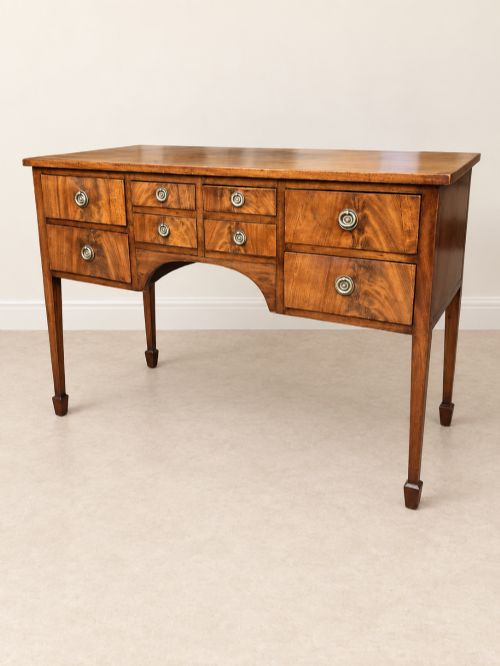
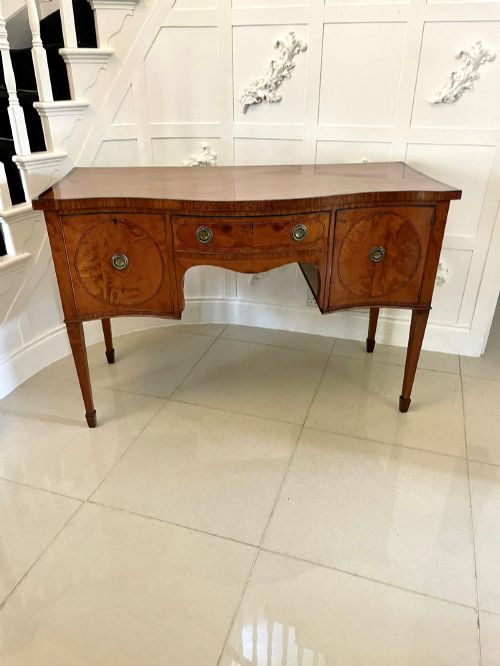
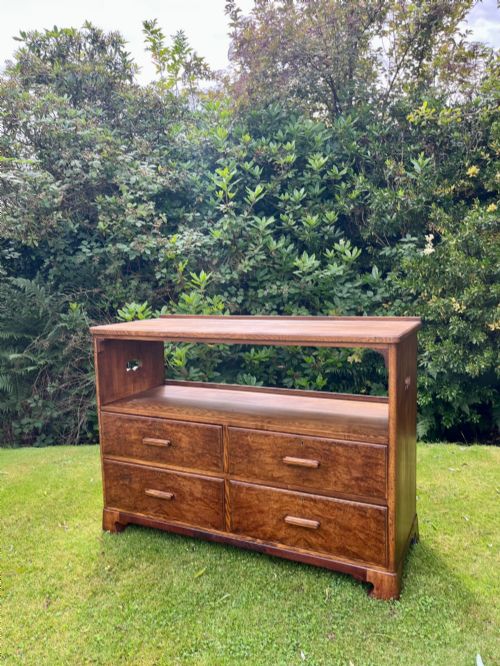
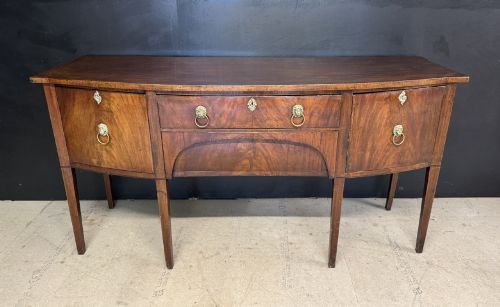
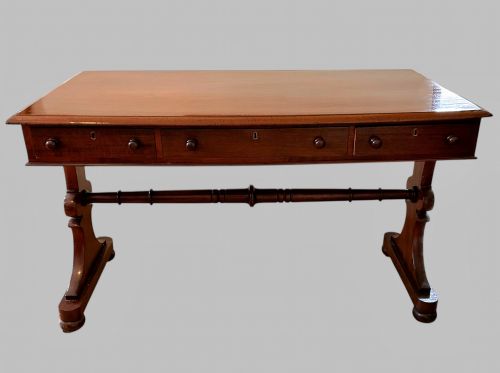
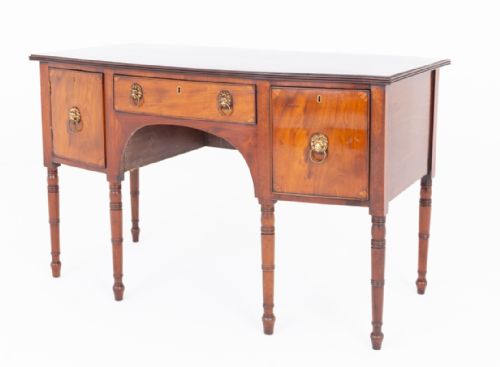
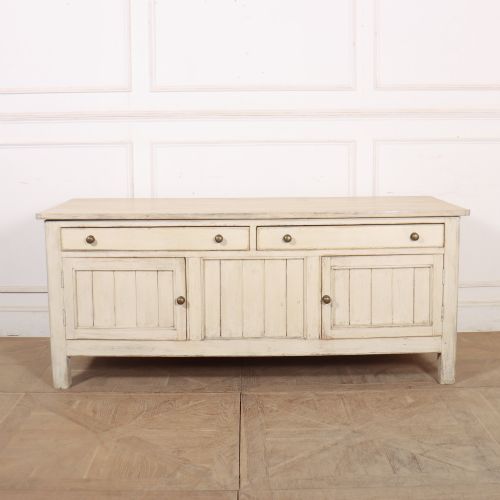
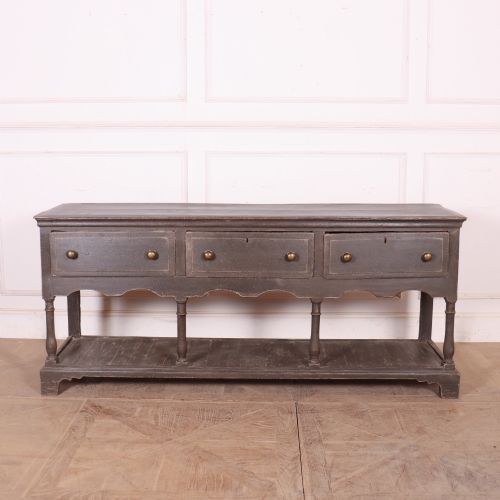
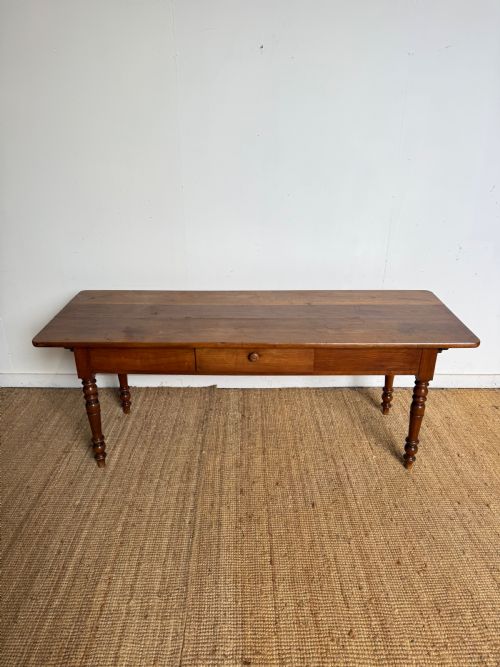
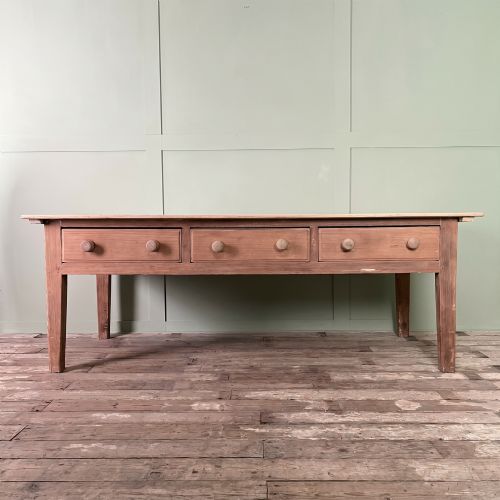
When searching for a vintage timber server, buyers encounter a diverse range of forms designed for storage and service. These pieces include sideboards, chiffoniers, dresser bases, console tables, and serving tables that originate from various regional traditions.
The selection on this page relies heavily on nineteenth-century examples alongside eighteenth-century Georgian and provincial pieces. Sideboards and dresser bases dominate the offerings, providing substantial timber surfaces and storage cabinetry.
Regional variations appear across English country house styles, French provincial tables, and Welsh painted servers. Each form serves the fundamental purpose of holding dining items or displaying household objects.
How they were made
Cabinet makers utilised a variety of solid timbers such as mahogany, oak, pine, walnut, elm, sycamore, and cherrywood. Finer pieces frequently incorporate flame mahogany veneer, satinwood, and boxwood inlay to create decorative surface patterns.
Structural hardware and decorative elements often involve brass fittings and metal details, while several country and regional pieces feature original paint finishes. Construction techniques range from traditional joinery in Georgian sideboards to simpler framing in rustic farmhouse and potboard dresser bases.
Vintage Timber Server Retail Price Guide 2026
Typical asking prices for vintage timber server among the pieces listed under this phrase on Sellingantiques today, from the lower quarter to the upper quarter. They describe what is for sale here now, not the wider market.
Several dairy prep tables and potboard servers retain their original working paint from centuries spent in busy rural kitchens.
What varies in quality
The degree of refinement in timber selection and decorative technique separates standard utility furniture from high-status examples. Pieces featuring figured timbers, intricate boxwood inlay, and serpentine shaping demonstrate superior craftsmanship compared to plain vernacular items.
The presence of original surfaces, such as untouched paint on dresser bases or well-maintained polish on mahogany sideboards, influences the character of the piece. Regional origin and maker attribution, such as work by Whytock and Reid, also distinguish specific items within the range.
Whytock and Reid
The Vintage Timber Server Glossary
- Serpentine
- A front edge curved in a wave shape, convex at the centre and concave at the ends. This contour requires skilled woodworking and appears on high-quality Georgian and Victorian sideboards.
- Potboard
- An open lower shelf on a dresser base or serving table, traditionally used for storing pots and heavy kitchenware. It provides structural stability while offering open display space.
- Chiffonier
- A compact sideboard or cabinet developed in the nineteenth century, typically featuring enclosed shelving below and sometimes a superstructure above. They function well in smaller dining or living spaces.
- Bowfront
- A convex, outwardly curved front facade common on mahogany sideboard designs from the nineteenth century. This shape softens the rectangular profile of the furniture.
- Inlay
- A decorative technique where contrasting woods like boxwood or satinwood are inserted into recesses within the primary timber surface. It defines borders and creates geometric or floral patterns.
Vintage Timber Server: Frequently Asked Questions
What is a timber server used for?
These pieces function primarily as storage and display units for dining rooms, kitchens, and living spaces. Cabinets and drawers hold tableware, linen, and household items.
Flat top surfaces provide space for serving food or displaying decorative objects in domestic interiors.
How do I identify a Georgian sideboard?
Georgian sideboards typically feature solid mahogany construction with balanced proportions and restrained decorative carving. They often incorporate tapering legs and precise drawer arrangements.
Earlier examples may display serpentine or bowfront shapes with subtle boxwood inlay.
What is a potboard dresser base?
A potboard dresser base is a heavy timber table featuring an open slatted shelf near the floor. This lower tier provides structural rigidity to the legs.
Originating in country houses and kitchens, these pieces offer both surface workspace and open storage.
How do I care for a vintage timber surface?
Maintenance involves dusting with a soft cloth and applying appropriate wax polish to nourish the wood. Avoiding direct sunlight and excessive moisture preserves the original finish.
Painted pieces require gentle cleaning without harsh chemical solvents to protect the historic paint layers.