
Vintage Timber Sculpture
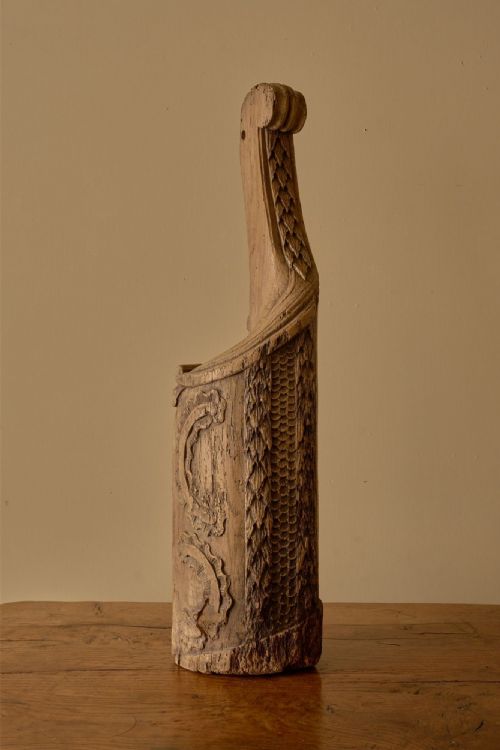
Vintage timber sculpture brings together carved animals, figures and folk art objects spanning the eighteenth, nineteenth and twentieth centuries.
Vintage Timber Sculpture
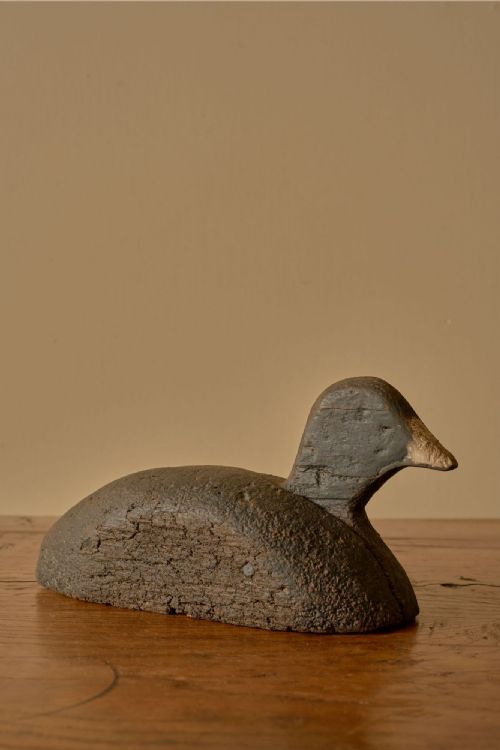
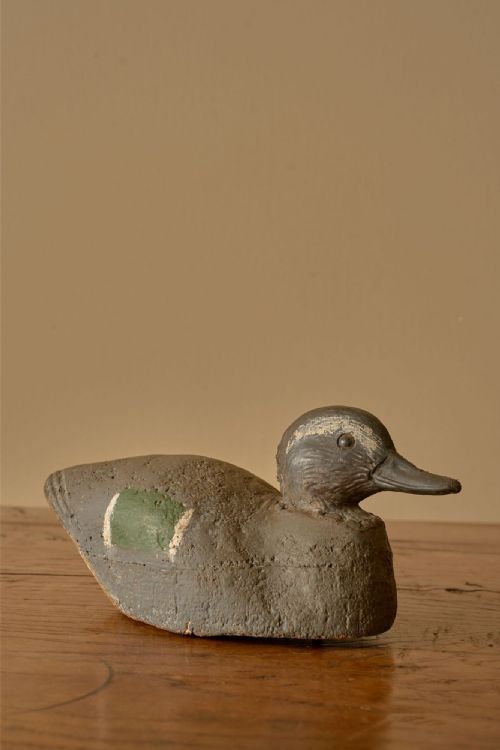
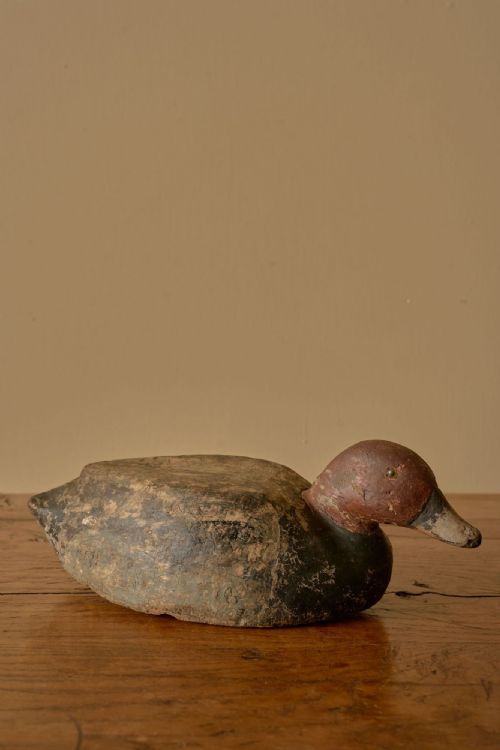
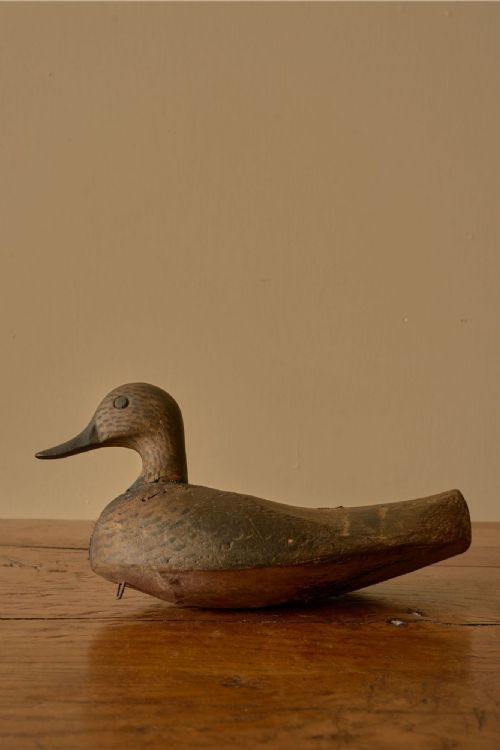
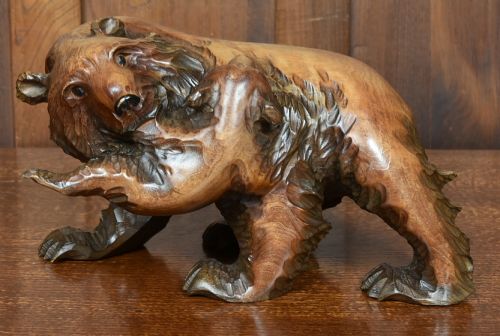
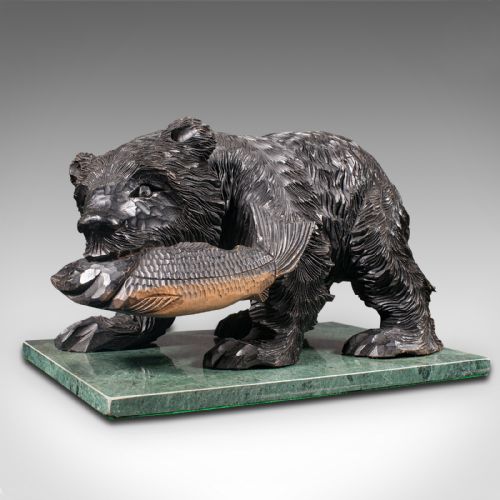
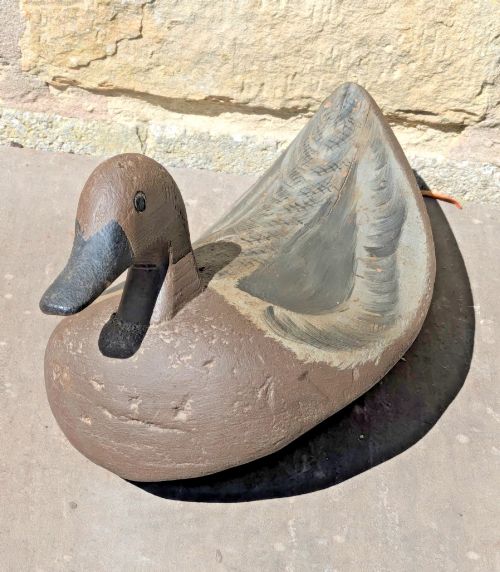
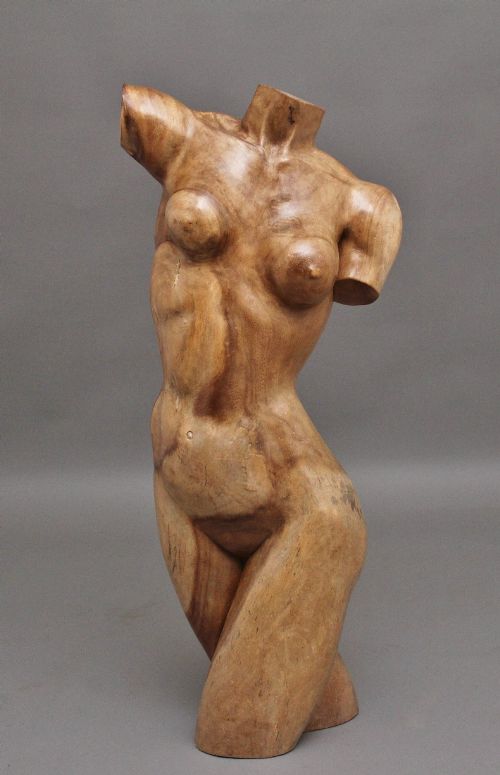
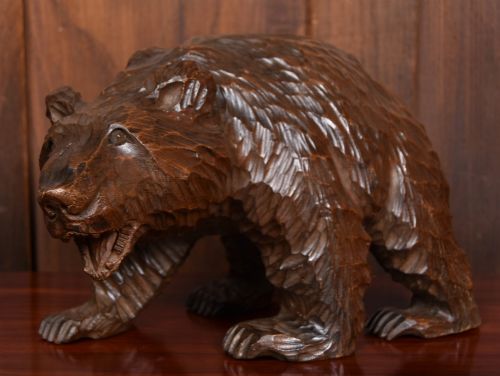
When you search for vintage timber sculpture, you encounter a diverse gathering of carved figures, animals and decorative objects shaped from various woods across multiple periods. The selection ranges from nineteenth-century Black Forest bears and painted decoy ducks to eighteenth-century classical figures and twentieth-century folk art carvings.
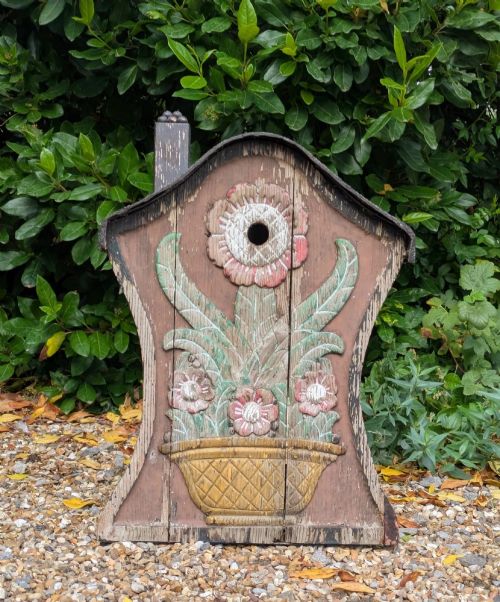
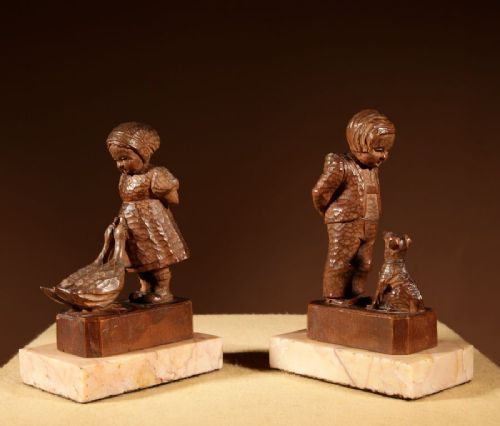
You are most likely to meet animal studies, working decoys and figurative sculptures originating from British, European, Asian and American workshops. These pieces span utility and decoration, uniting utilitarian items like bird boxes and trade signs with purely sculptural forms.
Materials and methods
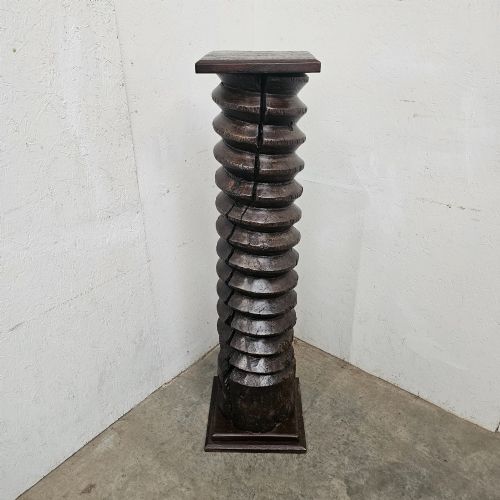
Carvers shaped these pieces using woods such as fruitwood, walnut, oak, teak, yew burr and hardwood, often applying paint, gilt or iron details to finish the surface. Makers employed traditional hand-carving chisels and gouges to realise figures ranging from naive folk art animals to life-size human torsos.
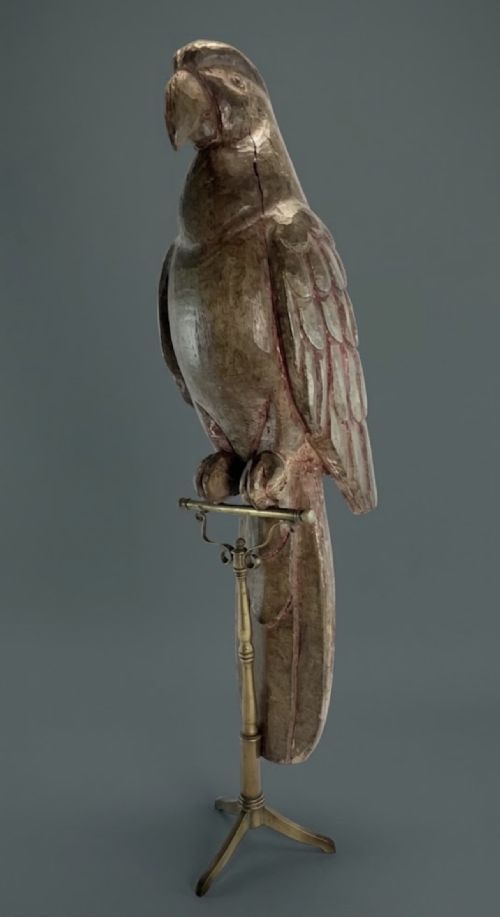
Many works combine carved timber with applied elements, such as glass eyes, brass stands or painted pigments, reflecting the specific regional traditions of their makers.
Listings feature nineteenth and twentieth century pieces carved from walnut, fruitwood, oak, teak and yew burr.
Understanding quality
Original surface preservation also dictates distinction. Untouched painted finishes, honest wear and natural patination elevate a piece far above items stripped or overly restored in later years.
Jules Buste Labatut·G J Lines·George Henry Paulin RBS·V Ramirez
The Vintage Timber Sculpture Glossary
- Decoy
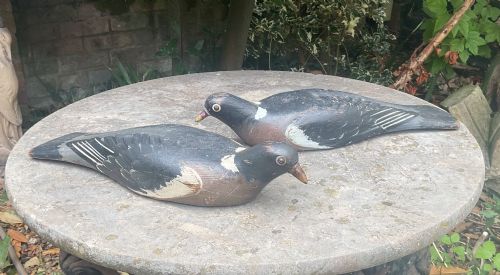
- A carved and painted wooden bird or animal historically used to attract game. These working objects now form a distinct branch of folk art sculpture.
- Black Forest
- A style of wood carving originating from the mountains of central Europe, renowned for realistic animal studies, particularly bears and stags.
- Folk art
- Utilitarian or decorative objects made by self-taught or provincial artisans outside formal academic traditions. They prioritize expressive character over strict naturalism.
- Fruitwood
- A dense, fine-grained timber sourced from fruit-bearing trees such as pear, apple or cherry. Carvers favoured it for detailed miniature and figurative work.
- Burr
- A growth on a tree resulting in distorted grain patterns. Yew burr yields highly decorative surfaces prized in turned and carved objects.
Vintage Timber Sculpture: Frequently Asked Questions
What is a decoy duck?
A decoy duck is a wooden carving historically floated on water to lure wildfowl for hunters. Over time, these functional items gained appreciation for their robust folk art forms and hand-painted surfaces.
Today, they are displayed as decorative sculptures in domestic interiors, valued for their regional styles and historical patination.
How do I date a wooden sculpture?
Dating relies on tool marks, timber choice, construction methods and stylistic markers associated with specific periods like the nineteenth century or the Edwardian era. Pigments and surface wear also offer clues to age.
Comparing a piece against documented examples from similar workshops helps narrow down the decade of creation.
What is Black Forest carving?
Black Forest carving refers to highly detailed wooden sculptures, particularly of bears, dogs and forest animals, produced in European mountain regions during the nineteenth and early twentieth centuries. These pieces often served as functional items like umbrella stands or hall benches.
The style is celebrated for its deep relief and lifelike rendering of animal anatomy.
How do I care for timber sculptures?
Timber sculptures require stable indoor humidity away from direct sunlight and heat sources to prevent the wood from drying out or splitting. Occasional dusting with a soft, dry cloth preserves the surface.
Avoid applying modern polishes or oils unless recommended for the specific painted or bare wood finish.