




Vintage Timber Glass
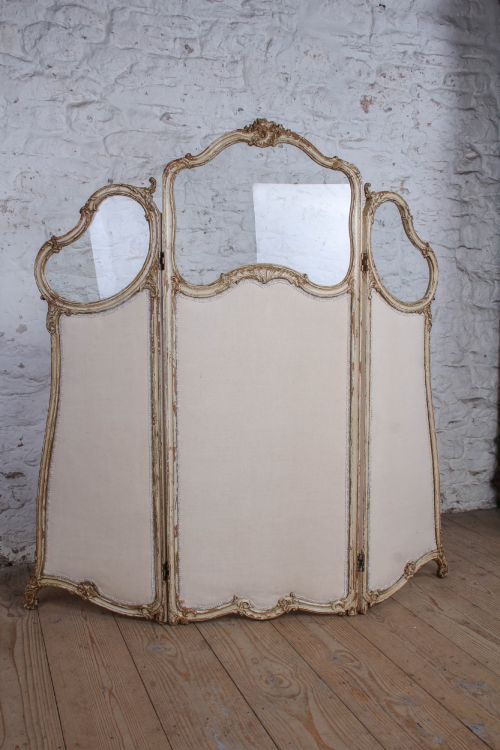
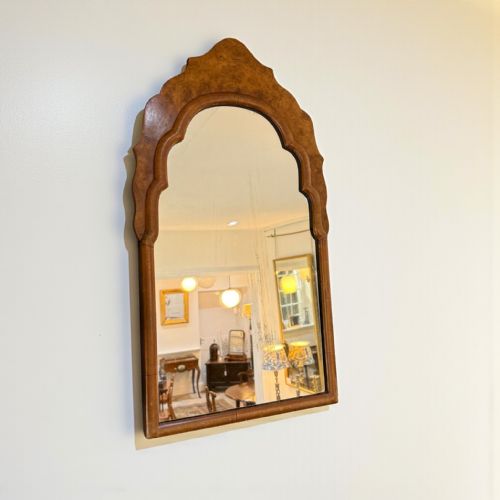
These vintage timber glass pieces unite solid woods and clear panes across Victorian, Edwardian and earlier centuries.
Vintage Timber Glass
Vintage timber glass items span functional furniture and decorative objects built from wood and glass.
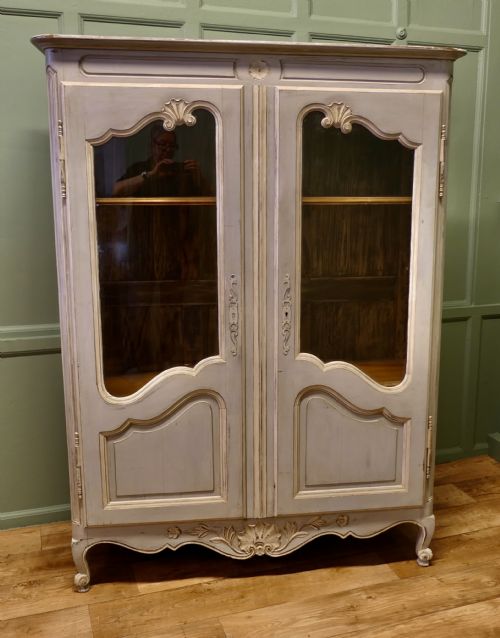
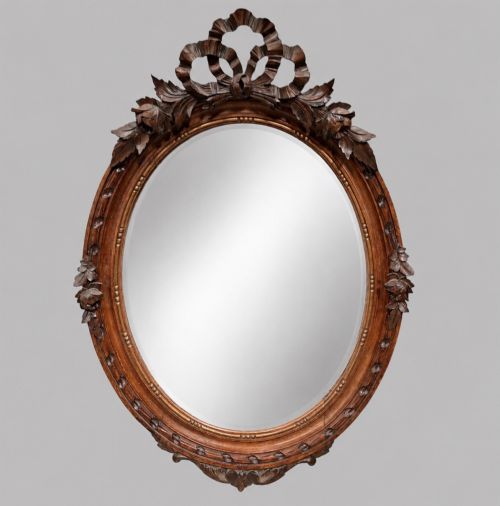
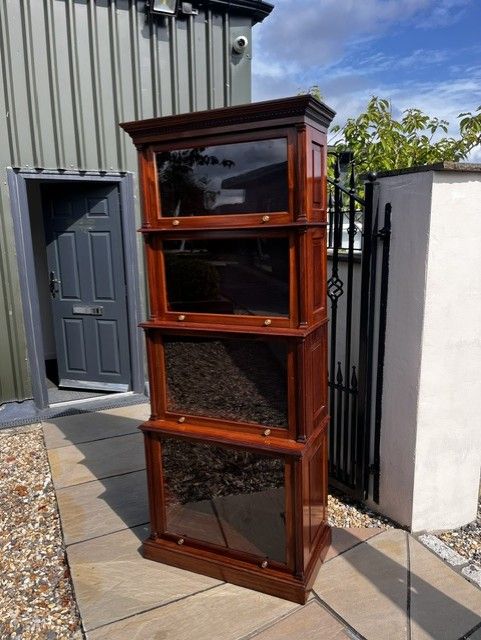
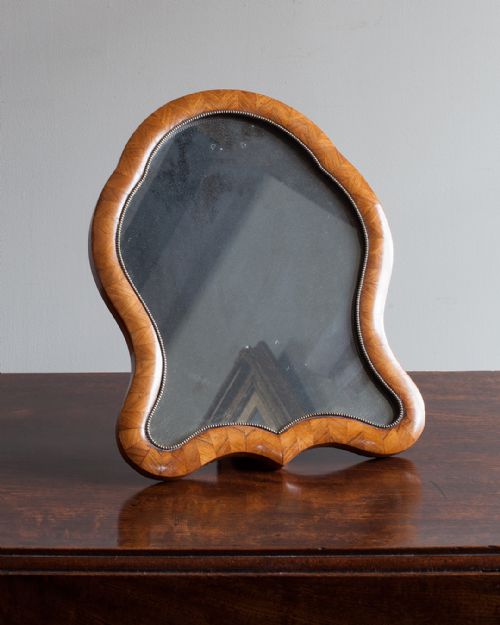
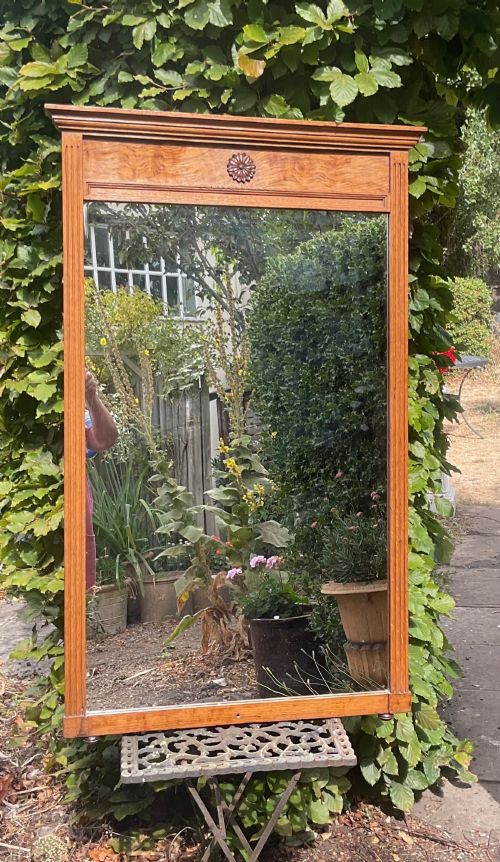
Mirrors, display cabinets, barometers and bookcases dominate the selection, framed in oak, mahogany and walnut.
Pieces stretch from the Victorian and Edwardian eras back to George III style and forward to the nineteen-twenties.
How vintage timber glass items were made
Carpenters utilised solid timber frames like oak and mahogany, often joining structural sections with traditional joints.
Glass panels were set into rebated wood surrounds, secured in cabinets, mirrors and barometers.
Carvers shaped intricate details directly into the wood, including ivy wreaths and Black Forest motifs.
Vintage Timber Glass Retail Price Guide 2026
Typical asking prices for vintage timber glass among the pieces listed under this phrase on Sellingantiques today, from the lower quarter to the upper quarter. They describe what is for sale here now, not the wider market.
A pair of carved wooden owls keeps watch over your letters while pretending to be bookends.
What varies in quality
The precision of the timber carving and the clarity of the glass set the standard for each piece.
Cabinet construction ranges from simple painted surfaces to heavy, solid mahogany stacking sections with integrated glass doors.
Original fittings such as porcelain dials on barometers and undamaged glass panes elevate the integrity of the object.
The Vintage Timber Glass Glossary
- Barometer
- An instrument used to measure atmospheric pressure, often housed in a carved timber case with a glass dial cover.
- Cheval mirror
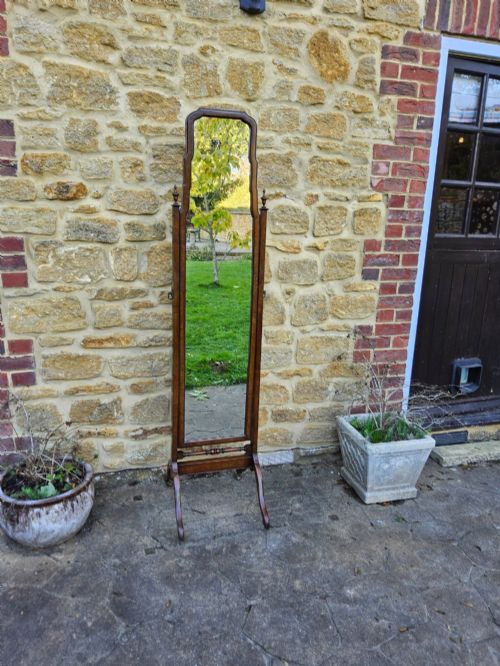
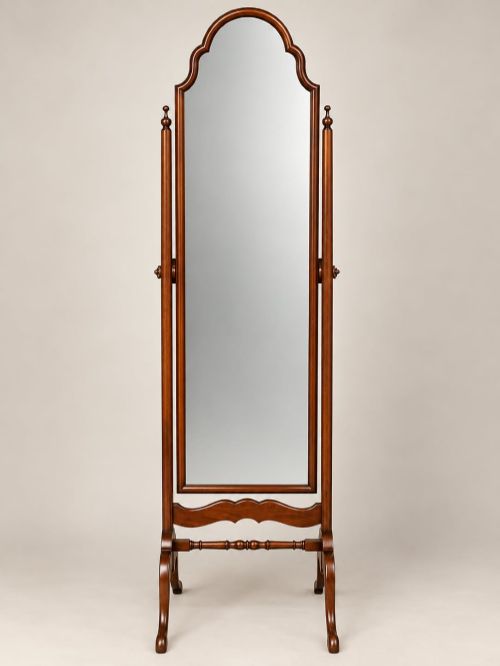
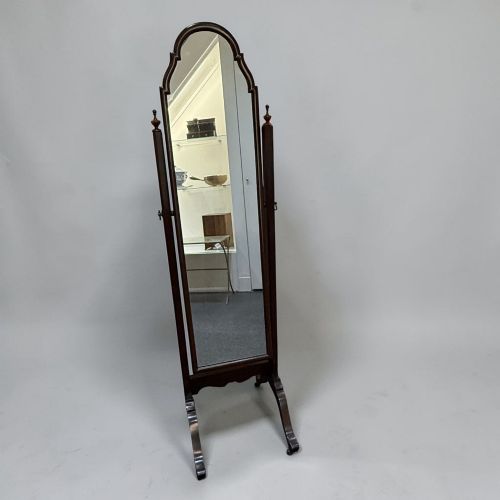
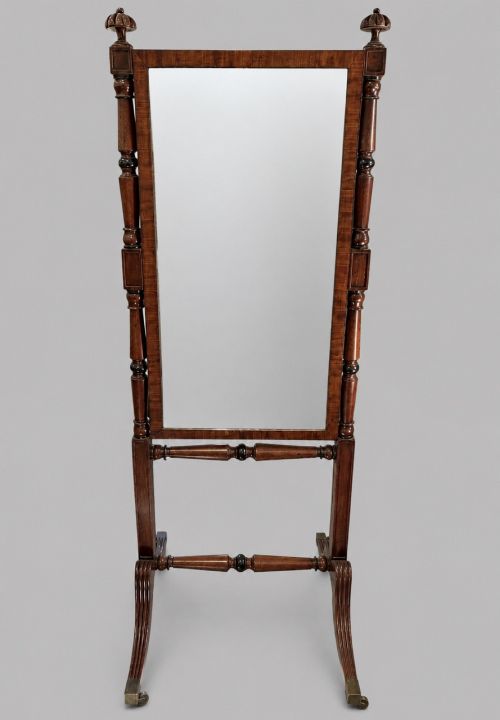
- A freestanding full-length mirror hung on a pivoting frame between upright timber supports.
- Vitrine
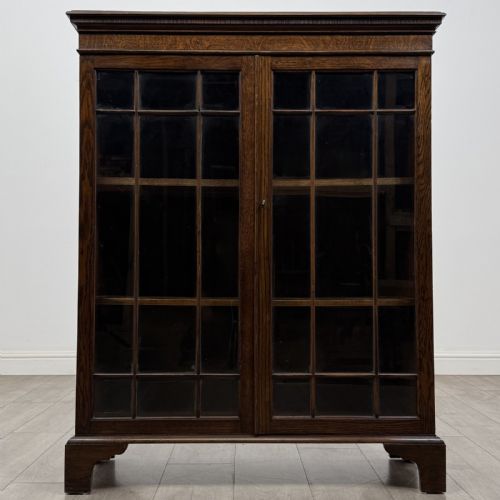
- A glass-fronted cabinet or display case designed to showcase porcelain, books or collectables.
- Overmantle mirror
- A large mirror designed to hang specifically above a fireplace mantelpiece.
- Skeletonised movement
- A clock or barometer mechanism with visible internal workings exposed through glass or an open dial.
Vintage Timber Glass: Frequently Asked Questions
How do I clean timber frames and glass safely?
Use a soft, dry cloth to remove dust from carved timber surfaces without disturbing the finish. Apply a gentle glass cleaner to a cloth rather than spraying directly onto the glass near old wood.
Keep wooden frames away from direct heat sources and excessive moisture to prevent warping or cracking of the antique structure.
Can these display cabinets hold heavy books?
Barristers bookcases and larger mahogany cabinets are built with sturdy timber shelving designed to support substantial weight. Distribute books evenly across the shelves to maintain structural balance.
Check the depth and weight capacity of individual sections, particularly in stacking barrister styles, before loading heavier volumes.
How do I identify a Victorian mirror from an Edwardian one?
Victorian mirrors often feature heavier, deep-relief carved oak frames with darker tones and elaborate ornamentation. Edwardian examples tend to display lighter timber, such as blonde oak or mahogany, with cleaner lines.
Examine the backing boards and fixings, as older Victorian pieces frequently utilise hand-beveled glass and older screw types.
Where should I place a heavy cheval mirror?
Position freestanding cheval mirrors on level flooring away from high-traffic household areas where they might be knocked. Ensure the pivot screws on the upright supports are balanced so the glass tilts securely.
Anchor large wall mirrors and floor screens properly to wall studs to ensure stability in daily use.