



Vintage Timber Decoy
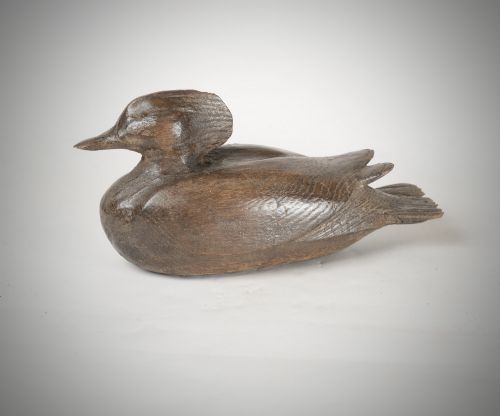
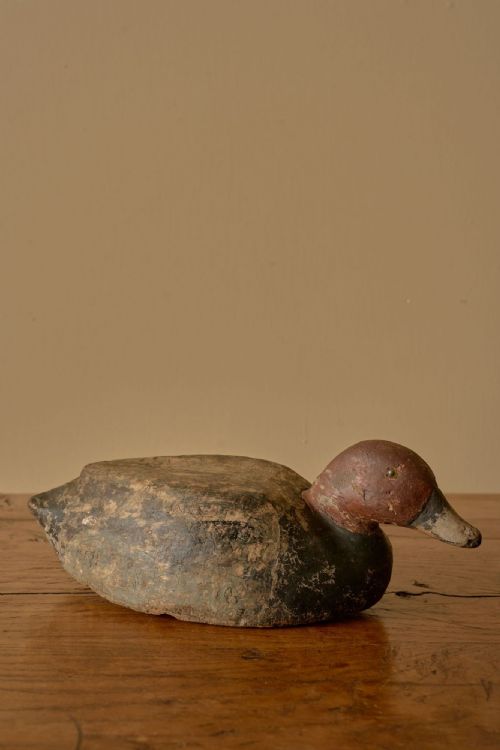
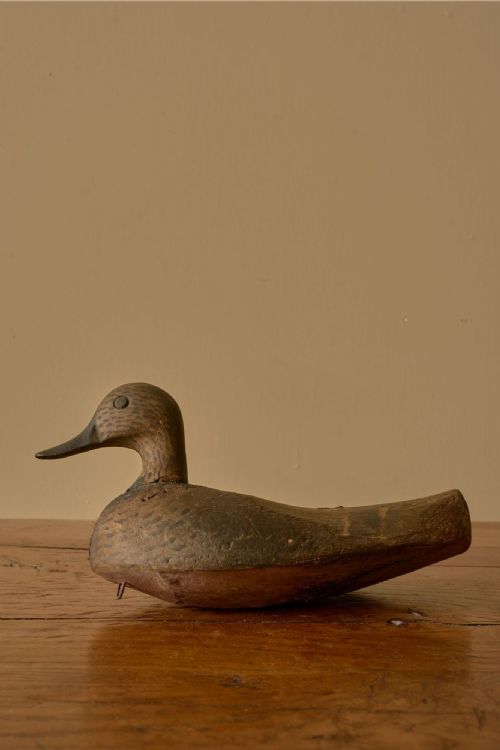
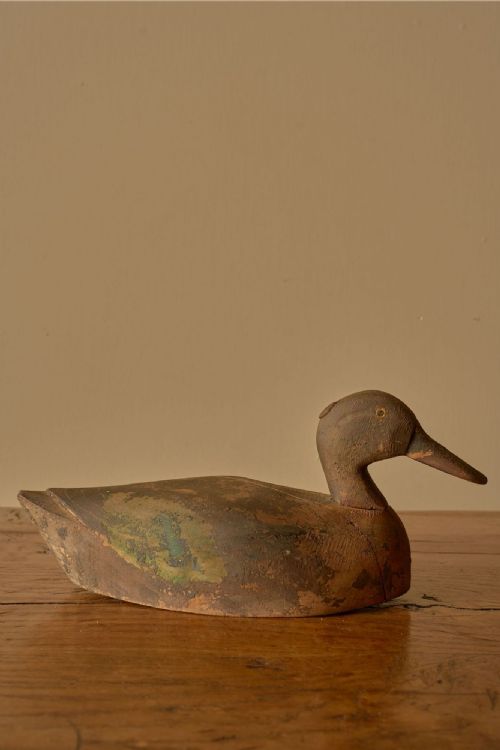
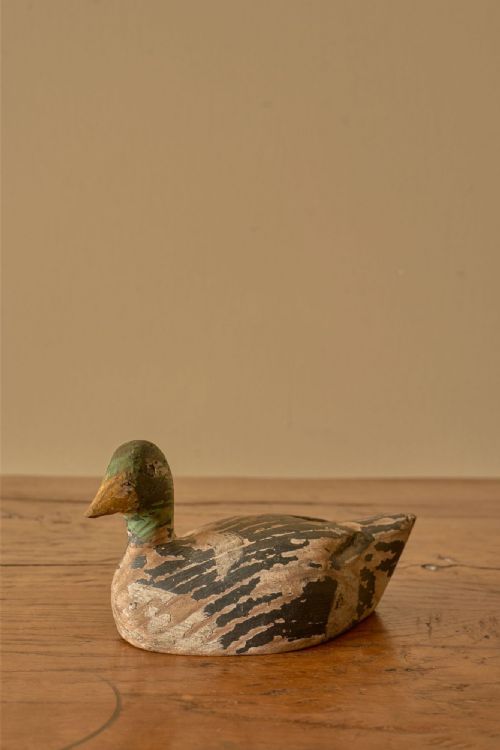
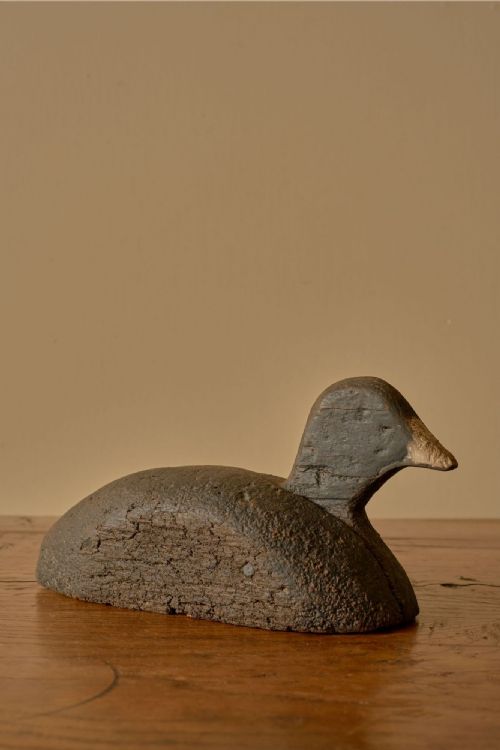
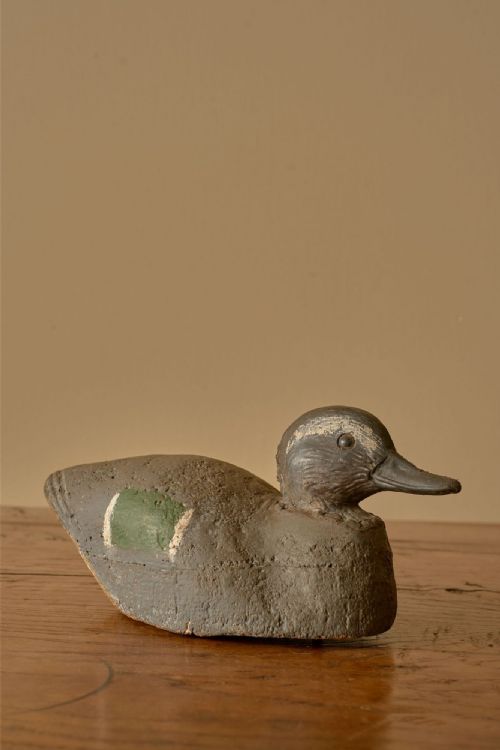
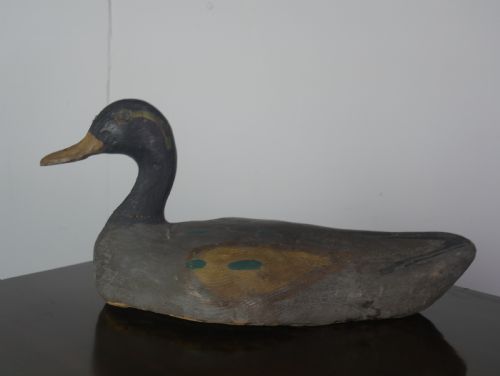
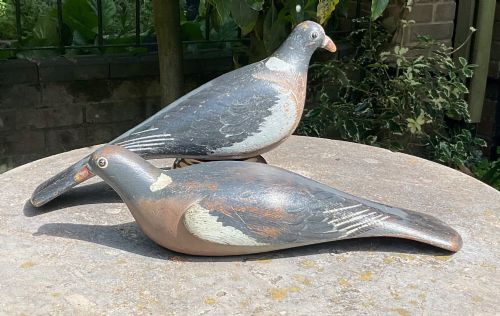
These vintage timber decoy pieces bring rugged folk art character to a room, shaped from carved wood and layered with weathered paint.
Vintage Timber Decoy
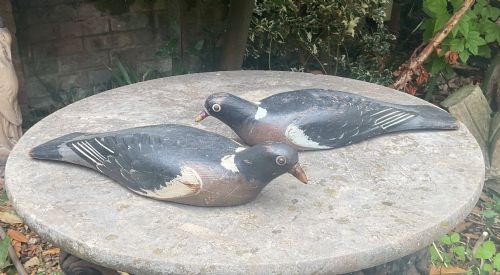
A vintage timber decoy is a carved wooden figure historically utilised by hunters to attract birds, now collected primarily as decorative folk art sculpture. These sculptural items range from working waterfowl and pigeons to decorative loons and geese.
The pieces encountered most frequently span the nineteenth century through the 1930s, including Edwardian examples and early twentieth-century creations from English and French makers. They appear singly, in pairs, or in small sets.
Forms include classic decoy ducks, pigeon decoys, and larger geese, alongside related treen bird calls. Their appeal lies in the tactile honesty of carved timber and the weathered patina of original paint surfaces.
Materials and construction
Makers fashioned these decoys from solid wood, hardwood, and turned timber, shaping the bodies through manual carving. Iron elements occasionally appear in structural details or fixings, while glass is sometimes utilised for eyes.
Surface decoration relies heavily on paint applied directly to the carved wood. Over decades, this paint develops natural craquelure, wear, and fading that define the aesthetic of early folk art pieces.
Vintage Timber Decoy Retail Price Guide 2026
Typical asking prices for vintage timber decoy among the pieces listed under this phrase on Sellingantiques today, from the lower quarter to the upper quarter. They describe what is for sale here now, not the wider market.
Listings feature items spanning the 19th century, Edwardian era, 1920, and 1930, predominantly categorised under English and French folk art.
Judgments of quality
Quality rests in the sculptural strength of the carving and the character of the remaining paint surface. Pieces with crisp tool marks and untouched original pigment command attention over heavily restored examples.
Anatomical proportion and expressive posture distinguish superior folk art sculptures from utilitarian production. The presence of original working elements and harmonious ageing elevate individual pieces within the genre.
The Vintage Timber Decoy Glossary
- Treen
- Small handmade wooden household objects and utilitarian items, ranging from bird calls to turned vessels. The term derives from the old word for tree.
- Decoy
- A carved or moulded figure used to attract wild birds or animals. In antique collecting, these working items are appreciated as sculptural objects.
- Craquelure
- The fine pattern of dense cracking formed on painted surfaces as the medium ages and contracts over time. This network of lines serves as an indicator of surface age.
Vintage Timber Decoy: Frequently Asked Questions
What is a vintage timber decoy?
A vintage timber decoy is a carved wooden bird sculpture originally created for hunting purposes during the nineteenth and early twentieth centuries.
Today, collectors value these items as decorative folk art sculpture, displaying them on shelves, tables, and mantelpieces for their rustic aesthetic.
How do I date an old decoy?
Dating relies on examining the timber species, tool marks left by the carver, and the composition of the paint layers.
Nineteenth-century and Edwardian pieces often exhibit hand-carved contours and worn paint surfaces that differ noticeably from later manufacturing methods.
Where were these decoys made?
Surviving examples originate from various regions, with English and French pieces frequently appearing on the market.
Makers utilised local hardwoods and regional painting styles, creating distinct characteristics that help identify their geographic origins.
How should I display wooden decoys?
These sculptural objects suit placement in traditional and contemporary interiors alike, often grouped in pairs or small sets.
Keep them away from direct sunlight and excessive heat fluctuations to protect the original painted wood surfaces.