

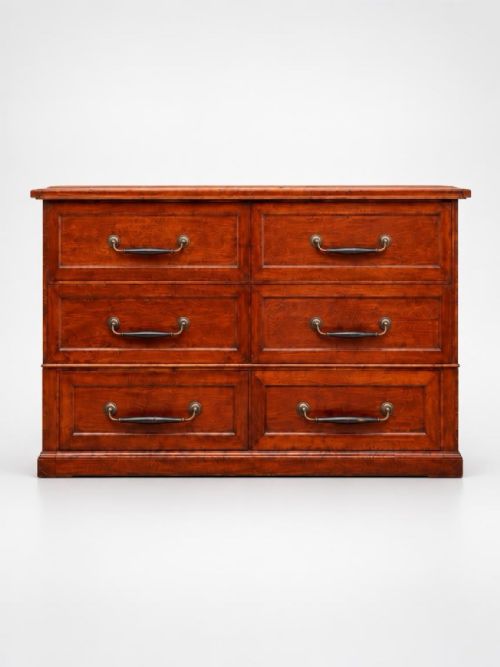
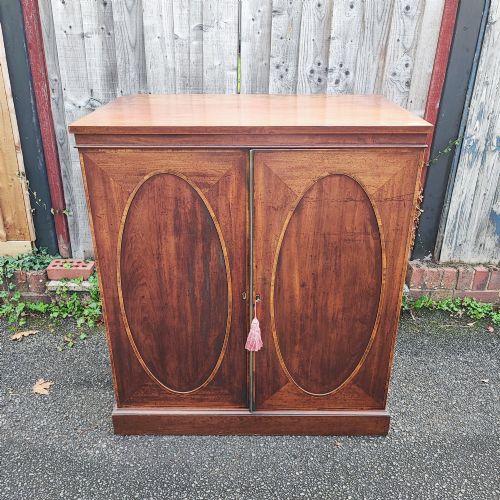
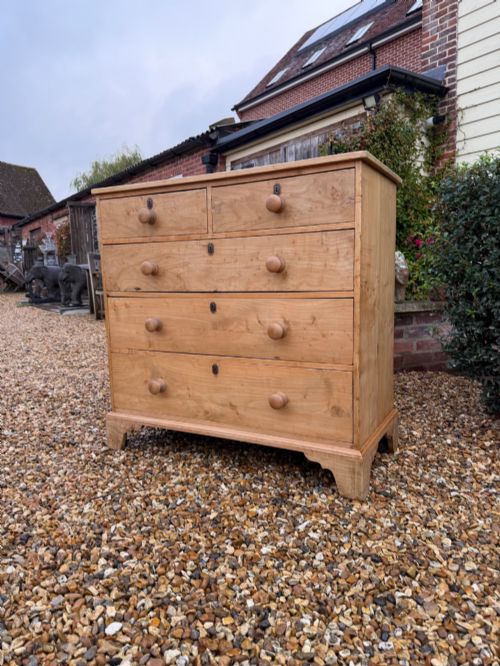
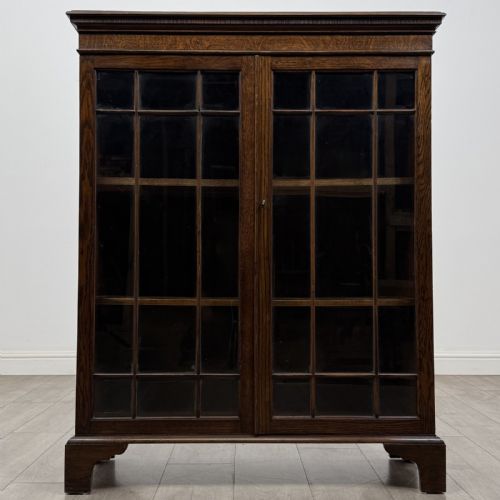
Vintage Timber Cabinet
A vintage timber cabinet brings warmth and utility to a room, offering robust storage shaped by decades of domestic life.
Vintage Timber Cabinet
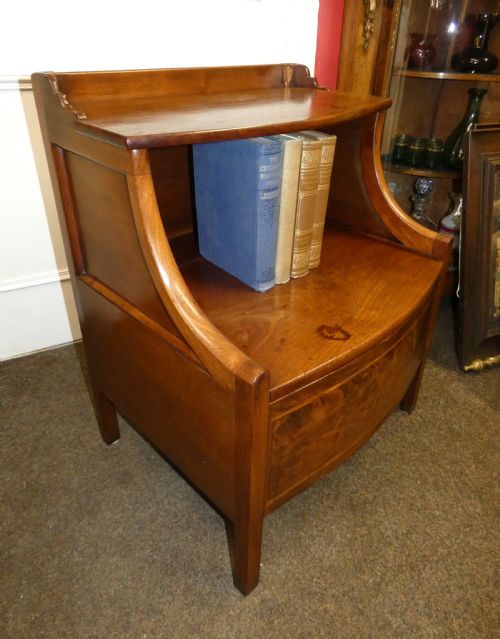
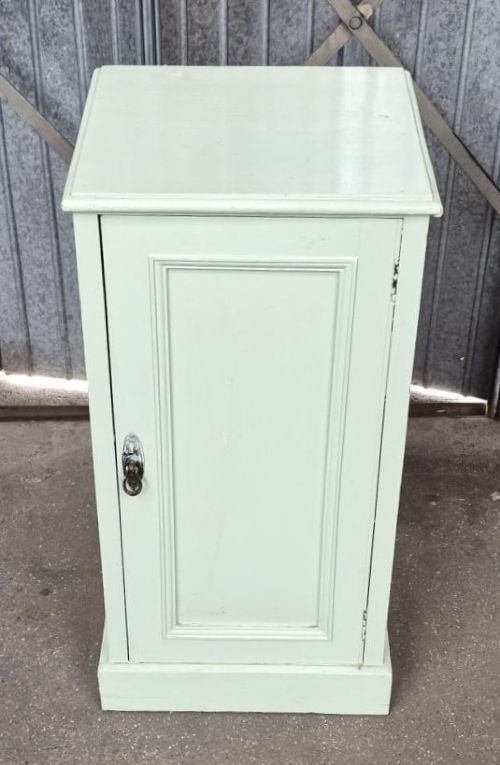
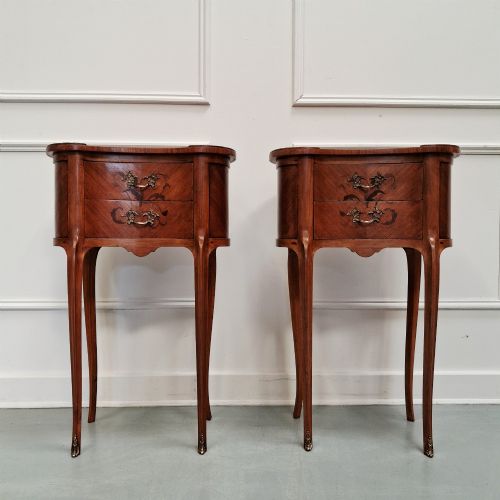
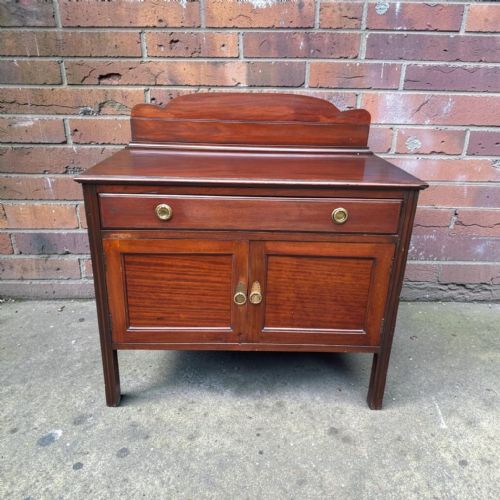
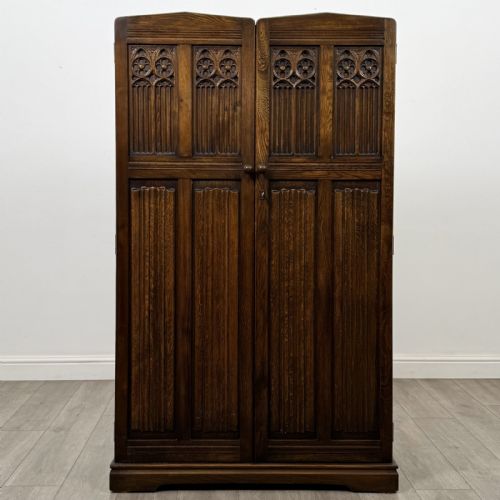
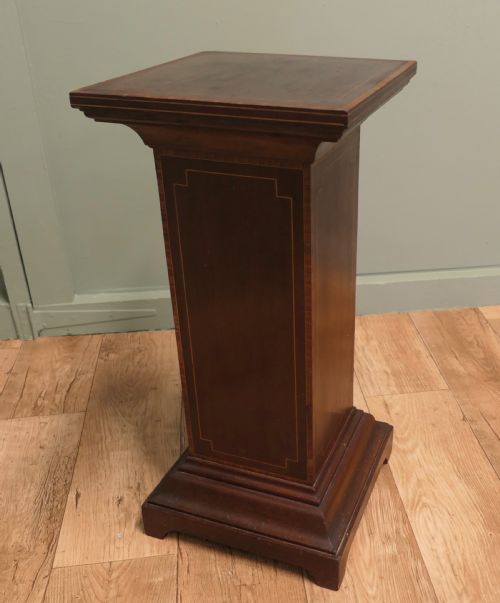
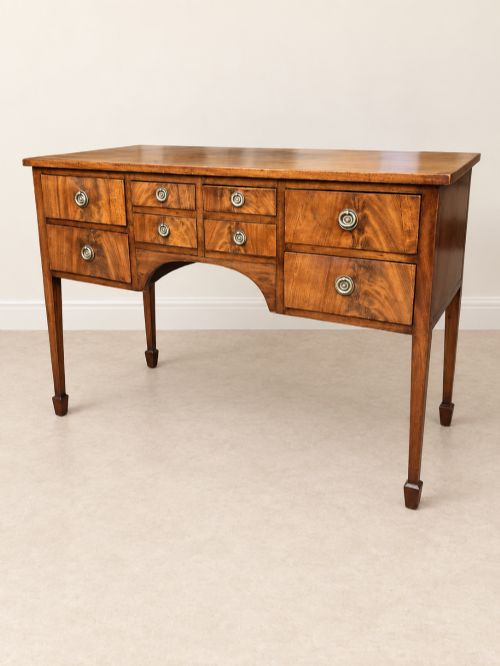
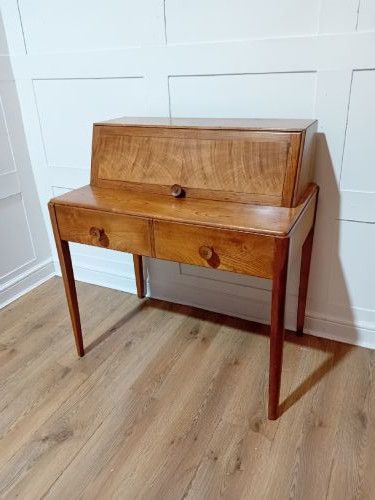
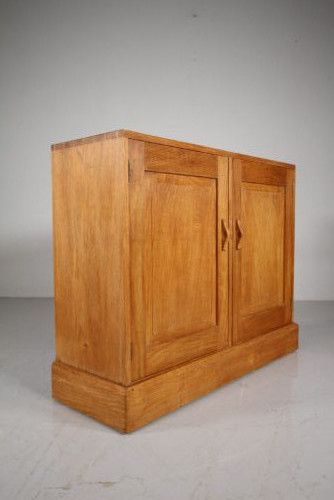
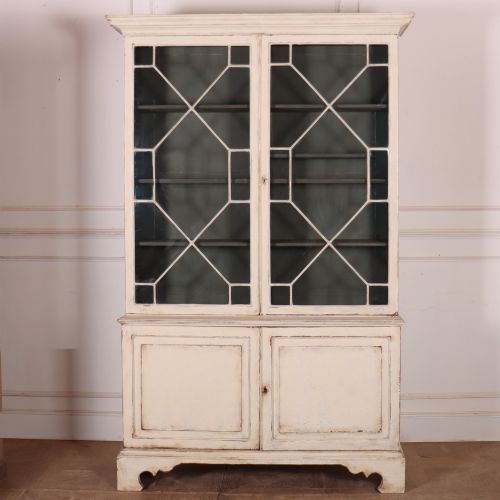
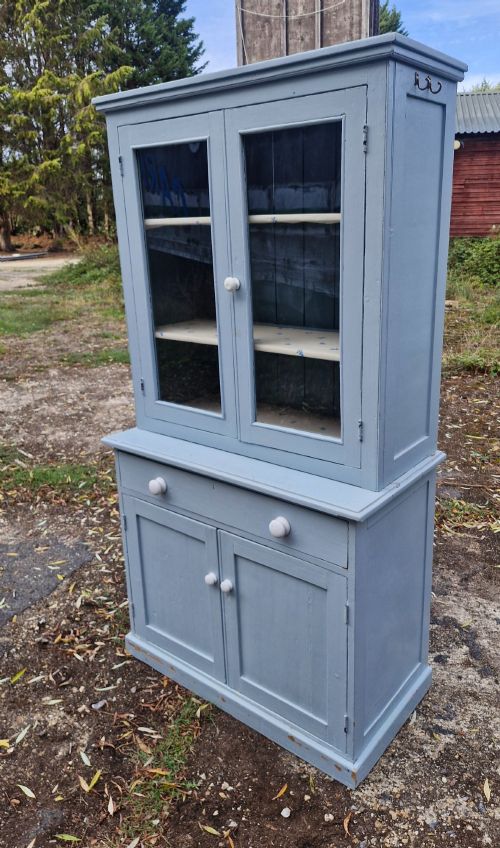
A vintage timber cabinet encompasses a wide array of functional storage forms, from bedside cupboards to large sideboards and bookcases. The selection spans the nineteenth and twentieth centuries, drawing on periods such as Victorian, Edwardian, and Art Deco.
Stylistic influences vary significantly across the inventory, touching upon Arts and Crafts simplicity, Gothic Revival mass, and the clean geometric lines of the 1930s. Each piece retains the specific architectural vocabulary of its decade of origin.
How they were made
Construction relies heavily on solid hardwoods like mahogany, oak, and walnut, complemented by secondary softwoods like pine for internal carcases. Timber is selected for grain pattern, stability, and durability.
Surface treatments range from waxed and polished finishes that highlight natural wood figures to scumble paint, distressed paint, and intricate mother of pearl inlay. Joinery techniques prioritize longevity, utilising dovetailed drawers and panelled doors.
Vintage Timber Cabinet Retail Price Guide 2026
Typical asking prices for vintage timber cabinet among the pieces listed under this phrase on Sellingantiques today, from the lower quarter to the upper quarter. They describe what is for sale here now, not the wider market.
Some nineteenth-century housekeepers managed entire households from deep within scumble-painted pine cupboards.
What varies in quality
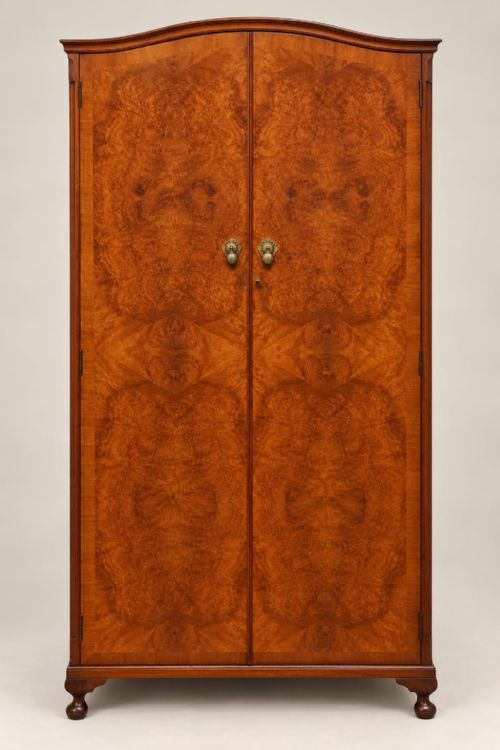
The degree of refinement in timber selection and veneer matching defines the upper tier of pieces. Burr walnut and figured mahogany command attention through carefully balanced grain placement across large surfaces.
Construction integrity and hardware fidelity separate standard utility items from high-end commissions. Original brass fittings, well-executed hand carving, and precise joinery distinguish workshop pieces from mass production.
Arthur Basil Reynolds·Whytock and Reid·Waring and Gillow·Druce and Co
The Vintage Timber Cabinet Glossary
- Vitrine
- A glass-fronted cabinet or display case used for exhibiting porcelain, books, or small objects. The style often incorporates detailed glazing bars and delicate framing.
- Chiffonier
- A low sideboard or cupboard featuring drawers and shelves, popular in nineteenth-century interiors. It typically combines serving surfaces with enclosed lower storage.
- Enfilade
- A suite of rooms or a long piece of furniture arranged in a straight line. In cabinetry, it refers to a long sideboard or low cabinet with multiple doors.
- Linen press
- A tall cupboard traditionally used for storing folded linen and bedding on sliding trays. Upper sections often house shelving while lower portions contain drawers.
- Barristers bookcase
- A stacking bookcase featuring glazed doors that lift and slide into the case above each shelf. This modular design allows sections to be added vertically as libraries grew.
Vintage Timber Cabinet: Frequently Asked Questions
How do I choose the right size timber cabinet for my space?
Measure your available floor area and ceiling height carefully before browsing, keeping doorways and hallways in mind for delivery.
Consider the depth of the piece, particularly for wardrobes and sideboards, to ensure drawers and doors can open fully without obstruction.
How do I care for antique wood surfaces?
Maintain timber cabinets by keeping them away from direct sunlight and sudden temperature shifts, which can cause wood to warp or split.
Apply a quality wax periodically to nourish the grain and protect the finish from everyday wear.
What is the difference between an Art Deco cabinet and a Victorian one?
Victorian pieces typically display heavy proportions, darker timbers like mahogany or walnut, and ornate carved details or turned columns.
Art Deco examples favor sleek geometric silhouettes, figured veneers, and streamlined hardware reflective of the 1930s aesthetic.
Can these cabinets be used in modern interiors?
Timber storage pieces offer versatile utility that bridges traditional and contemporary design schemes.
A painted pine cupboard or a clean-lined walnut sideboard can serve as a functional anchor in a minimalist or eclectic room.