


Vintage Tilt Floor Mirror
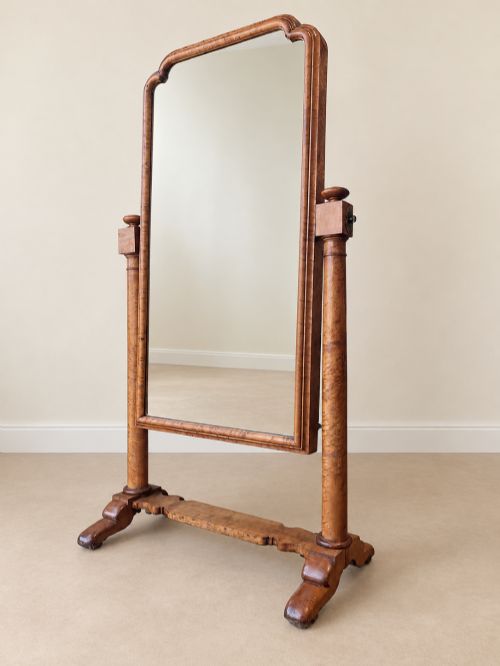
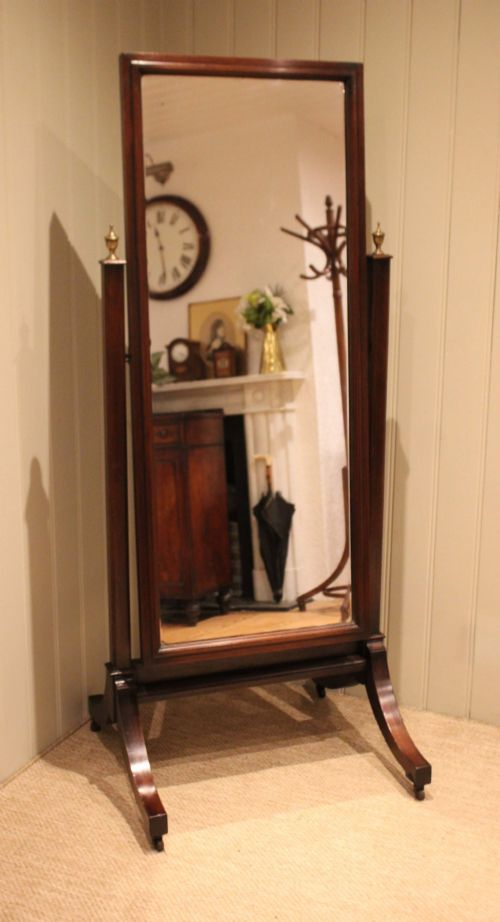
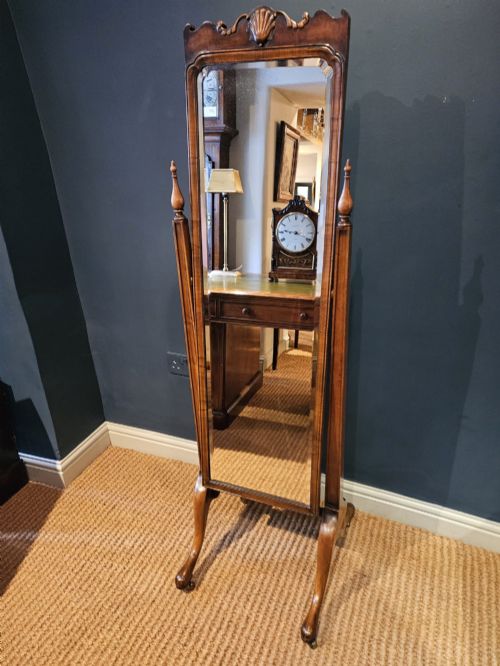
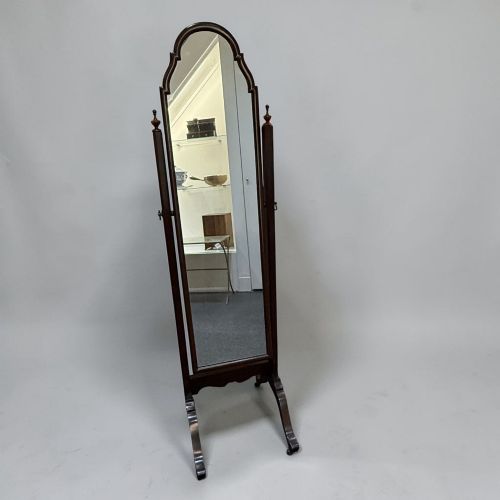
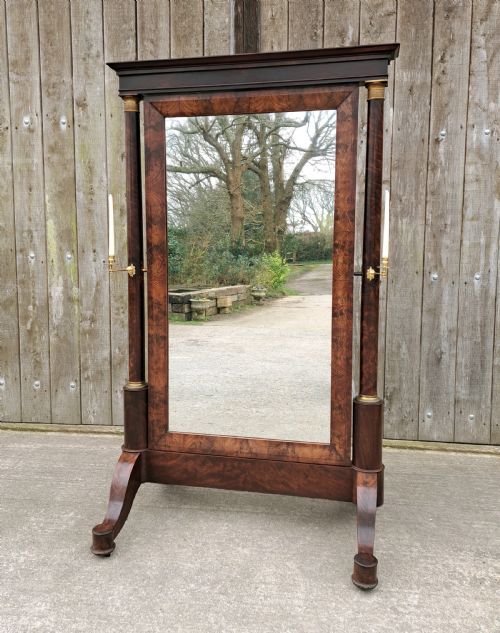
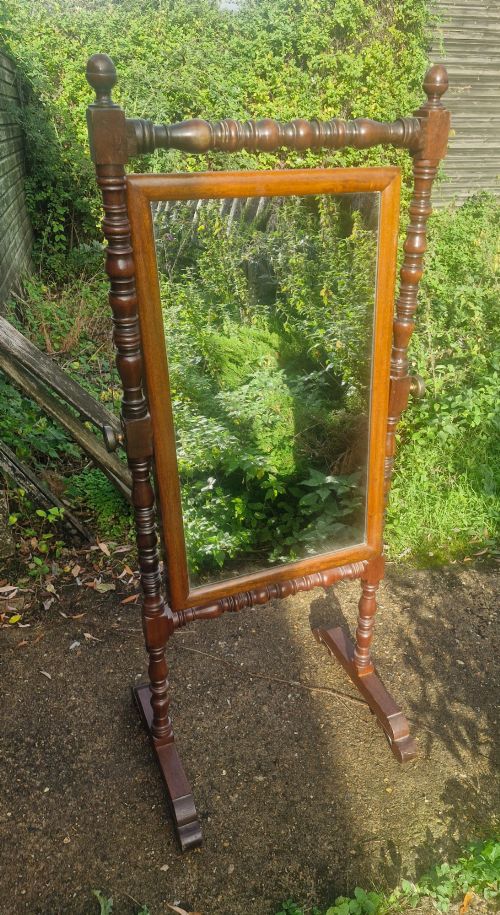
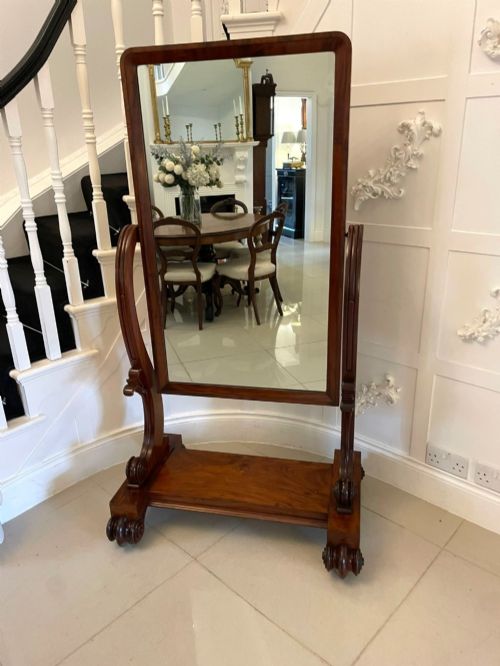
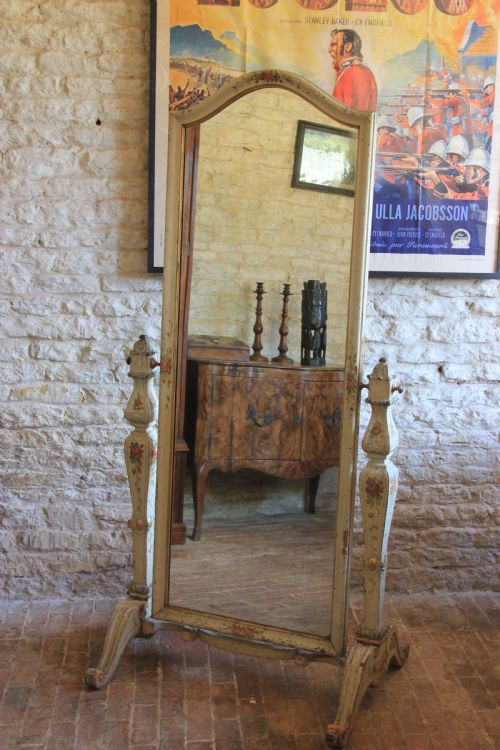
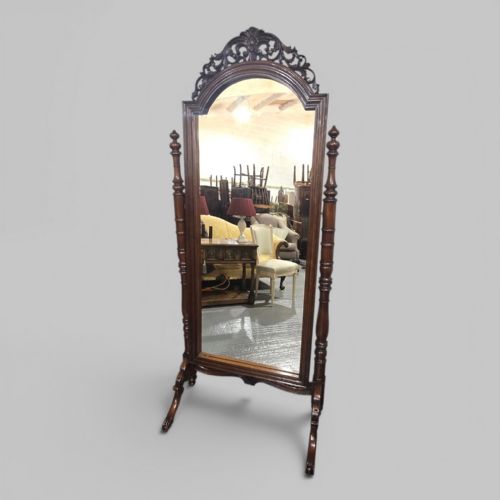
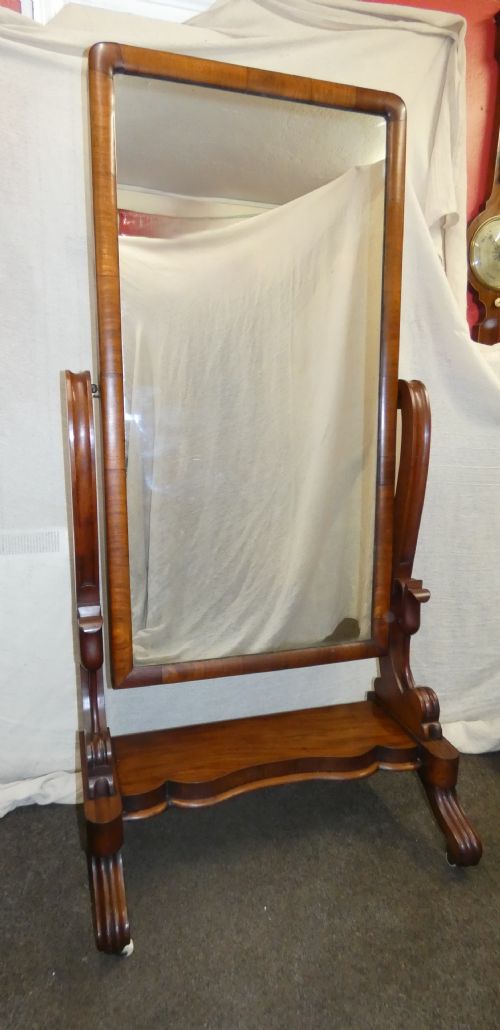
These vintage tilt floor mirror designs offer full-length reflection framed in mahogany, walnut, or oak, pivoting easily on their upright stands.
Vintage Tilt Floor Mirror
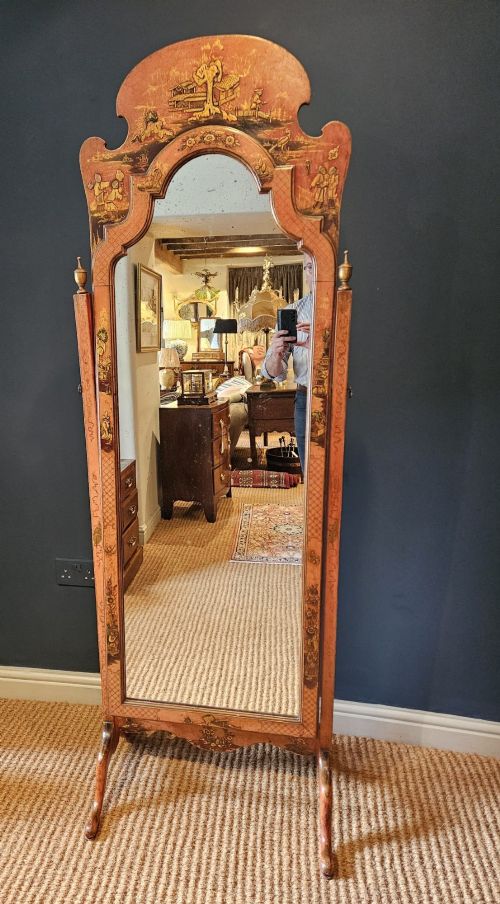
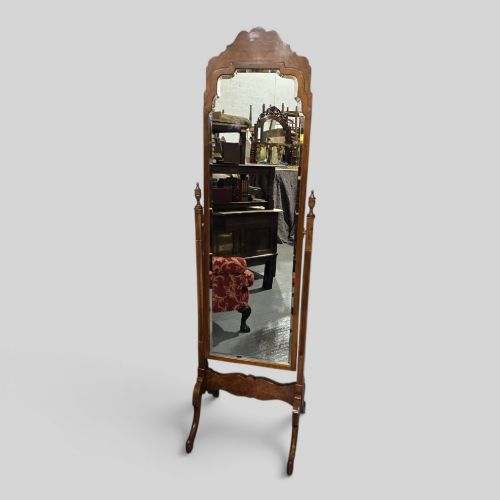
When you search for a vintage tilt floor mirror, you encounter freestanding dressing glasses designed to pivot within a supportive wooden frame. These pieces, known historically as cheval mirrors, allow users to adjust the angle of reflection from head to toe.
The selections available here span several distinct periods, drawing heavily from the nineteenth century, Edwardian era, and the nineteen-twenties. Mahogany remains the dominant timber across these examples, alongside variations in walnut, oak, and lacquered wood.
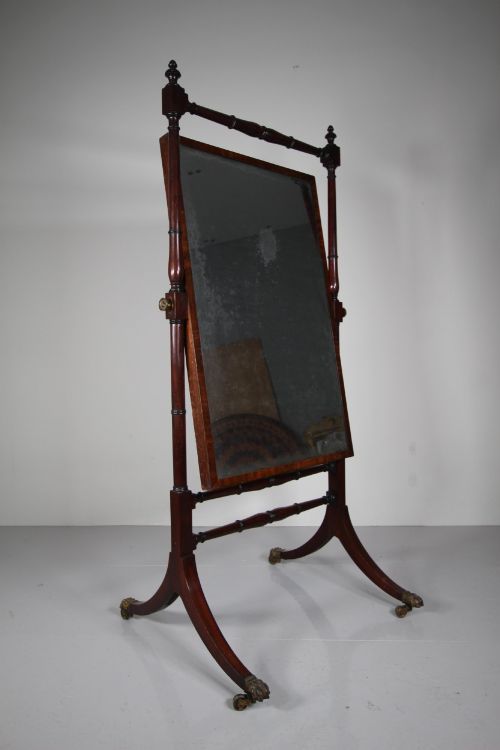
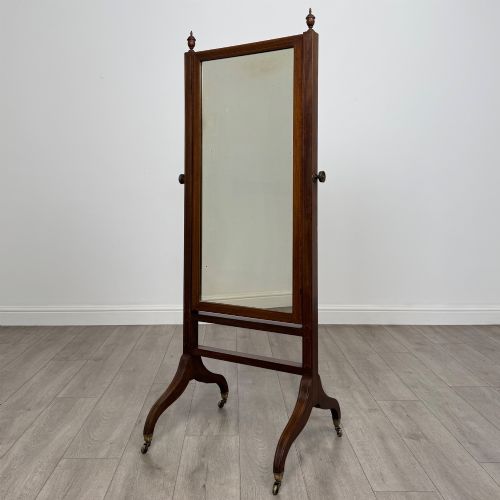
Form follows function with sturdy upright supports resting on splayed legs, sabre feet, or platform bases. Many incorporate brass castors to facilitate movement around a bedroom or dressing chamber.
How they were made
Cabinetmakers constructed the frames primarily from dense hardwoods like mahogany and burr walnut, often employing fine veneers and subtle inlay work. Structural integrity relied on traditional joinery to support the weight of the pivoting glass plate.
The mirror plates themselves hang between two vertical posts using adjustable brass screw pins or pivot hardware. This mechanism allows the glass to tilt forward or backward while remaining secure at the chosen angle.
Vintage Tilt Floor Mirror Retail Price Guide 2026
Typical asking prices for vintage tilt floor mirror among the pieces listed under this phrase on Sellingantiques today, from the lower quarter to the upper quarter. They describe what is for sale here now, not the wider market.
One recorded mirror once belonged to a General Meigs, crossing the Atlantic with a military pedigree.
What varies in quality
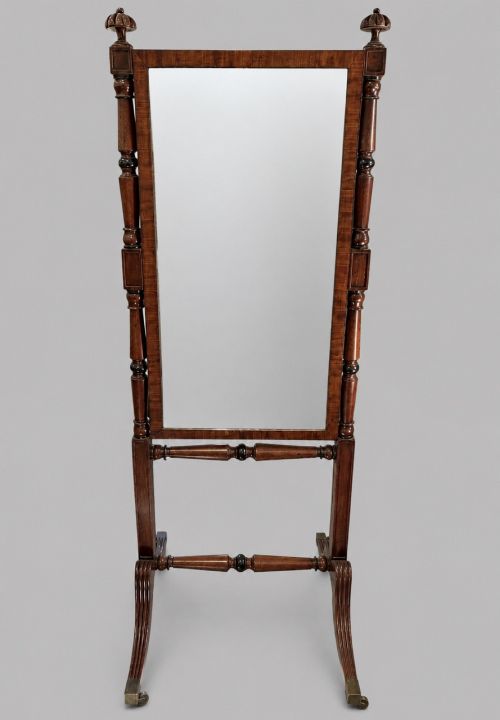
The distinction between standard workshop output and bespoke pieces often lies in the selection of timber grains, such as figured mahogany or burr walnut. Finer examples display meticulous attention to proportion, balanced turning on the upright posts, and substantial brass mounts.
Hardware quality also dictates overall merit, visible in heavy cast brass sabots, decorative castors, and robust pivot knobs that hold the mirror frame firmly without slipping.
Waring and Gillow
The Vintage Tilt Floor Mirror Glossary
- Cheval mirror
- A large freestanding full-length dressing mirror designed to tilt within a vertical wooden frame. The name derives from the French word for horse, referencing the four-legged support trestle.
- Sabre legs
- Curved, tapered legs that flare outward from the base, commonly found on Regency period furniture. They provide a stable footing for freestanding pieces.
- Sabots
- Protective metal sleeves, usually fashioned from brass, fitted over the feet of furniture legs. They prevent wear and add a decorative finish.
Vintage Tilt Floor Mirror: Frequently Asked Questions
What is a cheval mirror?
A cheval mirror is a tall, freestanding dressing glass that tilts within a supportive wooden frame. It is designed for full-length viewing in bedrooms and dressing rooms.
Most examples stand on four legs or a secure platform, allowing the mirror plate to pivot smoothly between two upright posts.
How do you adjust the tilt?
The mirror hangs on brass pivot pins or screws set into the vertical side posts. Tightening or loosening these side fixtures holds the glass at your preferred angle.
Older mechanisms rely on threaded brass knobs that require gentle handling to preserve the original hardware.
Where should I place it?
These mirrors suit bedrooms, dressing areas, or hallways where full-length reflection is useful. Their freestanding design means no wall mounting is required.
Position the frame near a natural light source to make the most of the adjustable tilt for daily dressing.
How do I date these mirrors?
Dating relies on timber selection, leg shape, and framing styles that correspond to periods like the Regency, Victorian, or Edwardian eras. Mahogany and walnut were favoured across the nineteenth and early twentieth centuries.
Looking at the construction of the backboards, joinery methods, and the type of brass hardware also helps determine the age.