


Vintage Tie Pin
A vintage tie pin secures a cravat or lapel with refined metalwork and modest gemstones, bringing discreet individuality to formal attire.
Vintage Tie Pin
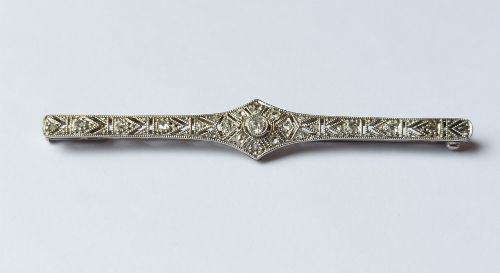
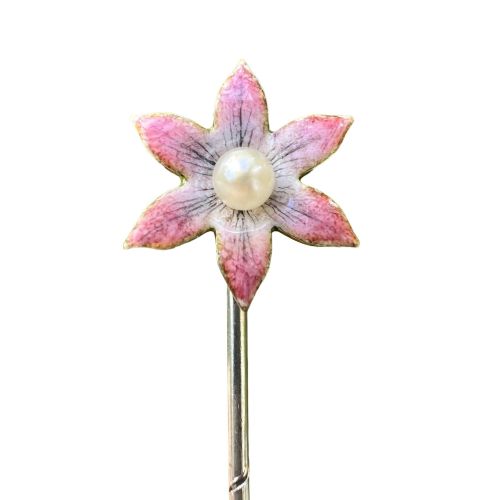
A vintage tie pin encompasses stick pins, bar brooches, and lapel pins designed to fasten fabrics or adorn garments. These items emerge from periods spanning the nineteenth century through the mid-century modern era.
The selections encountered here frequently display Edwardian elegance, Art Deco geometry, and Victorian sentimentality. Stick pins and bar pins form the core of the available pieces.
Makers utilised precious metals and gemstones to create functional ornaments that double as miniature works of wearable art. Collectors often find pieces featuring floral motifs, sporting themes, and geometric arrangements.
How they were made
Goldsmiths shaped high-carat gold, platinum, and silver into slender shafts and intricate settings. Gemstones such as diamonds, rubies, pearls, and garnets were hand-set into these frames.
Enamelling techniques added vibrant colour to floral and abstract designs, often paired with rose-cut or old brilliant-cut diamonds. Metalwork combined casting with delicate hand-engraving and millegrain edging.
The listings span Victorian, Edwardian, and Art Deco styles, incorporating platinum, gold, diamonds, and enamel.
What varies in quality
The fineness of the metalwork distinguishes standard productions from exceptional examples, particularly where platinum and high-carat gold meet intricate piercing. Hand-carved details and balanced gemstone proportions elevate a piece.
The clarity and cut of set diamonds, alongside the matching quality of natural pearls or enamelling, determine the upper tier of craftsmanship. Original fittings and secure pin stems also influence overall integrity.
Charles Horner·Cartier Paris·Cartier
The Vintage Tie Pin Glossary
- Stick pin
- A long pin with a decorative head, originally used to secure a necktie or cravat in place. The slender shaft allows it to slide cleanly through woven fabrics without causing damage.
- Bar brooch
- A horizontal pin featuring a narrow metal bar decorated with gemstones or enamel. This form frequently doubles as a fastening for collars or lapels.
- Jabot pin
- An ornamental pin designed to secure the lace jabot or front ruffle of a garment. They often feature two decorative ends connected by a pin stem.
- Millegrain
- A jewellery technique involving a border of tiny raised metal beads along the edge of a setting. This creates a soft, textured finish popular in Edwardian and Art Deco design.
- Essex crystal
- A piece of rock crystal carved en cabochon on the back and painted with a miniature subject. When viewed from the front, the painted motif appears with a three-dimensional depth.
Vintage Tie Pin: Frequently Asked Questions
How were vintage tie pins worn?
Gentlemen and ladies wore these pins to secure neckties, cravats, or lapels on tailored garments. They functioned both as practical fasteners and as indicators of personal style.
Today, collectors repurpose them as lapel adornments, hat pins, or secure fastenings for lightweight scarves.
What metals are used in these pins?
Craftsmen utilised gold in various purities, including nine-carat, fifteen-carat, and eighteen-carat variations, alongside platinum and silver. Chrome and base metals also appear in later twentieth-century pieces.
Platinum gained favour during the Edwardian and Art Deco periods for its strength and bright white lustre.
How do I identify the period?
Stylistic cues such as symmetrical Art Deco geometry or flowing Art Nouveau floral lines help date a piece. Materials and gemstone cuts, such as rose-cut diamonds or natural pearls, offer further chronological clues.
Hallmarks stamped onto the metal provide official stamps regarding the assay office and manufacturing date.
Can I wear a stick pin daily?
Wearing a stick pin daily requires care to protect the delicate pin stem and any set stones. Heavier fabrics support them better than loosely woven materials.
Using a protective cap on the sharp end prevents loss and injury during wear.