



Vintage Thonet Furniture
Vintage thonet furniture combines steam-bent beech and elegant curves, offering functional utility and distinctive period charm for everyday interiors.
Vintage Thonet Furniture
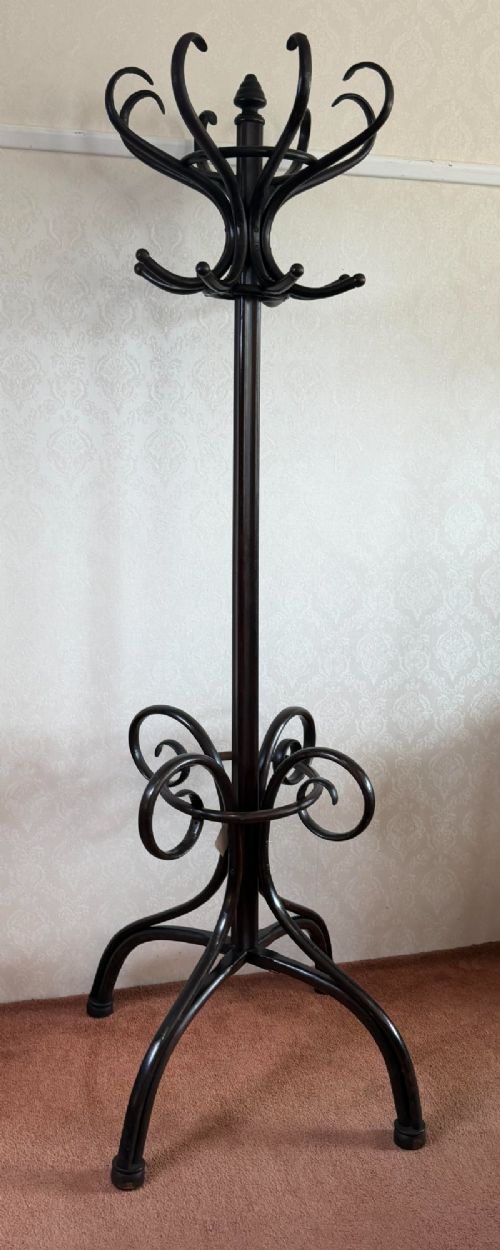
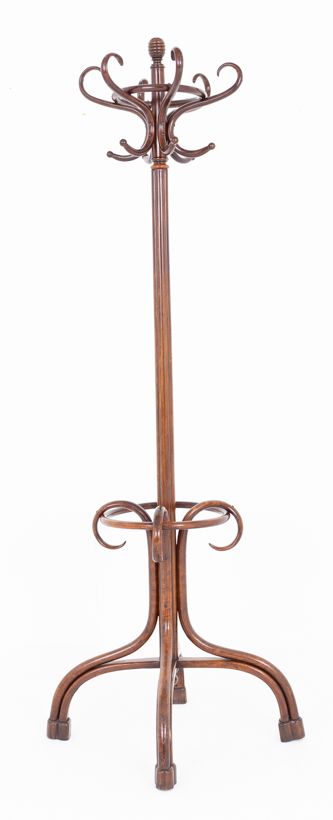
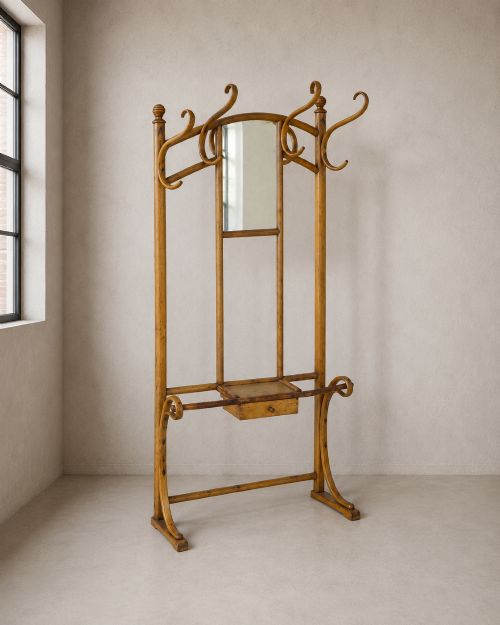
Vintage thonet furniture encompasses practical items designed for domestic spaces, originating from periods such as the Victorian era, the Edwardian period, and the early 20th century. Buyers searching this phrase frequently encounter tall hall stands, coat racks, and seating options including armchairs, bistro chairs, and rocking chairs.
The selection ranges from functional hallway furniture with double tops to occasional tables and specialised items like gout stools and card tables. Austrian bentwood traditions heavily influence these forms, showcasing the innovative manufacturing techniques of the 19th and early 20th centuries.
How they were made
Makers utilised solid beech and beechwood, applying steam to timber in order to bend the wood into graceful, continuous curves without joints breaking under stress. This method allowed workshops to produce lightweight yet remarkably sturdy frames for chairs, tables, and coat stands.
Finishing touches incorporated secondary materials such as cane, glass, baize, and felt to complement the exposed wood structure. Rosewood tops and woven panels added texture and contrast to the light honey-coloured or polished timber surfaces.
Vintage Thonet Furniture Retail Price Guide 2026
Typical asking prices for vintage thonet furniture among the pieces listed under this phrase on Sellingantiques today, from the lower quarter to the upper quarter. They describe what is for sale here now, not the wider market.
Miniature rocking chairs were occasionally produced for dolls, allowing children to match their parents' full-sized furniture.
What varies in quality
Quality in vintage thonet furniture rests upon the precision of the steam-bending and the integrity of the original construction rather than decorative excess. Superior examples demonstrate fluid, unbroken lines in the bentwood components and retain robust structural stability across complex forms like multi-tiered hall stands.
The presence of original materials, such as undamaged cane seating or specific maker markings, elevates certain pieces above standard production models. The overall proportion, balance, and retention of a fine polished finish distinguish the finer examples from simpler utilitarian items.
Thonet·Fischel
The Vintage Thonet Furniture Glossary
- Bentwood
- Wood that has been shaped by heating and steam bending. This technique creates the signature curves seen in chairs and coat stands.
- Bergere
- A type of woven cane panel used for seats and backrests. It offers flexible support while maintaining a light appearance.
- Baize
- A coarse woollen fabric resembling felt, frequently used to line the surfaces of games tables and desks. It provides a durable playing or writing surface.
- Gout stool
- An adjustable footrest designed to elevate the legs for comfort. These pieces often feature angled platforms for relaxation.
Vintage Thonet Furniture: Frequently Asked Questions
How do I date vintage bentwood furniture?
Dating relies on construction methods, label presence, and stylistic cues from periods like the Victorian era or early 20th century. Earlier pieces often display specific stamp marks or paper labels beneath the wood.
Examining the complexity of the bentwood assemblies and the type of hardware used also helps narrow down the production timeframe.
Where should I place a hall stand?
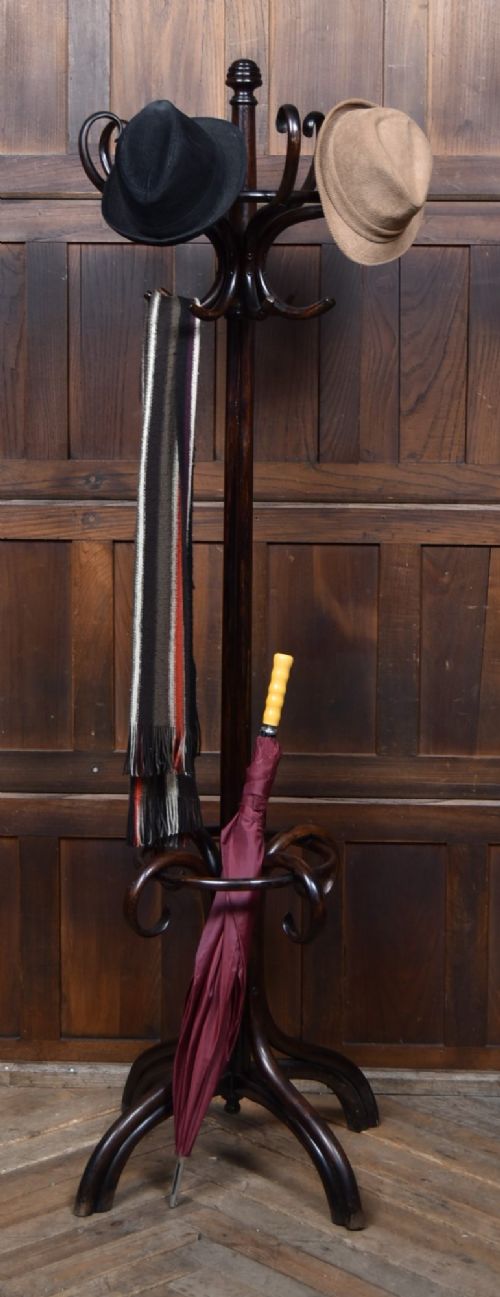
Hall stands suit entranceways and corridors where vertical storage for coats, hats, and umbrellas is useful. Their wall-standing designs make efficient use of narrow floor spaces.
Positioning them away from direct heat sources helps protect the polished beech and bentwood framework over time.
Can I use bentwood chairs daily?
Bentwood dining chairs and armchairs are engineered for regular seating despite their slender appearance. The steam-bent frame distributes weight effectively across the structure.
Checking that all original screw connections remain tight ensures safe daily use in modern dining rooms or kitchens.
What is a card table used for?
Card tables serve as occasional furniture for games, writing, or display purposes in living rooms and reception spaces. Triangular or console variants fit neatly into corners or against walls.
Their folding or compact designs made them adaptable for entertaining guests in Victorian and Edwardian homes.