
Vintage Textile Wall Hanging
A vintage textile wall hanging brings texture, history, and intricate pattern into a room through woven tapestries, nomadic bags, and embroidered panels.
Vintage Textile Wall Hanging
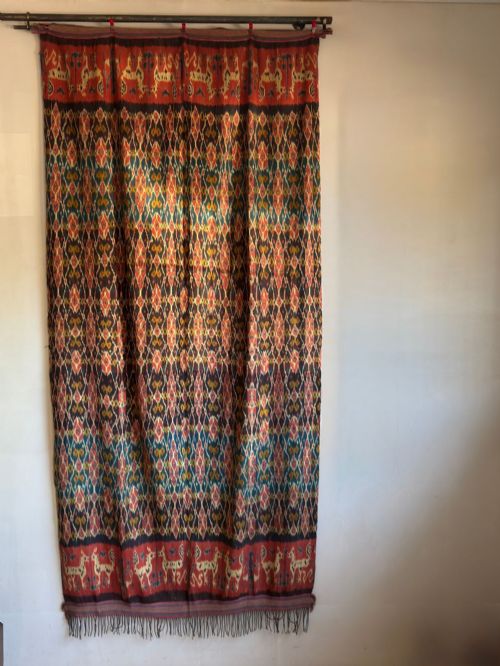
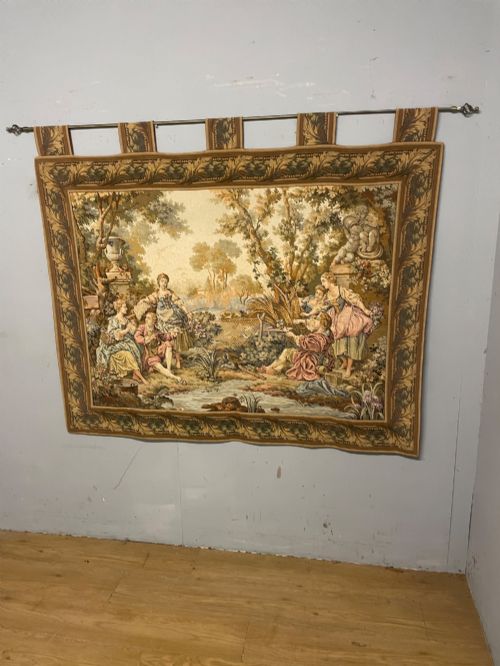
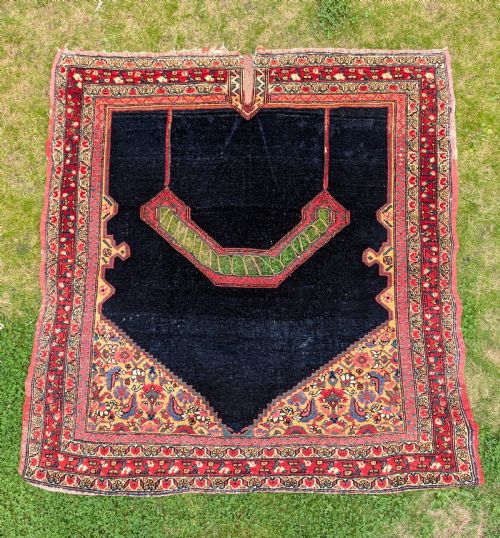
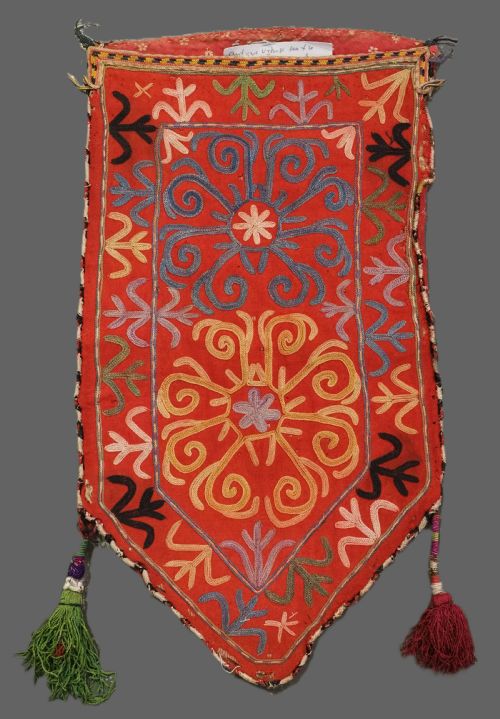
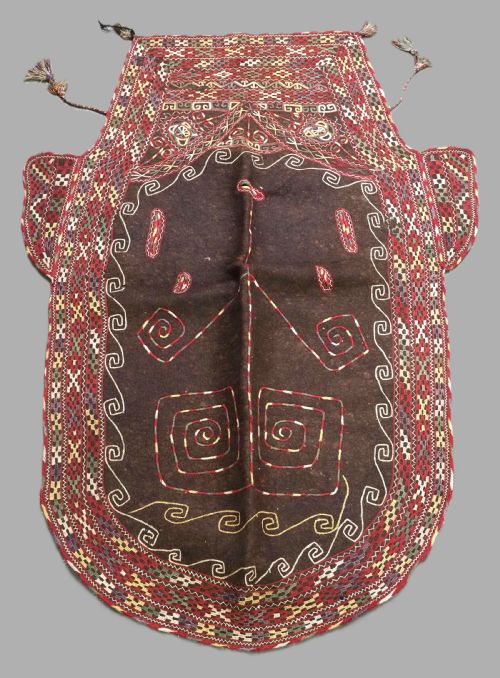
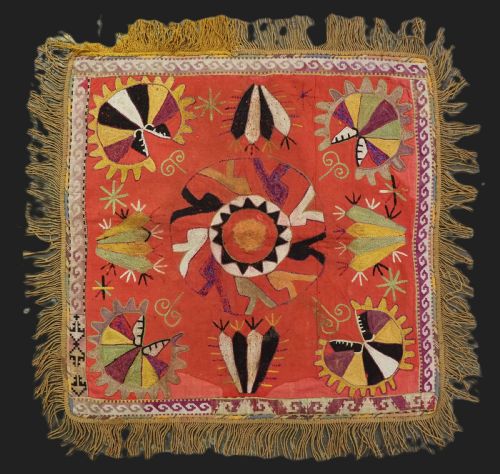
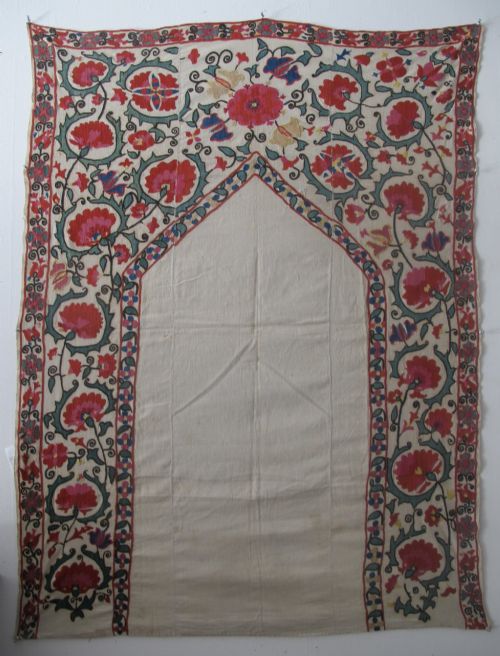
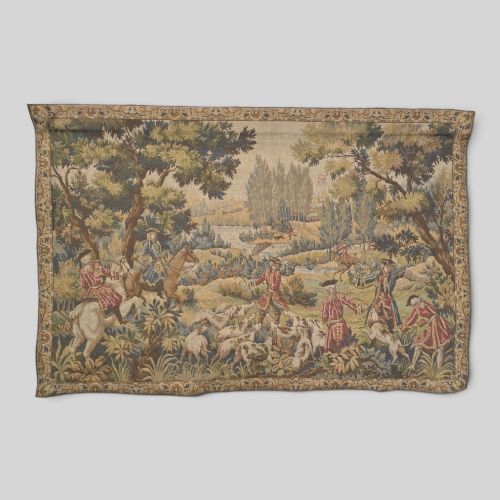
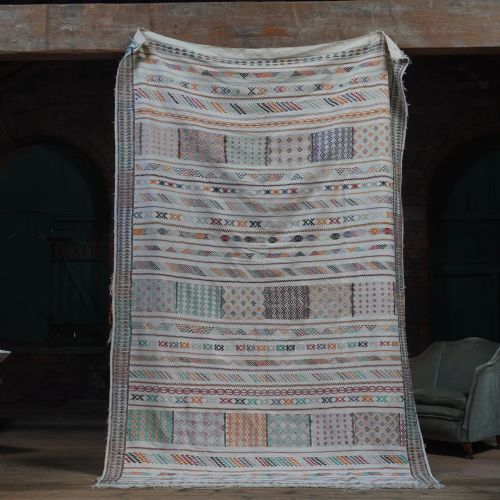
A vintage textile wall hanging selection spans utilitarian tribal items repurposed for display, such as Uzbek dowry embroideries, Persian storage bags, and Yomut Turkmen horse covers, alongside formal European tapestries.
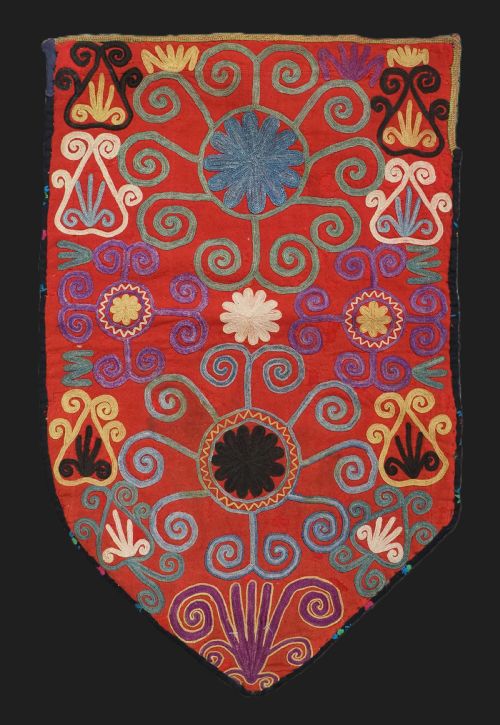
Pieces originating from Central Asian traditions, including Bokhara suzanis and Lakai ilgiches, appear frequently alongside French verdure panels and English crewelwork.
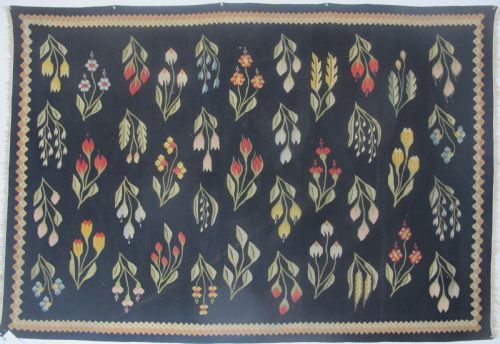
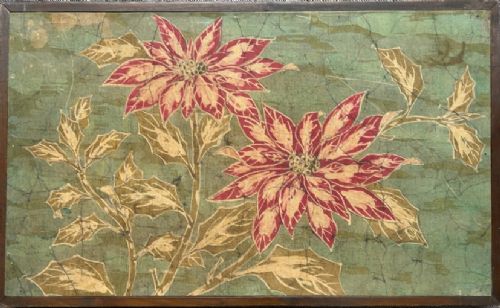
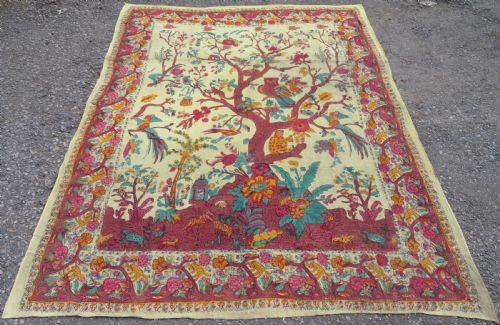
Formats range from compact square bagfaces and small embroidered fragments mounted on linen to large room-sized tapestries and floral Romanian wall hangings.
Materials and construction methods
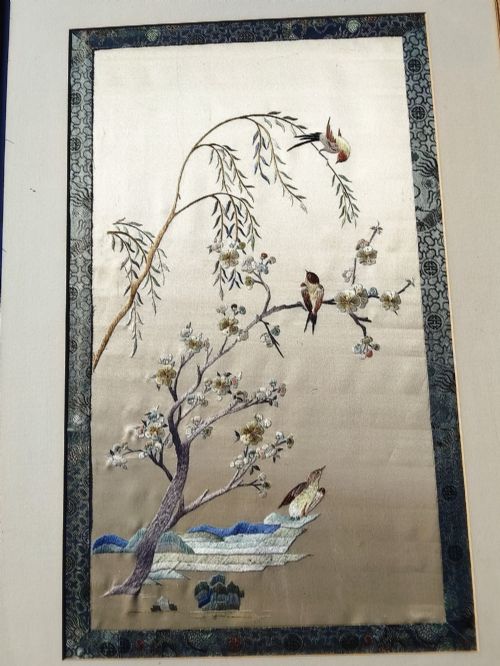
Textiles are constructed from natural fibres such as wool, cotton, silk, linen, hand-spun wool, and sabra cactus silk, often combined with silk thread embroidery.
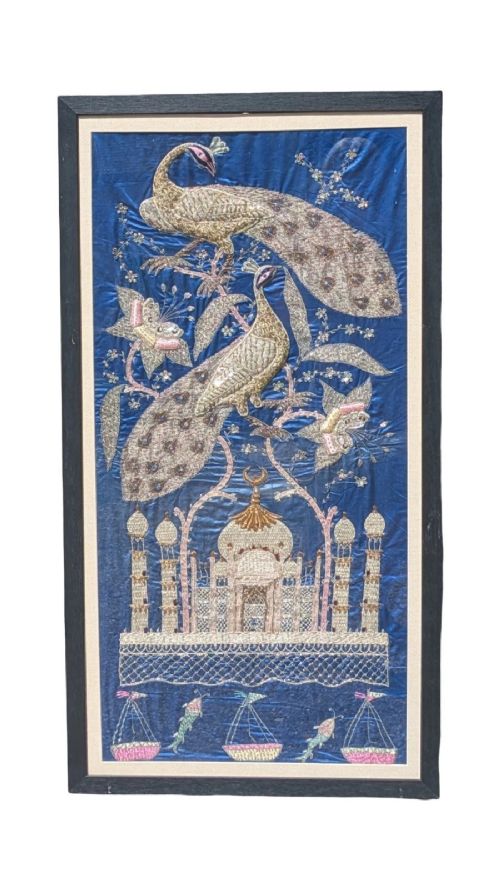
Techniques encompass detailed needlework, crewelwork embroidery, flatweaving, and traditional loom weaving to produce durable felt, tapestry, and pile structures.
Several horse blankets and animal trappings preserve the pride of nomadic steppes directly on the wall.
Quality variations in antique textiles
Quality rests upon the fineness of the weave or embroidery, the precision of traditional motifs, and the structural integrity of the base fabric, whether wool, linen, or silk.
Examples display varying degrees of complexity in design, from geometric tribal patterns and architectural suzani layouts to classical European verdure and baroque compositions.
The Vintage Textile Wall Hanging Glossary
- Suzani
- An embroidered tribal hanging originating from Central Asia, traditionally worked with silk threads on a cotton or linen ground in bold floral and geometric designs.
- Crewelwork
- A type of embroidery utilising wool yarn on a plain-weave fabric foundation, often seen in early English decorative wall panels.
- Verdure tapestry
- A European woven wall hanging featuring stylised foliage, trees, landscapes, and occasionally animals, typically produced in centres such as France.
- Asmalyk
- A pentagonal or triangular ceremonial trapping produced by Turkmen tribes, frequently used in wedding processions and later hung within the dwelling.
- Kilim
- A flatwoven textile lacking a pile, produced across Persia, North Africa, and Central Asia using slit-weave techniques.
Vintage Textile Wall Hanging: Frequently Asked Questions
How do I hang a textile securely?
Heavy tapestries and large embroidered panels often require a custom wooden batten or a sleeve sewn to the reverse to distribute the weight evenly along a wall.
Smaller pieces, such as bagfaces and fragments, can be mounted professionally on a neutral linen backing or held gently with specialised conservation clips.
What regions produced these textiles?
The pieces originate from diverse cultural centres, including nomadic and tribal groups across Central Asia, Persia, Afghanistan, and Morocco.
European examples come primarily from workshops in France and England, reflecting classical, baroque, and medieval stylistic influences.
How do I clean an antique textile?
Surface dust should be removed very gently using a low-suction vacuum with a mesh screen barrier to protect fragile fibres and threads.
Wet cleaning or washing should be avoided unless handled by a professional textile conservator to prevent dye bleeding and fibre degradation.
Can I identify tribal origins from patterns?
Distinctive motifs, colour palettes, and stitching methods help attribute pieces to specific groups such as the Yomut Turkmen, Uzbek Lakai, or Qashqa'i nomads.
Specialised design elements often indicate the exact regional sub-tribe or province where the textile was made.