


Vintage Textile Tapestry
A vintage textile tapestry brings centuries of woven history and intricate needlework directly to domestic walls.
Vintage Textile Tapestry
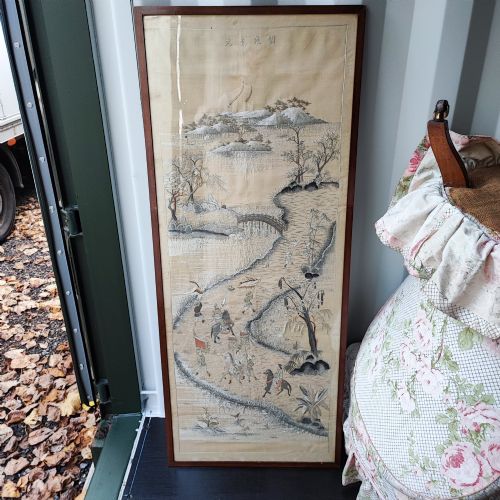
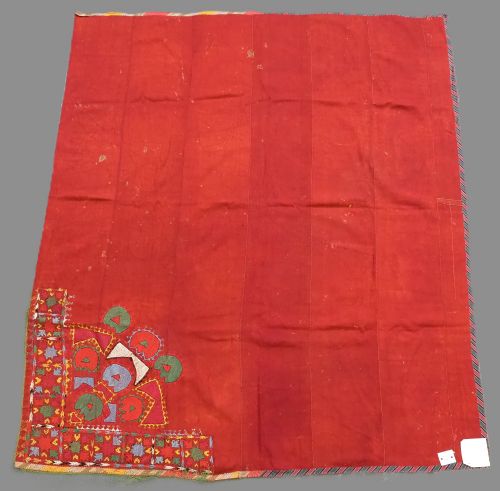
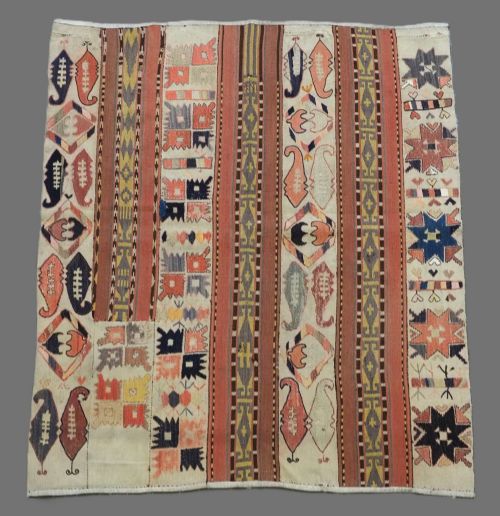
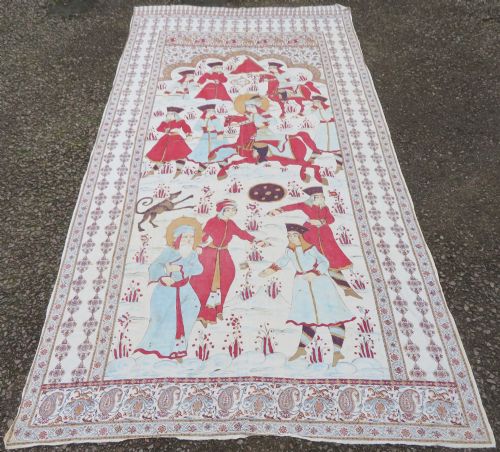
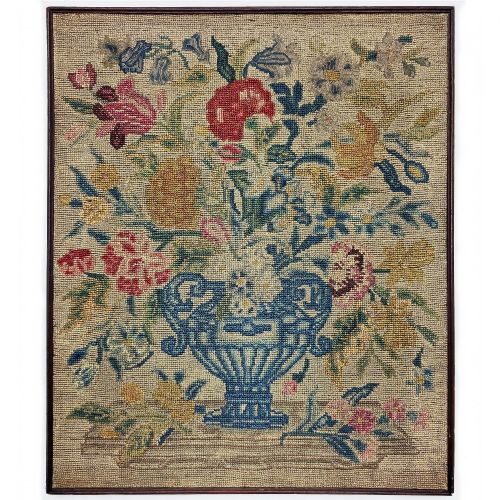
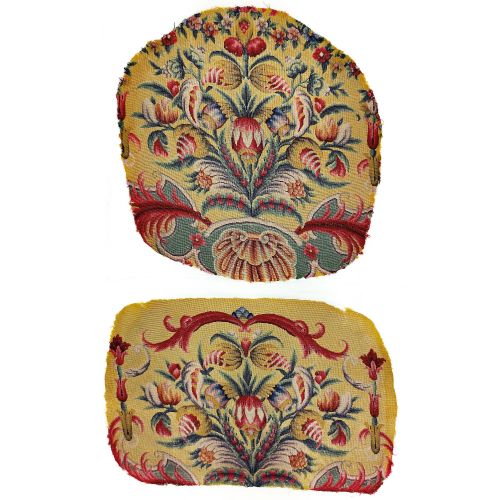
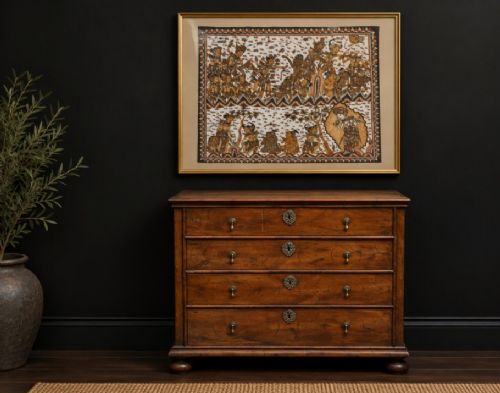
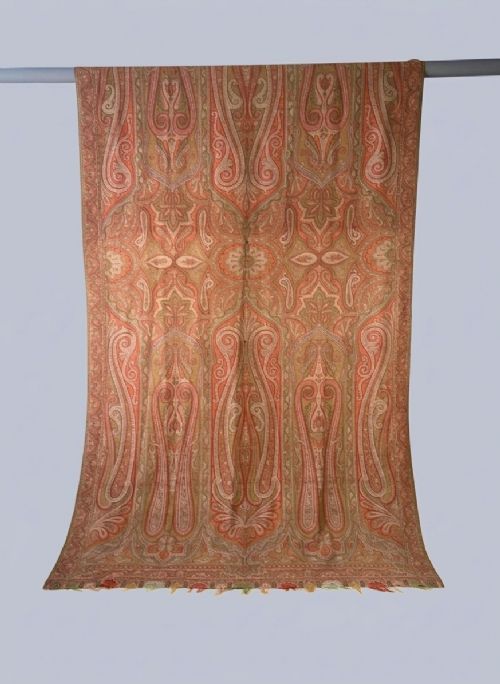
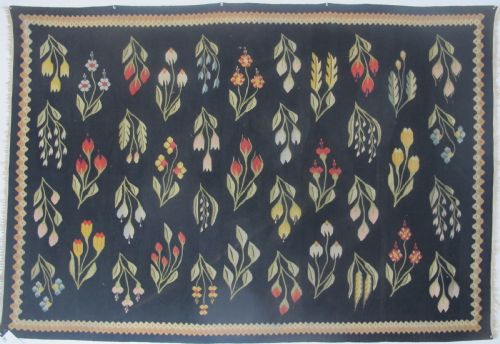
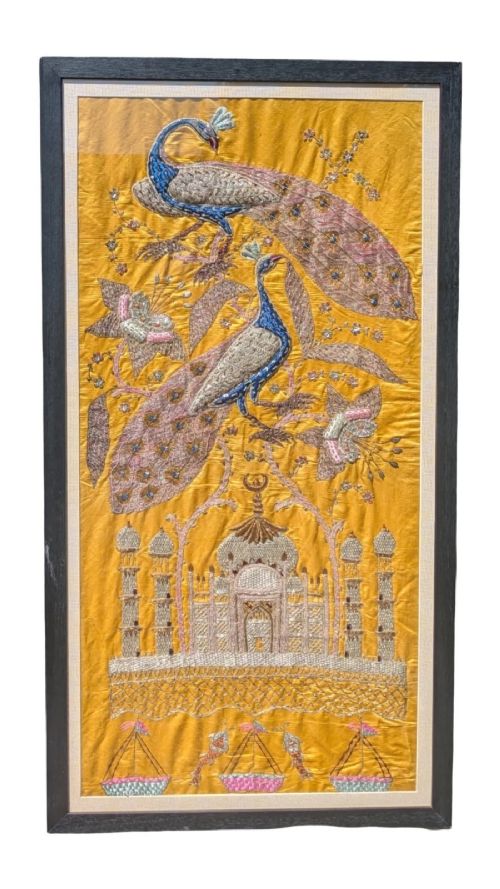
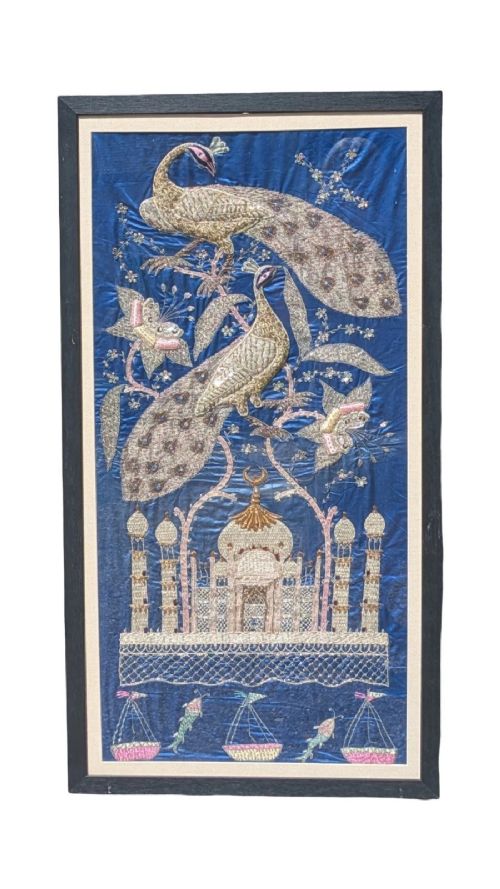
When searching for a vintage textile tapestry, buyers encounter a diverse range of historic wall hangings, framed needlework panels, and embroidered covers. These pieces span multiple centuries, originating from European workshops, English manors, and Central Asian tribal regions.
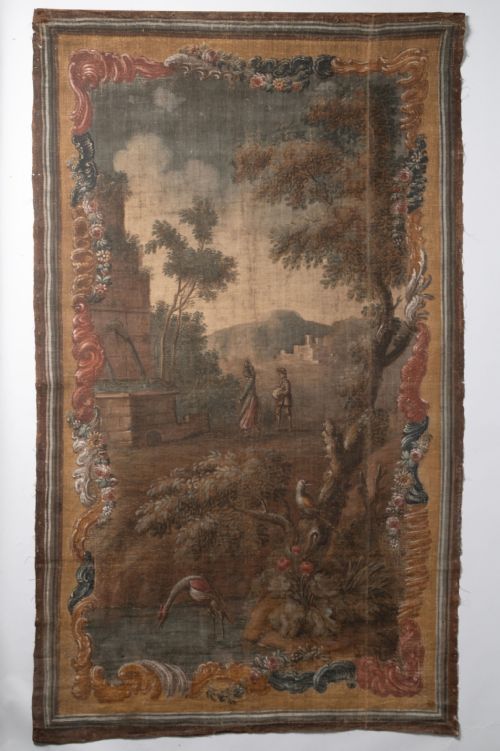
Forms vary from large wall art and bed covers to chair seats, cushion fragments, and framed pictorial scenes depicting flora, fauna, and narrative histories.
Materials and construction methods
The pieces rely primarily on natural fibres, combining wool, silk, cotton, and linen threads worked onto canvas, linen, or woven textile grounds. Artisans employed varied techniques ranging from heavy crewelwork embroidery to fine silk needlepoint and traditional tapestry weaving.
Many textiles incorporate supplementary elements such as gilt wood frames or glass protection for smaller needlework pictures and beadwork fragments. Structural support often includes linen backing mounted to preserve fragile historical fabrics.
Vintage Textile Tapestry Retail Price Guide 2026
Typical asking prices for vintage textile tapestry among the pieces listed under this phrase on Sellingantiques today, from the lower quarter to the upper quarter. They describe what is for sale here now, not the wider market.
Materials span wool, silk, cotton, linen, wood, glass, canvas, and gilt wood across pieces dating from the seventeenth century onward.
Evaluating quality and execution
Quality in these textiles rests upon the density of the stitchwork, the complexity of the design, and the survival of the original ground material. Finer examples display intricate pictorial detail, secure mounting, and rich colour palettes derived from traditional dyes.
The prestige of the origin also influences a piece, distinguishing standard decorative hangings from superior seventeenth-century Aubusson panels or finely worked tribal Suzanis with complex architectural or botanical motifs.
The Vintage Textile Tapestry Glossary
- Crewelwork
- Embroidery executed in wool onto a linen or cotton ground, frequently seen in early English decorative panels.
- Suzani
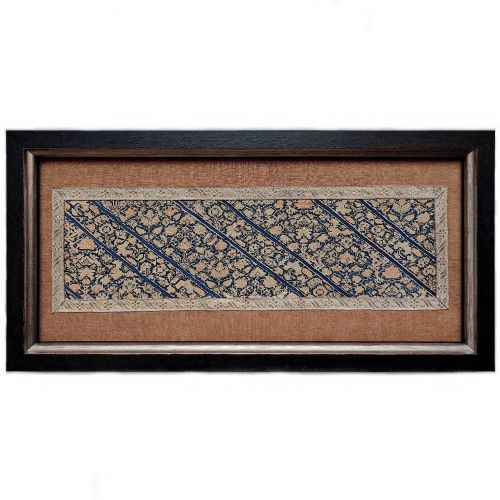
- A type of embroidered tribal textile from Uzbekistan and surrounding Central Asia, traditionally made as part of a bride's dowry.
- Verdure
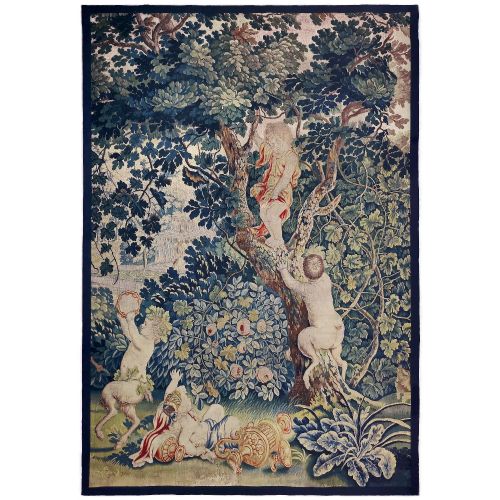
- A style of tapestry featuring a dominant landscape theme filled with foliage, trees, birds, and animals.
- Aubusson
- Woven tapestries originating from the French town of Aubusson, known for pastoral scenes and verdure landscapes.
- Asmalyk
- A ceremonial camel or horse trapping produced by the Yomut tribe and other Turkmen groups in Central Asia.
Vintage Textile Tapestry: Frequently Asked Questions
How do I hang a heavy textile tapestry?
Large tapestries and heavy panels require even weight distribution to prevent distortion of the historic fibres. Professional conservators often recommend stitching a wide cotton tape to the upper reverse edge and attaching it to a concealed wooden batten.
Smaller framed pieces utilise standard picture hanging hardware, though direct sunlight should be avoided to protect sensitive silk and wool dyes from fading over time.
What is the difference between embroidery and tapestry?
True tapestries are constructed on a loom where the design is woven directly into the warp threads during the creation of the textile itself. Examples include seventeenth-century Flemish borders and French wall hangings.
Embroidery involves stitching decorative thread onto a pre-existing woven foundation fabric, as seen in English crewelwork panels and Central Asian Suzanis.
How do I date an antique needlework panel?
Dating relies on analysing the style of the design, the type of ground fabric, and the characteristics of the spun yarns. Comparing the pictorial motifs against established historical periods, such as Georgian needlework or Victorian samplers, provides a reliable baseline.
Physical evidence on the reverse, including the condition of the linen backing and the method of framing or mounting, offers further clues to the age of the piece.