



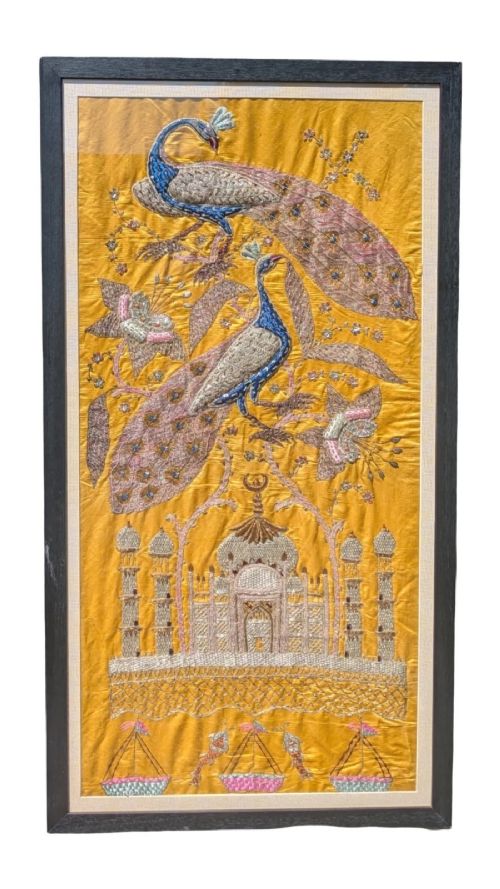
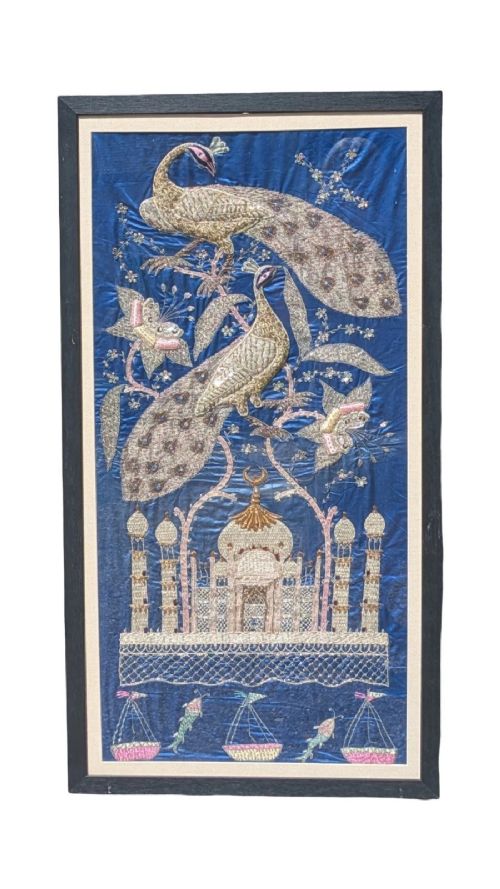
Vintage Textile Panel
A vintage textile panel brings texture, colour and history directly into a room, offering fragments of needlework, tapestry and embroidery ready to hang.
Vintage Textile Panel
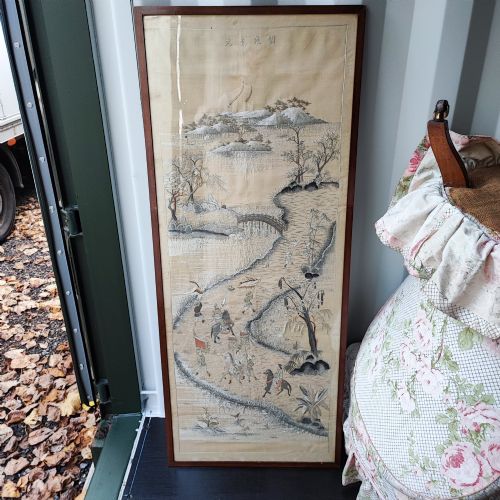
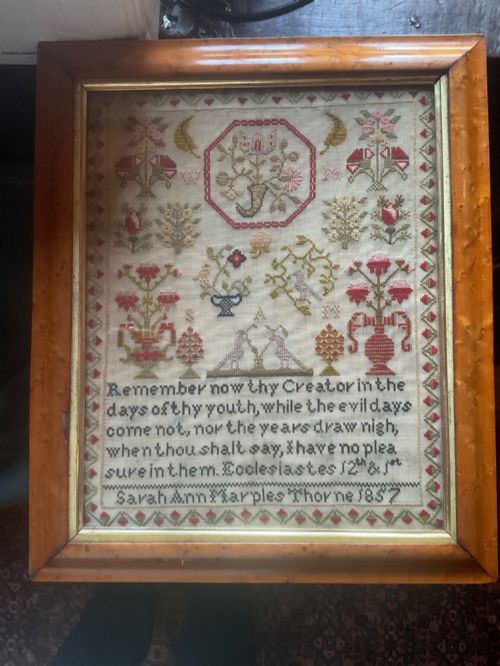
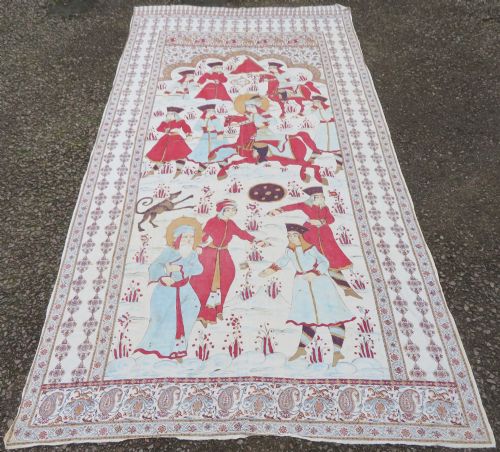
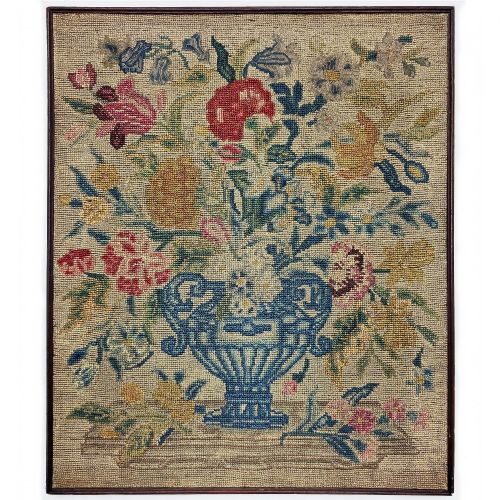
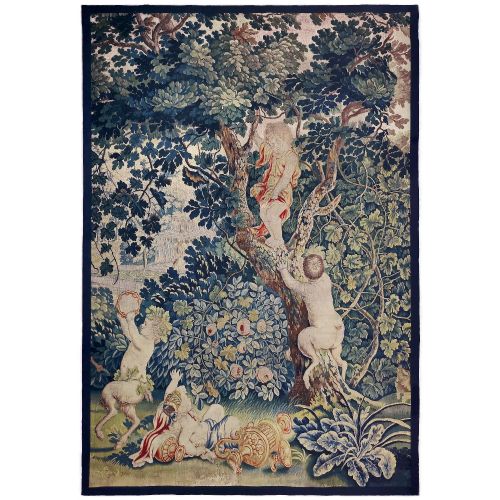
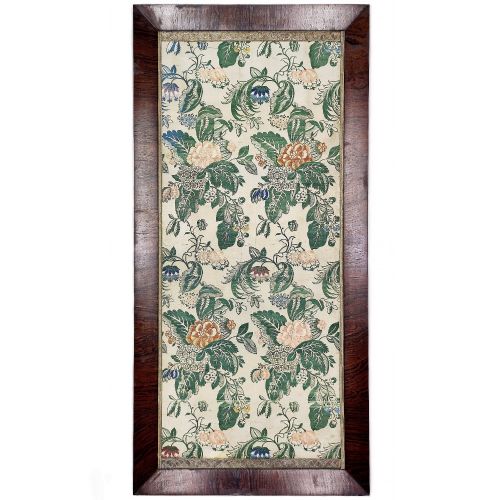
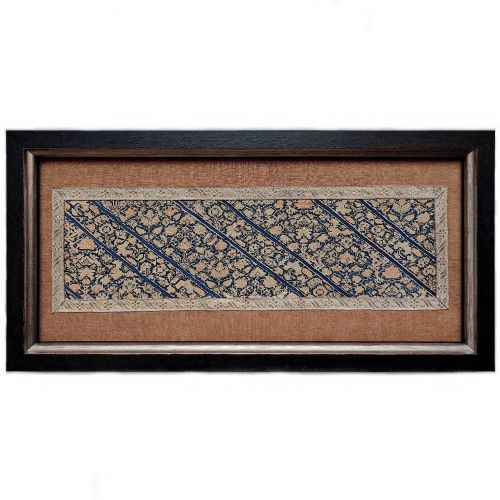
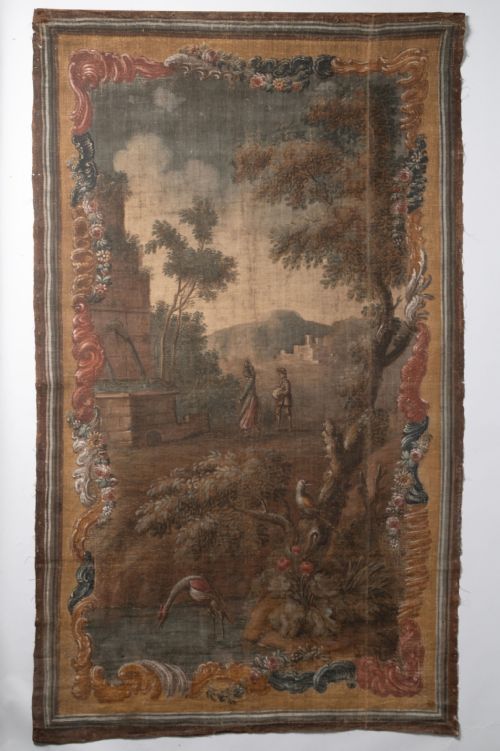
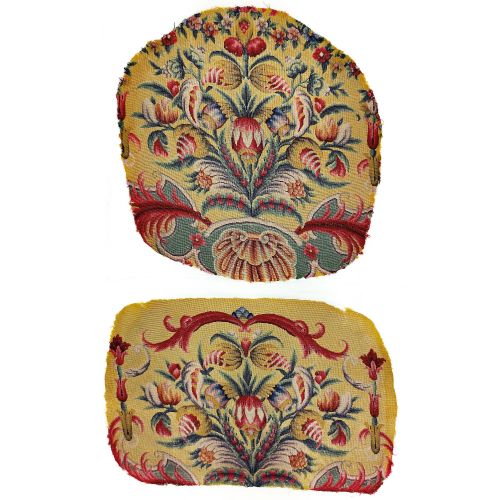
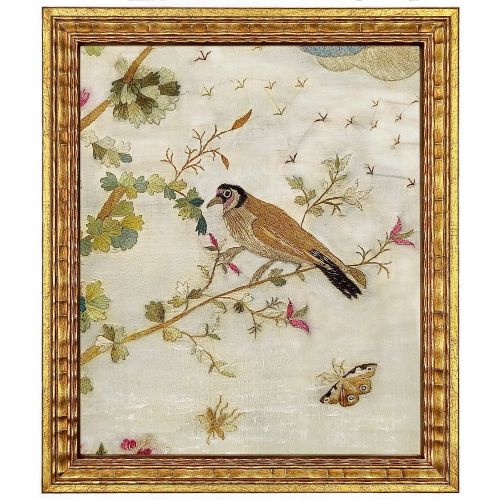
A vintage textile panel encompasses woven and embroidered works spanning centuries, from seventeenth-century tapestries and eighteenth-century needlework to nineteenth-century Central Asian suzanis and tribal bag faces. Buyers examine wall hangings, framed textile art and fragments mounted on linen, each bearing the marks of distinct regional traditions.
The selections available range widely in origin and technique, uniting English crewelwork, French Aubusson weaves, Persian embroidery and Uzbek tribal dowry pieces under one search. Most common among these are embroidered panels, wall tapestries and framed textile fragments intended for interior display.
How they were made
Materials span natural fibres such as wool, silk, cotton and linen, frequently worked with metallic thread on canvas or woven as piled rugs and flatweaves. Artisans utilised base fabrics of linen or cotton, applying dense stitches in silk or wool yarn to build intricate pictorial and geometric designs.
Execution relied on traditional hand techniques including needlework, crewelwork embroidery, tapestry weaving and batik. Makers manipulated colour through dyed threads, incorporating metal wrapped yarns to add reflective detail and texture to the surface of the textile.
Vintage Textile Panel Retail Price Guide 2026
Typical asking prices for vintage textile panel among the pieces listed under this phrase on Sellingantiques today, from the lower quarter to the upper quarter. They describe what is for sale here now, not the wider market.
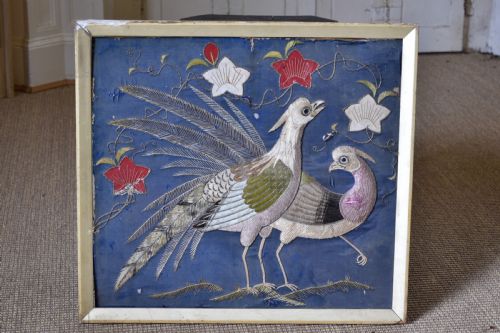
Several panels preserve stubborn depictions of tigers and peacocks, proving that historical artisans enjoyed whimsical fauna just as much as formal florals.
What varies in quality
Quality rests upon the fineness of the execution, the complexity of the design and the preservation of the original materials. Works executed with tight, uniform stitches and vibrant, stable dyework demonstrate superior craftsmanship compared to loose or unevenly worked examples.
The integrity of the ground fabric and the completeness of the composition dictate the standing of a piece. Fragments mounted carefully to linen retain historical context, while intact suzanis and tapestries show the deliberate skill of the original maker.
The Vintage Textile Panel Glossary
- Suzani
- An embroidered tribal textile from Central Asia, typically featuring silk embroidery on a cotton or linen ground with large floral motifs.
- Crewelwork
- Embroidery executed with wool yarn on a sturdy foundation fabric such as linen, known for its dense and textured surface.
- Tapestry
- A form of textile art woven by hand on a loom, combining coloured warp and weft threads to create pictorial wall hangings.
- Needlework
- Hand stitching applied to a canvas or fabric ground, encompassing techniques used for samplers, chair seats and framed pictures.
- Asmalyk
- A trapeze-shaped camel trapping originating from Turkmen tribes, featuring geometric motifs and worked in wool.
Vintage Textile Panel: Frequently Asked Questions
How do I hang a vintage textile panel?
Most textile panels are mounted onto conservation-grade linen or stretched over wooden frames before hanging on a wall. This relieves tension from the historic fabric and distributes the weight evenly across the support.
For heavier tapestries or rugs, specialist sleeves and concealed battens provide secure suspension without piercing the antique material with nails or direct stitches.
How should I clean an antique textile?
Historic textiles require minimal intervention, usually limited to very gentle surface dust removal using low suction through a mesh screen. Water and chemical solvents risk dissolving fragile historic dyes and weakening degraded fibres.
Professional textile conservators should handle any washing or major structural repairs to prevent permanent damage to the silk, wool or cotton threads.
Are these panels suitable for direct sunlight?
Natural dyes found in antique wool, silk and cotton are sensitive to ultraviolet light and will fade over extended periods of exposure. Hanging pieces on interior walls away from direct windows preserves the intensity of the colours.
Utilising UV-filtering glass on framed pieces offers an additional layer of protection against light degradation in brighter rooms.
How can I tell a suzani from other embroideries?
Suzanis originate primarily from nineteenth-century Uzbekistan and feature distinctive large-scale floral and architectural motifs worked in vibrant silk chain stitch. They were traditionally created as dowry items by brides and their families.
The scale of the botanical elements and the characteristic use of yellow, red and green silks on a pale ground help distinguish them from European needlework.