


Vintage Terracotta Pottery
Vintage terracotta pottery brings warmth and earthiness to an interior through porous clays and tactile glazes.
Vintage Terracotta Pottery
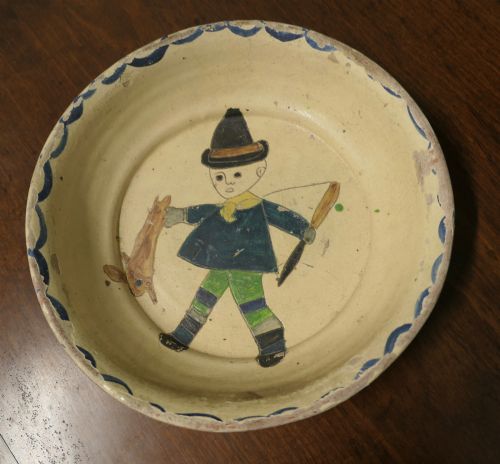
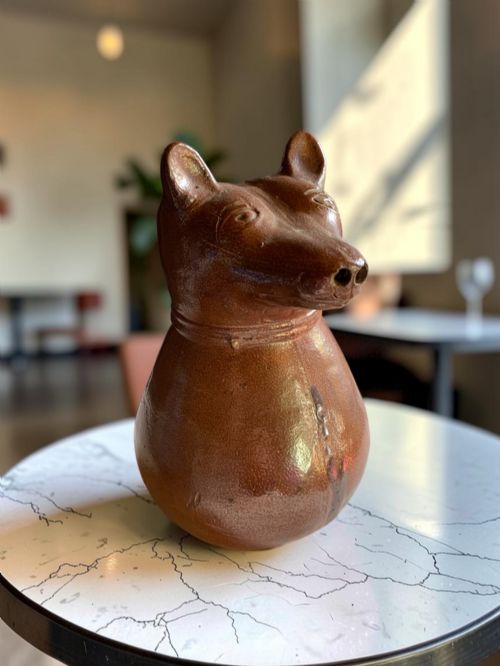
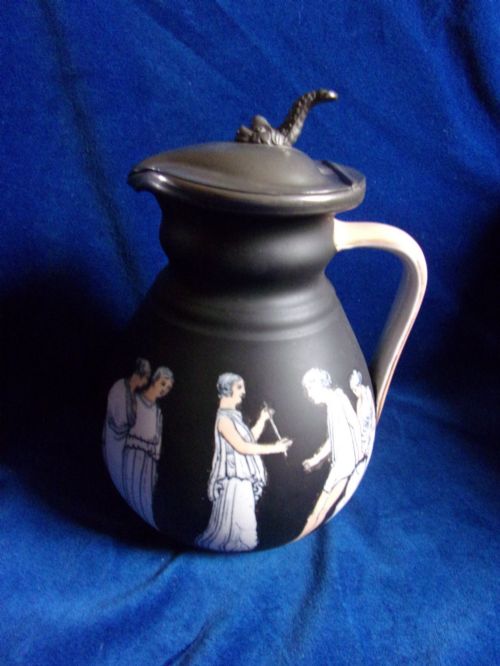
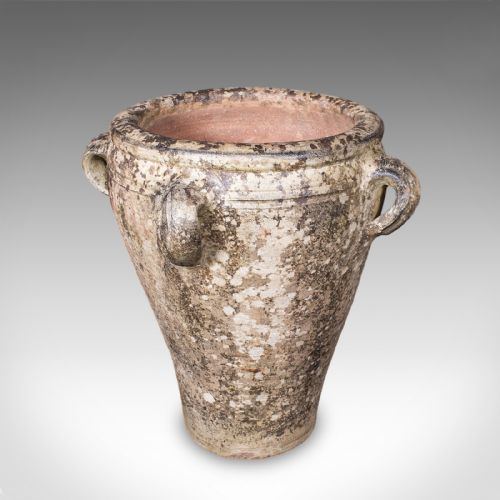
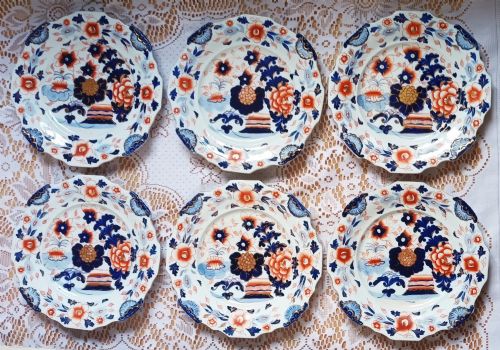
Vintage terracotta pottery encompasses a broad range of fired clay objects spanning garden planters, decorative figurines, and utilitarian jugs. Pieces originating from French provincial workshops, Victorian England, and Japanese kilns appear regularly in this category.
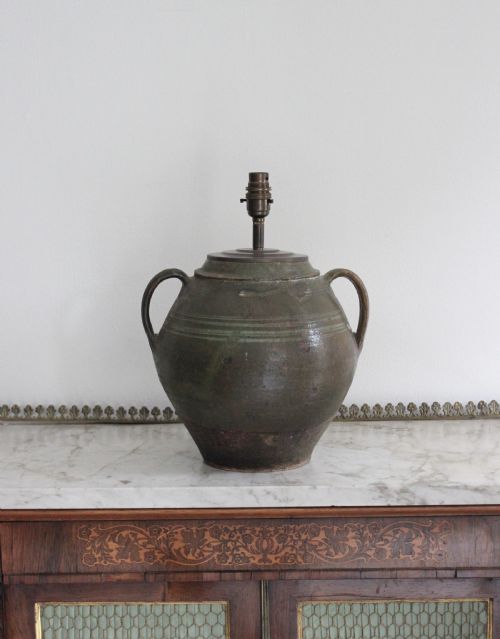
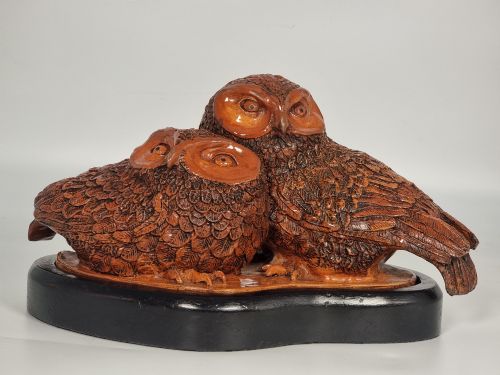
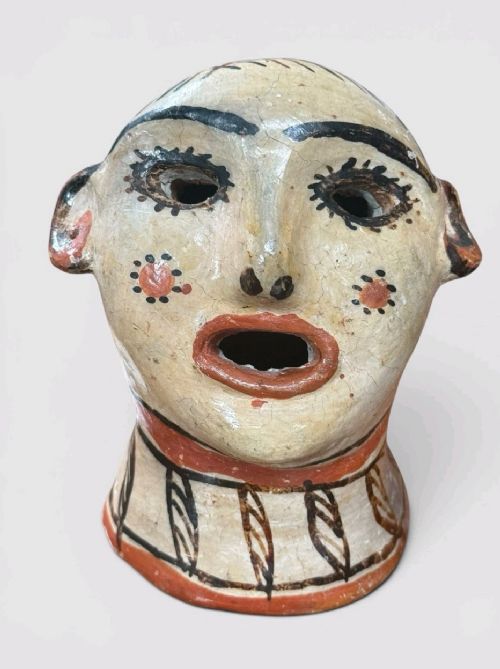
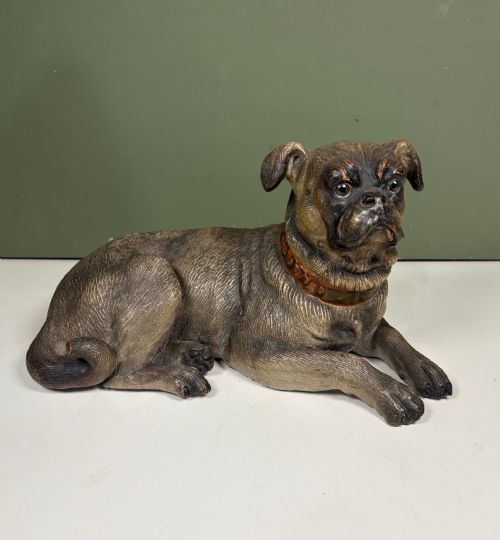
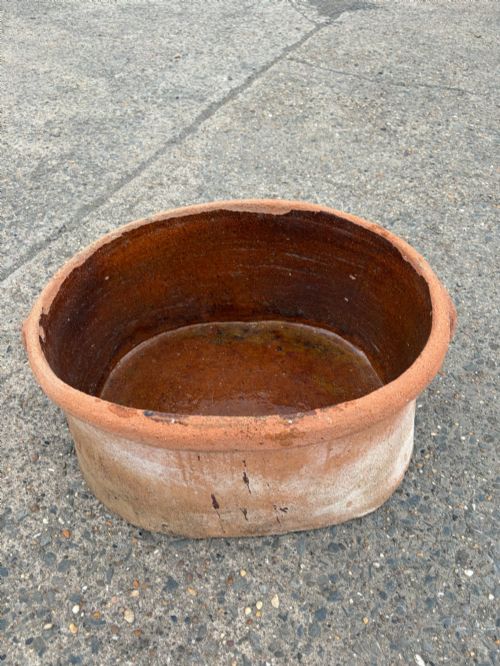
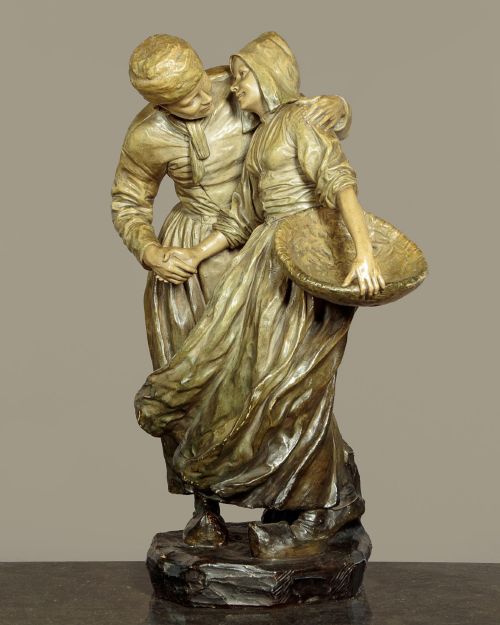
The form often follows function, seen in garden planters, confit pots, and wine jugs designed for domestic use. Alongside these practical vessels, sculptural figures of animals, classical subjects, and folk art busts demonstrate the versatility of the material.
Buyers encounter items ranging from unglazed rustic garden accents to fully glazed art pottery from the late nineteenth and early twentieth centuries. The selection bridges the gap between utilitarian storage and purely decorative display.
How They Were Made
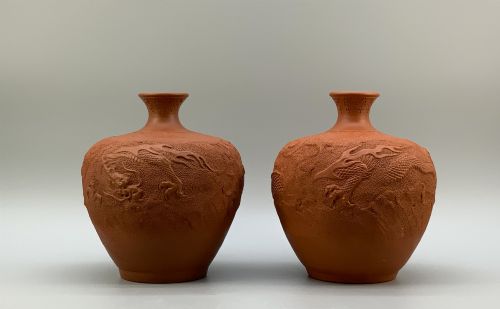
Makers utilised natural clays, earthenware, and stoneware, shaping them either by hand, on the potter's wheel, or within moulds. Many decorative items received careful hand sculpting before firing to impart fine details to figures and foliage.
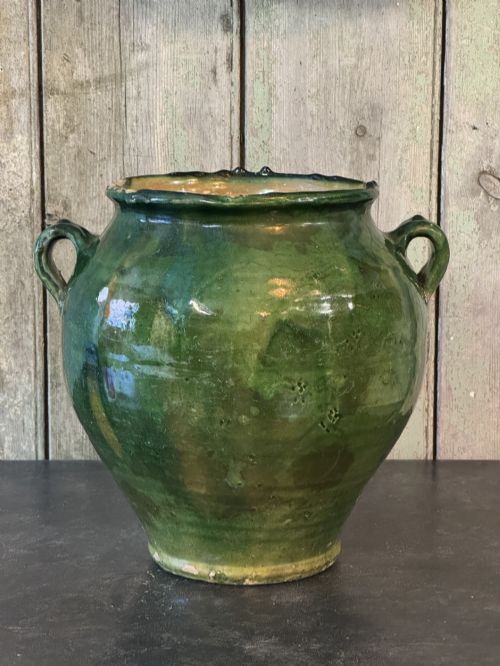
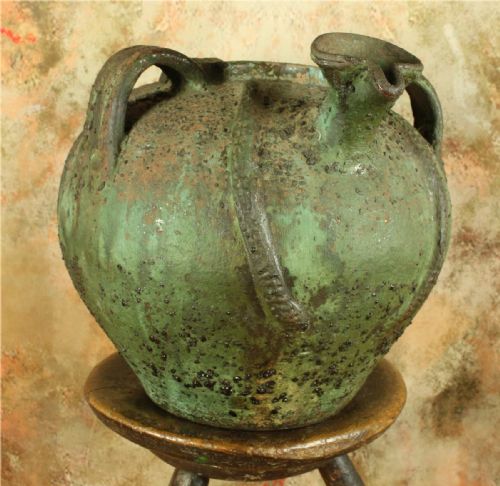
Surfaces were frequently finished with lead or salt glazes, enamel, or dribble glazes that pooled in the recesses of the clay. Some items, such as confit pots, were left partially glazed to waterproof the interior while retaining the porous character of the exterior.
Vintage Terracotta Pottery Retail Price Guide 2026
Typical asking prices for vintage terracotta pottery among the pieces listed under this phrase on Sellingantiques today, from the lower quarter to the upper quarter. They describe what is for sale here now, not the wider market.
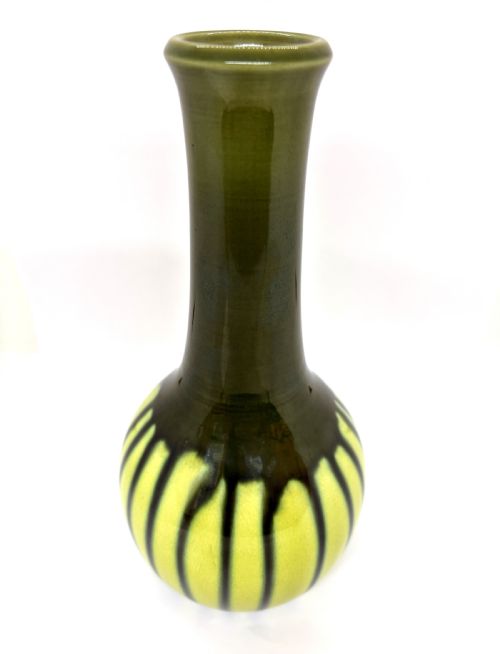
Materials represented range from raw terracotta and stoneware to enamel, gold leaf, and glossy green glazes.
What Varies in Quality
Quality rests upon the crispness of the modelling and the depth of the glaze, particularly where hand-sculpted details or applied figures are concerned. Pieces produced by established potteries or named sculptors exhibit superior definition in the clay and more deliberate control over the kiln effects.
The integrity of the body itself dictates longevity, with well-fired earthenware resisting the structural fatigue common to porous wares. Finer examples balance weight and proportion precisely, ensuring that utilitarian vessels and decorative sculptures alike maintain visual stability.
Burmantoft's Pottery·Goldscheider·Compton Potters Art Guild·Guido Cacciapuoti·Doulton Lambeth
The Vintage Terracotta Pottery Glossary
- Terracotta
- A porous, iron-rich earthenware clay fired at relatively low temperatures. It transitions from a warm orange-brown to red depending on the mineral content of the earth.
- Confit Pot
- A French utilitarian pot traditionally used for preserving meats. These vessels typically feature glazed interiors and upper portions with unglazed lower bodies.
- Earthenware
- Pottery fired below vitrification temperatures, leaving the body porous. It requires a glaze to hold liquids effectively.
- Slipware
- Pottery decorated with slip, a liquid clay mixture applied to the wet body before firing. This technique creates contrasting surface patterns and linear designs.
- Stoneware
- A dense, vitrified pottery fired at higher temperatures than earthenware. It is impermeable to water even without a glaze.
Vintage Terracotta Pottery: Frequently Asked Questions
Can I use antique planters outside?
Many vintage terracotta planters were designed for garden use, but extreme frost can crack older, porous earthenware. Bringing sensitive or valuable pieces indoors during freezing weather prevents frost damage.
Ensure adequate drainage and line the base with gravel if planting directly into antique vessels.
What is the difference between terracotta and stoneware?
Terracotta is fired at lower temperatures, resulting in a porous body that readily absorbs water unless glazed. Stoneware undergoes higher firing temperatures until the clay vitrifies, becoming completely non-porous and vitreous.
Visual inspection reveals that stoneware is heavier and denser than terracotta of a comparable size.
How do I identify French confit pots?
French confit pots usually display two or three strap handles and characteristic green or yellow lead glazes. The glaze typically covers the interior and the upper shoulder, leaving the lower body in bare clay.
These pieces were made in regions such as Castelnaudary and Normandy for preserving food.