




Vintage Teak Seat
These vintage teak seat designs span Anglo-Indian armchairs, garden benches, and colonial loungers built for endurance and intricate comfort.
Vintage Teak Seat
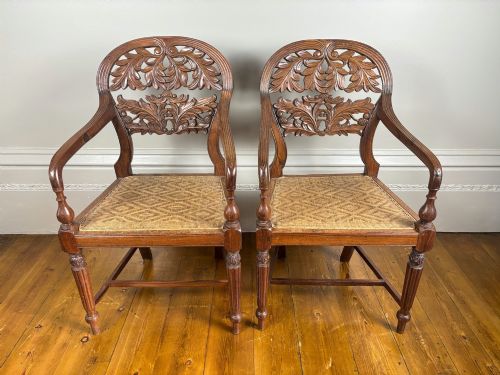
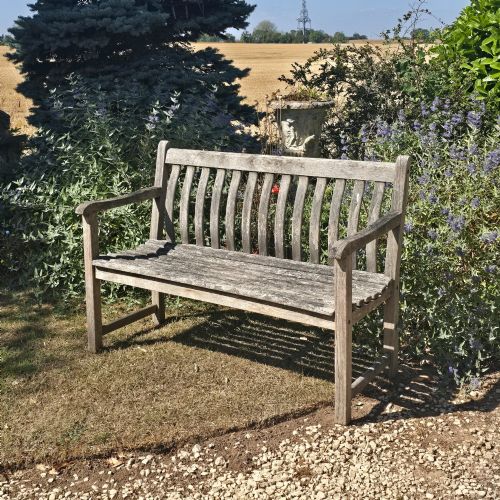
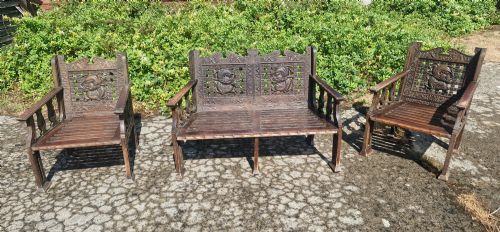
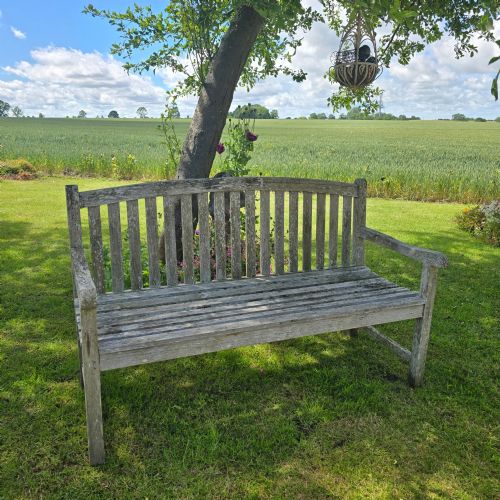
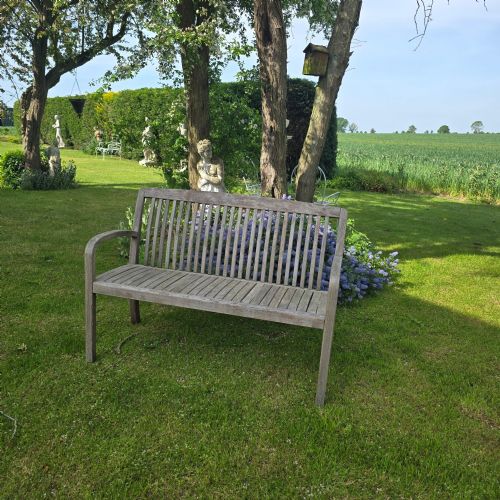
A vintage teak seat covers a broad selection of Anglo-Indian armchairs, colonial settees, garden benches, and plantation chairs originating from the nineteenth and early twentieth centuries. Buyers frequently encounter weathered outdoor benches alongside heavily carved indoor armchairs and folding chairs rooted in traditional craftsmanship.
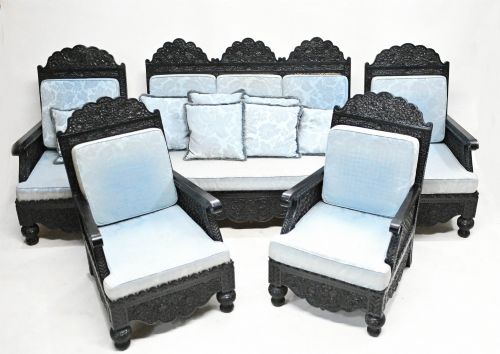
The assortment on this page draws from diverse regions including India, Burma, and Ceylon, reflecting distinct colonial and vernacular influences. Forms range from simple garden benches and window seats to elaborate reclining plantation chairs and three-piece conservatory suites.
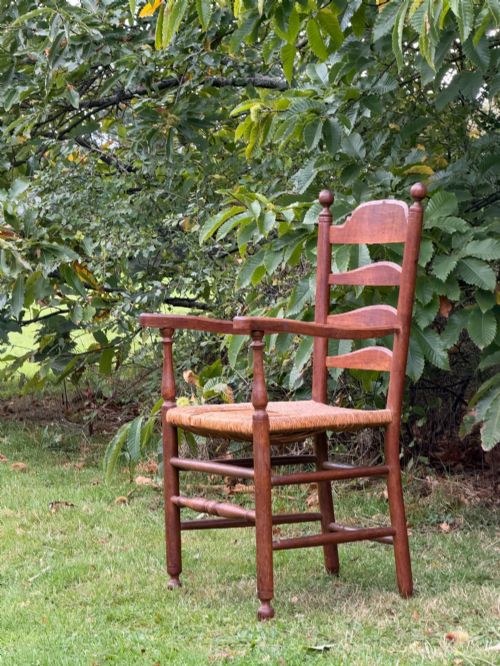
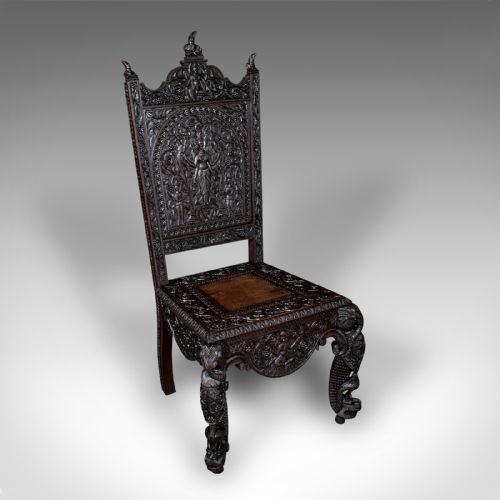
Makers utilised durable tropical hardwoods to construct seating intended for both tropical verandas and English gardens. The resulting pieces combine robust structural timber with intricate hand-carved ornamentation, cane, rush, and woven rattan.
Materials and construction methods
Construction relies heavily on dense teak and related hardwoods selected for weather resistance and structural longevity. Artisans combined traditional joinery with detailed surface carving to shape armchairs, benches, and settees.
Vintage Teak Seat Retail Price Guide 2026
Typical asking prices for vintage teak seat among the pieces listed under this phrase on Sellingantiques today, from the lower quarter to the upper quarter. They describe what is for sale here now, not the wider market.
Several items on this page began life aboard ocean liners or inside nineteenth-century bullock carts before reaching modern gardens.
Factors of distinction
Quality in these pieces rests upon the crispness and depth of the hand-carving and the integrity of the underlying hardwood frame. Finely proportioned armchairs and benches maintain rigid joints and balanced symmetry despite decades of use.
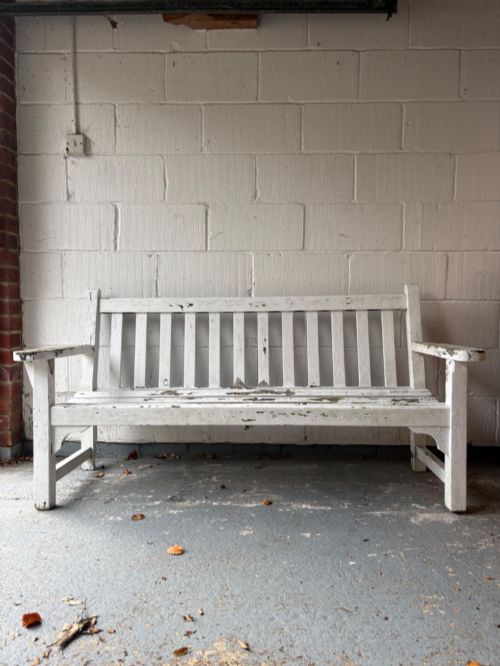
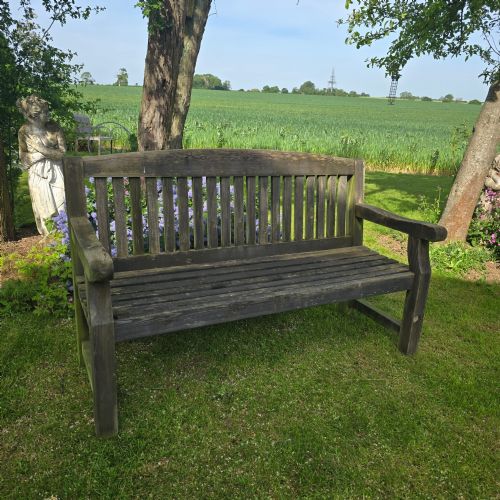
The condition of integrated woven elements like cane and rattan significantly alters the character of a seat. Uniform weathering on garden benches creates a desirable silvered patina, whereas uneven degradation impacts the overall visual harmony.
The Vintage Teak Seat Glossary
- Teak
- A durable tropical hardwood known for its natural oil content and resistance to weathering. It forms the primary structural material for these colonial and garden seats.
- Plantation Chair
- An adjustable armchair featuring extended arms designed for resting legs, originating from colonial households in the nineteenth century.
- Cane
- Woven material derived from rattan palm used to form flexible, breathable seating inserts within wooden frames.
- Weathered
- The natural silver-grey patina acquired by outdoor timber exposed to sunlight and rain over many decades.
- Anglo-Indian
- A style combining British furniture forms with traditional Indian carving techniques and indigenous timbers.
Vintage Teak Seat: Frequently Asked Questions
Where were vintage teak seats used?
Many of these pieces served in colonial verandas, study rooms, and expansive gardens across regions like India and Burma.
Others found places within English country houses and conservatories as weather-resistant garden benches or decorative indoor seating.
How do I care for weathered teak?
Weathered outdoor benches typically retain their protective silvered patina without requiring aggressive chemical treatments or heavy oils.
Indoor seating benefits from gentle dusting and occasional conditioning of organic elements like cane, rush, or leather.
Are these seats suitable for gardens?
Certain forms specifically designed as garden benches withstand outdoor exposure due to the natural oils present in teak timber.
Carved indoor armchairs and cane-seated varieties require sheltered placement on verandas or inside homes to protect delicate materials.