




Weathered Wooden Outdoor Seat
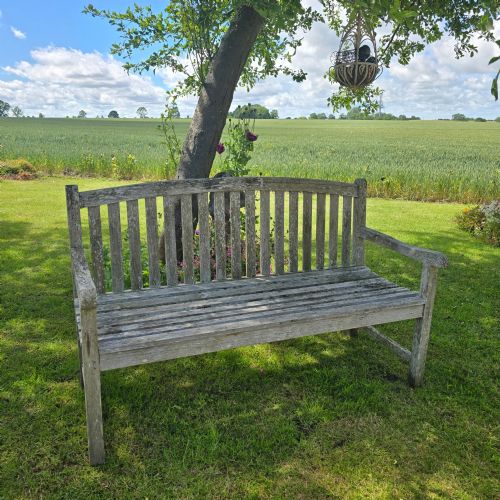
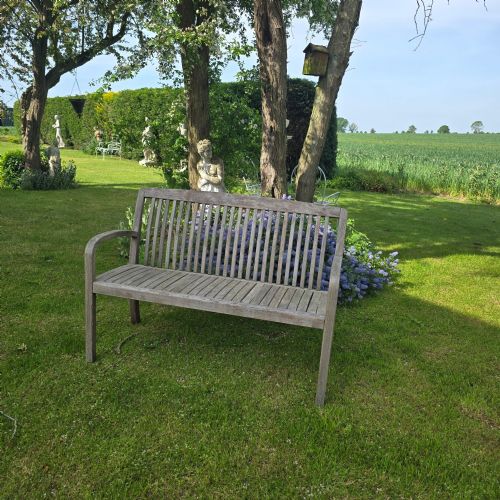
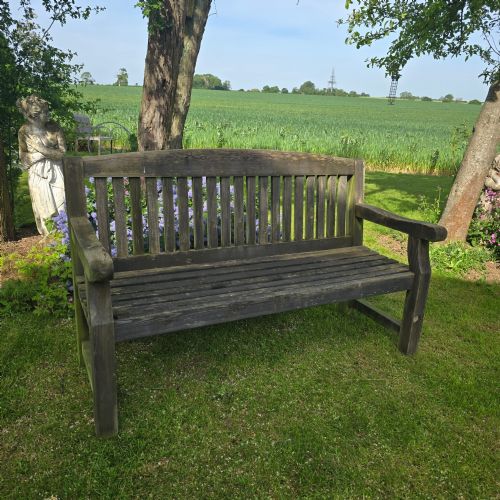
These weathered wooden outdoor seat pieces are robust garden benches built for enduring the elements while anchoring a terrace or lawn.
Weathered Wooden Outdoor Seat
A weathered wooden outdoor seat is primarily encountered as a garden bench, offering functional seating designed for grounds and patios. The examples seen here span from the 19th Century and Victorian eras through the Edwardian period and into the 1930s.
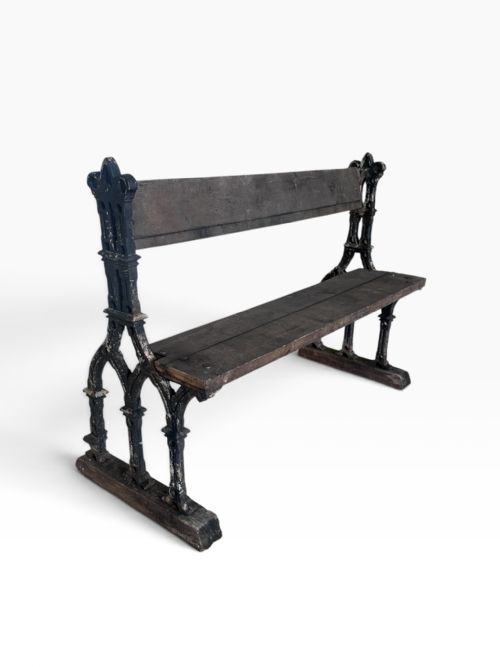
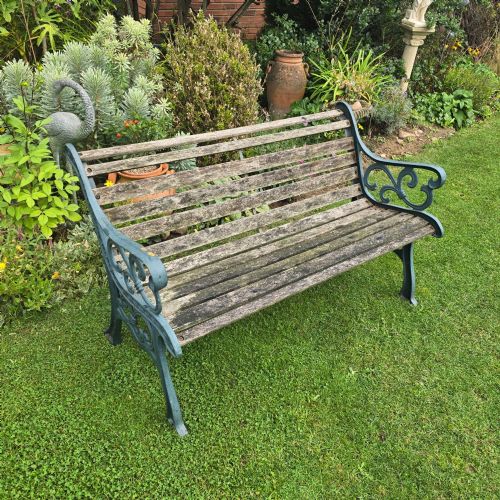
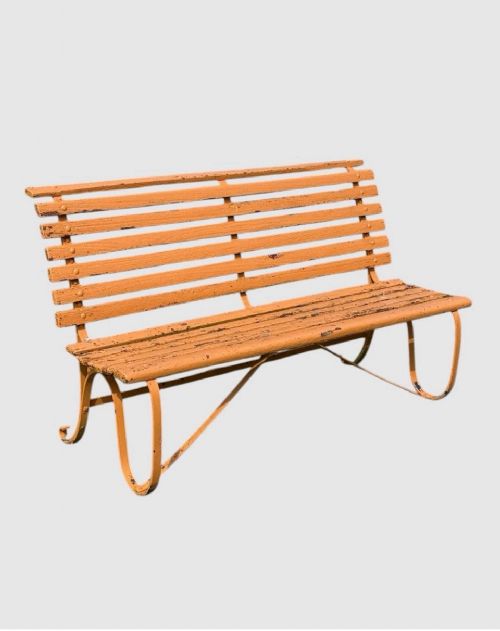
Forms range from traditional English garden benches to circular slatted tree seats and distinct Victorian Gothic designs. Many pieces combine timber slats with robust cast iron frames, whilst others rely entirely on durable wood construction.
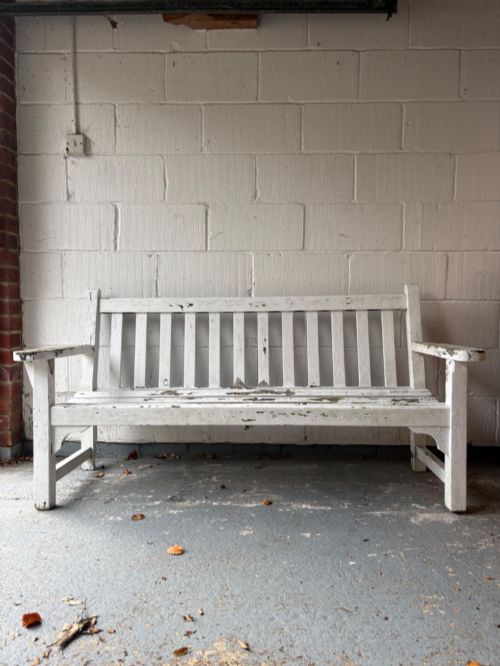
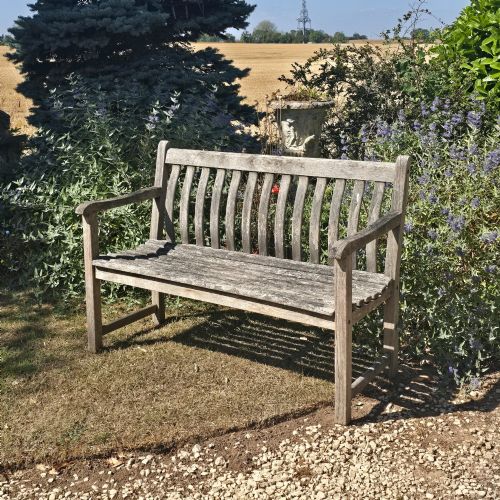
Origins heavily reflect traditional English garden aesthetics, including orangery benches and park seating. Buyers will regularly find teak wood surfaces that have weathered to a characteristic silvered hue alongside painted white finishes.
How they were made
Construction relies heavily on durable hardwoods like teak and oak, paired frequently with heavy cast iron structural supports for the bench ends and frames. These material combinations ensure structural longevity when exposed to outdoor elements.
Surfaces are either left bare to weather naturally into silvered timber or treated with paint, such as white finishes on early 20th-century teak. Slatted wooden construction allows rainwater to drain freely from the seat surface.
Weathered Wooden Outdoor Seat Retail Price Guide 2026
Typical asking prices for weathered wooden outdoor seat among the pieces listed under this phrase on Sellingantiques today, from the lower quarter to the upper quarter. They describe what is for sale here now, not the wider market.
The listings show a strong presence of 1930s teak benches alongside 19th Century Victorian cast iron examples.
What varies in quality
The sophistication of the design dictates much of the standing, moving from standard slatted garden seating to unusual forms like oak orangery benches or intricate Victorian Gothic cast iron frames. The interplay between heavy metalwork and shaped timber establishes the visual weight of the piece.
The degree and uniformity of the natural weathering on the teak wood significantly affect the character of the bench. Well-silvered surfaces attained through decades of exposure present a distinct visual maturity compared to uniformly painted or freshly altered wood.
The Weathered Wooden Outdoor Seat Glossary
- Teak
- A dense, durable tropical hardwood highly resistant to moisture, frequently utilised for outdoor garden benches due to its longevity. It naturally ages to a silvered patina when exposed to weather.
- Cast Iron
- A strong, heavy alloy poured into moulds to create decorative and structural bench ends. This material provides stability and weight to nineteenth-century and early twentieth-century garden seating.
- Victorian Gothic
- A design style inspired by medieval architecture featuring pointed arches and ornate tracery. This aesthetic appears on the metal frames of specific nineteenth-century garden benches.
- Tree Bench
- A specialised form of garden seating constructed in a circular or polygonal shape to fit around the trunk of a tree. These wooden slatted seats offer shaded spots within traditional English gardens.
- Orangery Bench
- A substantial indoor-outdoor seating form intended for glasshouses or protected garden rooms. These pieces often exhibit unusual proportions and refined woodwork compared to standard park benches.
Weathered Wooden Outdoor Seat: Frequently Asked Questions
How do I care for a weathered teak bench?
Teak requires minimal intervention due to its natural oil content, which resists rot and decay outdoors. Simply wash the surface occasionally with soapy water to remove accumulated dirt.
Allowing the wood to remain untreated preserves the silvered grey patina valued by collectors. Applying oils or sealants is generally unnecessary unless you wish to restore a warmer brown tone to the timber.
Are these benches suitable for year-round outdoor use?
These pieces are specifically constructed from robust materials like teak, oak, and cast iron designed to withstand outdoor conditions. Leaving them outside throughout the winter months is standard practice for garden furniture.
Positioning the legs on paving slabs or gravel rather than directly on damp soil helps prevent unnecessary moisture absorption during wetter seasons.
What is a tree garden bench?
A tree garden bench is built in segments to encircle the trunk of a mature tree, creating a functional resting place that utilises natural shade. The slatted wooden seat follows a curved geometry tailored to the diameter of the tree.
These forms appeared across traditional English gardens to integrate outdoor seating seamlessly into the surrounding landscape architecture.
How can I tell a Victorian bench from a 1930s piece?
Victorian examples often incorporate heavy cast iron frames decorated with Gothic revival motifs or ornate plant patterns. The joinery and overall proportion reflect nineteenth-century manufacturing methods.
Pieces from the 1930s frequently lean towards simpler teak constructions with clean slatted timber backs and well-silvered surfaces. Examining the style of the metalwork and the type of wood helps establish the approximate era.