




Vintage Tea Saucers
Vintage tea saucers bring decorative ceramic craft to the table, offering painted motifs and gilded detail from past centuries.
Vintage Tea Saucers
Vintage tea saucers comprise individual ceramic dishes and matching components drawn from extensive tea sets, trios, and service collections. These pieces emerge from periods spanning the eighteenth century through the twentieth century, reflecting diverse international ceramic traditions.
Buyers encounter single hand-painted examples alongside complete afternoon tea services and associated coffee sets. The selection includes English bone china, continental porcelain, and Japanese export wares produced across various historical eras.
How they were made
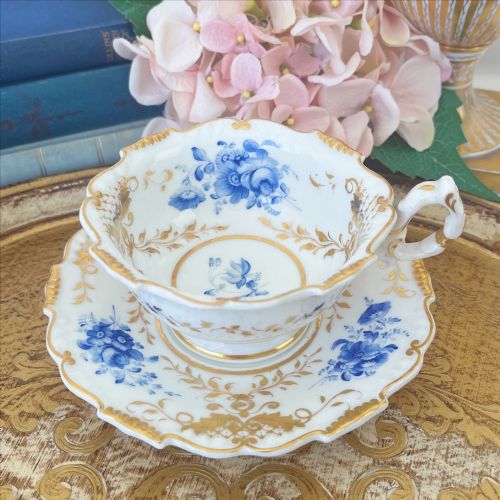
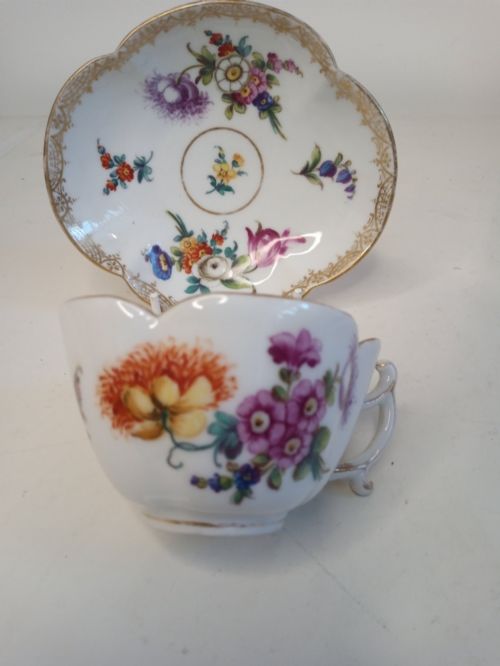
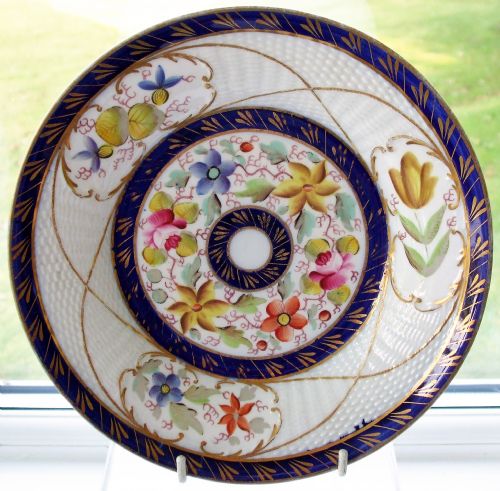
Makers shaped these items using porcelain, bone china, ironstone, and soft-paste porcelain, frequently applying hand-painted enamel decoration. Artisans incorporated gold leaf, gilding, and gilt accents to embellish surface patterns.
Production techniques involved traditional kiln firing followed by meticulous brushwork. Certain pieces integrate silver mounts or sterling silver components alongside the ceramic body.
Vintage Tea Saucers Retail Price Guide 2026
Typical asking prices for vintage tea saucers among the pieces listed under this phrase on Sellingantiques today, from the lower quarter to the upper quarter. They describe what is for sale here now, not the wider market.
Tea bowls designed without handles meant eighteenth-century drinkers balanced hot porcelain carefully between thumb and fingers.
What varies in quality
The precision of hand-painted artwork and the delicacy of the porcelain body distinguish superior examples from standard production. Artisanal execution in floral motifs, figural scenes, and gilding determines the distinction.
The integrity of the glaze and the preservation of applied gold leaf significantly influence the standard of individual items. Maker attribution and documented factory origins further define the level of craftsmanship.
New Hall Porcelain·Coalport·Royal Worcester·Royal Albert Crown China·Doric China Longton Stafford·Moscow Factory Gardner·Worcester porcelain·Masons Patent Ironstone China·Taniguchi Japan·KPM Berlin·Spode·Wileman Foley Shelley·Hutschenreuter·Lowestoft Porcelain·Gladstone potteries
The Vintage Tea Saucers Glossary
- Porcelain
- A white vitrified ceramic material of high density and strength, fired at high temperatures. It forms the primary body for the majority of these drinking vessels.
- Bone china
- A type of porcelain incorporating bone ash, known for its translucency and durability. English factories utilised this composition extensively for tea services.
- Gilding
- The application of gold leaf or gold paint to ceramic surfaces for ornamentation. This technique highlights rims, handles, and painted motifs.
- Soft-paste porcelain
- An early ceramic composition fired at lower temperatures than hard-paste porcelain. Eighteenth-century factories employed this material for delicate tea bowls and saucers.
- Ironstone
- A heavy, durable earthenware patented in the nineteenth century to imitate porcelain. It provides a robust alternative for domestic utility.
Vintage Tea Saucers: Frequently Asked Questions
How do I identify eighteenth century pieces?
Eighteenth century examples display specific soft-paste or early porcelain characteristics combined with period-specific hand-painted blue and white or polychrome motifs. The weight, glaze pooling, and potting style help distinguish these early items from later reproductions.
Examination of the foot ring and any underglaze factory marks provides further clues to the manufacturing date. Comparing the decorative palette to documented factory patterns confirms the era of production.
Are these saucers safe for daily use?
Many vintage tea saucers retain their structural integrity, but historic glazes and delicate gold leaf require careful handling. Hand washing preserves the enamel decoration and prevents damage to fragile porcelain bodies.
Usage should remain occasional to protect hand-painted surfaces and nineteenth-century gilding from wear. Microwave heating and automated dishwashers are unsuitable for these antique ceramics.
What is the difference between a tea bowl and a saucer?
Early tea bowls served without handles to hold hot infused tea, while matching saucers caught drips or held the bowl. Eighteenth-century table customs placed the tea in the bowl for cooling before drinking.
As tea sets evolved into cups with handles, saucers developed a central well to secure the foot of the cup. The evidence shows both handleless tea bowls and later teacups paired with matching saucers.
How should I display my collection?
Displaying these ceramics involves stable plate stands or dedicated display cabinets that protect them from accidental knocks. Proper support prevents weight stress on delicate rims and thin porcelain walls.
Placement away from direct sunlight preserves the vibrant enamel colours and prevents fading in hand-painted floral or figural designs. Adequate spacing ensures individual pieces remain visible and secure.