

Vintage Tea Platter
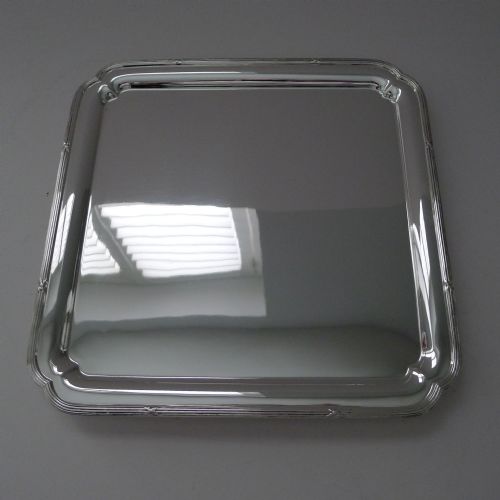
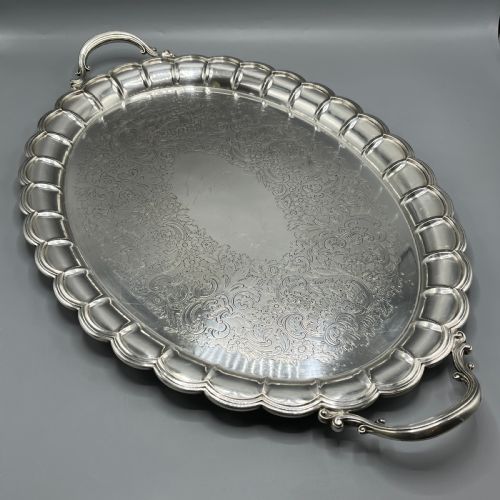
A vintage tea platter brings formal hospitality to the table, offering a sturdy surface to carry pots, cups and silver.
Vintage Tea Platter
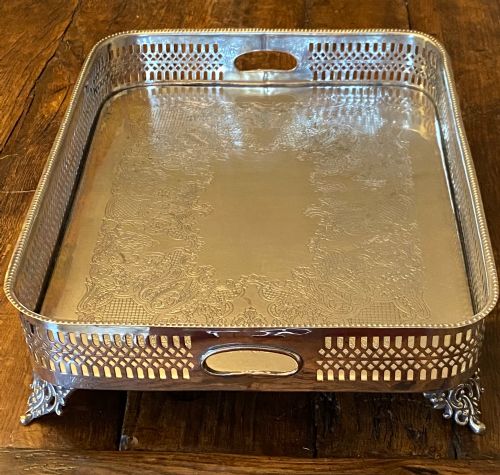
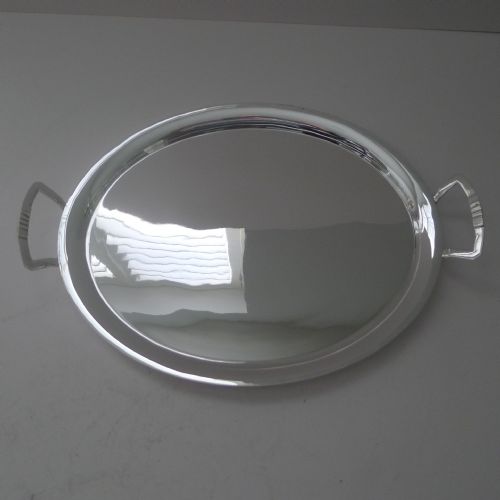
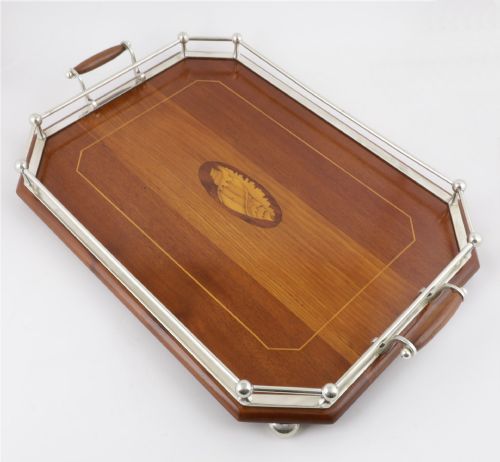
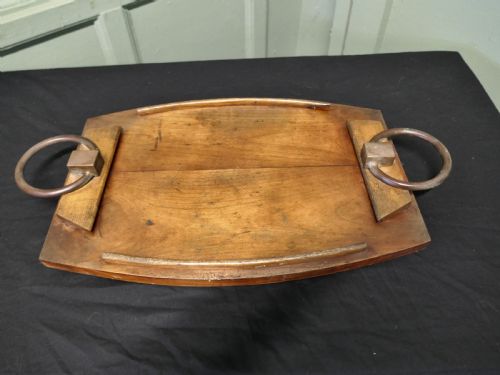
A vintage tea platter serves as the foundation for afternoon hospitality, designed to transport and display teapots, cups and small dishes. When searching for a vintage tea platter, buyers encounter diverse forms ranging from gallery edges to handled cocktail servers.
The pieces listed span several periods, with Edwardian and Victorian examples forming the bulk of the selection. These items appear in materials like silver plate, mahogany, and copper, reflecting the domestic habits of the nineteenth and twentieth centuries.
Materials and construction methods
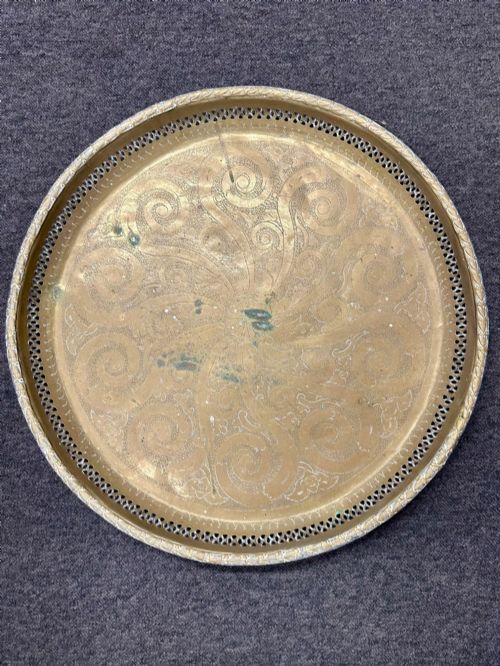
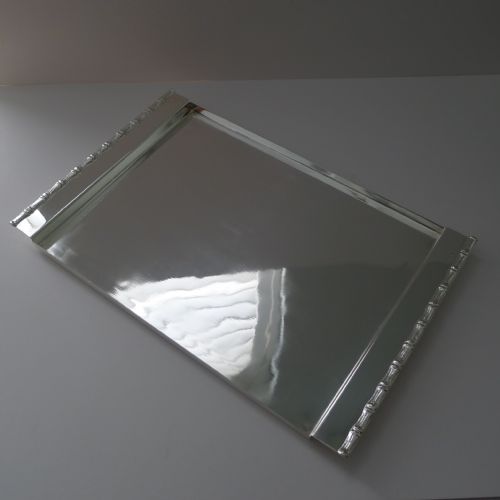
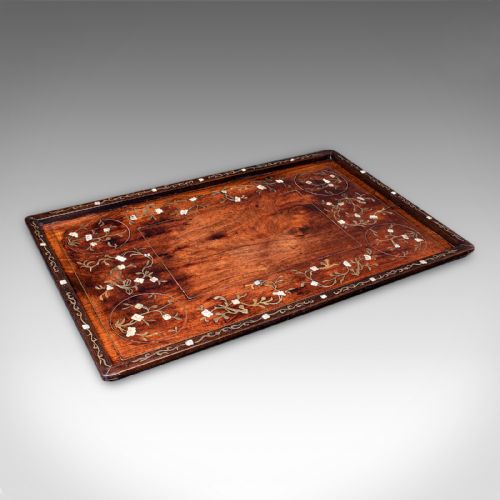
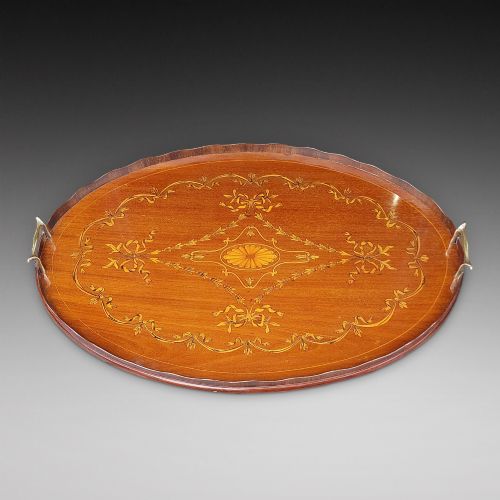
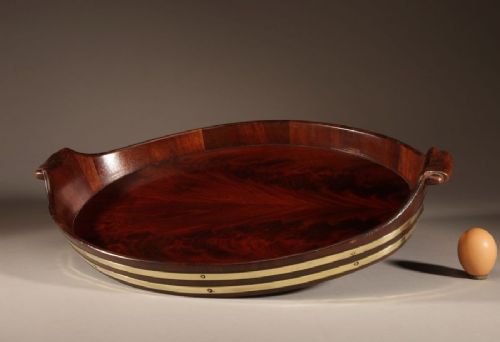
Makers utilised metals such as silver plate, EPNS, brass and copper, often shaping them into heavy serving trays with applied borders or raised galleries. Wooden alternatives rely on mahogany, satinwood and teak, sometimes incorporating marquetry, shell inlay or oyster veneering.
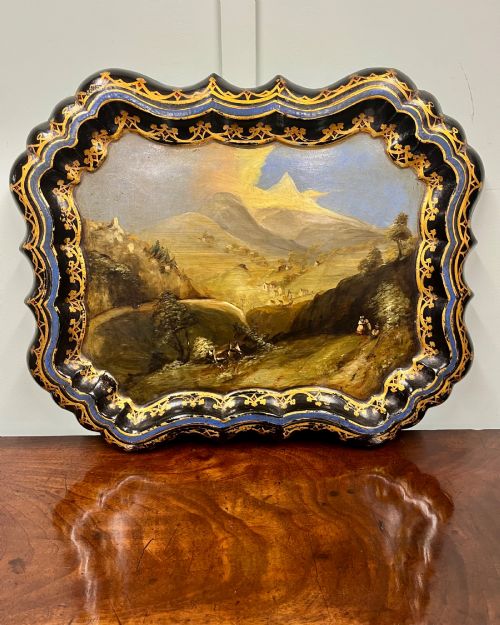
Papier-mâché and japanned surfaces provide lighter options, frequently decorated with hand-painted details or gilding. Metal components are soldered, riveted or cast, while wooden trays employ cooperative staving or fine cabinetry joints.
Vintage Tea Platter Retail Price Guide 2026
Typical asking prices for vintage tea platter among the pieces listed under this phrase on Sellingantiques today, from the lower quarter to the upper quarter. They describe what is for sale here now, not the wider market.
A Victorian tôleware tray bears the dramatic title Esther Accusing Haman, bringing courtroom tension straight to the tea service.
Judging the standard of execution
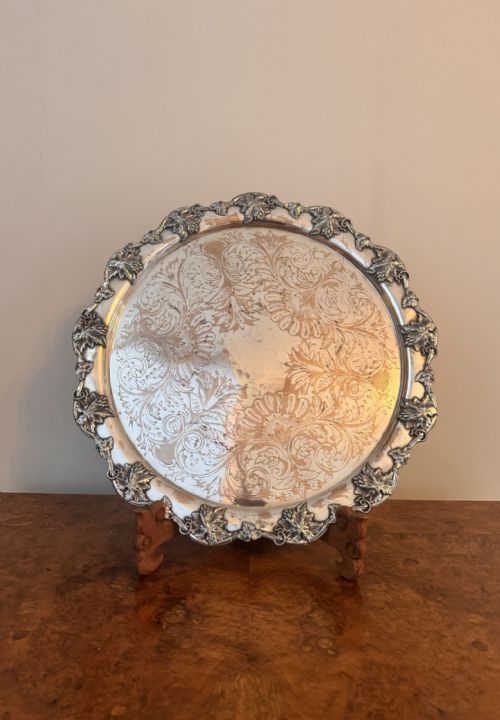
Superior examples show crispness in chased and engraved decoration, particularly along grapevine borders or floral centres. In plated metal, a heavy base metal with thick silver deposits retains its finish through decades of polishing.
Wooden trays demonstrate quality through tight veneer work, sound inlay and sturdy handle attachments that withstand weight. Inferior items display worn plating, loose joints or flattened details on cast rims.
Elkington & Co.·James Deakin·Mappin & Webb·Christofle·Hugh Wallis
The Vintage Tea Platter Glossary
- Gallery tray
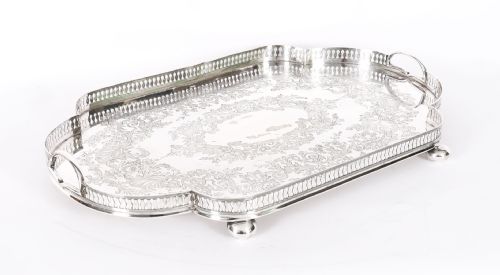
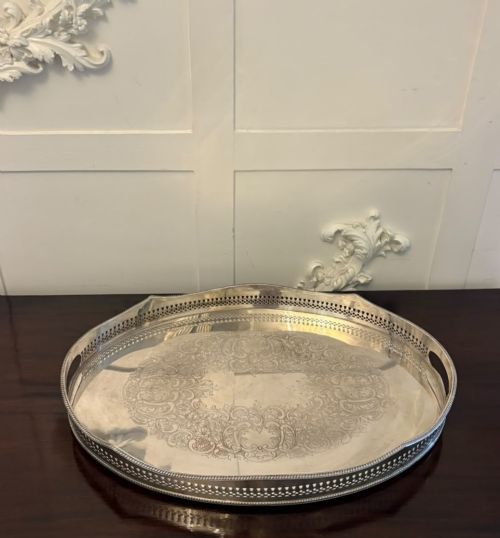
- A tray fitted with an upright pierced metal or wooden gallery around its perimeter. This raised border prevents decanters and cups from sliding off during service.
- Silver plate
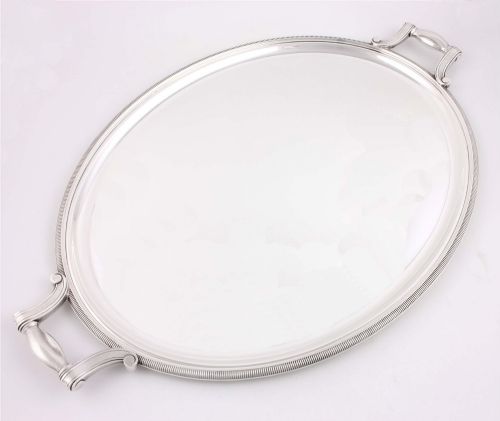
- A layer of silver fused to a base metal such as copper or nickel brass. This technique offered the appearance of solid silver at a lower cost.
- Papier-mâché
- A composite material made from paper pulp or sheets of paper mixed with glue, then pressed and dried. It forms a hard, lightweight base for Japanned decoration and gilding.
- EPNS
- Electroplated nickel silver. A common base alloy used for silver-plated domestic wares from the mid-nineteenth century onward.
- Marquetry
- Decorative veneer patterns formed by fitted pieces of various woods. It appears on the surfaces of Edwardian and Victorian wooden serving trays.
Vintage Tea Platter: Frequently Asked Questions
What is a vintage tea platter used for?
These pieces transport teapots, cups and saucers from the kitchen to the parlour or sitting room. They also serve drinks or display decorative objects on side tables.
The raised edges and sturdy handles ensure safe carrying, while the flat centre accommodates several vessels at once.
How do I clean a silver plated tray?
Use a soft cloth and a specialised silver cream designed for plated items. Avoid harsh abrasives that wear away the thin silver layer.
Rinse the metal gently with warm water and dry it thoroughly with a lint-free cloth to maintain the shine.
Are wooden trays suitable for daily use?
Wooden trays handle light domestic service well, provided moisture is wiped away promptly. Mahogany and teak versions offer good durability for carrying cups.
Keep them away from direct heat sources and excessive water to protect the polished surface and inlay.
How can I date an Edwardian tea platter?
Edwardian pieces often feature bright silver plating, delicate mahogany inlay, or simple gallery rails. Maker stamps on metal items help confirm the exact decade of manufacture.
Compare the construction style and decorative motifs against known production periods for firms like Mappin and Webb.