


Vintage Tea Canister Box
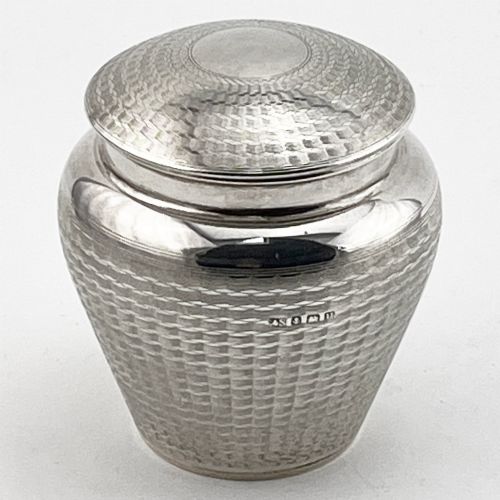
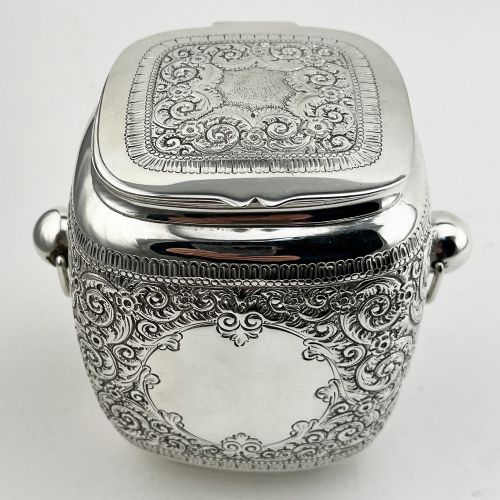
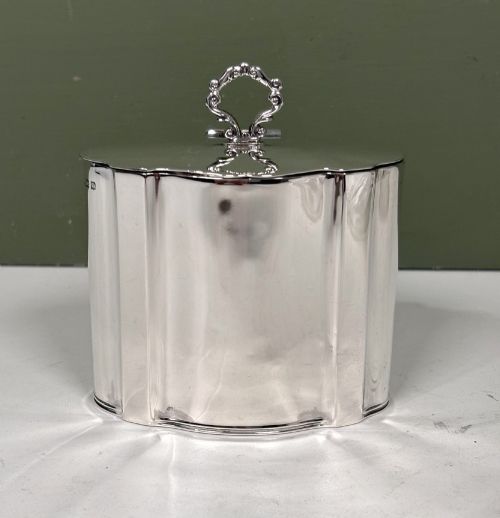
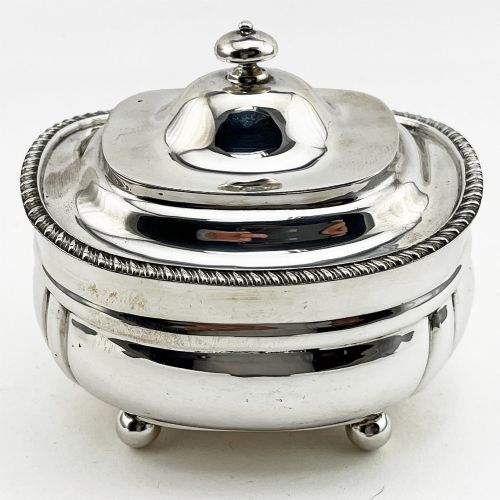
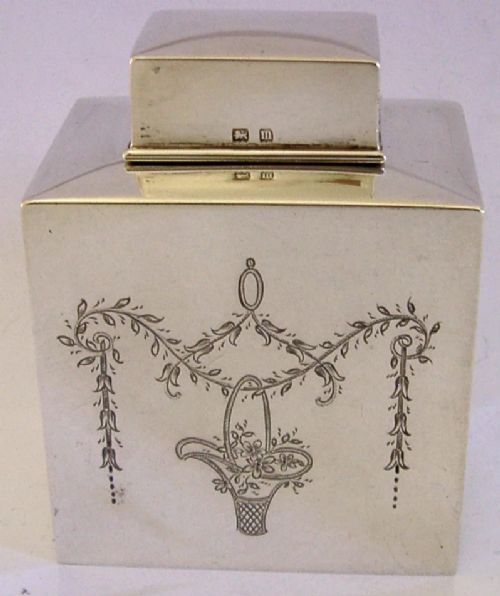
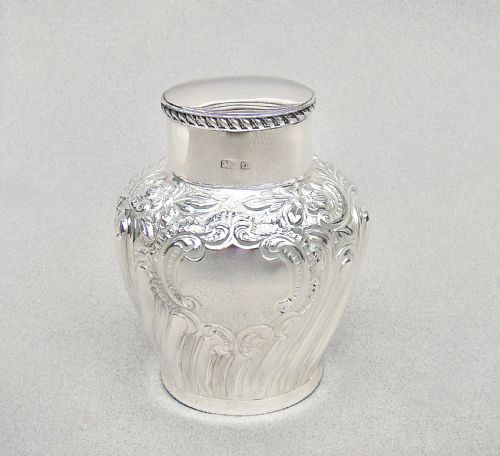
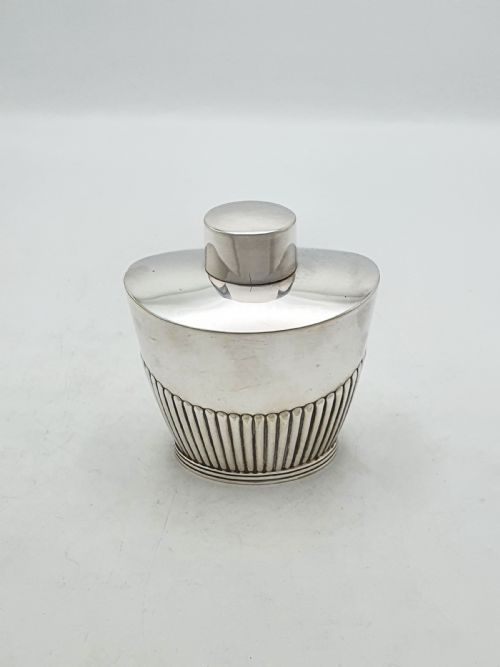
These vintage tea canister box examples range from Georgian mahogany chests to Edwardian solid silver vessels designed to protect precious leaves.
Vintage Tea Canister Box
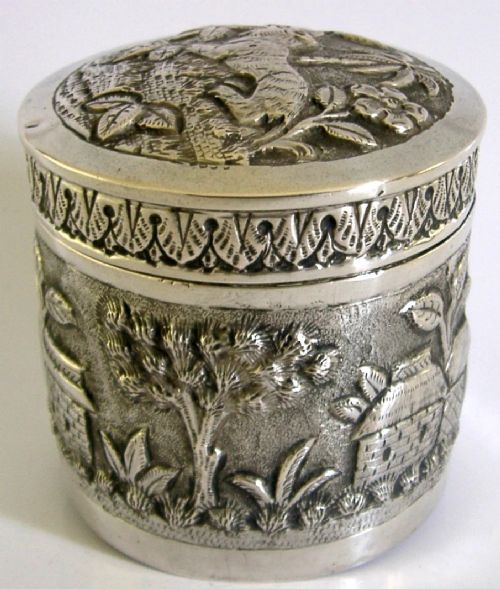
When you search for a vintage tea canister box, you encounter diverse domestic receptacles built to store loose leaves safely away from light and air. The selections span timber constructions and precious metal caddies from various historical periods.
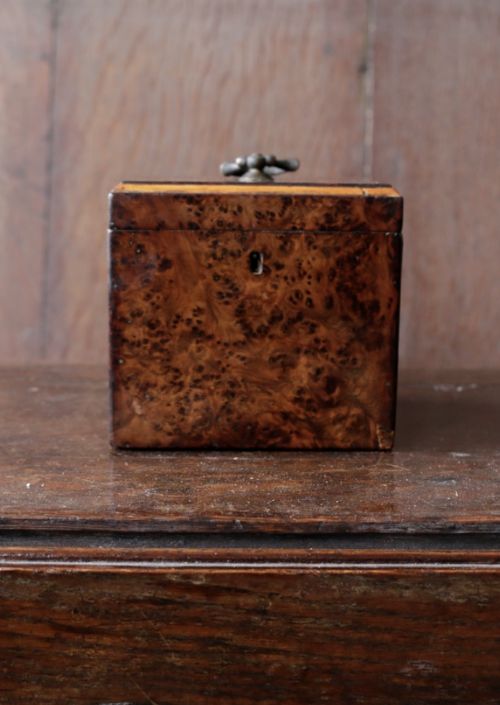
Wooden forms appear frequently in mahogany, walnut, burr yew, and ebony, often featuring inlaid details or interior compartments. Metal versions emerge in sterling silver, silver plate, and decorative tin.
Examples cross multiple eras, including Georgian, Regency, Victorian, and Edwardian periods alongside early twentieth-century creations. Certain pieces function equally well as trinket boxes or decorative bins.
How they were made
Carpenters constructed timber vessels using dense hardwoods like mahogany and figured veneers such as burr yew and burr maple. Makers added contrasting stringing, ebony inlay, and fitted internal compartments designed to keep loose leaves separate.
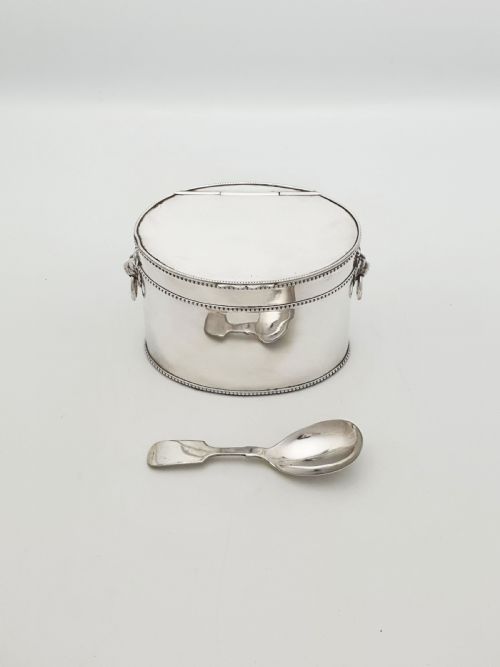
Silversmiths shaped metal variants from sterling silver and silver plate, frequently incorporating hinged lids, lion mask handles, and hallmarks indicating city and year of assay.
Listings feature items spanning the eighteenth, nineteenth, and twentieth centuries, constructed from solid silver, silver plate, mahogany, burr yew, and ebony.
What varies in quality
The degree of craftsmanship in timber boxes shows in the precision of the veneer work, the tightness of the corner joints, and the survival of complete interior fitments. Simpler containers rely on plain mahogany surfaces, while superior examples exhibit rich burr grains and delicate inlay.
Metal vessels derive their standing from crispness in the silversmith's chasing, legible hallmarks, and substantial weight of the silver or plating. Maker attribution to established workshops adds a distinct layer of distinction to the physical object.
Martin Hall & Co·Thomas Hayes·Mappin & Webb·Ernest Druiff & Co·William Hutton
The Vintage Tea Canister Box Glossary
- Tea Caddy
- A small box or chest designed for storing loose tea leaves. Early examples often featured internal partitions and locking lids.
- Hallmark
- An official stamp applied to precious metals indicating the purity, maker, assay office, and year of production. These marks help date silver items accurately.
- Veneer
- A thin slice of figured wood applied over a base timber surface. Craftsmen utilised burr yew, walnut, and mahogany to create decorative patterns.
- Assay
- The testing of precious metal purity conducted by an official office. The resulting marks provide reliable historical evidence for silver pieces.
Vintage Tea Canister Box: Frequently Asked Questions
What are tea caddies?
Tea caddies are small lidded boxes built to store dry tea leaves when tea was an expensive commodity. They often included internal compartments or canisters.
Over time, these vessels evolved from simple wooden containers into ornate silver boxes and decorative tins used across various households.
How were they used?
Households used these containers to keep loose leaves dry, fresh, and secure under lock and key. The mistress of the house typically kept the key to control tea distribution.
Later forms functioned as general storage for trinkets or transformed into decorative biscuit tins for the parlour.
How do I live with them?
These boxes sit comfortably on side tables, desks, or mantelpieces as decorative storage for small items. Wooden versions require protection from direct sunlight and extreme humidity.
Silver variants benefit from occasional gentle polishing to maintain their finish without wearing away thin plate or hallmarks.
How do I tell periods apart?
Stylistic details and construction methods offer clues to the age of a piece. Georgian items often feature plain or inlaid mahogany and walnut, while Edwardian and later pieces frequently display silver hallmarks.
Examining internal hinges, linings, and assembly techniques helps distinguish eighteenth-century timber work from later revivals.