

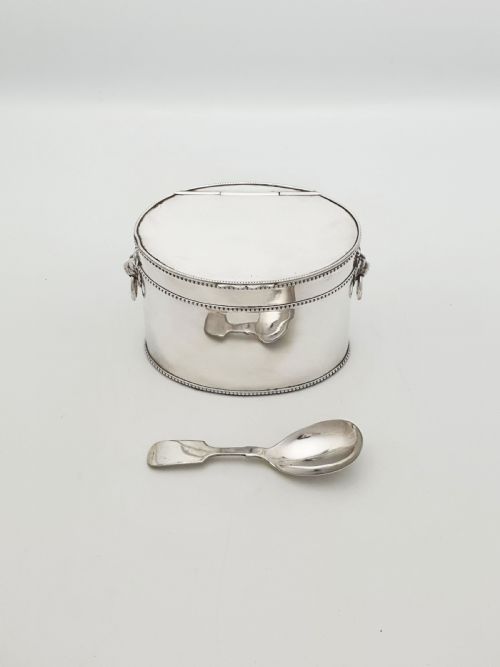


Vintage Tea Caddy Spoon
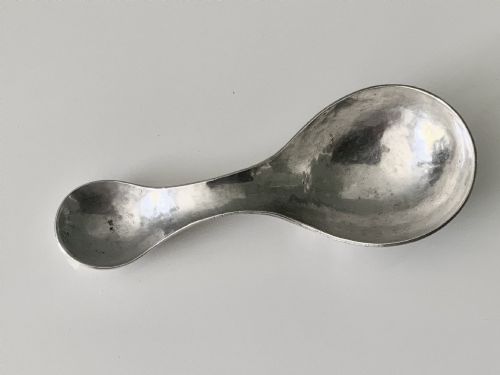
A vintage tea caddy spoon portions loose leaf leaves from caddy to pot with a short, wide bowl.
Vintage Tea Caddy Spoon
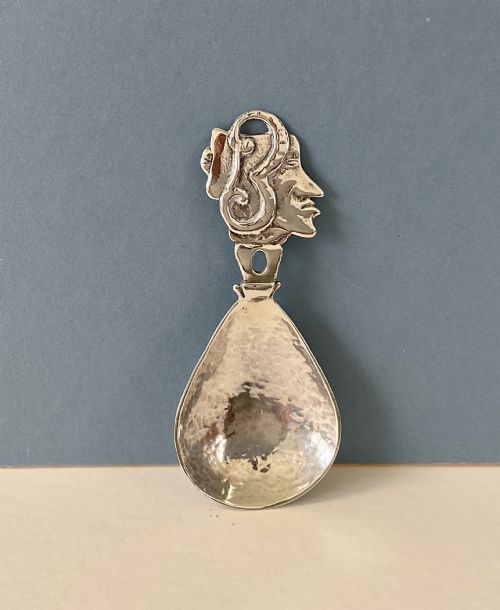
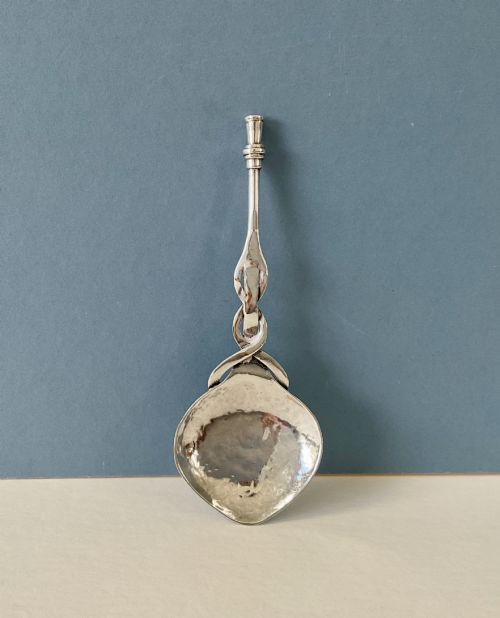
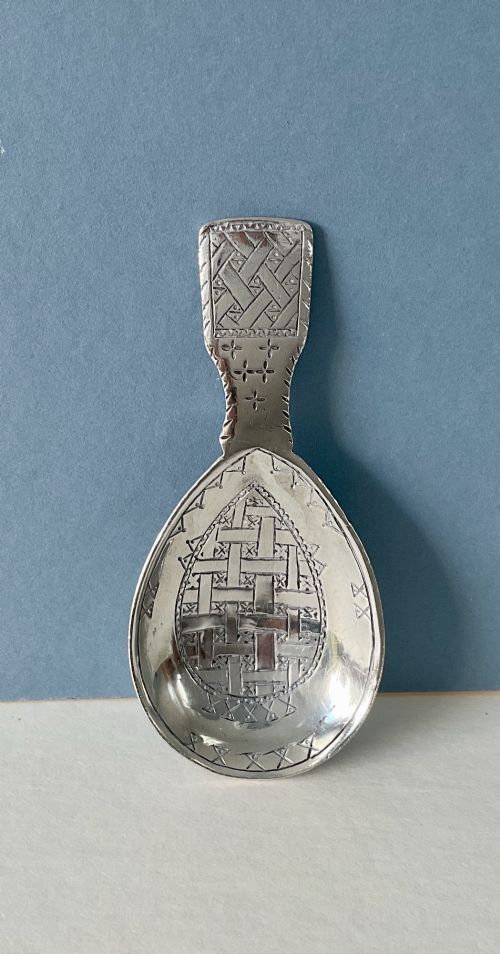
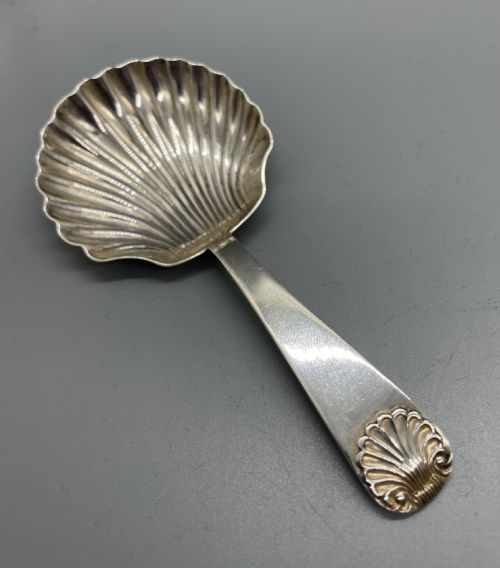
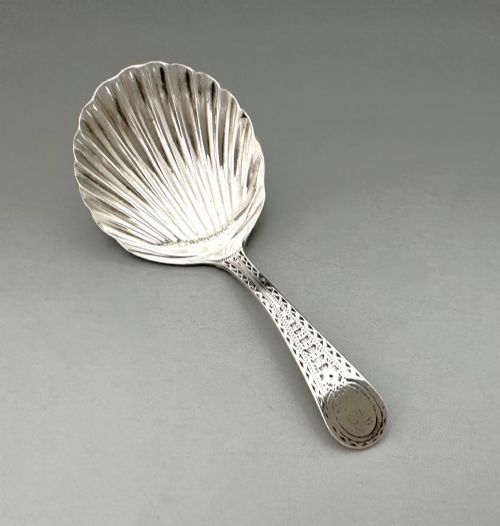
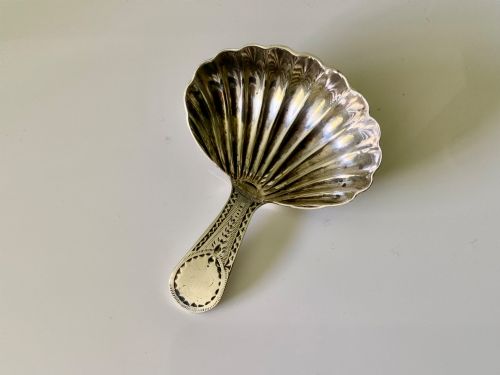
A vintage tea caddy spoon measures out dry leaf for the teapot, appearing in domestic silver collections across the Georgian, Victorian, Edwardian and mid-century eras. The examples found here span formal Georgian shell designs and double struck patterns, alongside later Arts and Crafts, Art Nouveau and Danish modern interpretations.
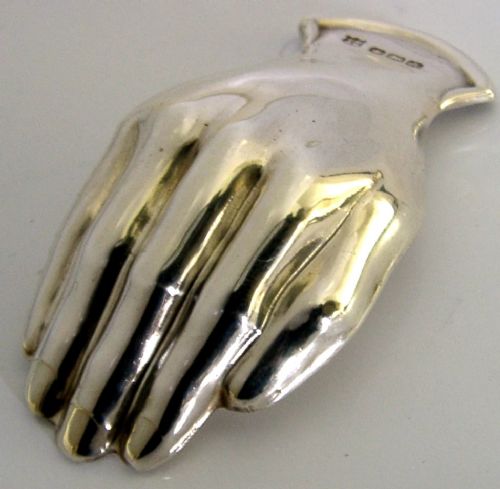
Most pieces on this page are fashioned from sterling silver or silver plate, though hardwood and enamel variations also appear. Forms range from traditional shovel bowls to novelty shapes like jockey caps and hand motifs, reflecting shifts in dining table etiquette and tea preparation over two centuries.
Materials and construction methods
Silversmiths formed these spoons using traditional hammering, stamping and casting techniques, frequently applying silver gilt finishes or hand-engraved details to the handles. Sturdy sterling silver and silver plate provide the primary metal structure for durability during daily use.
Selected pieces incorporate carved hardwood or vibrant enamel panels fused to the metalwork, demonstrating distinct regional craftsmanship from British workshops and Scandinavian makers.
Vintage Tea Caddy Spoon Retail Price Guide 2026
Typical asking prices for vintage tea caddy spoon among the pieces listed under this phrase on Sellingantiques today, from the lower quarter to the upper quarter. They describe what is for sale here now, not the wider market.
Several makers transformed tea accessories into playful novelties, shaping spoons into miniature jockey caps, grasping hands, and Napoleon crests.
Assessing craftsmanship and condition
The distinction between standard utility items and finer examples rests on the crispness of the hallmark stamps, the depth of the bowl engraving, and the balance of the handle in the hand. Stronger pieces display deliberate weight and unrubbed decorative detailing.
Makers who applied specialised techniques like double striking or enamel work achieved greater tactile and visual depth, separating workshop pieces from mass-produced equivalents.
Liberty·David Andersen·Georg Jensen·Plucknett
The Vintage Tea Caddy Spoon Glossary
- Caddy spoon
- A short-handled spoon specifically designed to measure loose tea leaves from a storage jar.
- Sterling silver
- A metal alloy consisting of ninety-two point five percent silver by mass, standard for British tableware.
- Silver gilt
- Silver that has been coated with a thin layer of gold on its surface, adding warmth to the bowl or handle.
- Hallmark
- An official stamp applied to precious metals indicating the standard of purity, origin city, and assay year.
- Double struck
- A manufacturing process where the die is stamped twice onto the metal to produce sharper relief on the pattern.
Vintage Tea Caddy Spoon: Frequently Asked Questions
How do I use a vintage tea caddy spoon?
These small spoons are designed to scoop loose leaf tea from a caddy directly into your teapot or infuser. Their short handles allow them to sit neatly inside storage jars.
While functional, many collectors today display them alongside teaware collections or use them during formal afternoon tea settings.
How can I tell a Georgian spoon from an Edwardian one?
Georgian spoons, dating from the eighteenth and early nineteenth centuries, often feature hand-engraved handles, bright-cut work, and traditional shell or fiddle patterns. Edwardian examples from the early twentieth century lean towards lighter, floral motifs or distinct Arts and Crafts styling.
Examining the assay office marks and date letters stamped on the metal provides the exact year of production.
How should I clean my silver caddy spoon?
Silver spoons benefit from gentle washing in warm, soapy water followed by thorough drying with a soft cloth to prevent tarnishing. A specialised silver polish should be used sparingly to avoid wearing away engraved details or hallmarks.
Wooden or enameled pieces require particular care, keeping them away from prolonged moisture and harsh cleaning chemicals.