


Vintage Tapestry Art
Vintage tapestry art brings texture and history to an interior through woven panels, framed needlework, and embroidered textiles from past centuries.
Vintage Tapestry Art
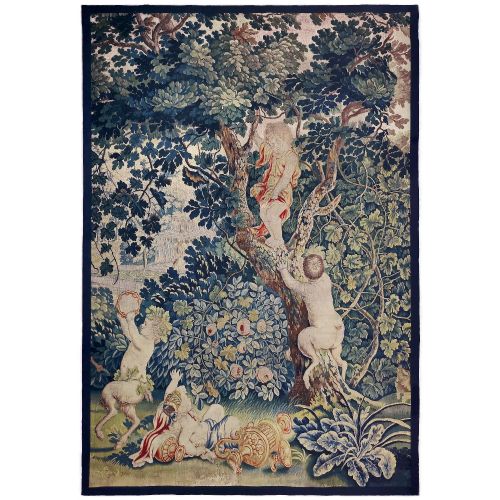
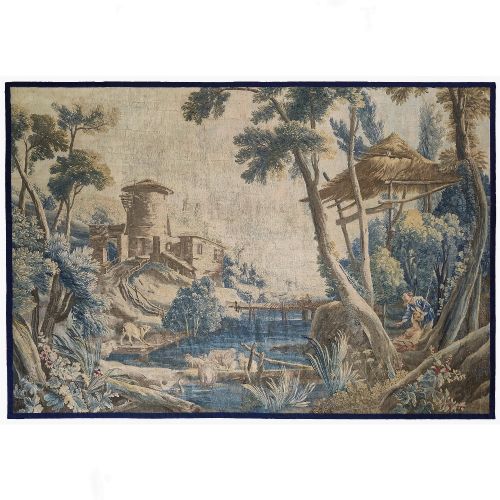
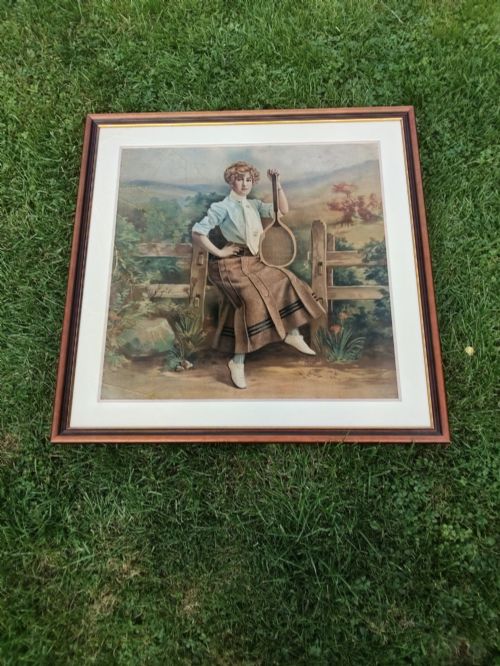
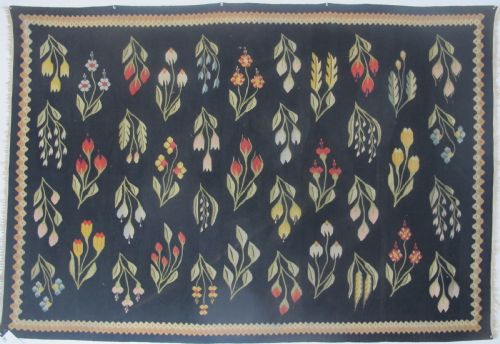
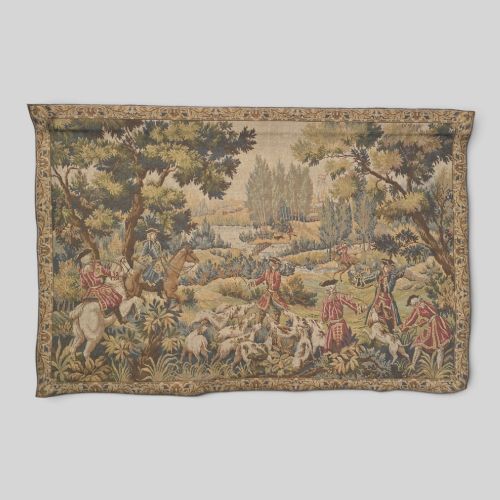
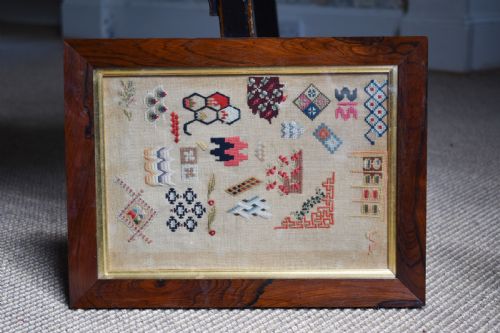
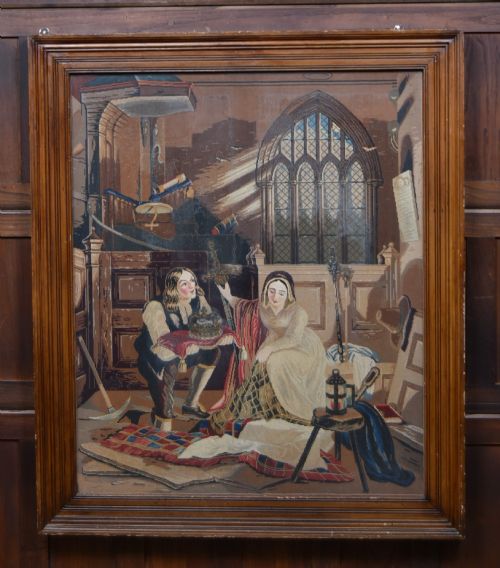
Vintage tapestry art encompasses a diverse range of fabric creations, from 17th-century Flemish and Aubusson verdure panels to 19th-century needlework pictures and Victorian samplers. Buyers exploring this category will encounter both large wall hangings designed for architectural spaces and smaller framed textile pieces.
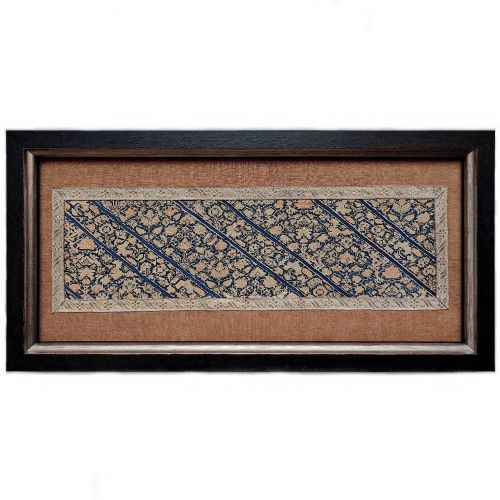
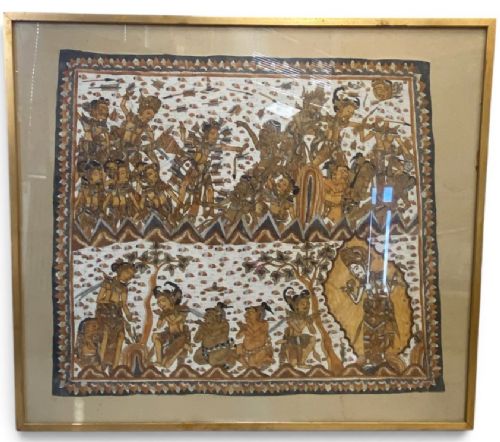
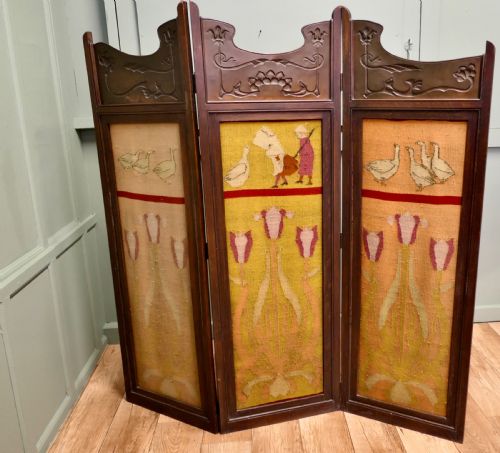
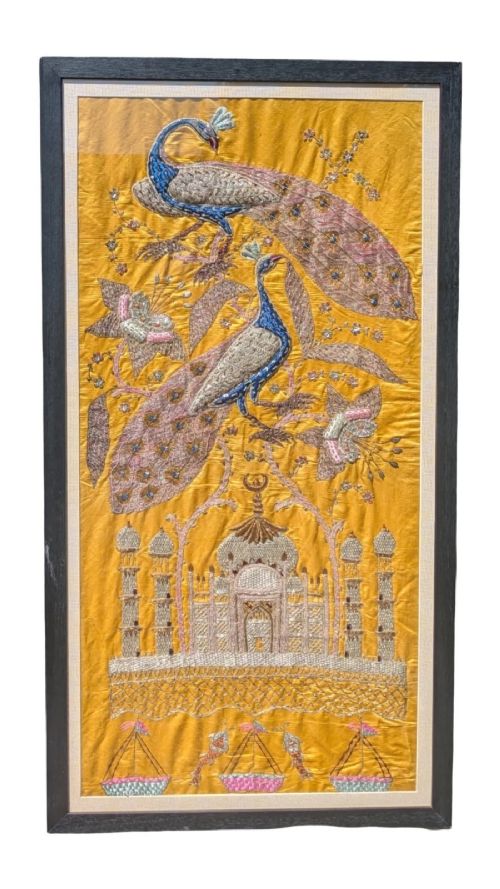
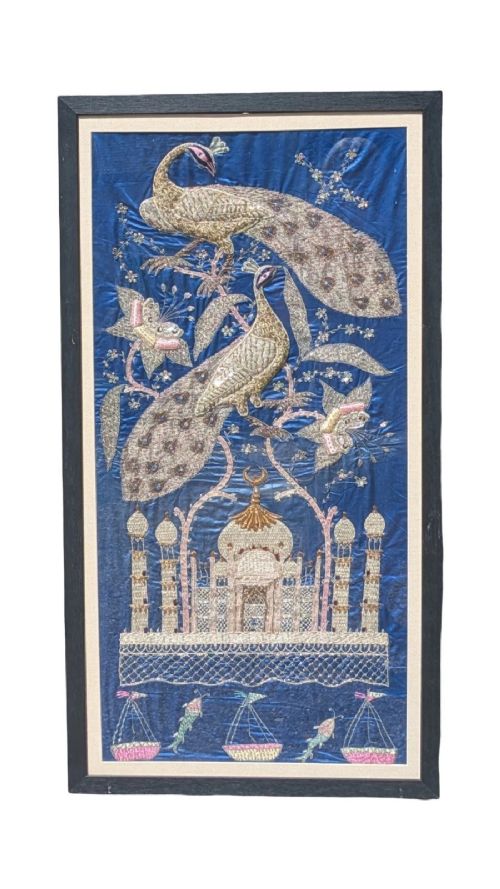
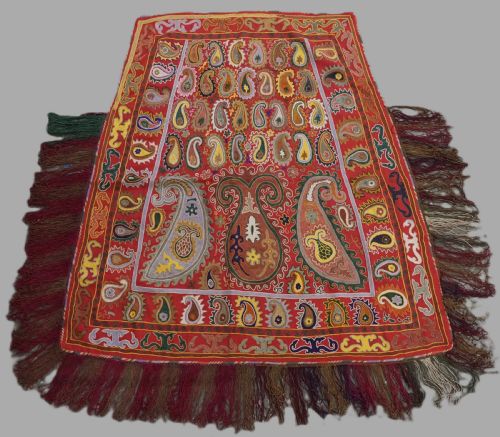
The selection extends beyond European weaving to include Central Asian tribal embroideries, Uzbek Suzanis, Indian silk panels, and Balinese textile paintings. These works utilise various display formats, appearing as mounted textile fragments, three-fold screens, and framed wool or beadwork pictures.
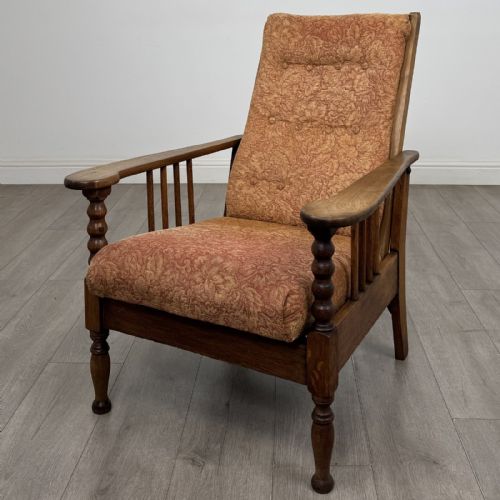
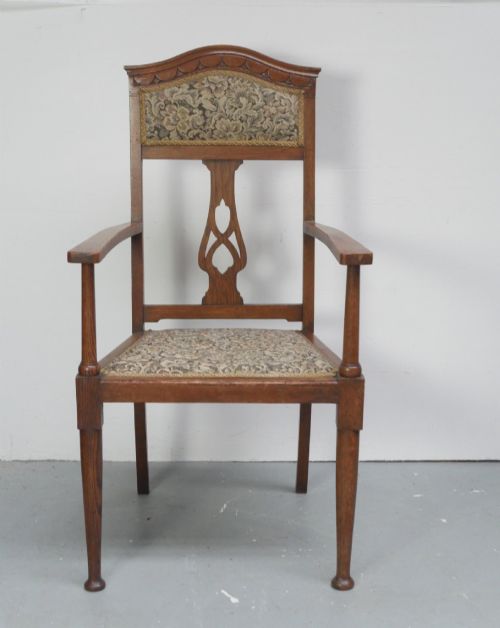
Armchairs and furniture incorporating antique textile upholstery also appear within this field, bridging the gap between decorative wall art and functional home furnishings. The primary focus remains on fabric works intended to bring warmth and historical narrative into domestic spaces.
Materials and construction
The physical construction of these pieces relies heavily on natural fibres, principally wool, silk, cotton, and linen, often combined on canvas or linen backings. Artisans employed varied techniques such as gros-point wool work, crewelwork embroidery, needlepoint, and traditional hand-weaving to build complex pictorial surfaces.
Support structures and framing play a significant role in preservation, with many older panels mounted onto linen, stretched over wooden frames, or enclosed behind glass. Supplementary materials like wood, oak frames, gilt surrounds, and copper support structures ground the textiles into tangible decorative objects.
Vintage Tapestry Art Retail Price Guide 2026
Typical asking prices for vintage tapestry art among the pieces listed under this phrase on Sellingantiques today, from the lower quarter to the upper quarter. They describe what is for sale here now, not the wider market.
Several panels preserve surprisingly fierce expressions on otherwise docile embroidered animals, proving historical artisans enjoyed giving sheep distinct personalities.
Factors of quality
Quality in these textiles rests upon the fineness of the stitchwork, the complexity of the pictorial composition, and the retention of original colour within the fibres. Superior examples demonstrate skilled handling of perspective, tone, and detail, whether in the depiction of foliage on a verdure panel or the intricate geometric patterns of a tribal Suzani.
The structural integrity of the fabric and the degree of historical survival distinguish finer pieces from heavily restored or fragmented examples. Original mounting, minimal fibre loss, and the crisp definition of motifs elevate certain works, whereas degraded structural supports or extensive later re-working alter the standing of an artefact.
The Vintage Tapestry Art Glossary
- Verdure tapestry
- A type of woven wall hanging dominated by landscape, foliage, and plant motifs, frequently produced in France and Flanders during the seventeenth and eighteenth centuries.
- Suzani
- A type of embroidered tribal textile originating from Tajikistan, Uzbekistan, and other Central Asian nations, traditionally worked in silk on a cotton or linen ground.
- Gros-point
- A coarse type of needlepoint stitch worked on canvas, commonly utilised in nineteenth-century pictorial panels and upholstery.
- Aubusson
- A style of tapestry woven in the French town of Aubusson, noted for pastoral scenes and fine botanical designs.
- Needlework
- Any craft involving the use of a needle to produce decorative stitching on fabric, encompassing samplers, framed pictures, and embroidered panels.
Vintage Tapestry Art: Frequently Asked Questions
How should I hang a heavy textile safely?
Large textile panels require even distribution of weight across the upper edge to prevent distortion of the fabric fibres. Professional mounting onto a padded, linen-covered batten or framing behind glass provides the necessary structural support for heavier pieces.
Direct sunlight and high humidity can degrade natural fibres like wool and silk over time. Selecting a wall away from direct heat sources ensures the longevity of older wall hangings and embroidered panels.
What is the difference between a tapestry and embroidery?
Tapestries are woven on a loom where the design is built directly into the fabric structure using warp and weft threads. This process requires a specialised loom and creates a picture integrated into the textile itself.
Embroidery, by contrast, is stitched onto an already existing woven ground fabric, such as linen, canvas, or cotton. Needlework pictures, Suzanis, and crewelwork panels all fall into this embroidered category rather than woven tapestries.
How do I identify a 17th-century verdure panel?
Seventeenth-century verdure panels typically display dense foliage, stylized trees, and occasionally birds or animals set within a woodland landscape. The palette often relies on faded greens, blues, and browns due to the natural ageing of the wool and silk threads.
These early fragments frequently show evidence of hand-weaving on low-warp or high-warp looms in European workshops, distinguishing them from later machine-woven or needlepoint copies.
Can antique textiles be cleaned?
Professional textile conservators should handle any washing or major cleaning of fragile historical pieces. Household cleaning methods can shrink natural fibres, bleed older dyes, or damage degraded silk and wool.
Gentle surface dust removal with a soft brush or low-suction vacuum through a protective mesh screen is generally safe for regular maintenance. Direct rubbing or chemical spot treatments must be avoided.