

Vintage Tall Wooden Chest
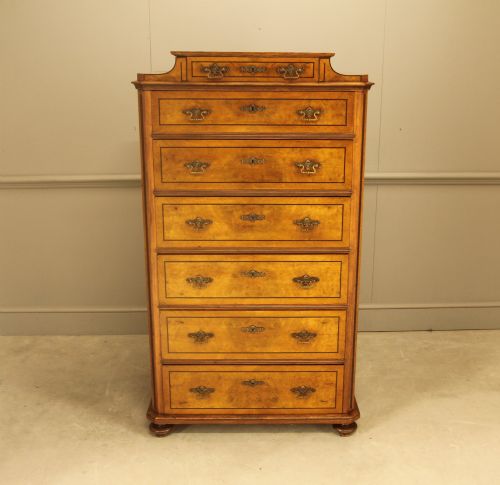
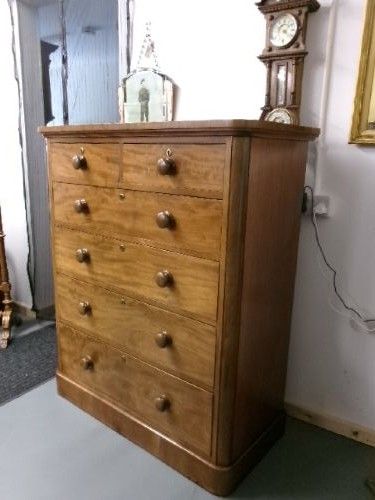
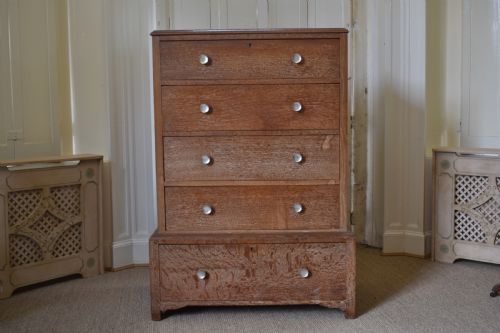
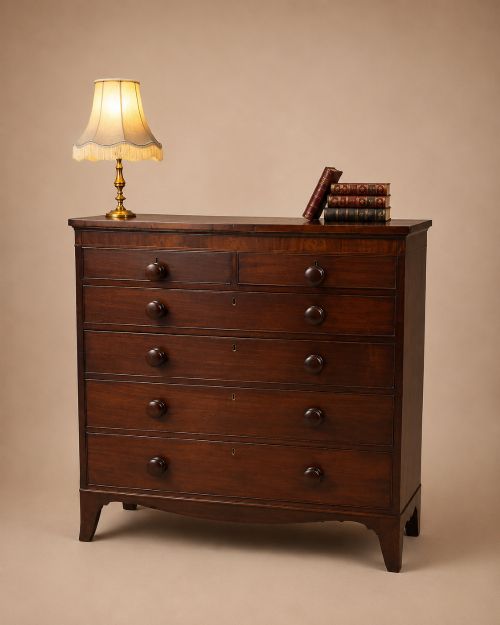
A vintage tall wooden chest brings vertical presence and deep storage to a room, offering everything from Georgian proportions to Edwardian craftsmanship.
Vintage Tall Wooden Chest
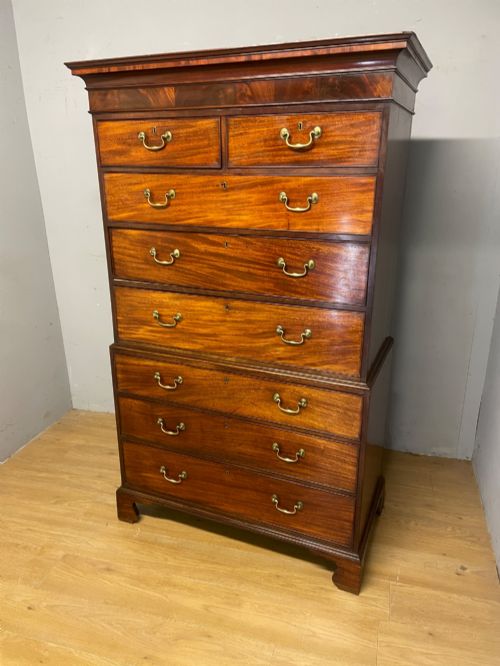
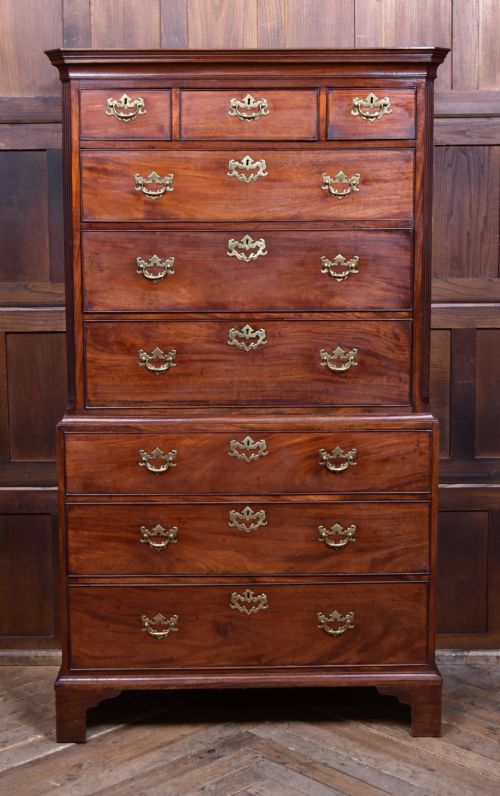
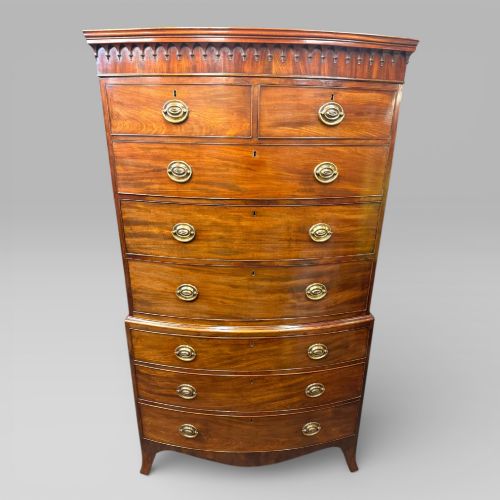
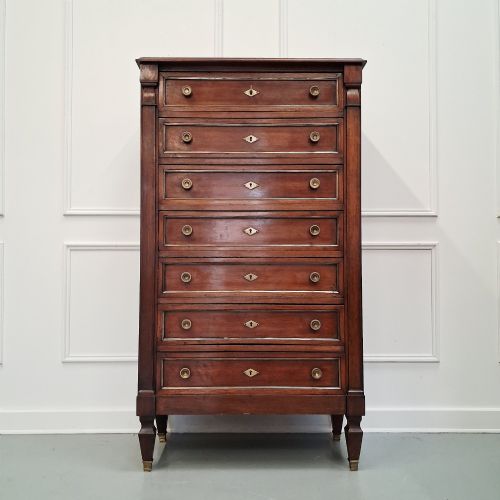
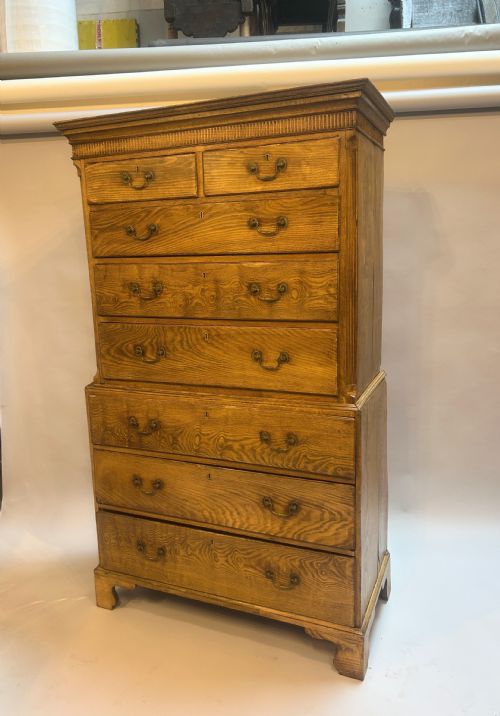
A vintage tall wooden chest provides substantial storage by building upwards rather than taking up floor space, making it a practical choice for bedrooms and studies. When exploring this selection, buyers encounter pieces spanning from late Georgian chest on chest designs to Edwardian and Art Deco tallboys.
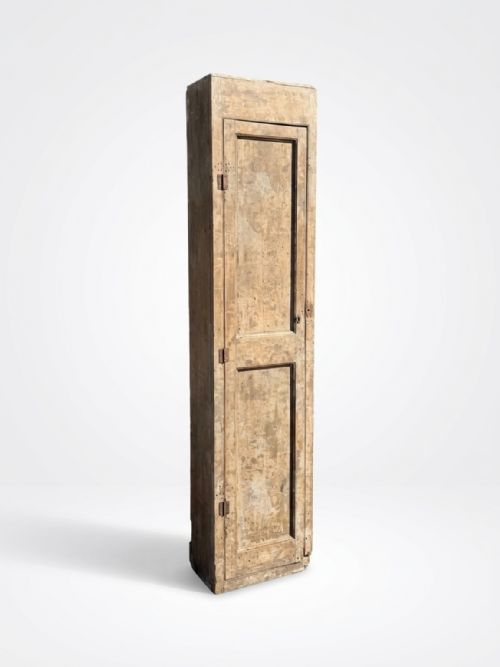
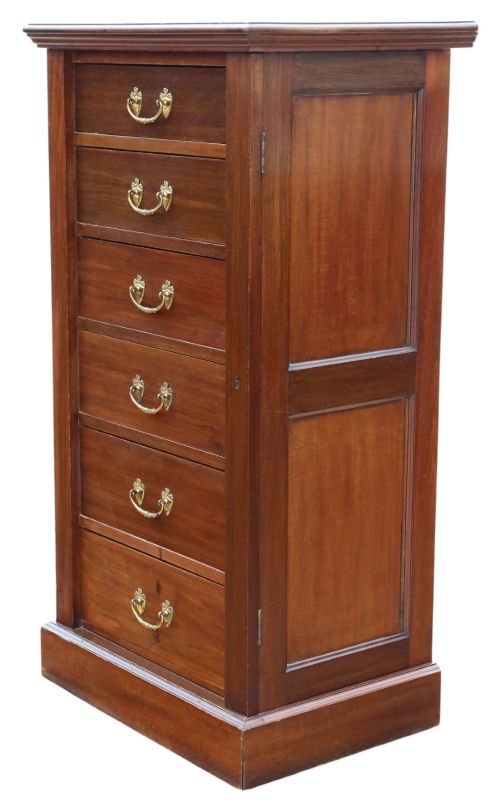
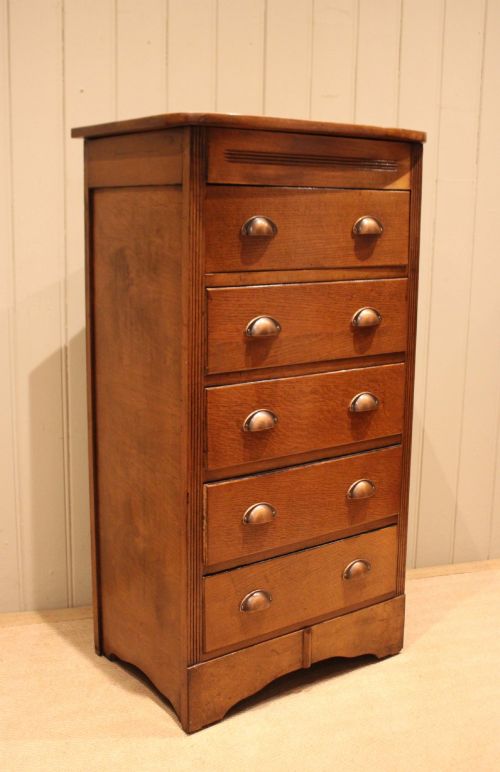
The format encompasses specialised forms such as Wellington chests, music cabinets, filing cabinets, and linen presses. Mahogany is the predominant timber found across these pieces, accompanied by oak, walnut, pine, teak, and limed variations.
Originating across periods from the nineteenth century through the 1930s, these items reflect diverse stylistic influences including French Classical, Sheraton Revival, and Arts and Crafts. The most common format met here is the tall mahogany chest of drawers offering multiple graduated tiers.
Construction and materials
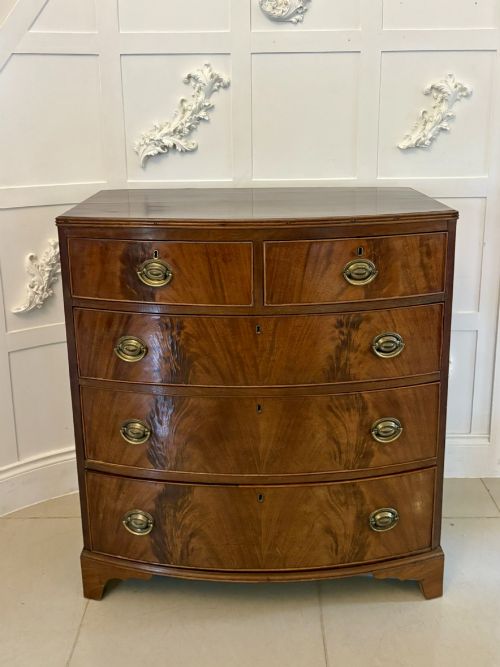
Cabinet makers relied heavily on solid mahogany, oak, and walnut, often utilising figured veneers on drawer fronts to create subtle visual depth. Secondary timbers like pine appear within internal drawer framing and carcass backs.
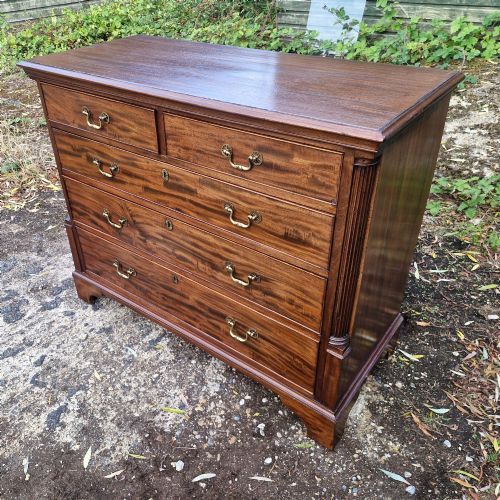
Joining techniques typically involve hand-cut dovetails on drawer corners and sturdy tongue-and-groove panel construction for backs and internal dividers. Brass hardware, including drop handles, ring pulls, and locking mechanisms with working keys, complements the dense timber structures.
Some nineteenth-century tall chests include secret locking mechanisms hidden behind hinged side stiles to protect valuables.
Evaluating the standard
Quality rests in the crispness of the timber selection and the precision of the joinery, particularly in how smoothly the graduated drawers run within their slips. Superior examples display uninterrupted grain matching across drawer fronts and retain original brass fixtures rather than later replacements.
The integrity of the structural carcass and the crisp definition of applied mouldings or inlaid details distinguish standard utility pieces from finer cabinetwork produced by established makers.
Betty Joel·Maple and Co
The Vintage Tall Wooden Chest Glossary
- Tallboy
- A tall chest of drawers, often constructed as a chest on chest where a smaller upper section sits upon a larger base.
- Wellington chest
- A tall, slender locking chest featuring a hinged side stile that secures all drawers simultaneously when locked.
- Chest on chest
- A two-part cabinet featuring an upper stack of drawers resting directly upon a lower, slightly wider chest base.
- Linen press
- A tall cupboard enclosing sliding trays or shelves, traditionally used for storing folded linens and textiles.
- Dovetail
- An interlocking joint formed by wedge-shaped fingers, prized for its tensile strength in drawer construction.
Vintage Tall Wooden Chest: Frequently Asked Questions
How do I choose the right tall chest?
Consider the available floor space and ceiling height in your room, as vertical proportions vary significantly between a narrow Wellington chest and a broad chest on chest.
Evaluate your storage needs to decide whether standard drawers, filing compartments, or shelving units suit your daily use.
Where should I place a tall wooden chest?
These pieces suit bedrooms, dressing rooms, and home studies where vertical storage maximises floor space while offering generous capacity.
Keep them away from direct heat sources and strong sunlight to protect the polished timber surfaces and prevent veneer drying.
How do I care for antique wood furniture?
Dust regularly with a soft, dry cloth and apply a quality natural beeswax periodically to nourish the timber grain without building up heavy residues.
Maintain stable room humidity levels to prevent the wood from expanding or contracting excessively over the changing seasons.
How can I tell the period of a chest?
Examine the construction methods inside the drawers, such as hand-cut dovetails, alongside the overall timber choice and stylistic mouldings like bracket feet or cornice details.
Hardware styles, secondary woods used in internal linings, and any maker signatures or stamps also offer reliable clues to the exact era.