





Vintage Tableware Server
A vintage tableware server brings formal dining history to the table, combining utility with periods ranging from Georgian elegance to Edwardian silver plate.
Vintage Tableware Server
A vintage tableware server encompasses specialised dining implements and vessels designed to present, portion, or heat food at the table. When searching for a vintage tableware server, buyers encounter a diverse selection of utilitarian forms spanning multiple centuries.
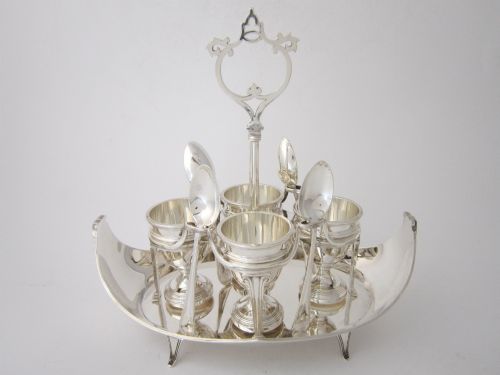
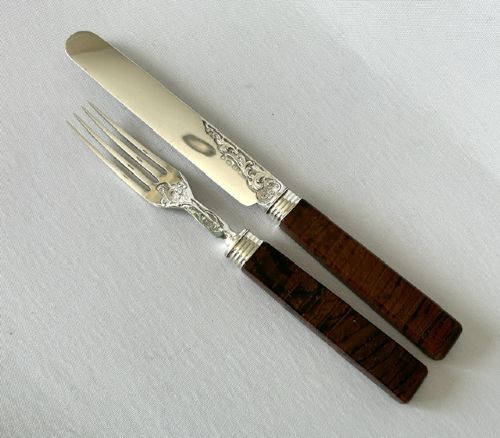
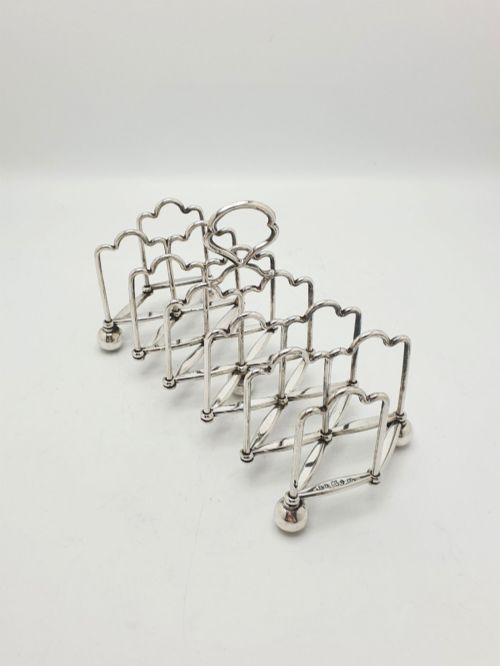
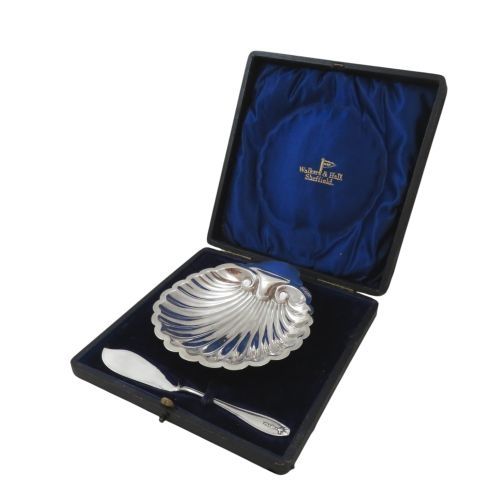
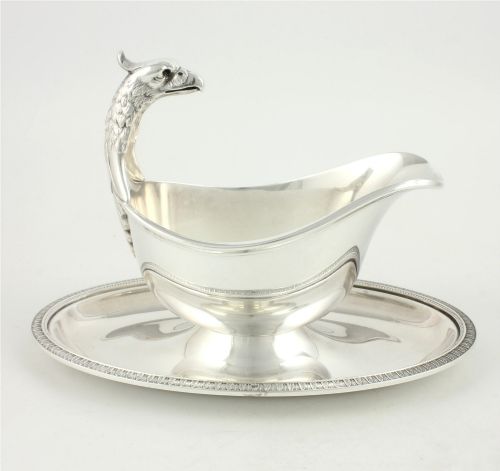
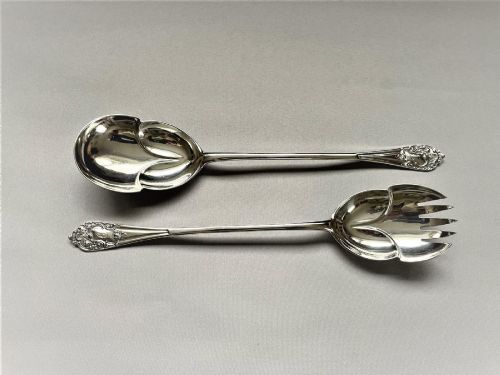
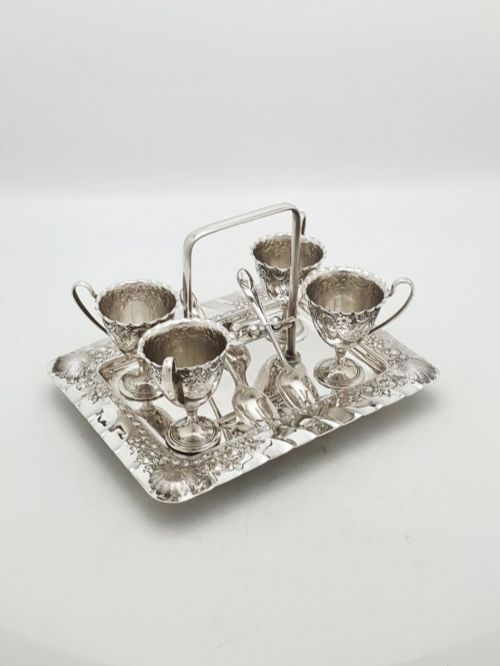
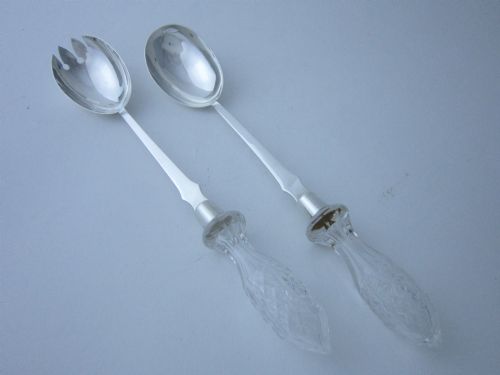
The objects appearing in this category include toast racks, sauce boats, butter dishes, salad servers, egg cruets, and entrée dishes. Materials range from sterling silver and silver plate to earthenware, ceramics, and majolica.
Originating predominantly from Victorian, Edwardian, and Georgian eras, these pieces reflect the elaborate dining rituals of their respective periods. Buyers will most frequently find silver plated serving dishes, ceramic tureens, and fitted cruet sets among current listings.
Materials and Techniques
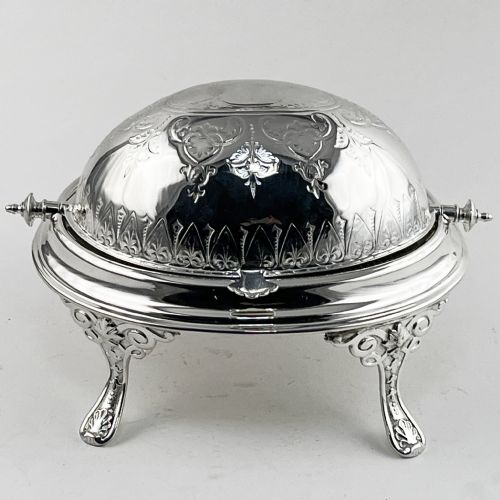
Metal items rely heavily on sterling silver and silver plate, including Old Sheffield Plate and electroplated nickel silver, fashioned through casting, embossing, and silver-smithing techniques. Many pieces incorporate functional secondary materials such as oak, glass, crystal, and agate to complement the metalwork.
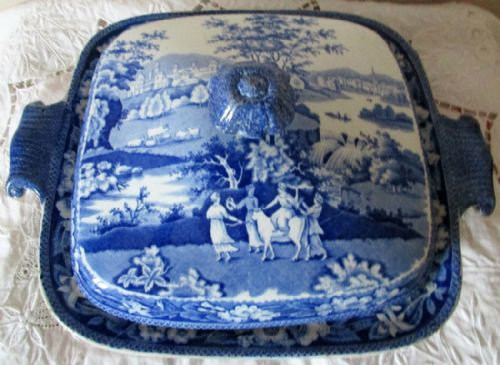
Ceramic and earthenware servers utilise traditional pottery methods, encompassing transfer-printed earthenware, majolica glazes, stoneware, and faience. These vessels often pair ceramic bowls or bodies with fitted metal mounts, hinged lids, and accompanying utilitarian servers.
Listings feature serving wares from the eighteenth, nineteenth, and early twentieth centuries, spanning Georgian, Victorian, and Edwardian periods.
Evaluating Quality
Quality in these dining pieces rests upon the crispness of cast or embossed detail, the integrity of plating over base metals, and the harmonious integration of mixed materials like silver and glass. Superior examples demonstrate expert balance in hand-formed handles, hinges, and matching original server utensils.
The distinction between standard production and exceptional work lies in the depth of decoration, such as hand-painted majolica or detailed rat-tail server designs, alongside the retention of original glass inserts and fitted presentation cases.
Elkington·Christofle Gallia·John and Richard Riley·Goldsmiths And Silversmiths·Doulton Lambeth·Theodore B Starr·Paul Storr·Walker And Hall
The Vintage Tableware Server Glossary
- Cruet
- A small vessel or set of vessels for holding condiments, oil, vinegar, or eggs at the table. Egg cruets often include dedicated slots for toast and salt.
- Sauce Boat
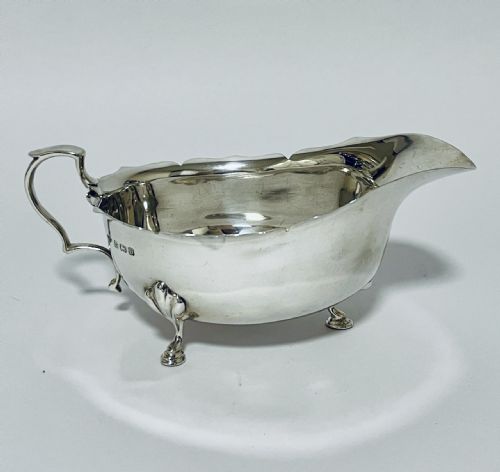
- A small pitcher or boat-shaped vessel designed for serving gravies and sauces, frequently accompanied by an attached or matching underplate.
- Old Sheffield Plate
- An early method of fusing a thin sheet of silver to a thicker copper base metal before rolling and fabrication. This technique creates a distinctive warm tone distinct from later electroplating.
- Majolica
- A type of earthenware covered with an opaque tin glaze and painted with bright metallic oxide colours. It gained popularity during the nineteenth century for vibrant serving bowls and platters.
- Transferware
- Pottery decorated by applying a monochrome design from an engraved copper plate onto the ceramic body via paper. Blue and white transfer patterns feature prominently on nineteenth-century tureens.
Vintage Tableware Server: Frequently Asked Questions
What is a vintage tableware server used for?
These pieces serve specific culinary functions at the dining table, from holding toast and sauces to presenting butter, caviar, or salad.
They were designed to facilitate formal meal service, allowing hosts to portion food cleanly and present dishes with decorative elegance.
How do I clean silver plated servers?
Silver plate requires gentle cleaning with non-abrasive silver polishes and soft cloths to preserve the underlying metal layer.
Avoid submerging pieces that combine silver with organic materials like wood or agate to prevent warping or loosening of adhesives.
Are ceramic servers safe for food?
Many nineteenth-century earthenware and majolica pieces function primarily as decorative display items due to historic glaze compositions.
Buyers intending to use ceramic servers for active dining should inspect the glaze condition and consider modern food safety standards.
How do I identify the date of a silver server?
Sterling silver items typically feature hallmarks indicating the assay office, standard mark, and date letter corresponding to specific assay years.
Silver plated items rely on maker marks, design registration numbers, and stylistic cues from periods like the Edwardian or Victorian eras.