


Vintage Tableware Caddy
A vintage tableware caddy brings order to the dining table, holding everything from toast to condiments with genuine period character.
Vintage Tableware Caddy
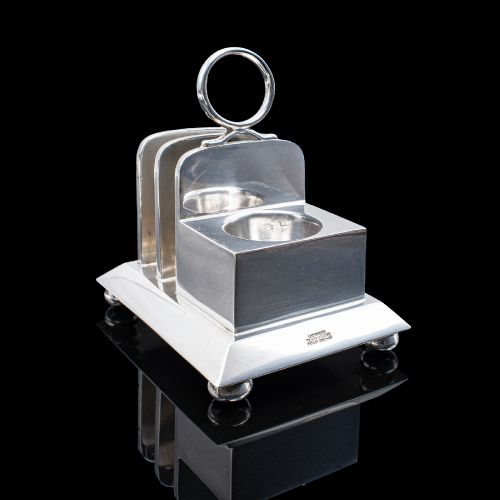
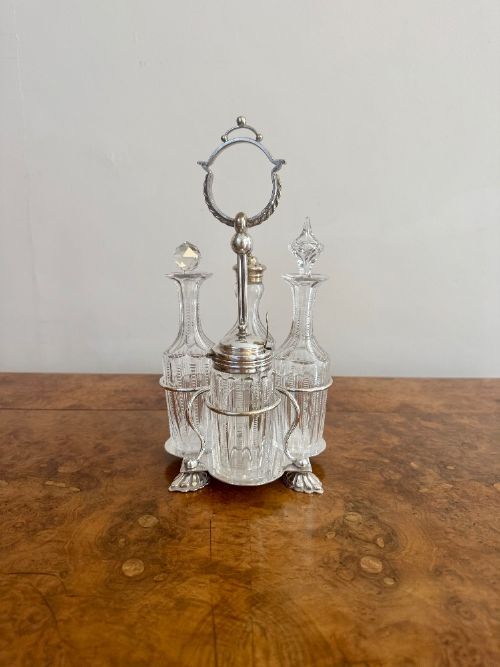
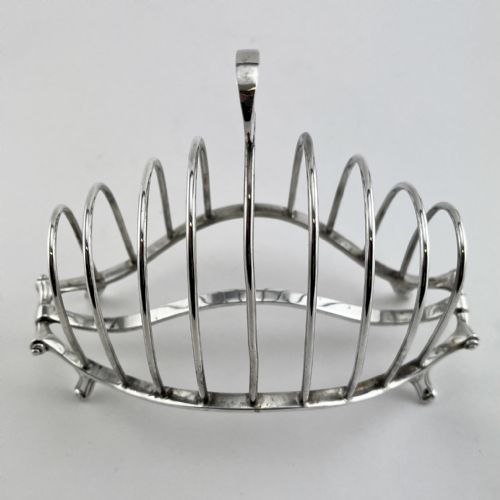
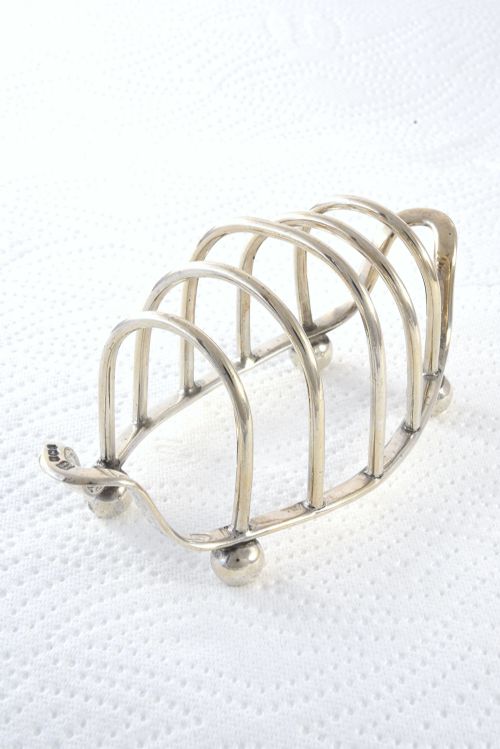
When searching for a vintage tableware caddy, buyers encounter a diverse range of serving items designed to hold table accompaniments like toast, condiments, and tea. The selections here span the Georgian, Victorian, and Edwardian eras, extending into early twentieth-century designs including Art Deco and Scandinavian Modern pieces.
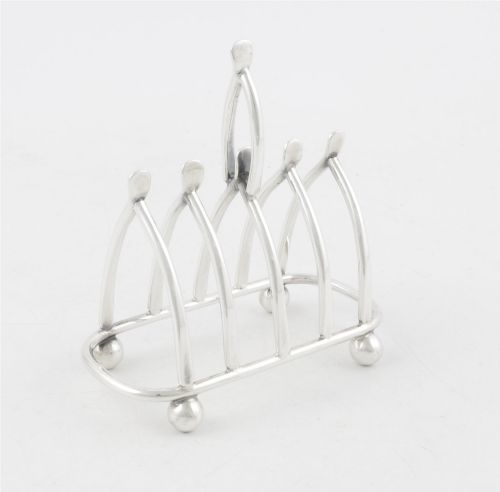
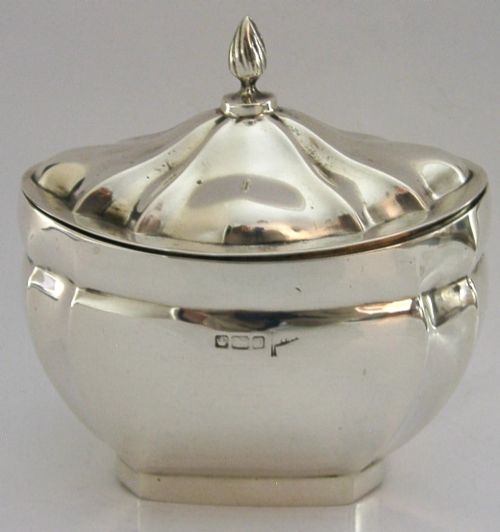
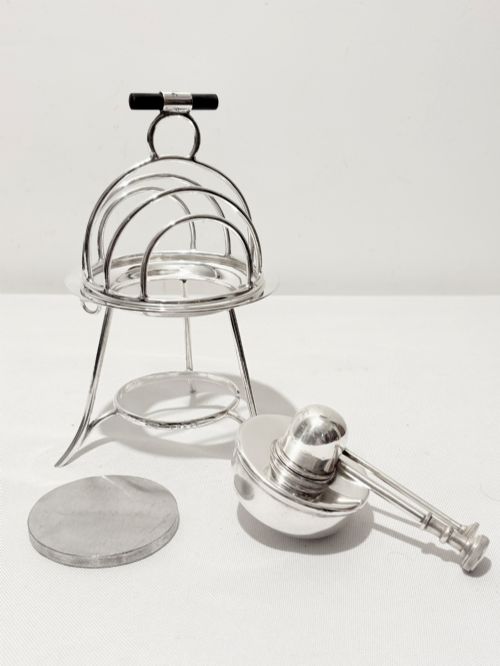
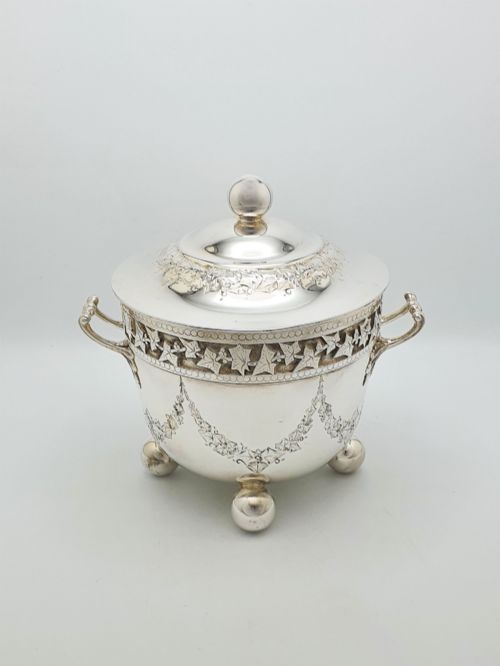
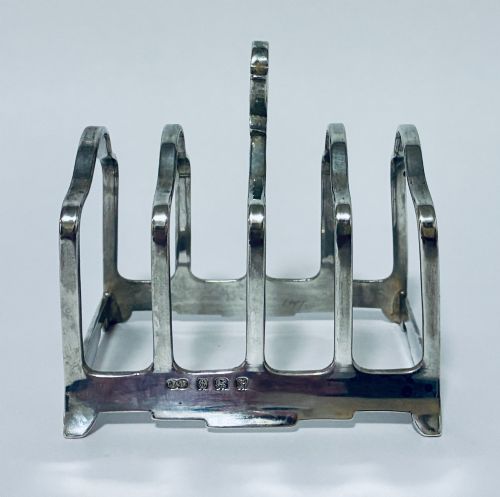
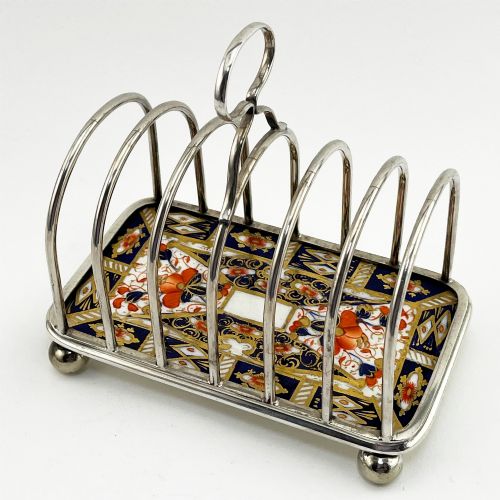
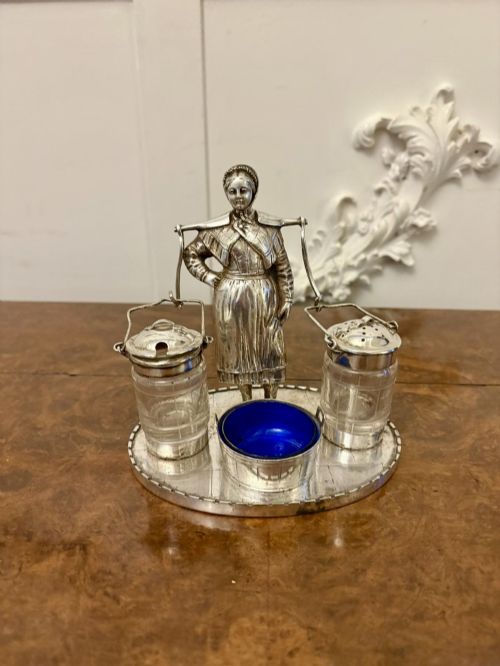
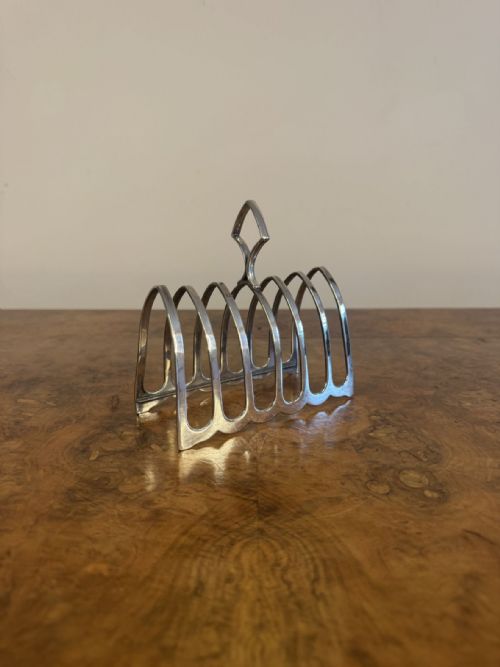
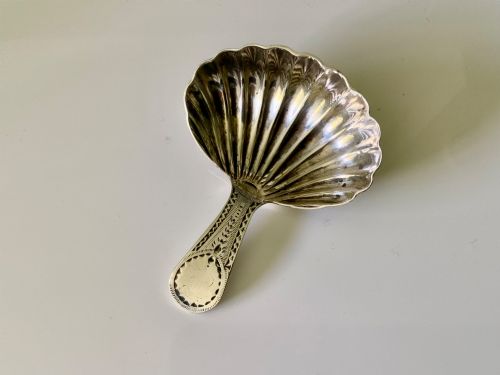
The objects take several distinct forms on this page, most notably toast racks, cruet sets, condiment stands, and caddy spoons. Alongside these, collectors will find specialised items such as biscuit boxes, eggcup stands, and caviar servers in silver, glass, and wood.
How they were made
The construction of these pieces relies heavily on silver plating, sterling silver, and nickel silver, often combined with cut glass, cobalt glass, and ceramics such as Davenport china and Wedgwood jasper ware.
Craftsmen utilised traditional metalworking and glass-cutting techniques to create durable tableware frames, wirework toast dividers, and fitted bottle stands designed for daily dining use.
Vintage Tableware Caddy Retail Price Guide 2026
Typical asking prices for vintage tableware caddy among the pieces listed under this phrase on Sellingantiques today, from the lower quarter to the upper quarter. They describe what is for sale here now, not the wider market.
Materials represented across the inventory include sterling silver, silver plate, nickel silver, cut glass, cobalt glass, and yew wood.
What varies in quality
Quality in these table accessories rests on the weight of the metal, the crispness of wirework or cast details, and the integrity of any associated glass inserts.
Pieces bearing recognised maker marks or originating from notable silversmiths demonstrate superior finish and construction compared to unmarked or purely utilitarian items.
Elkington·William Hutton·Wade Wingfield Wilkins·Wedgwood·Davenport China
The Vintage Tableware Caddy Glossary
- Cruet set
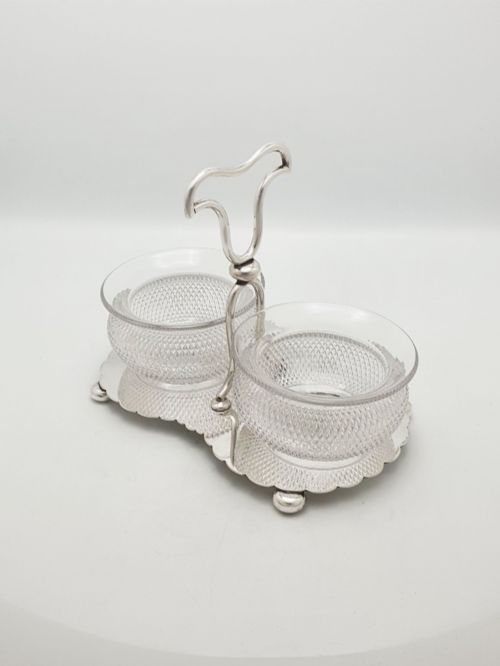
- A matched collection of glass bottles or jars held in a metal stand for holding condiments like oil, vinegar, salt, and pepper at the table.
- Toast rack
- A small metal or wooden frame with vertical dividers designed to hold slices of toast upright and prevent them from becoming soggy.
- Caddy spoon
- A short-handled spoon specifically manufactured for measuring loose tea leaves from a storage caddy into a teapot.
- Silver plate
- A base metal, such as nickel silver, coated with a thin layer of pure silver through electroplating or older manufacturing methods.
- Cut glass
- Glassware patterned with deep, geometric incisions made by a wheel to catch and reflect light on the dining table.
Vintage Tableware Caddy: Frequently Asked Questions
What is a vintage tableware caddy used for?
These items serve a practical purpose on the dining table by organising and presenting condiments, toast, or tea accessories within easy reach of diners.
Historically, they kept the table tidy during formal meals, grouping loose bottles, jars, or racks into a single portable stand.
How do I date a silver plated cruet set?
Dating relies on stylistic clues, manufacturer marks stamped into the metal, and the changing shapes of the glass bottles or frames over time.
Victorian and Edwardian examples often feature ornate cast mounts and cut glass, while later pieces adopt simpler geometric lines.
Can I use an antique toast rack daily?
Most metal and silver-plated toast racks are sturdy enough for regular use at breakfast, provided they are washed by hand rather than placed in a dishwasher.
Careful handling preserves the silver plating and prevents structural strain on the delicate wire divisions.
What materials are common in these pieces?
The listings feature a combination of silver plate, sterling silver, nickel silver, and cut or cobalt glass, sometimes paired with wood or ceramics.
This mix of materials allowed makers to create both durable structural frames and decorative containers for food service.