

Vintage Table Candles
Vintage table candles encompass the candlesticks, candelabra and small occasional tables that illuminate and furnish rooms.
Vintage Table Candles
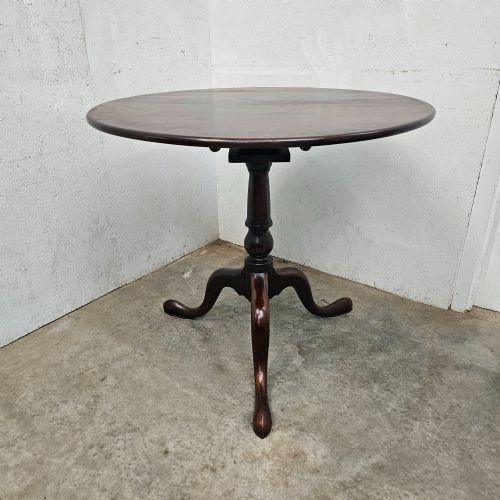
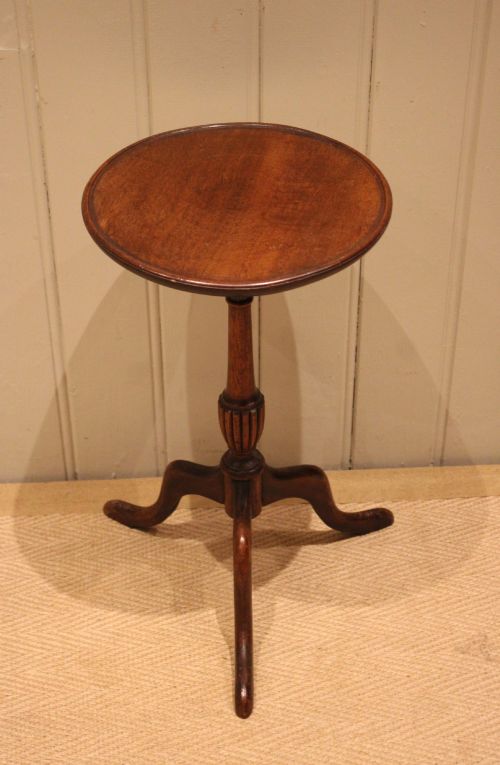
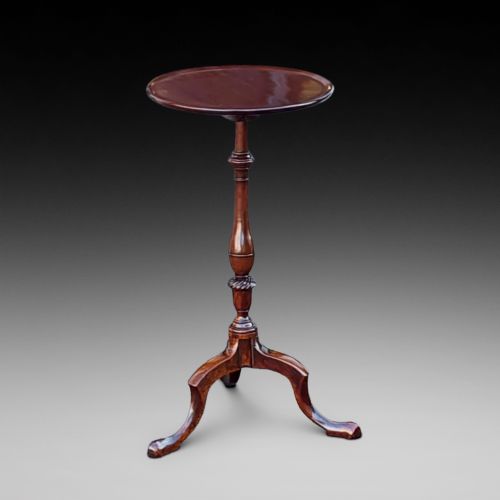
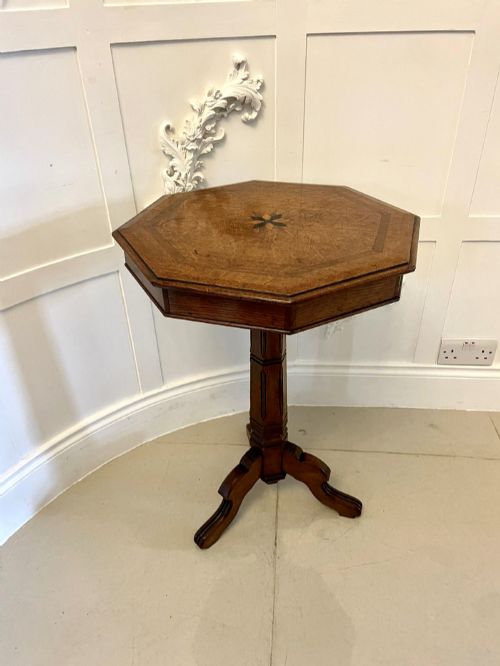
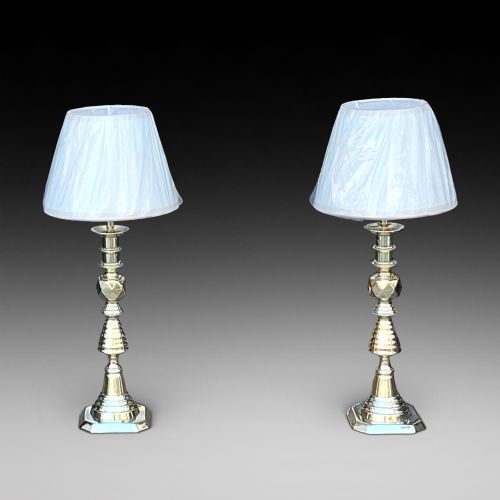
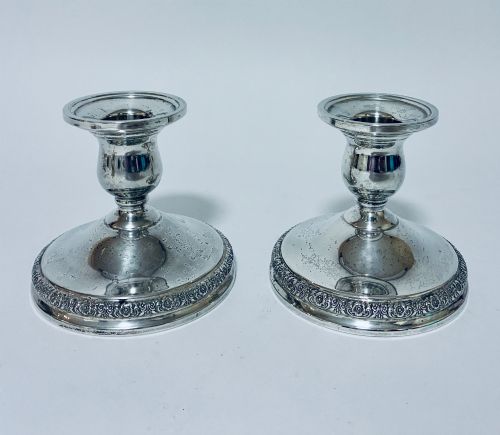
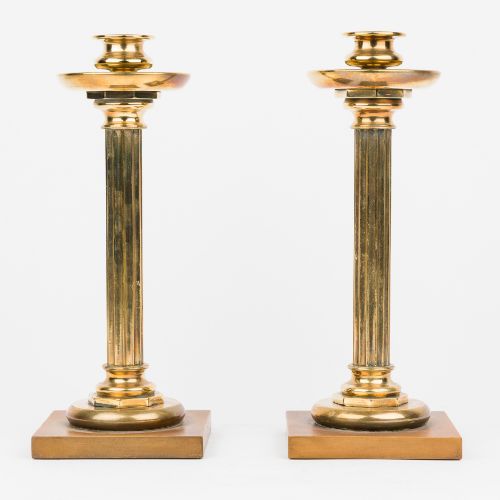
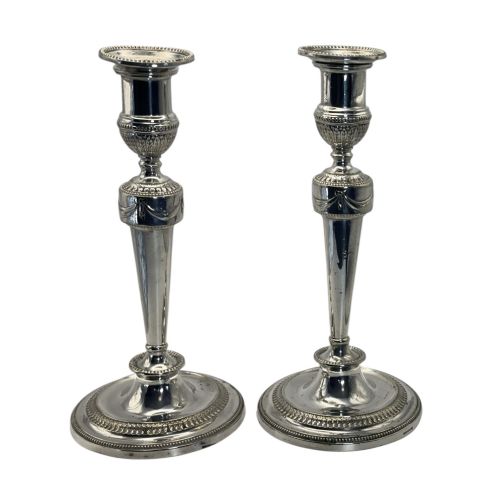
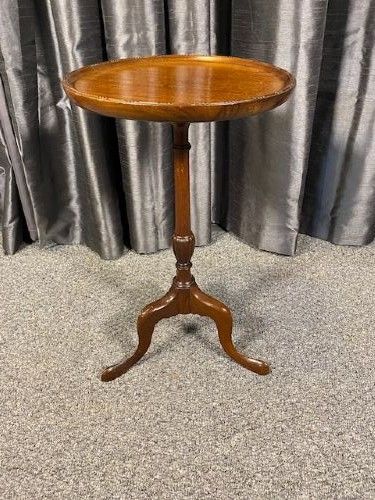
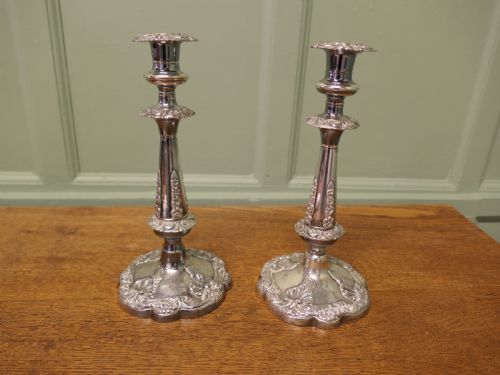
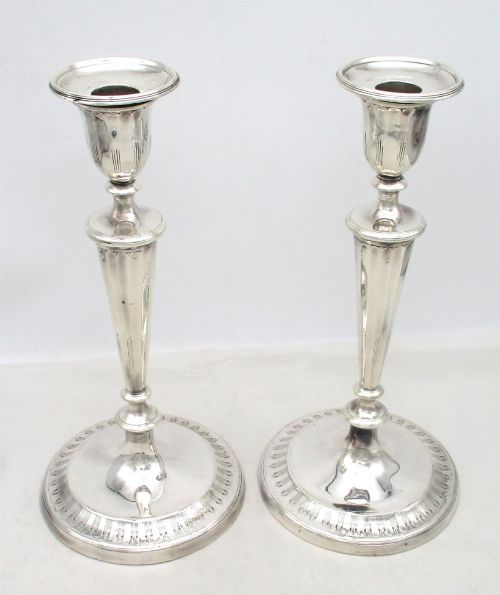
Vintage table candles cover a diverse group of lighting and small furniture pieces designed to hold or support illumination in domestic interiors. When exploring vintage table candles, buyers encounter objects ranging from tall metal candlesticks to mahogany wine tables and side tables that historically supported lighting. The selection spans centuries from the Georgian period through the Victorian, Edwardian and early twentieth century eras.
How they were made
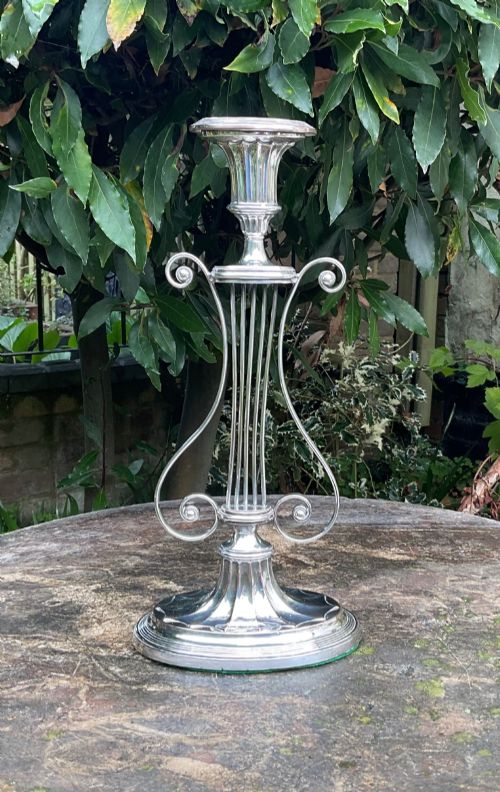
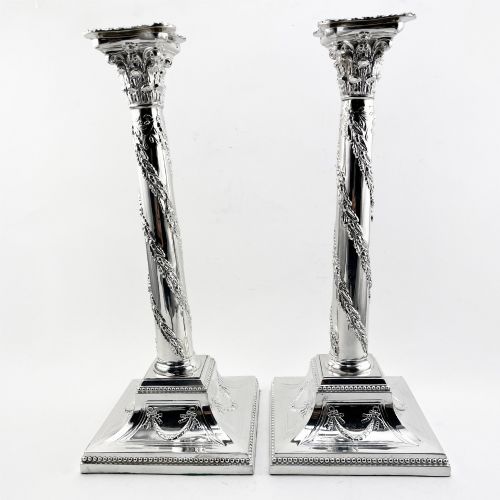
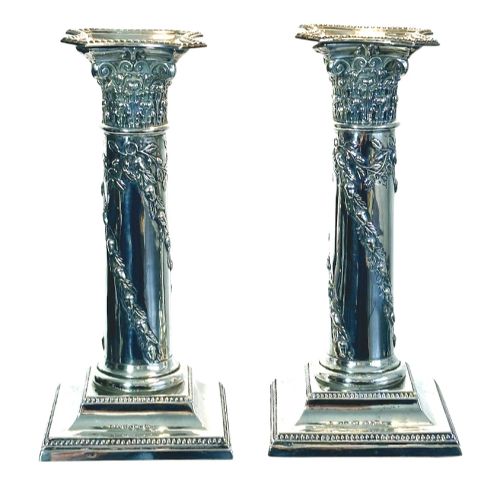
Metal items such as brass and bronze candlesticks were cast, turned on lathes, and assembled from separate components, sometimes utilising seamed construction methods. Silver plated and sterling silver pieces involved careful smithing, rolling, and delicate soldering to form columns, bases and drip pans. Glass and cut glass elements required skilled blowing and facet cutting by hand.
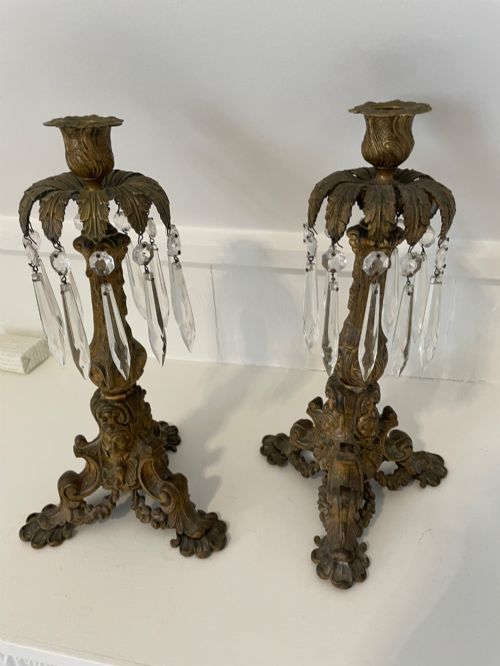
Wooden tables and occasional stands relied on traditional cabinetmaking techniques including turned barley twist stems, tripod legs, and inlaid satinwood or mahogany veneers. Ormolu and gilt bronze mounts were meticulously cast and chased before being applied to decorative bases and candelabra arms. Toleware items combined shaped sheet metal with painted and varnished finishes.
Vintage Table Candles Retail Price Guide 2026
Typical asking prices for vintage table candles among the pieces listed under this phrase on Sellingantiques today, from the lower quarter to the upper quarter. They describe what is for sale here now, not the wider market.
Keep an eye out for brass candlesticks shaped like standing terrier dogs ready to guard the mantelpiece.
What varies in quality
Quality in these pieces is dictated by the crispness of casting detail in metals like ormolu and brass, alongside the weight and gauge of silver plating or sterling silver used. Superior examples display clean joints, well-defined turned details on wooden wine tables, and intact original components without modern replacements.
The sophistication of design, such as Corinthian column capitals or ornate French Empire and Regency motifs, separates standard production items from finer workshop pieces. Patina and the preservation of original surfaces, whether polished mahogany or aged bronze, significantly influence the character of each object.
Mappin & Webb
The Vintage Table Candles Glossary
- Candelabra
- A branched candlestick holding multiple candles on a single base. These often feature arms extending from a central stem.
- Wine table
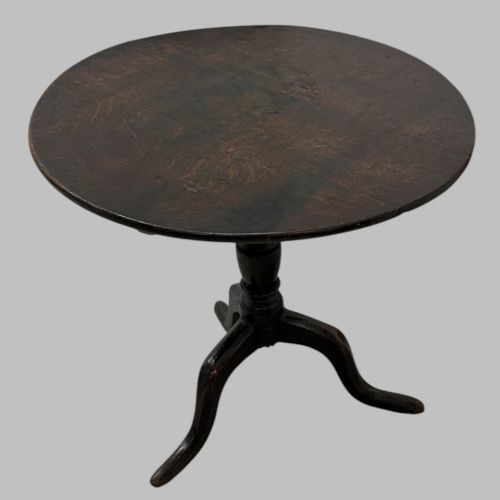
- A small occasional table designed for holding glasses and small lighting items near seating areas. They frequently incorporate tripod legs and circular timber tops.
- Ormolu
- Gilt bronze applied to furniture mounts and decorative metalware. The technique creates a rich gold-coloured surface finish on bronze castings.
- Toleware
- Painted and lacquered sheet metal utilised for desk lamps and decorative vessels. This material is frequently found in green or dark finishes.
- Tripod table
- A small freestanding table supported by three legs radiating from a central pillar. This form was widely produced during the Georgian period in mahogany.
- Ejector candlestick
- A brass candlestick containing an internal mechanism to push out remaining wax stubs. These pieces date largely to the eighteenth and nineteenth centuries.
Vintage Table Candles: Frequently Asked Questions
How were occasional tables used alongside table lighting?
Wine tables and lamp tables provided a stable surface positioned next to seating for candles, reading lamps and refreshments.
Their compact tripod designs allowed them to be easily moved around rooms as daylight faded.
What metals are most common in antique candlesticks?
Brass, silver plate and sterling silver form the majority of metal lighting pieces from the Georgian and Victorian eras.
Finer examples also utilise gilt bronze and ormolu, particularly in French Regency and Empire styles.
How can I identify an Edwardian wooden table?
Edwardian tables often feature lighter timbers such as mahogany or satinwood with refined turned supports and occasionally delicate inlay.
They generally exhibit sleeker proportions compared to heavier Victorian counterparts while retaining traditional cabinetmaking joints.