
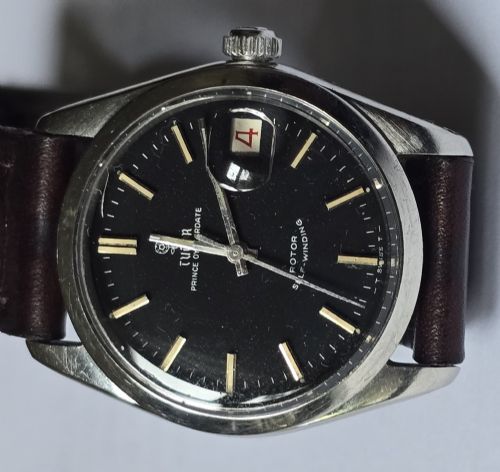
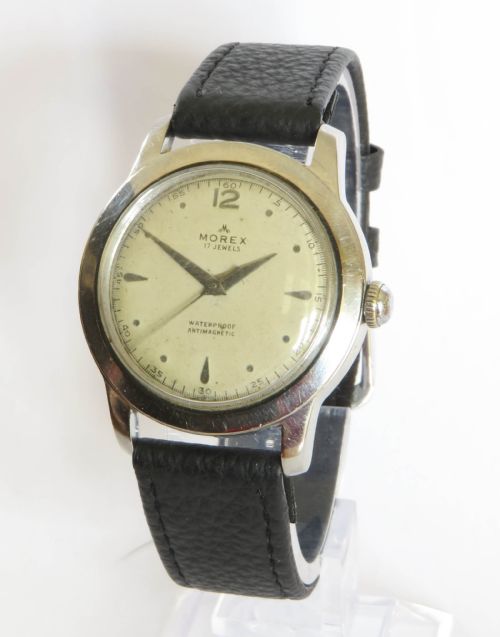
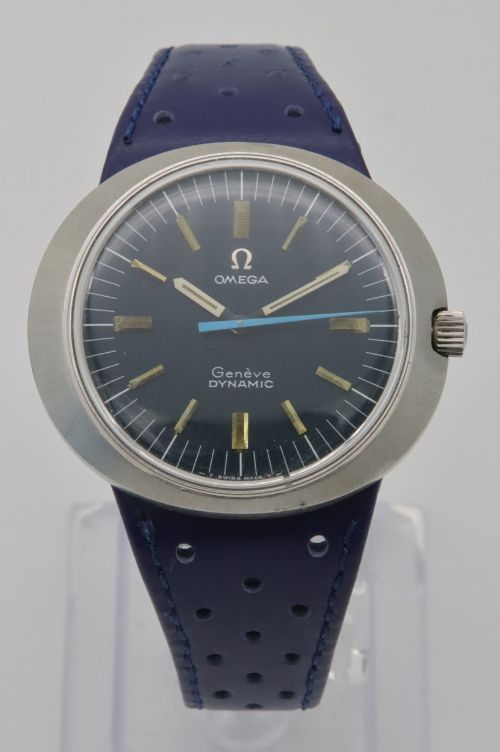
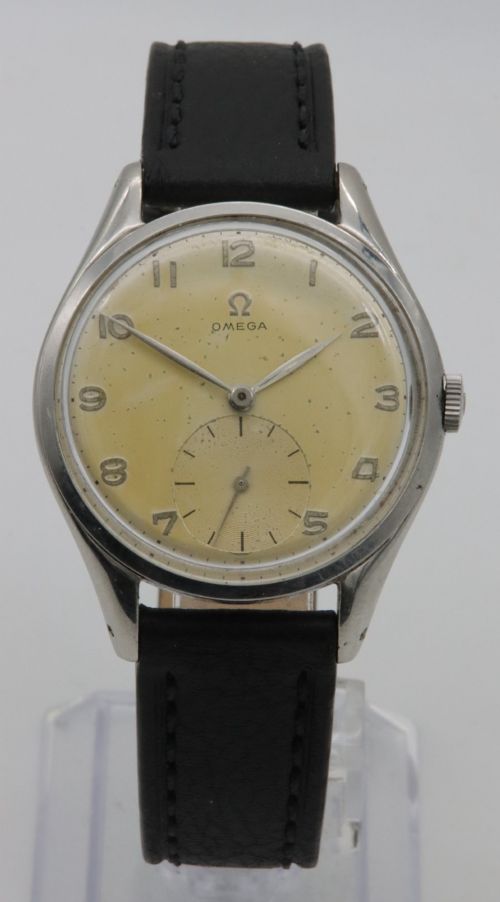
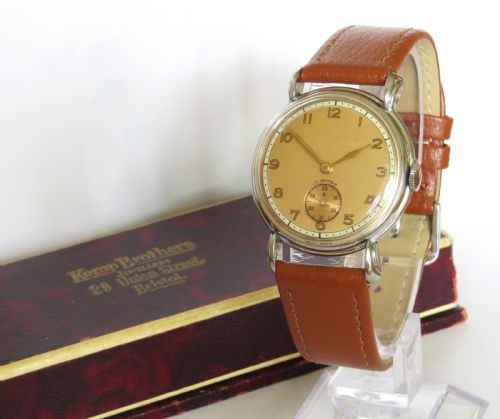
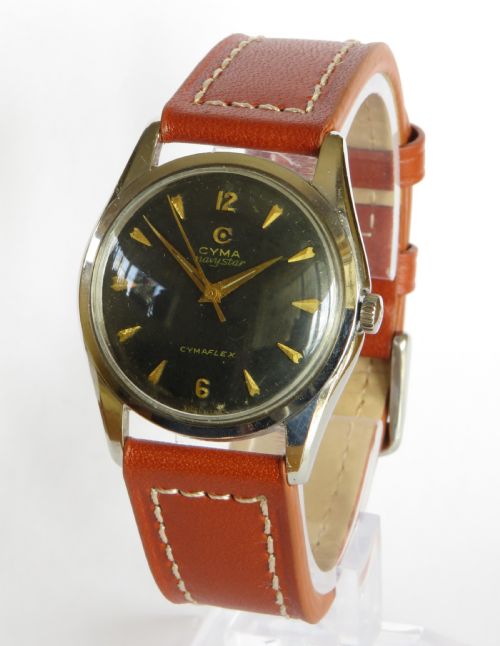
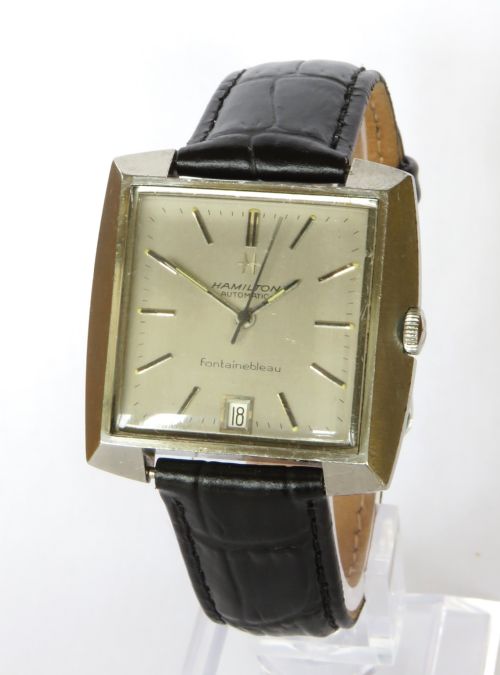
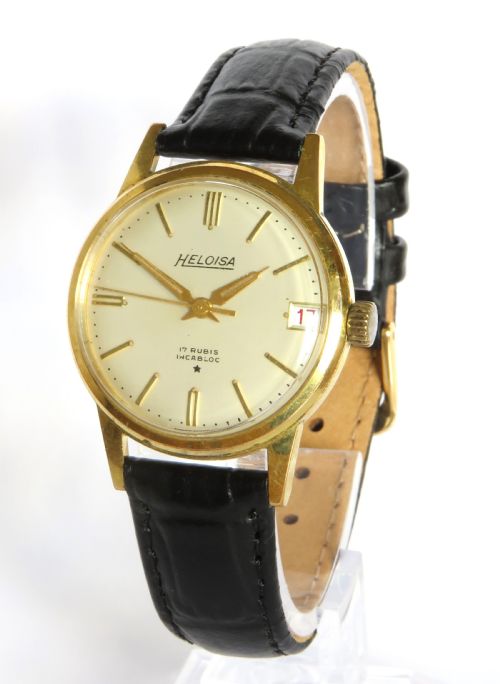
Vintage Swiss Mechanical Wristwatch
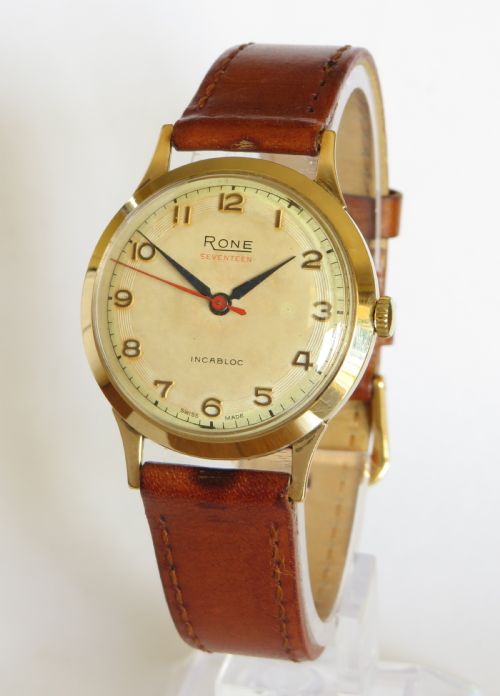
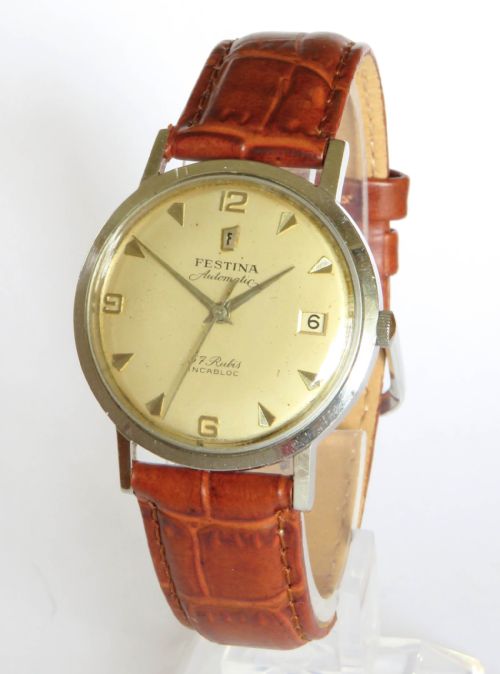
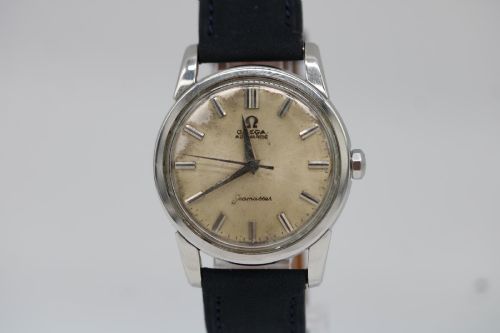
A vintage swiss mechanical wristwatch represents decades of traditional horology, offering tangible craftsmanship and enduring mechanical movement that collectors prize on the wrist.
Vintage Swiss Mechanical Wristwatch
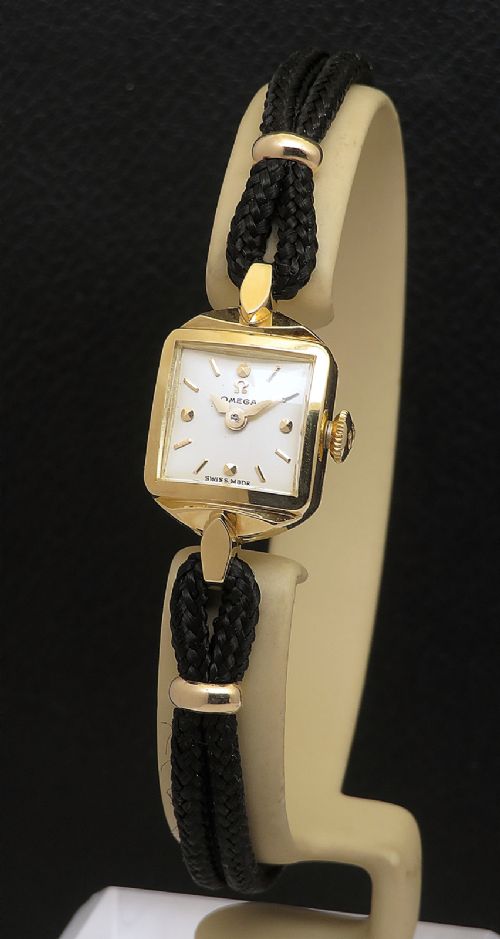
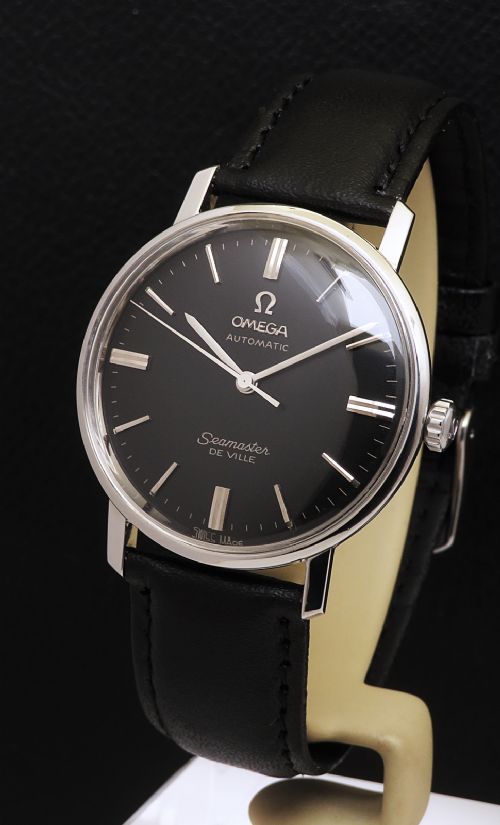
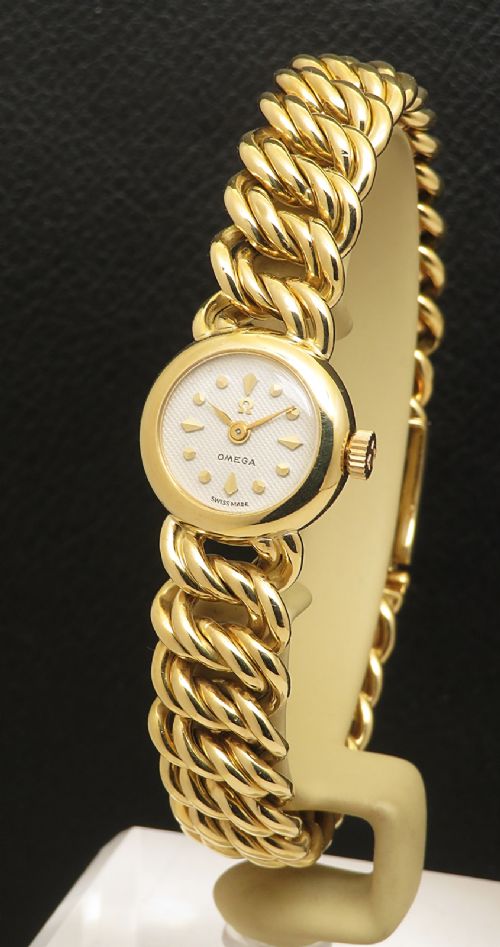
The selections available here emphasise mid-century modern designs alongside earlier modernist horology. Gents and ladies watches appear frequently, shaped by periods ranging from the 1910s to the 1970s.
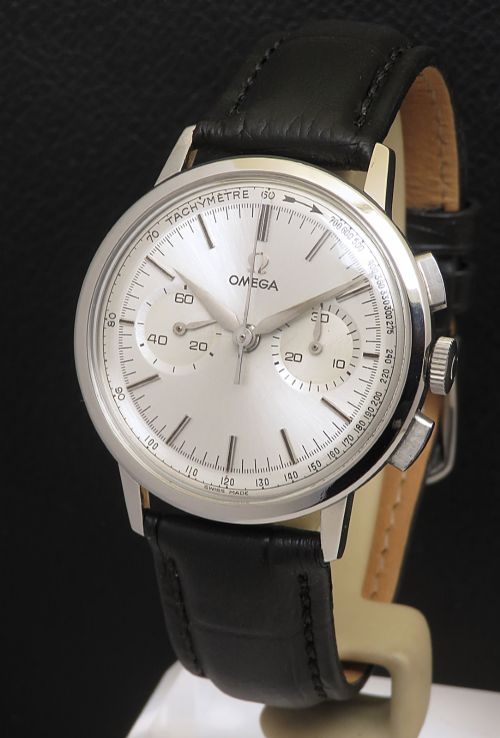
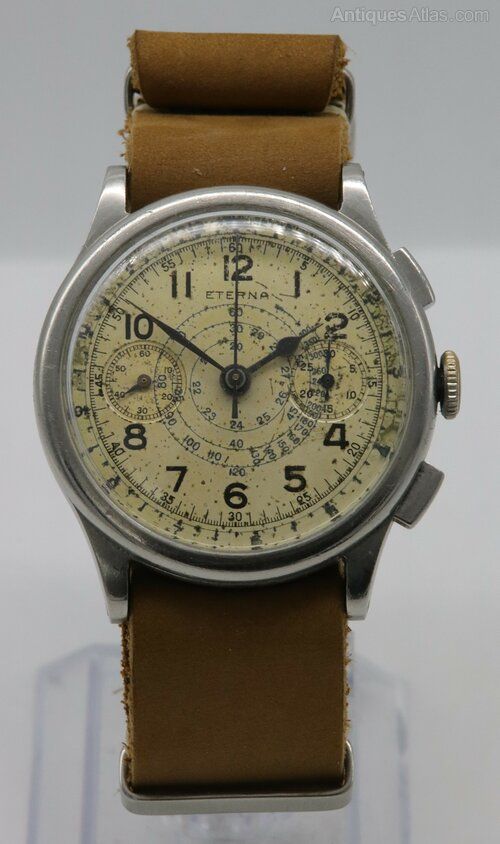
Common forms include standard daily dress watches, robust chronographs, and specialised calendar editions. Solid gold, gold plate, and stainless steel cases house these intricate movements.
Materials and construction methods
Casework relies on durable metals like stainless steel, gold plate, and solid 9ct or 18ct gold to protect the delicate internal architecture. Glass and acrylic crystals cover the dials, maintaining transparency and vintage character.
Movements utilise intricate mechanical gears, springs, and escapements assembled by hand in Swiss workshops. Leather straps complete the assembly, securing the timepiece to the wearer.
Some vintage drivers watches feature rotated dials so you can check the time effortlessly while gripping the steering wheel.
Distinctions in quality and execution
Quality rests upon the precision and complexity of the internal calibre, from standard manual wind mechanisms to sophisticated automatic chronometer movements. The integrity of the dial, whether original or restored, heavily influences the character of the piece.
Case materials also dictate the tier of the watch, with solid precious metals commanding greater distinction than plated brass or steel. Inclusion of original ancillary items such as boxes and papers elevates the historical completeness of the wristwatch.
Omega·Tudor·Montilier·Cyma·Hamilton·Heloisa·Rone·Eterna·Festina·IWC·Roamer·Rolex·Bucherer·Longines·Avia·Marvin·Gloriosa·Tissot
The Vintage Swiss Mechanical Wristwatch Glossary
- Calibre
- The specific internal movement design and manufacturer designation. Collectors reference this number to understand the precise mechanics driving the watch.
- Chronometer
- A high-precision timepiece tested and certified to meet strict accuracy standards. These movements represent superior horological engineering.
- Manual wind
- A mechanical movement requiring the user to manually turn the crown to tension the mainspring. This traditional method defines many older wristwatches.
- Bumper automatic
- An early self-winding movement where an internal weighted rotor swings back and forth against buffer springs to wind the mainspring. This creates a distinctive physical sensation on the wrist.
- Acrylic glass
- A lightweight, shatter-resistant plastic material utilised for vintage watch crystals. It can be easily polished to remove minor surface scratches.
Vintage Swiss Mechanical Wristwatch: Frequently Asked Questions
How do I wind a manual vintage watch?
Gently rotate the crown clockwise until you feel light resistance. Stop winding immediately to avoid damaging the internal mainspring.
Perform this action at roughly the same time each day to maintain steady tension and accurate timekeeping.
Are these vintage watches waterproof?
Most vintage mechanical wristwatches lack modern waterproof seals. Exposure to moisture, heavy rain, or immersion can easily damage the delicate internal movement.
Keep these timepieces away from water unless a specialist horologist has explicitly pressure-tested the case.
How do automatic movements work?
An internal weighted rotor spins freely as your wrist moves during daily wear. This kinetic action automatically winds the mainspring, keeping the watch powered without manual intervention.
If left stationary for too long, the reserve depletes and the watch stops until reworn or manually wound.
What does a chronograph do?
A chronograph functions as both a standard timepiece and an independent stopwatch. Pushers on the side of the case start, stop, and reset the central sweep seconds hand.
This complication allowed wearers to measure elapsed time intervals during sports, aviation, or daily tasks.