
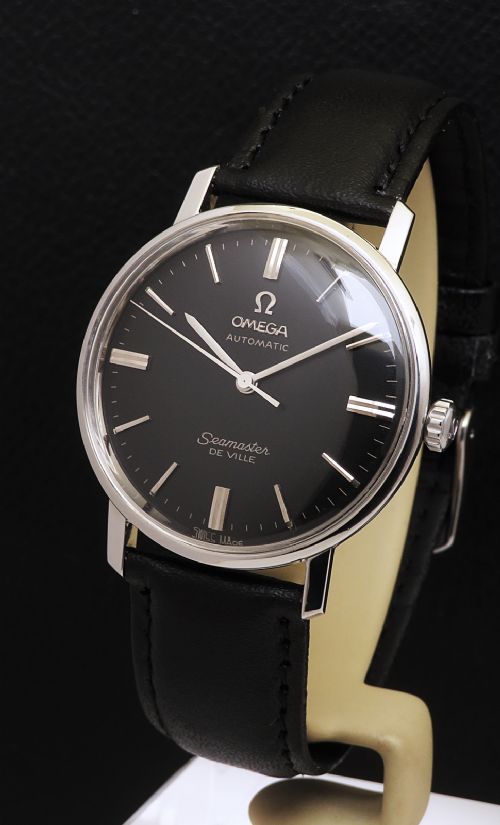
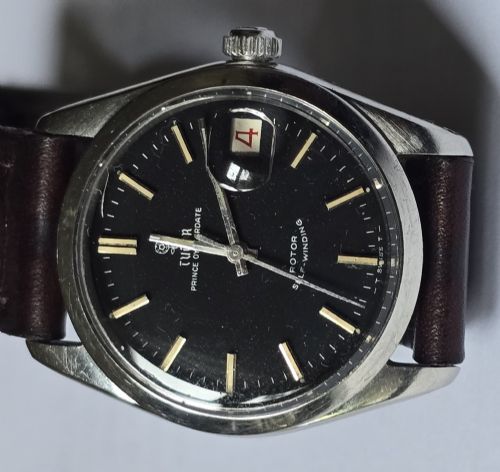
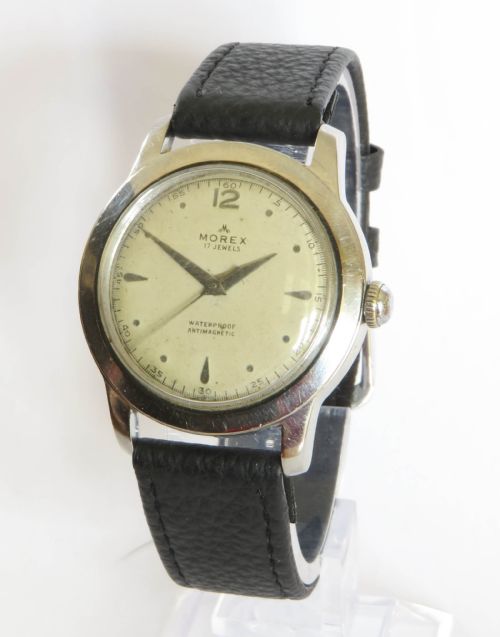
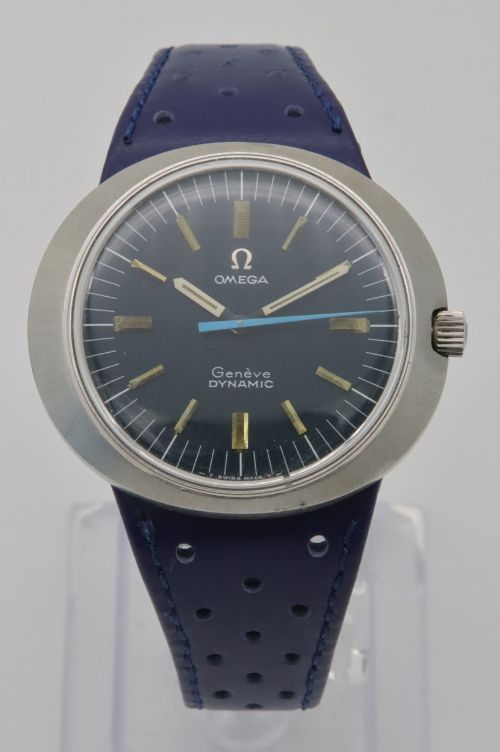
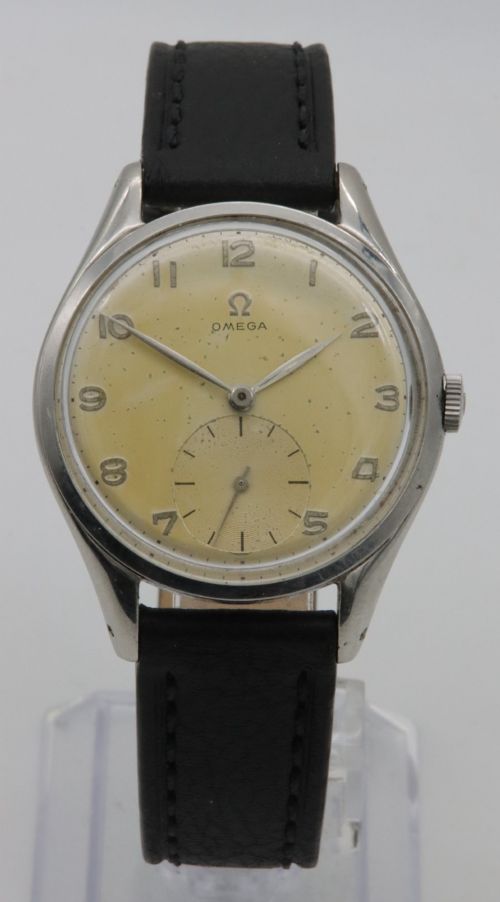
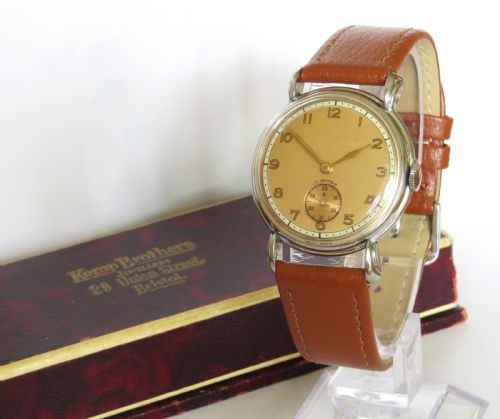
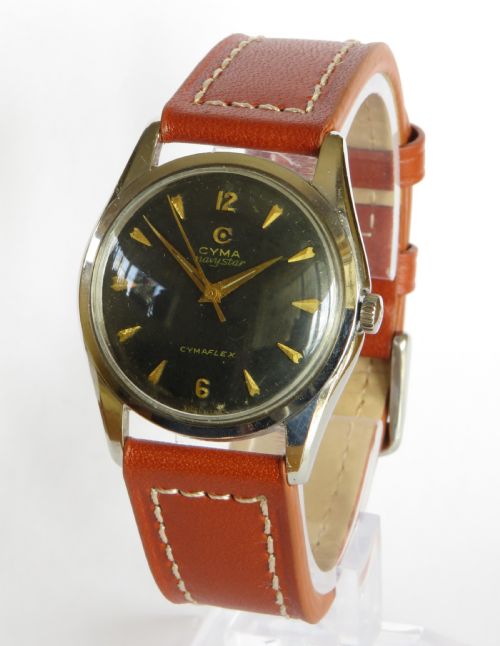
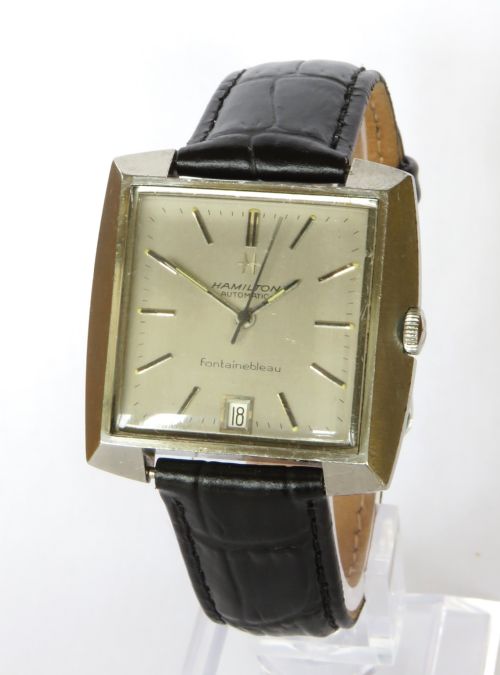
Vintage Swiss Leather Watch
These vintage swiss leather watch items offer precise timekeeping housed in classic mid-century forms designed for daily wear.
Vintage Swiss Leather Watch
A vintage swiss leather watch represents a timepiece originating from Swiss workshops, typically fitted with a leather strap for wrist wear. When exploring this selection, buyers encounter wristwatches spanning several decades from the mid-twentieth century.
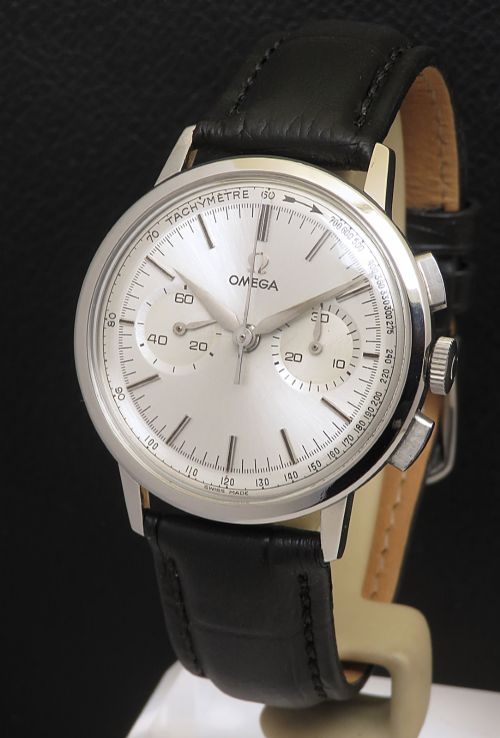
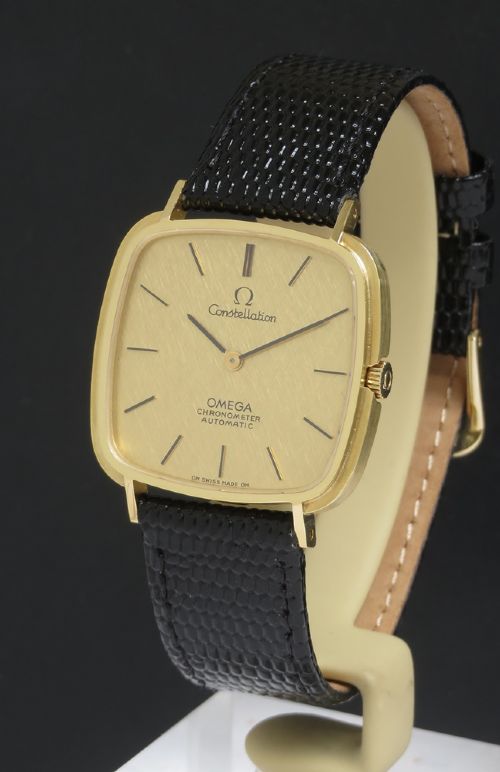
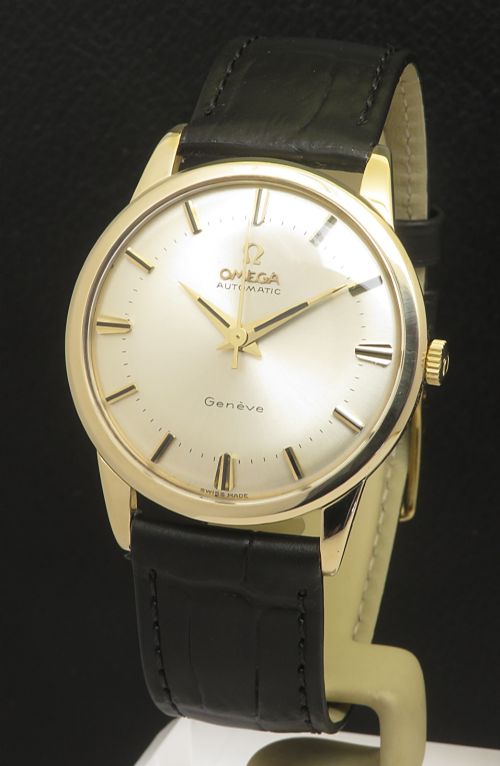
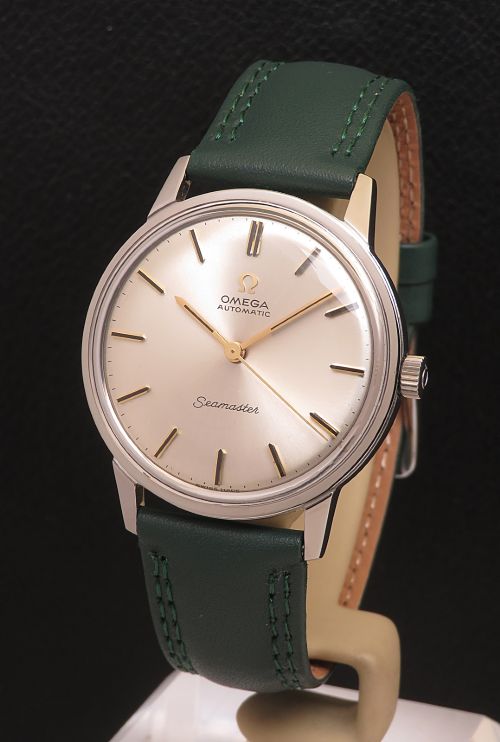
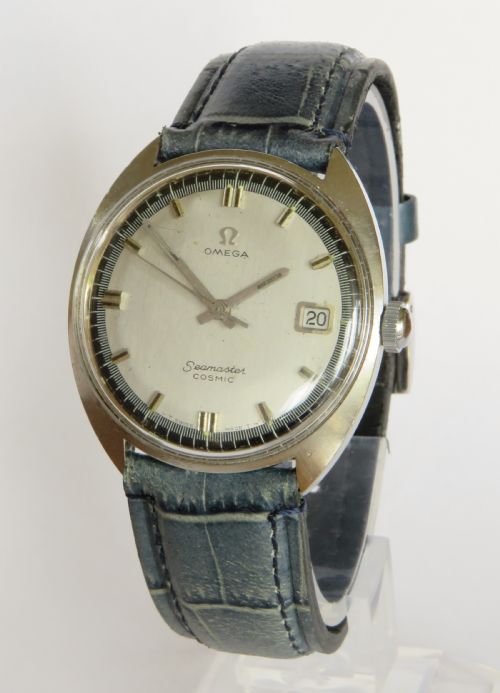
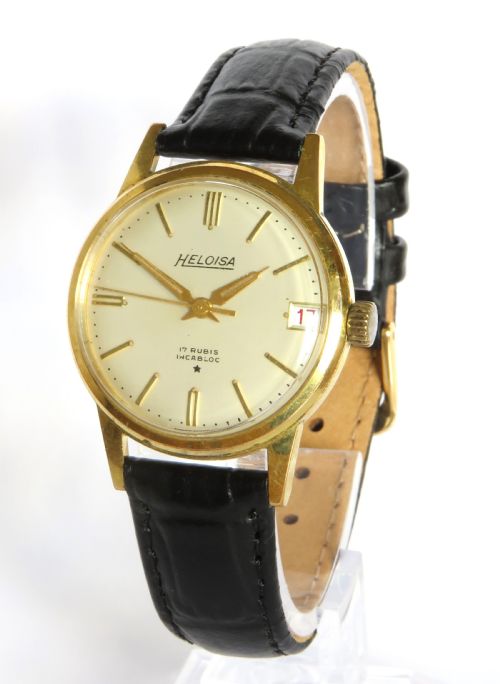
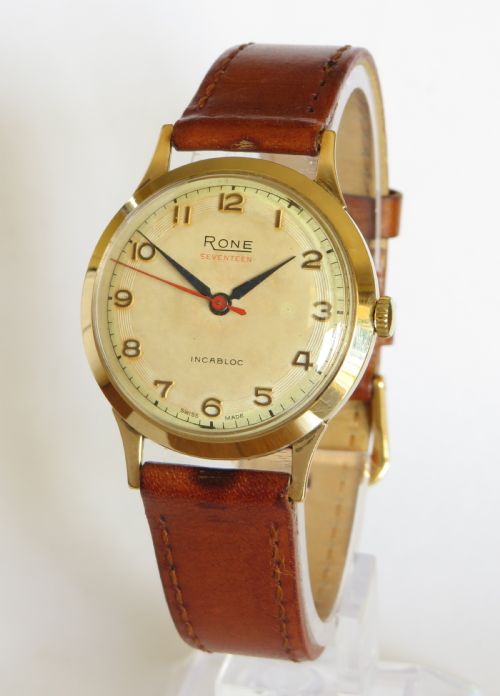
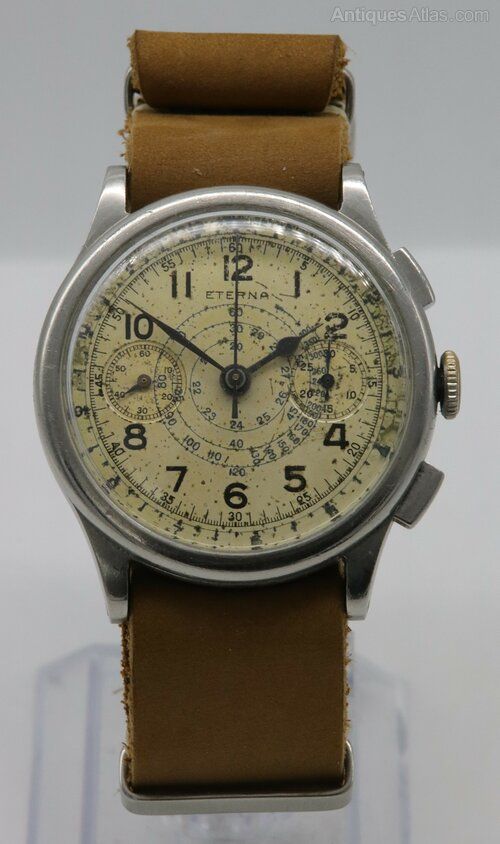
The objects take the form of manual wind, automatic, and chronograph wristwatches housed in stainless steel, gold-plated, or solid gold cases. Most pieces originate from the 1950s and 1960s, reflecting mid-century design movements in horology.
These items serve both practical timekeeping and collecting purposes, offering traditional mechanical movements paired with leather straps. The primary variations lie in case metals, dial configurations, and movement calibres produced by established makers.
How They Were Made
Cases utilise stainless steel, gold plate, and solid 9ct or 18ct gold, shaped to house mechanical movements securely. Dials feature applied markers and text beneath protective acrylic glass or glass crystals.
Movements rely on intricate mechanical gears assembled by hand, powered by manual wind mechanisms or auto-wind rotors. Straps are fashioned from leather, completing the watch assembly for wrist attachment.
Drivers edition wristwatches were rotated on the wrist so motorists could check the time effortlessly while gripping the steering wheel.
What Varies in Quality
The grade of materials sets the baseline for each piece, distinguishing solid gold or stainless steel housings from gold-plated alternatives. Movement complexity also dictates standing, with chronometer-certified calibres and chronographs positioned above standard three-hand movements.
Originality of components heavily influences the standing of a watch among collectors. Pieces retaining their factory dials, signed crowns, and matching boxes command distinct attention compared to those with replaced parts.
Omega·Tudor·Montilier·Cyma·Hamilton·Heloisa·Rone·Eterna·Festina·Gruen·IWC·Roamer·Rolex·Bulova·Bucherer·Longines·Avia·Venus
The Vintage Swiss Leather Watch Glossary
- Calibre
- The specific internal movement designation used by a watch manufacturer. This number identifies the exact mechanical design powering the timepiece.
- Chronometer
- A high-precision watch movement that has successfully passed rigorous accuracy testing. These mechanisms are adjusted for precision across various temperatures and positions.
- Chronograph
- A timepiece equipped with a secondary stopwatch function alongside standard timekeeping. Independent sweep hands allow the measurement of elapsed time intervals.
- Automatic
- A self-winding mechanical movement that relies on the natural motion of the wearer's wrist to power the mainspring. An internal weighted rotor pivots to keep the watch wound during daily wear.
- Acrylic glass
- A lightweight, shatter-resistant transparent material used for watch crystals during the mid-century period. It can be easily polished to remove minor surface scratches.
Vintage Swiss Leather Watch: Frequently Asked Questions
How do I wind a manual watch?
Turn the crown clockwise between your thumb and forefinger until you feel gentle resistance. Stop immediately once the tension increases to avoid damaging the internal mainspring.
Wind the watch at a consistent time each day if you wear it regularly. Keeping to a routine ensures steady tension and reliable timekeeping throughout the day.
Are these watches waterproof?
Vintage models lack modern rubber gaskets and contemporary waterproof sealing technology. Moisture can easily bypass the crown and crystal, leading to internal rust.
Keep these timepieces away from water, swimming pools, and heavy rain showers. Remove your watch before washing your hands to protect the movement.
How often need they be serviced?
Mechanical watches require professional lubrication and cleaning every few years to prevent wear on the gears. Oils dry up over time and cause friction within the calibre.
A qualified horologist disassembles the movement, cleans the components, and applies fresh oils. Regular servicing preserves the longevity and accuracy of the timepiece.
How do automatic movements work?
An internal weighted metal rotor spins freely as your arm moves throughout the day. This motion transfers energy through gears to wind the mainspring automatically.
If left stationary for days, the watch runs out of power and stops. You can manually jumpstart the movement by turning the crown a few times before wearing.