

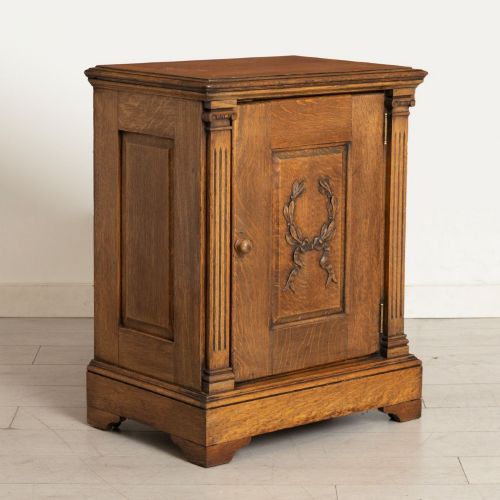


Vintage Storage Locker
These vintage storage locker pieces offer robust utility and character, bringing practical compartments and industrial heritage directly into modern rooms.
Vintage Storage Locker
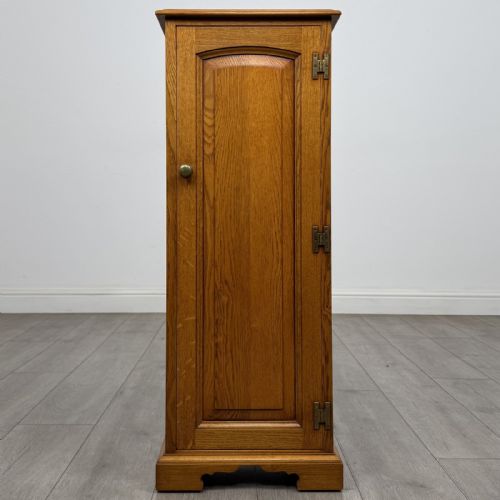
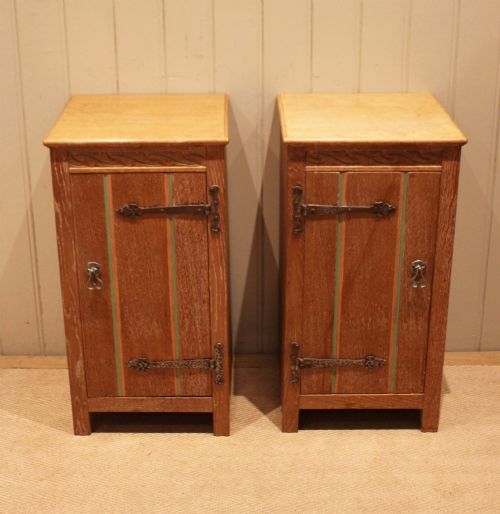
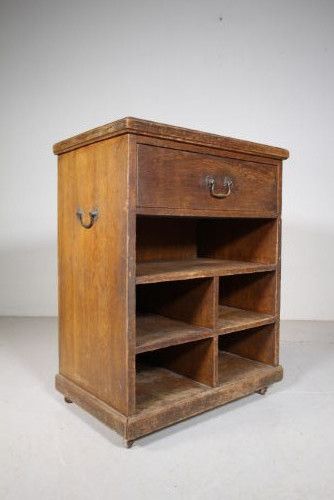
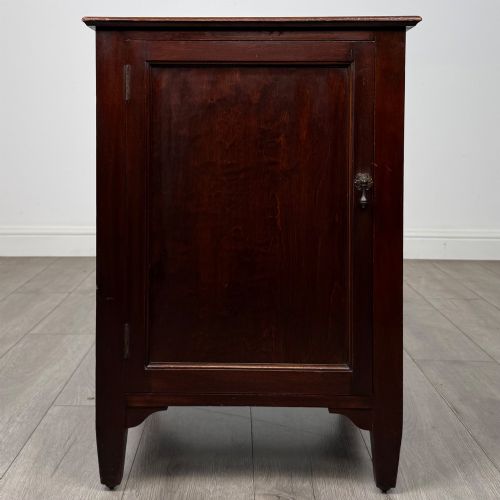
A vintage storage locker encompasses enclosed cabinets, side cupboards, and utilitarian chests spanning periods from the Georgian era through to the nineteen thirties. While search terms suggest heavy institutional metalwork, the actual selections lean heavily toward domestic timber cabinets, bedside cupboards, and workshop pieces.
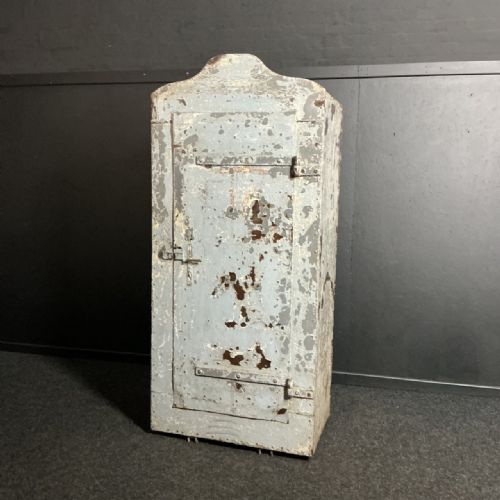
Buyers will encounter items built from oak, mahogany, walnut, and wrought iron, reflecting styles from Victorian and Edwardian domestic designs to industrial metal fabrication. Forms range from compact bedside units with single drawers to tall iron engineer cabinets retaining original paint remnants.
Materials and construction methods
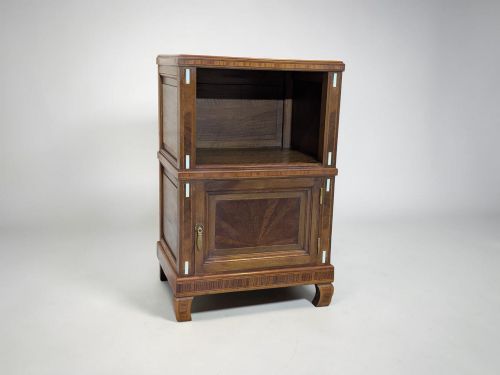
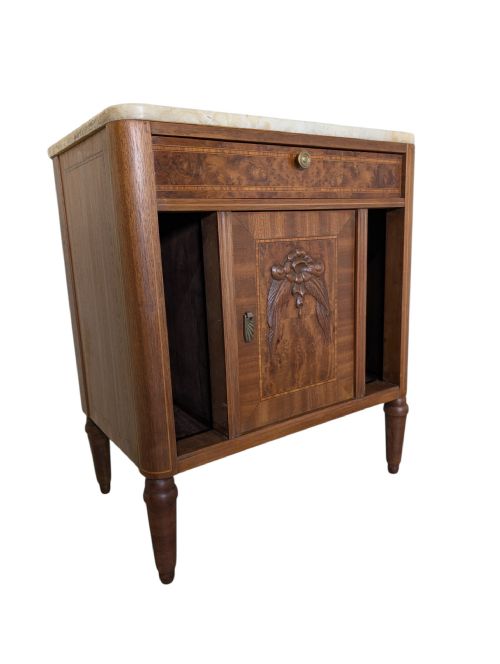
Cabinet makers utilised dense hardwoods such as oak, mahogany, and walnut, often applying boxwood stringing, marquetry inlay, or polished mahogany stains. Joinery traditions relied on dovetailed drawers and panelled doors fitted with brass handles and hinges.
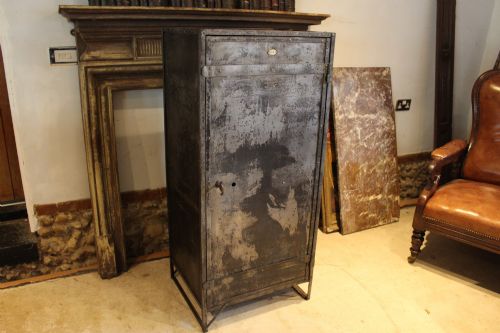
Industrial variants employed riveted sheet metal, steel, and wrought iron frameworks built to withstand heavy daily use in workshops and military settings. Surfaces frequently show layers of original paint or natural patination developed over decades of service.
Vintage Storage Locker Retail Price Guide 2026
Typical asking prices for vintage storage locker among the pieces listed under this phrase on Sellingantiques today, from the lower quarter to the upper quarter. They describe what is for sale here now, not the wider market.
A French wrought iron engineer's cabinet preserves its original paint remnants, having survived decades of workshop grease and toil.
Evaluating craftsmanship and condition
Quality separates standard utilitarian containers from finer cabinetwork through the selection of timber figures, such as burr walnut veneers or well-matched oak grains. Superior pieces demonstrate precise dovetailing, intact original hardware, and balanced proportions across doors and drawers.
Industrial examples derive their distinction from surviving original paint surfaces and structural integrity rather than decorative polish. The integration of period locking mechanisms and cleanly operating drop flaps or hinges elevates a piece's standing.
The Vintage Storage Locker Glossary
- Pot cupboard
- A small bedside cabinet originally designed to house a chamber pot behind a single door. These compact units now serve widely as general bedside storage.
- Drop flap
- A hinged panel that folds downward to reveal a compartment or writing surface. This mechanism allows for concealed storage within a compact footprint.
- Marquetry
- Decorative patterns formed by fitting together thin veneers of various wood types. Cabinet makers applied these intricate designs to drawer fronts and top surfaces.
- Inlay
- A technique where contrasting materials like boxwood are set flush into a wood surface to create geometric or floral borders.
Vintage Storage Locker: Frequently Asked Questions
How do I style a metal locker at home?
Industrial metal cabinets work effectively in living rooms or kitchens as contrasting standalone storage pieces. Their original paint finishes and metal surfaces add texture to neutral domestic interiors.
Pair these utilitarian units with softer furnishings like woven textiles or timber flooring to balance the robust industrial aesthetic.
Are bedside cabinets considered lockers?
Many smaller nineteenth century cupboards and bedside cabinets function as compact lockers for personal items. Domestic pieces often feature enclosed shelving and drawers similar to institutional storage.
While industrial metal lockers derive from workplaces, domestic timber cabinets served identical private storage needs in bedrooms.
What woods were commonly used?
Cabinet makers predominantly utilised oak, mahogany, and walnut for domestic storage furniture. Burr walnut veneers and inlaid boxwood details appeared on finer decorative examples.
Industrial workshop pieces relied instead on wrought iron, steel, and painted sheet metal constructed for durability.
How do I identify a Victorian piece?
Victorian storage cabinets typically display deep mahogany tones, robust construction, and traditional brass hardware. Stylistic details often follow revival patterns or utilitarian military specifications.
Examining internal secondary timbers and drawer dovetails helps confirm the nineteenth century origins of these cupboards.