



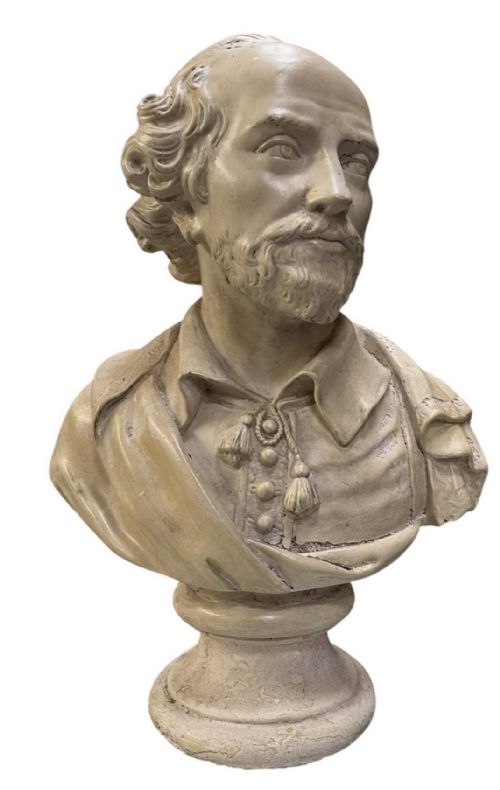
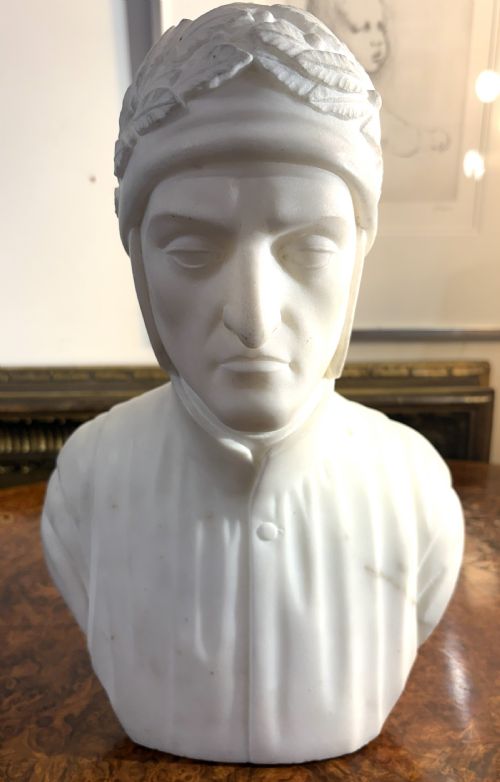
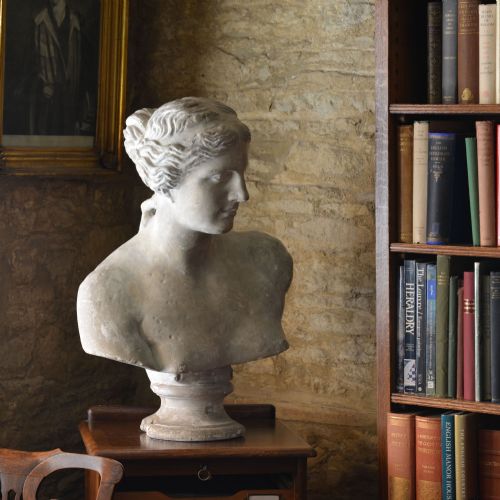
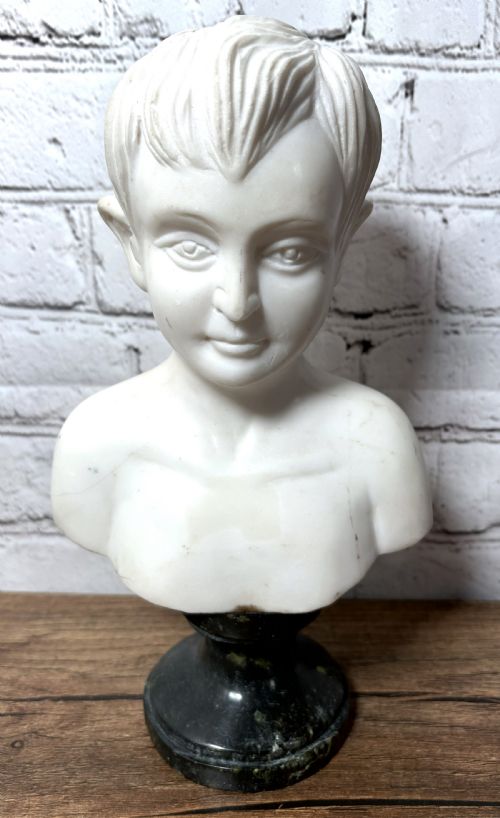


Vintage Stone Statue Head
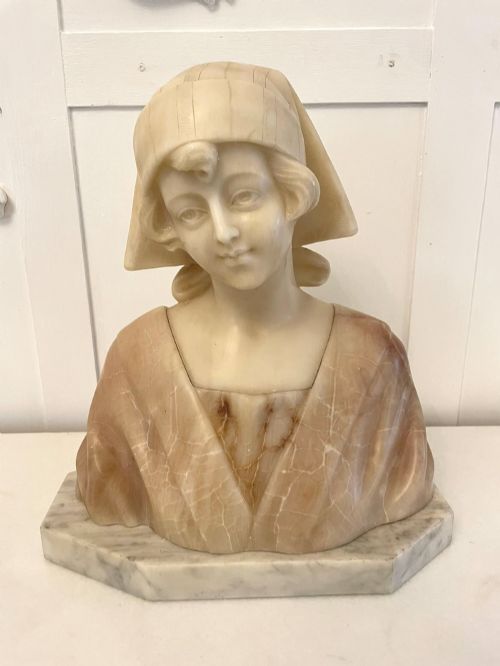
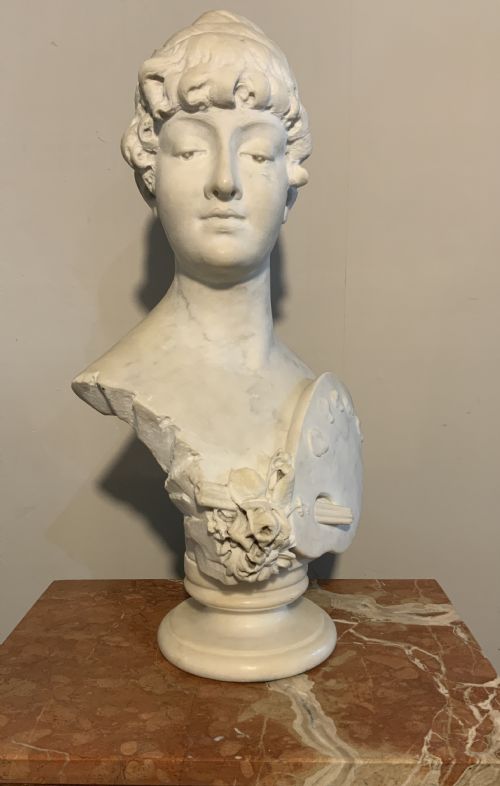
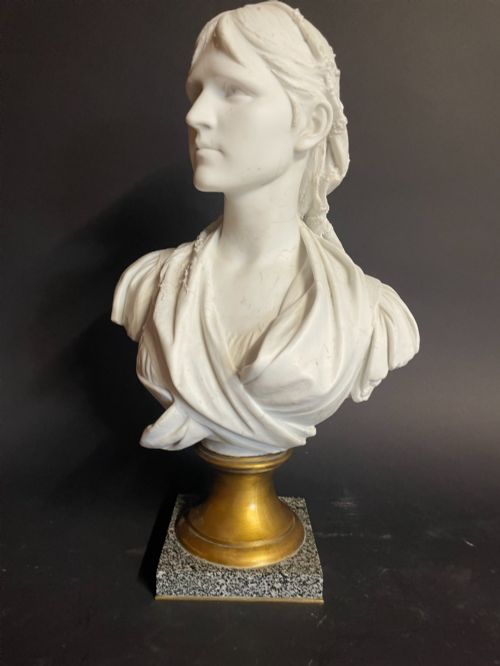
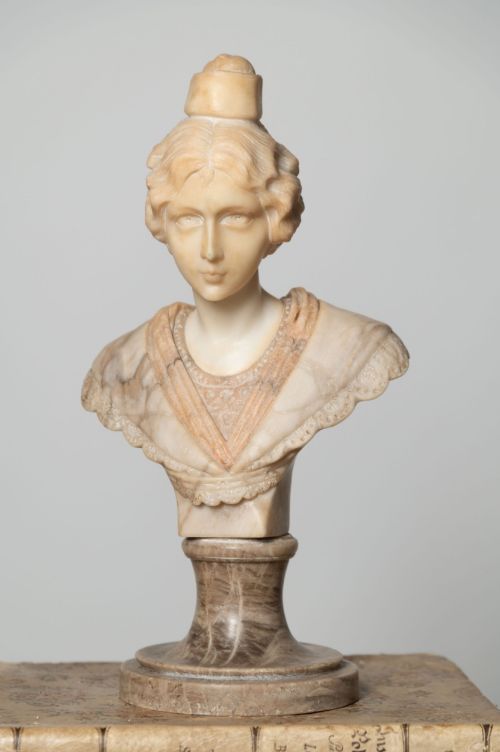
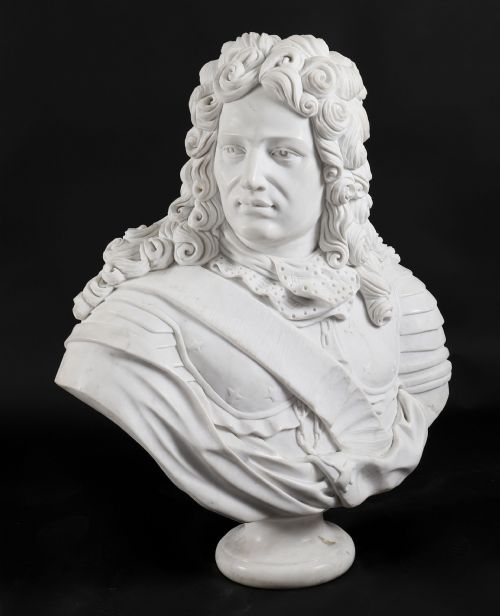
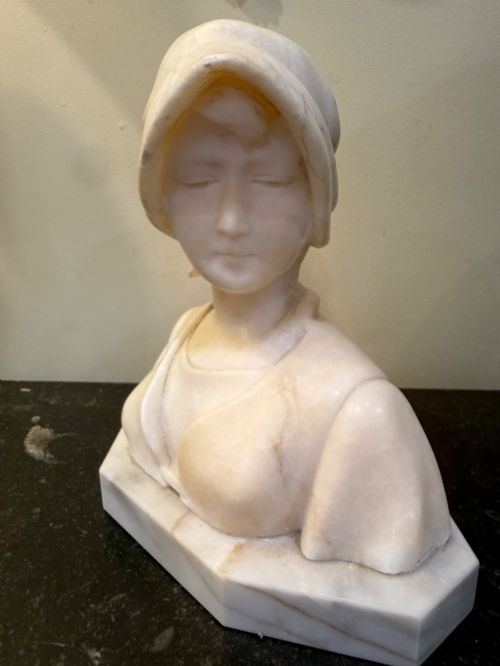
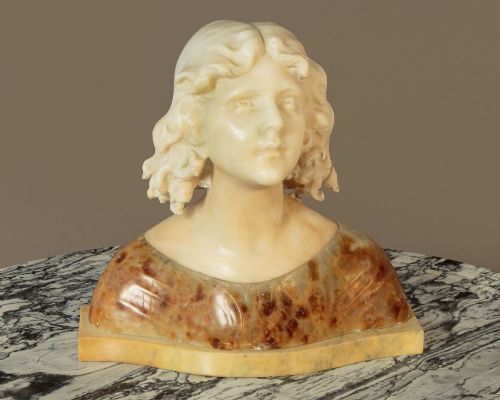
A vintage stone statue head brings classical presence indoors, capturing character in carved marble, alabaster and plaster.
Vintage Stone Statue Head
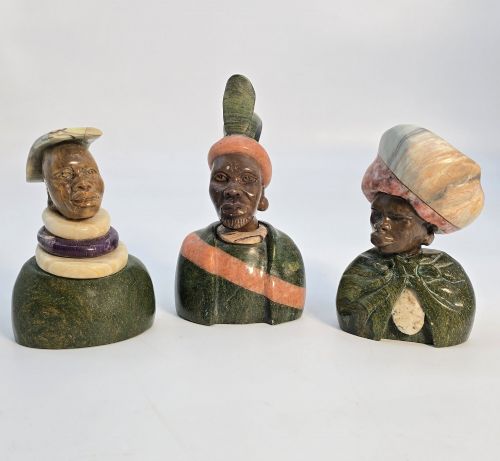
A vintage stone statue head encompasses sculptural portraits and classical fragments carved from various minerals or cast in durable compounds. When searching for a vintage stone statue head, collectors typically encounter library busts and figurative studies representing historical figures, literary icons, and anonymous subjects.
The selections span the nineteenth century through the mid twentieth century, drawing on neoclassical, Victorian, and art deco sensibilities. Many examples originate from Italian workshops, translating classical antiquity into polished marble or warm alabaster for domestic display.
Materials and construction methods
Carvers shaped these pieces from blocks of white marble, Carrara marble, and fine translucent alabaster using traditional chisels and abrasive polishing stones. Artisans also utilised plaster for crisp interior studies and employed cast stone or reconstituted stone for robust garden statuary.
Vintage Stone Statue Head Retail Price Guide 2026
Typical asking prices for vintage stone statue head among the pieces listed under this phrase on Sellingantiques today, from the lower quarter to the upper quarter. They describe what is for sale here now, not the wider market.
Materials span white marble, Carrara marble, alabaster, plaster, reconstituted stone, cast stone, and brass across various nineteenth and twentieth-century styles.
Distinctions in execution and material
Quality rests in the anatomical precision of the carving, where expressive depth in the eyes and subtle handling of musculature elevate a portrait. Softer stone types like alabaster reveal superior translucency when worked by a skilled hand, whereas simpler cast pieces show less individual nuance.
The integrity of the medium and the confidence of the facial modelling distinguish standard decorative objects from finely realised sculptural studies.
Raffaelo Monti·Mieczyslaw Leon Zawiejski
The Vintage Stone Statue Head Glossary
- Carrara marble
- A high grade white or blue grey marble quarried in the city of Carrara in Tuscany, Italy. Sculptors favour it for its fine grain and subtle translucency.
- Alabaster
- A fine grained mineral used for detailed carving and valued for its soft, light transmitting qualities. It takes a smooth polish but remains susceptible to moisture.
- Library bust
- A reduced scale portrait sculpture designed to sit upon bookshelves or desks. These domestic pieces often depict authors, philosophers, and historical figures.
- Reconstituted stone
- A durable composite material made from crushed stone bound with cement or resin. It is moulded into shape to replicate carved masonry for garden and architectural settings.
- Neoclassical
- A style reviving classical Roman and Greek artistic forms, prevalent during the eighteenth and nineteenth centuries. It prioritises clean lines, solemn expressions, and idealised proportions.
Vintage Stone Statue Head: Frequently Asked Questions
Where should I display a marble bust?
Library busts look best placed at eye level on sturdy wooden surfaces, deep bookshelves, or dedicated pedestals where the carved details catch natural light.
Keep them away from direct heat sources and damp areas to protect the stone surface over time.
How do I clean an alabaster head?
Dust the stone gently with a dry, soft microfibre cloth to prevent dirt from settling into the porous grain.
Avoid using water, chemical sprays, or household detergents, as moisture damages unsealed alabaster surfaces.
What is the difference between marble and plaster?
Marble is a natural metamorphic rock that feels cold, heavy, and exhibits crystalline mineral depths when examined closely. Plaster is a lighter, moulded material that offers a matte, chalky texture and a uniform white finish.
Carved marble takes significantly more labour to produce than cast plaster.
How do I date a stone statue head?
Examine the style of the clothing, hair styling, and any inscribed signatures or foundry marks on the reverse or plinth. Nineteenth-century pieces often reflect neoclassical or Victorian revival tastes, while later twentieth-century examples adopt cleaner modernist lines.