

Vintage Stone Carving
Vintage stone carving spans solid granite troughs, alabaster busts and jade talismans, offering tactile geological presence for the home.
Vintage Stone Carving
When buyers search for vintage stone carving, they encounter a diverse selection ranging from heavy architectural garden elements to delicate scholarly desk groups and wearable jewellery. The pieces span multiple centuries and materials, bridging utilitarian outdoor granite items and refined interior decorative arts.
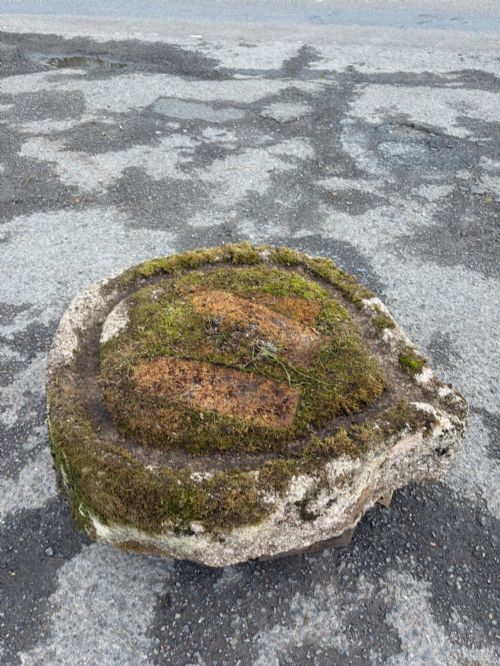
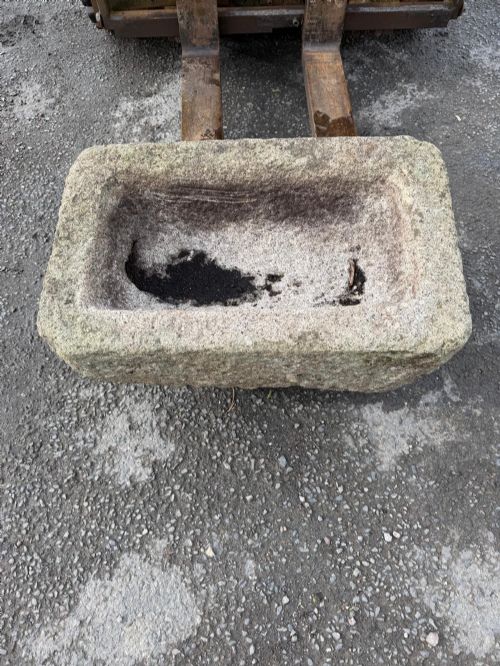
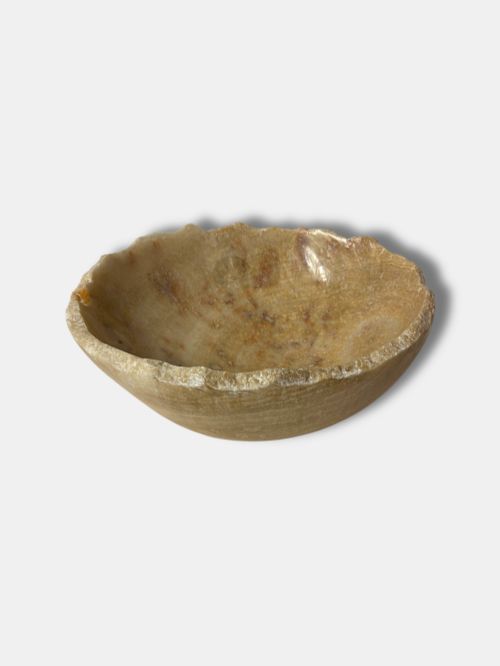
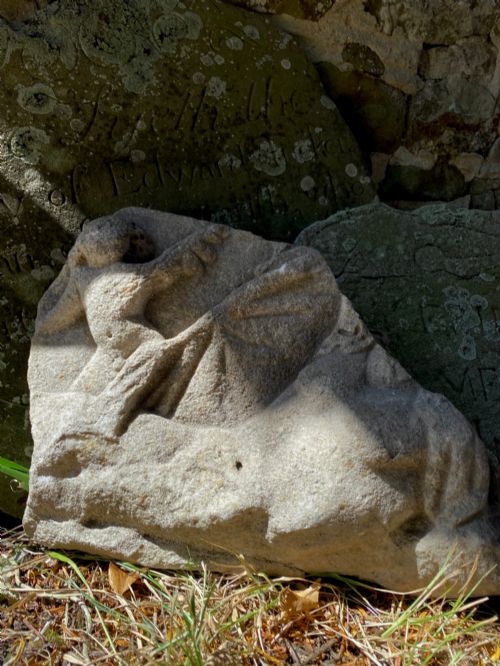
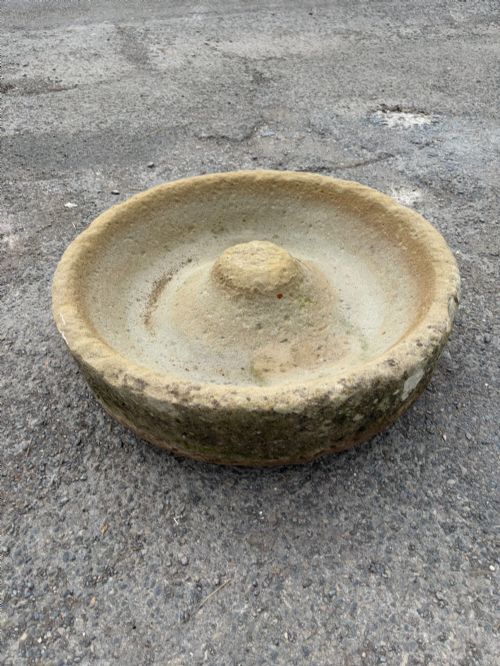
Architectural and utilitarian forms appear frequently, including Cornish granite troughs, staddle stones and large marble mortars. These substantial items originate from 18th and 19th century rural and domestic settings, shaped from durable local stone for practical use.
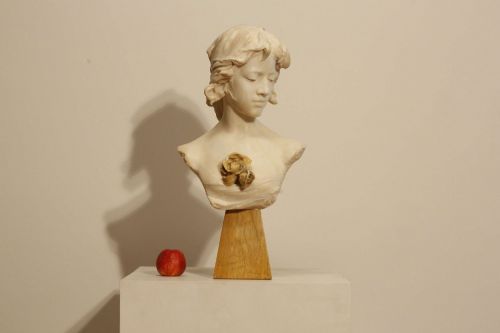
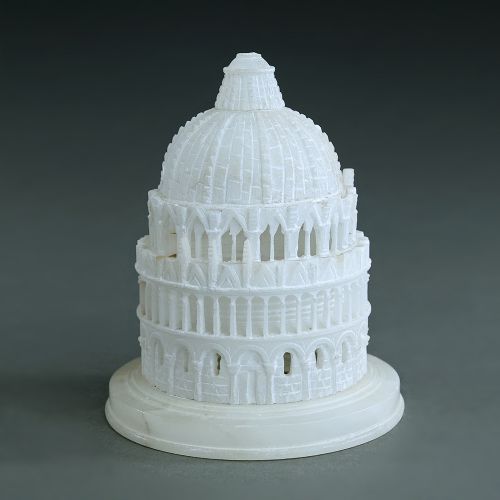
Interior decorative items bring softer stones into the domestic sphere, notably through alabaster busts, Grand Tour architectural models, mirrors and side tables. Sculptural figures of dancers and maidens from the early 20th century demonstrate the enduring appeal of carved mineral forms.
How they were made
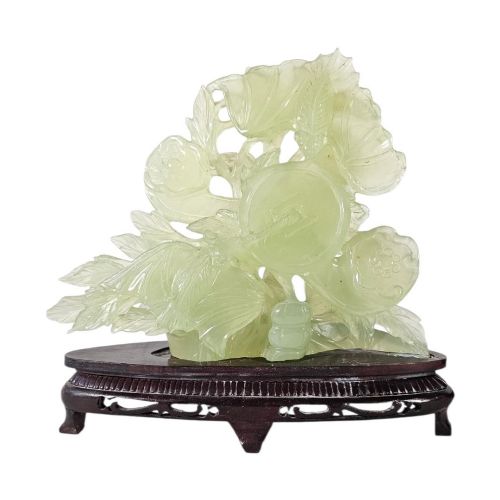
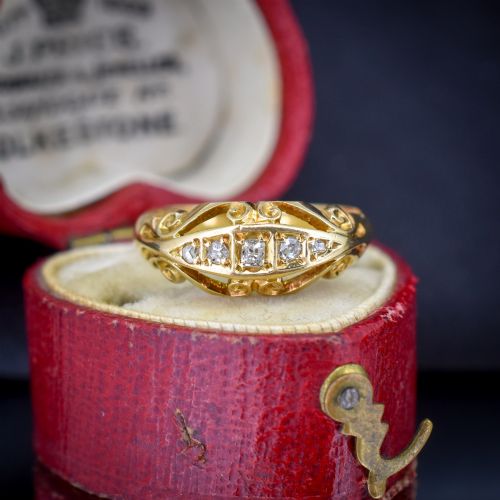
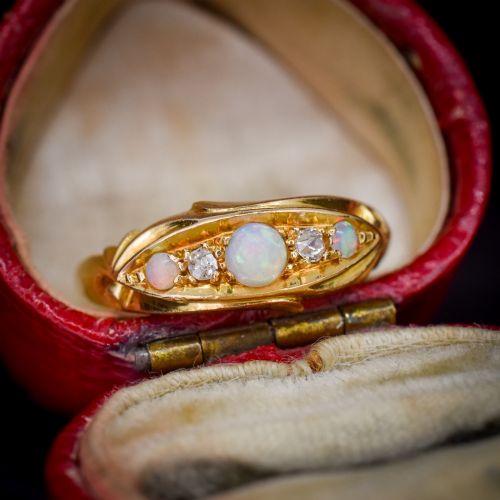
The materials recorded in these listings rely on mineral hardness and natural figure, encompassing dense granites and sandstones alongside workable alabaster and marble. Artisans selected jade, carnelian agate and soapstone for intricate items, while jewellers mounted bloodstone, opal and diamond into precious metal settings.
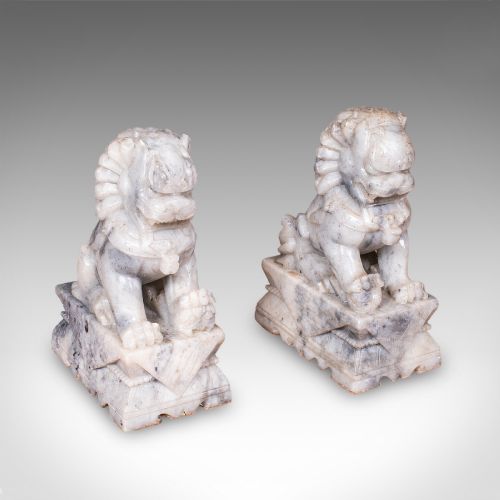
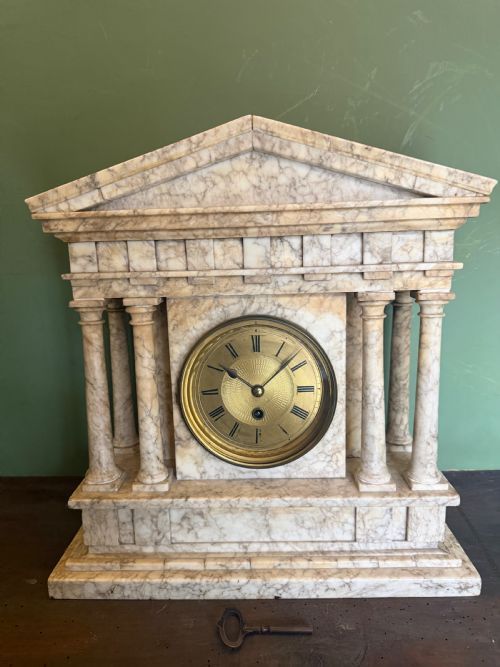
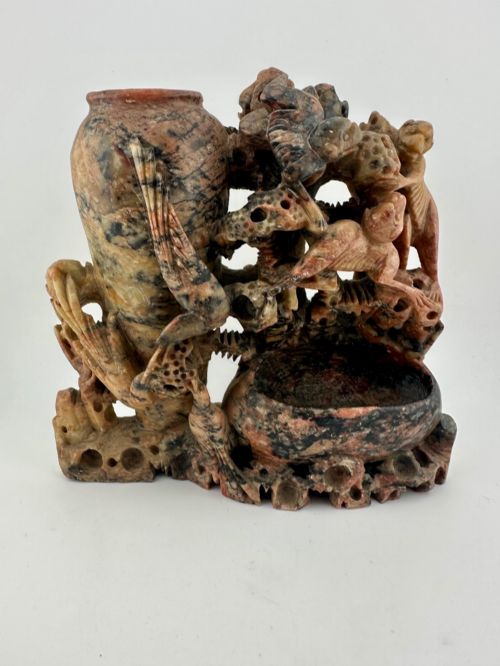
Techniques varied widely according to scale and medium, ranging from manual chisel and hammer work on heavy outdoor staddle stones to precise hand-carving on Chinese hardstone figures and scholar's desk accessories. Italian Grand Tour souvenirs utilised highly figured alabastro egiziano and Carrara marble mounted on contrasting black marble block bases.
Vintage Stone Carving Retail Price Guide 2026
Typical asking prices for vintage stone carving among the pieces listed under this phrase on Sellingantiques today, from the lower quarter to the upper quarter. They describe what is for sale here now, not the wider market.
The listings feature diverse forms spanning 18th-century Cornish granite troughs, Victorian alabaster busts, and 1930s Chinese carved jade figures.
What varies in quality
Quality in these pieces rests upon the precision of the carving and the natural character of the mineral. Superior sculptures display realistic drapery, anatomy and fine surface finishing, whereas lesser examples remain stiff or mechanical.
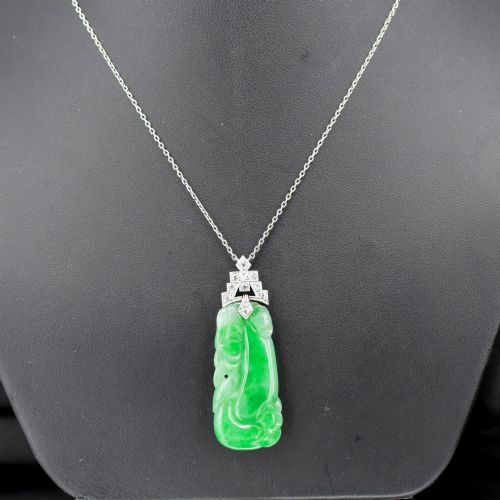
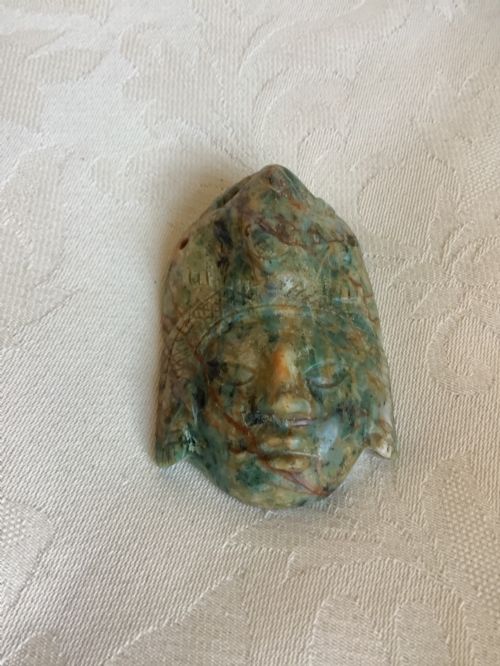
The integration of the material determines the success of sculptural works, such as jade pieces utilising the natural russet and pale green tones of the stone. For architectural items, the depth of tool marks and the integrity of the granite or sandstone structure define the standard.
The Vintage Stone Carving Glossary
- Alabaster
- A fine-grained, soft mineral often used for Victorian busts and Grand Tour architectural models. Its translucent quality permits light to pass through thin sections.
- Staddle stone
- A mushroom-shaped stone support historically used to elevate granaries and hayricks off the damp ground. These architectural elements are carved from granite or sandstone.
- Grand Tour
- A cultural journey undertaken by wealthy Europeans in the 18th and 19th centuries, commemorated by souvenir models and tazze carved from alabaster and marble.
- Hardstone
- A term denoting semi-precious stones such as jade, agate and chalcedony. Artisans carved these dense materials into talismans, figures and pendant necklaces.
Vintage Stone Carving: Frequently Asked Questions
How do I care for alabaster sculptures?
Alabaster is a relatively soft and porous mineral that absorbs moisture and stains easily. Keep these carved pieces away from damp environments and direct water contact.
Dust them gently with a dry, soft cloth rather than using liquid cleaning products or polishes.
What is a Grand Tour souvenir?
Grand Tour souvenirs were portable works of art purchased by travellers visiting cultural sites in Italy during the 19th century. These typically included miniature alabaster models of famous buildings and carved tazze.
Craftsmen produced them from local materials like Carrara marble and alabastro egiziano to replicate classical antiquities.
How are jade carvings dated?
Dating carved jade relies on stylistic cues, tool marks, and the specific context of the piece, such as Republic Period or traditional Chinese scholar objects. Associated hardwood stands and provenance records also assist in establishing an approximate period.