
Vintage Still Life Art
Vintage still life art brings domestic objects and botanicals onto the wall through painted canvases and watercolours from the nineteenth and twentieth centuries.
Vintage Still Life Art
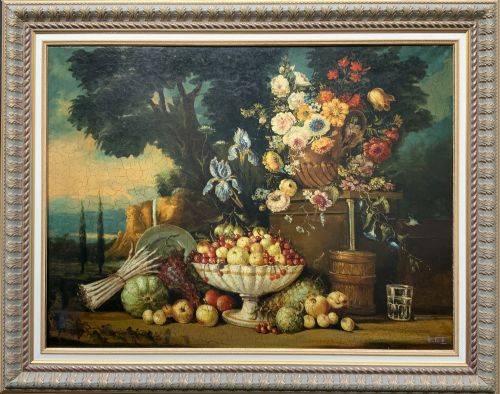
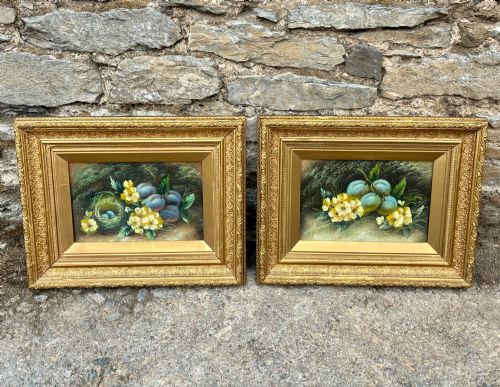
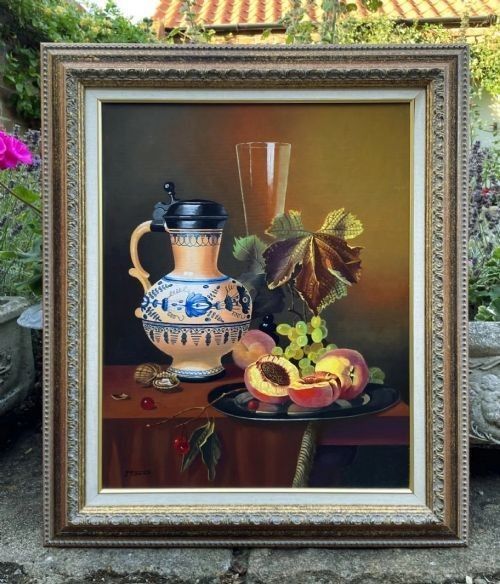
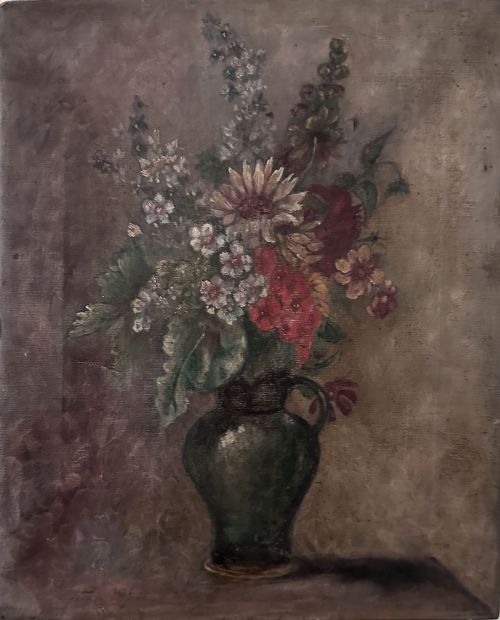
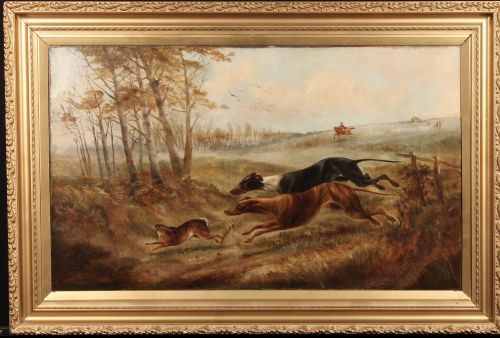
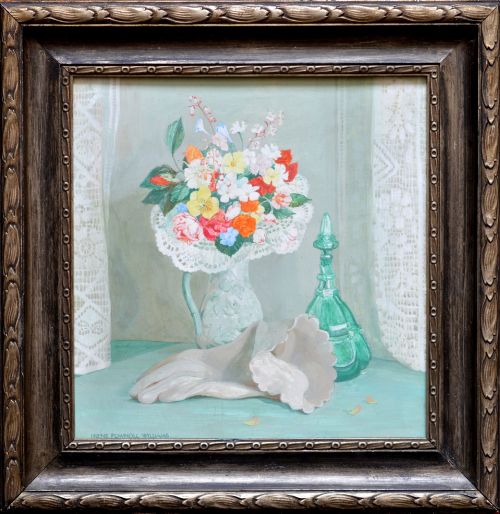
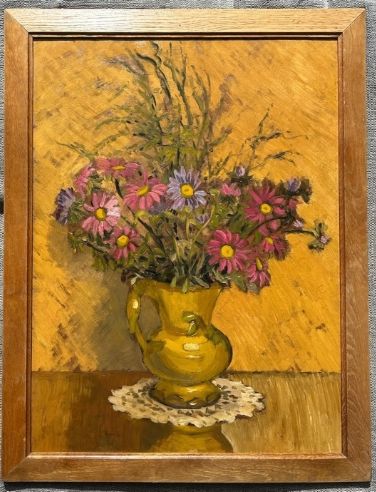
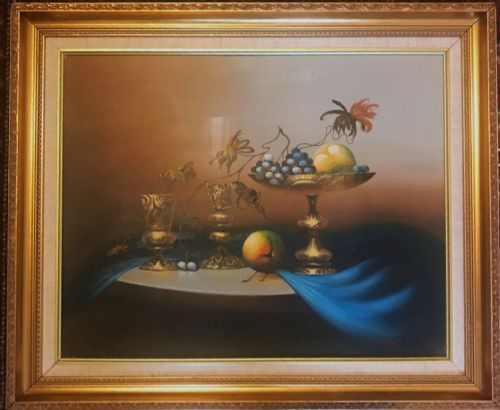
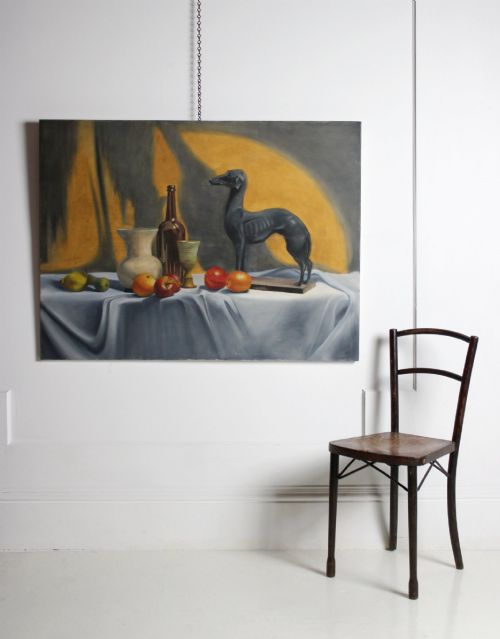
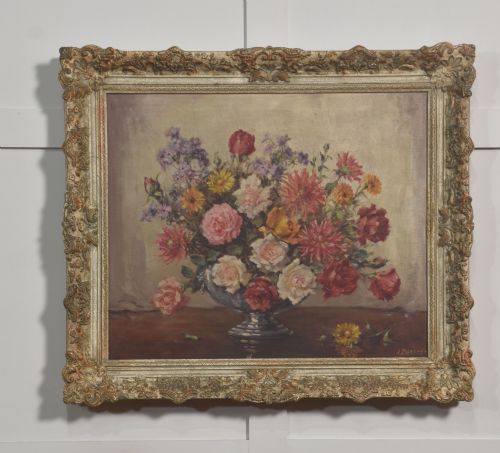
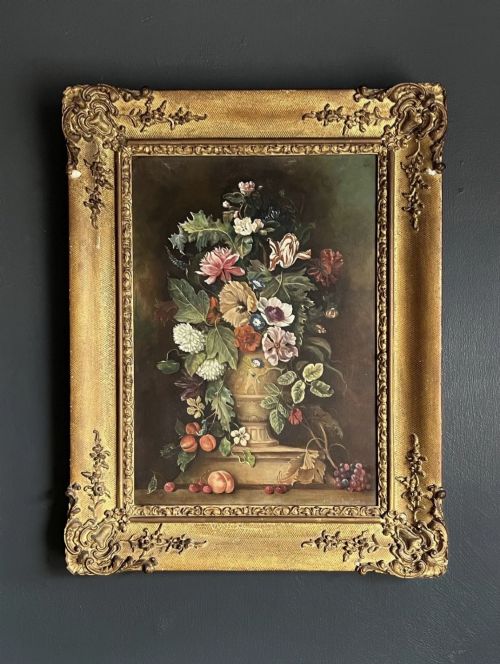
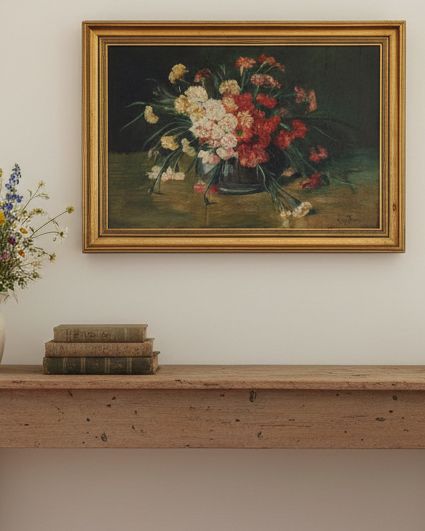
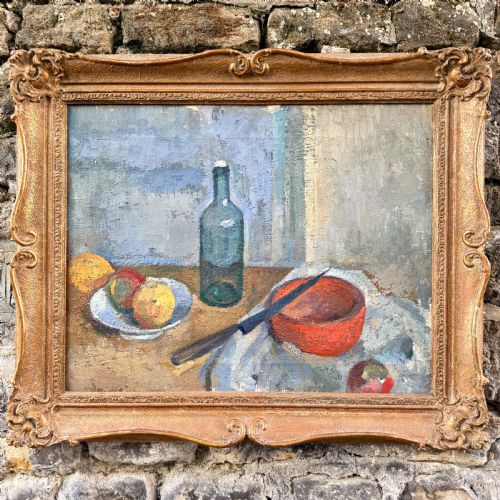
Vintage still life art comprises oil paintings, watercolours and gouache works depicting arranged subjects such as flowers, fruit, fish and vessels. The selection draws heavily from the early and mid twentieth century, featuring pieces from the nineteen-twenties, thirties, forties and fifties alongside nineteenth-century works.
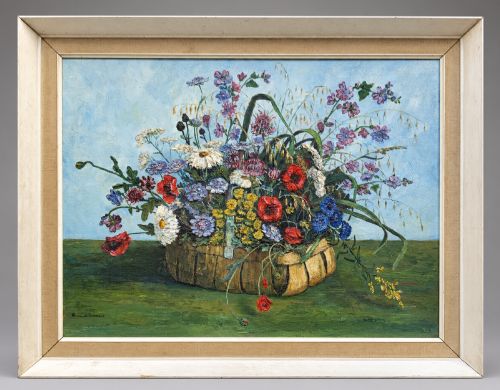
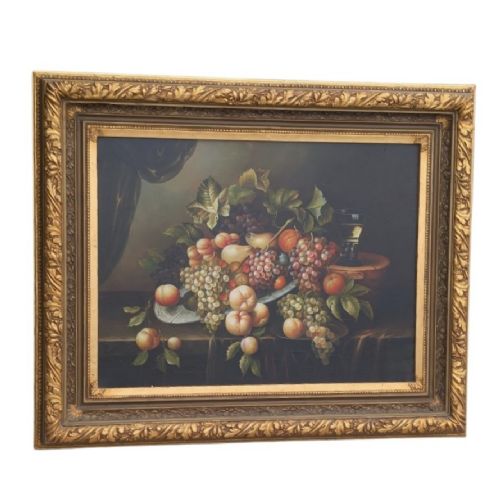
Buyers encounter oil on canvas and oil on board formats, frequently housed in frames with gilt or gesso finishes. Subjects range from simple floral arrangements in vases and baskets to Dutch Golden Age inspired compositions and rustic larder views.
Stylistic influences span Impressionism, Post-Impressionism, Art Nouveau and Art Deco, reflecting how different periods approached domestic scenes. Works originate from British, French, Austrian and Flemish creators, offering both formal academic studies and naive interpretations.
How they were made
Makers utilised oil paint applied to stretched canvas or wooden board, building texture and depth with layered brushstrokes. Watercolours and gouache on paper offer a lighter alternative, capturing delicate botanical details in floral and fruit studies.
Frames often incorporate wood with gold leaf or gilt gesso ornamentation, complementing the visual weight of the painted compositions. Oleographs also appear, representing mechanical print techniques used to reproduce popular painted flowerpieces.
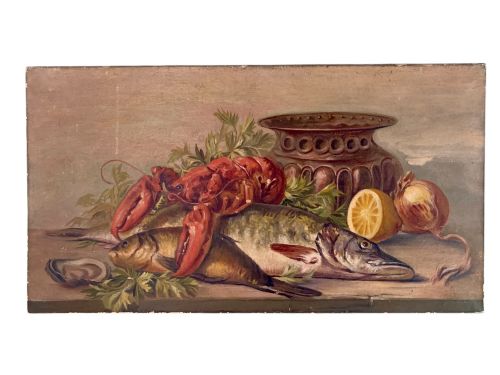
A solitary lobster makes an unexpected appearance among the fruit and flowers.
What varies in quality
Quality rests in the handling of light, shadow and composition, where confident brushwork distinguishes a compelling study from a rigid arrangement. The depth of colour in floral subjects and the natural rendering of fruit or everyday objects reveal the hand of a skilled painter.
The integrity of the original support, whether canvas or board, and the compatibility of the frame contribute to the overall presentation. Signed works and pieces retaining historical provenance offer clearer attribution to individual creators or specific schools.
Kenneth Cozens·Jozsef Molnar·I Berezny·Konstantin Stoitzner·Emma Fordyce MacRae·William Henry Ward·Else Preubner·Vladimir Aldoshin·D Hardy·Arthur Dudley·William Thomas Wood·Manuela Bonati
The Vintage Still Life Art Glossary
- Oleograph
- A mechanical colour print on canvas that simulates an oil painting. These pieces replicate original artworks using lithographic plates.
- Gesso
- A plaster-like material applied to wooden frames before gilding. It provides a smooth base for gold leaf and moulded decorative details.
- Gouache
- An opaque watercolour paint water-soluble in nature. It dries to a matte finish that highlights flat areas of colour.
- Impressionism
- A style focusing on the visual impression of a moment, marked by visible brushstrokes and natural light. This approach influences many floral and domestic scenes.
- Post-Impressionism
- An art movement extending Impressionism while rejecting its limitations. Artists prioritised expressive forms and symbolic use of colour.
Vintage Still Life Art: Frequently Asked Questions
What subjects appear in vintage still life art?
Paintings commonly feature cut flowers in vases or baskets, arrangements of fruit, and kitchen objects like lobsters and fish. Domestic vessels such as Chinese objects and pottery pots also feature prominently.
These compositions reflect traditional studio practices where artists arranged everyday items to study light, form and colour harmony.
How do I date a piece?
Dating relies on stylistic clues like Impressionist brushwork, Art Deco framing, or specific material supports such as artist board and canvas. Signatures, dates inscribed on the reverse, and framing styles provide additional chronological context.
Comparing the handling of paint and subject matter to known periods helps narrow down the decade of creation.
Are frames original to the paintings?
Frames vary; some retain their original gilt gesso or wooden surrounds, while others have been replaced over time to suit modern interiors. Gilt frames from the early twentieth century often match the aesthetic of the enclosed canvas.
Examining the fit and the back of the stretcher bars reveals whether a frame has been swapped or remains paired with the artwork.
Where should I hang these artworks?
These pieces suit dining rooms, kitchens and living spaces where their domestic subjects create a warm, traditional atmosphere. Pairing a botanical painting with natural wood furniture or neutral walls enhances the visual impact.
Avoid placing works in direct sunlight to protect oil paint and watercolours from fading over time.