
Vintage Stick Holder
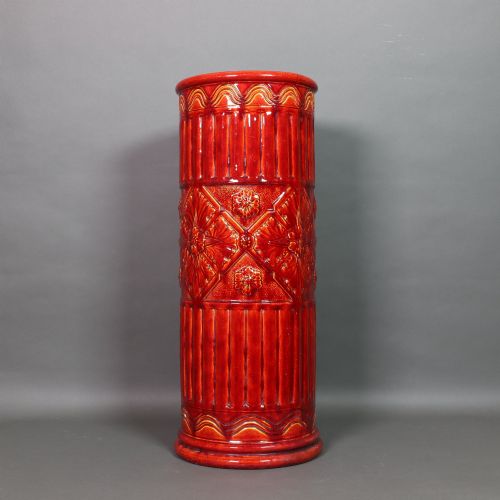
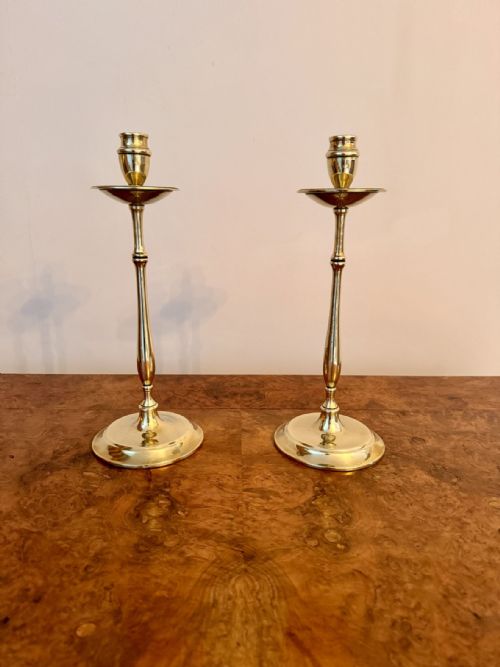
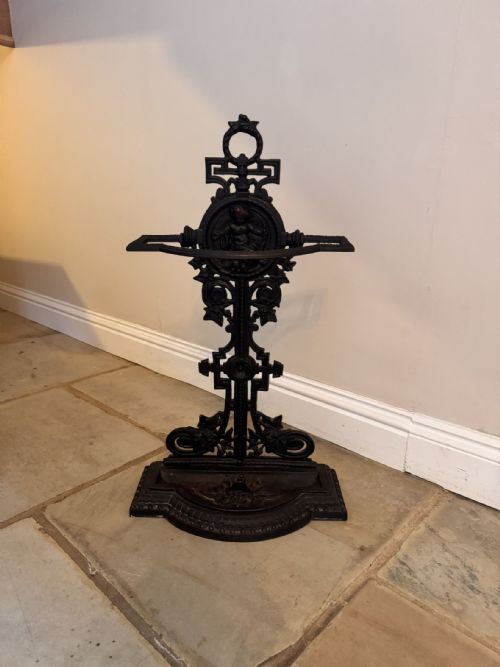
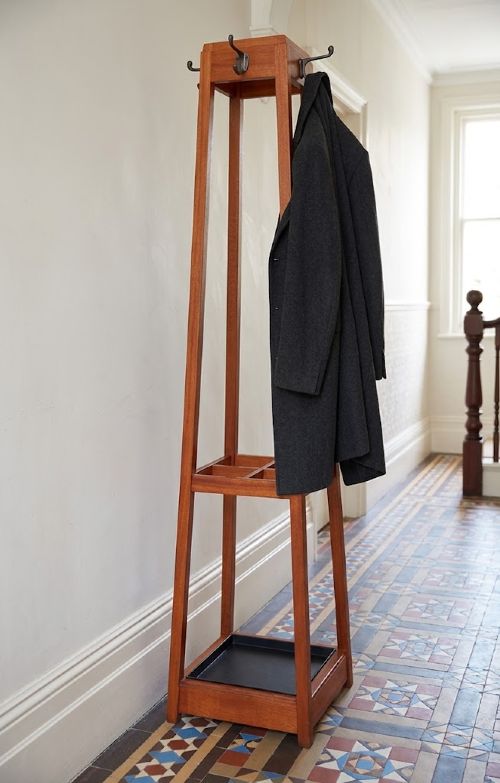
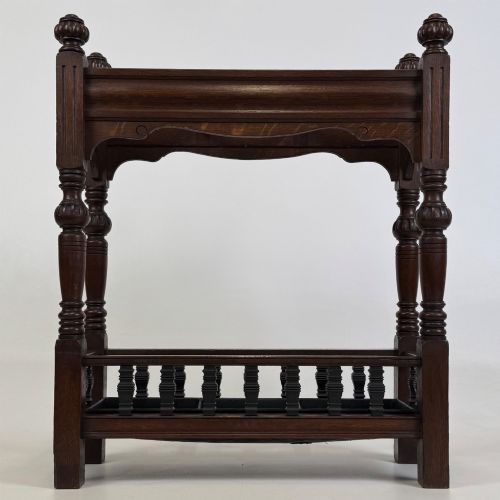
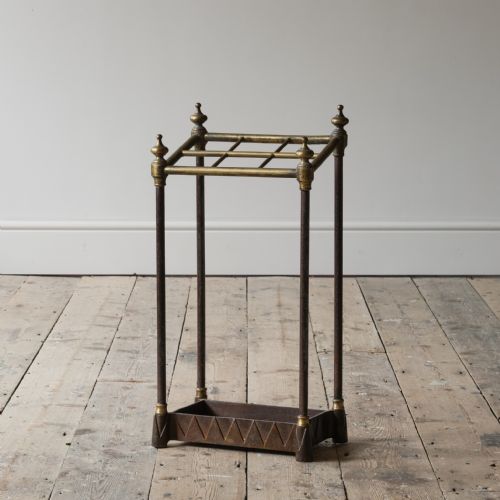
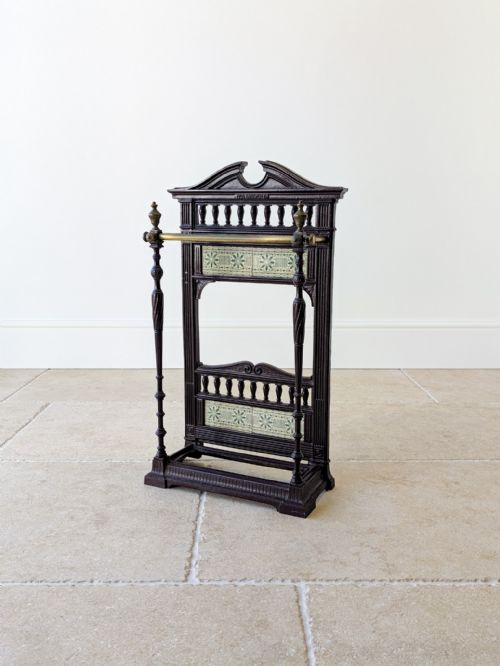
These vintage stick holder examples organise hallway essentials cleanly, bringing period metalwork and timber into daily use.
Vintage Stick Holder
A vintage stick holder provides a dedicated architectural home for walking canes, umbrellas and hall furniture accessories. Buyers seek these pieces to anchor hallway spaces with period character.
The selections span Victorian, Edwardian and later decades, drawing heavily on oak, mahogany, cast iron and brass. Umbrella stands and hall stands dominate the forms you will encounter here.
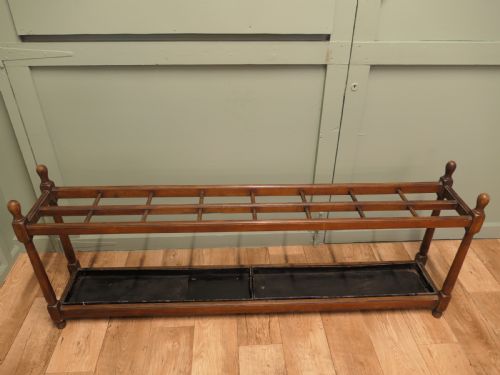
Makers utilised sturdy timbers and heavy metals to withstand daily household transit. Many examples incorporate drip trays and turned pillars to manage wet weather gear.
Materials and construction
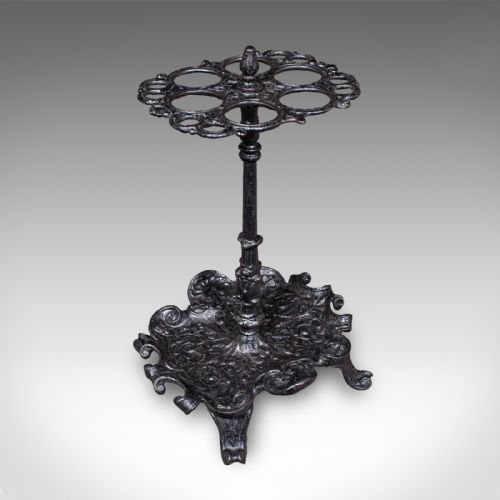
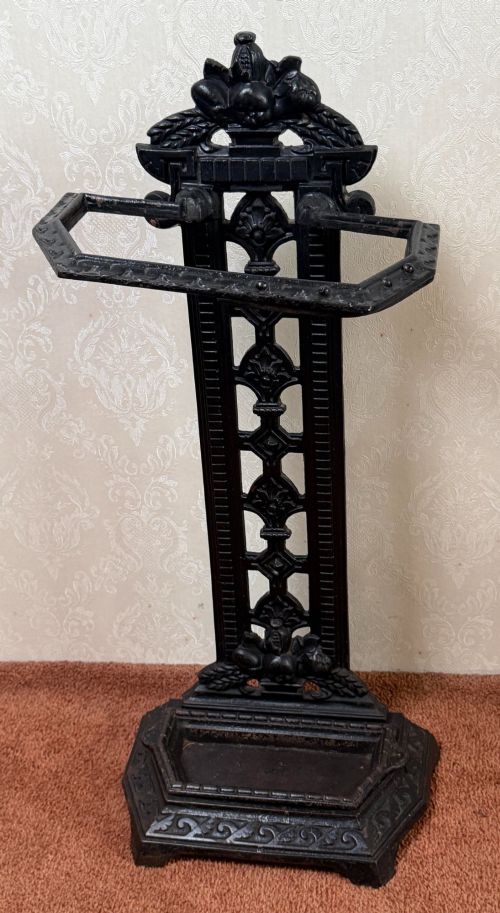
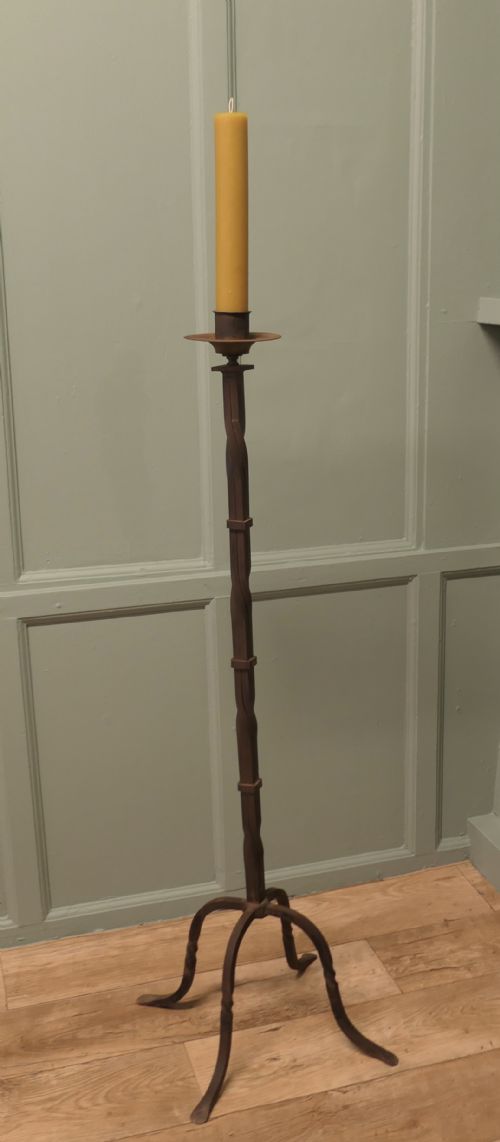
Metalwork pieces rely on cast iron, brass and wrought iron, frequently shaped into intricate lattice loops or bold architectural frames. Ironwork often bears foundry marks or decorative finials from periods like the Victorian era.
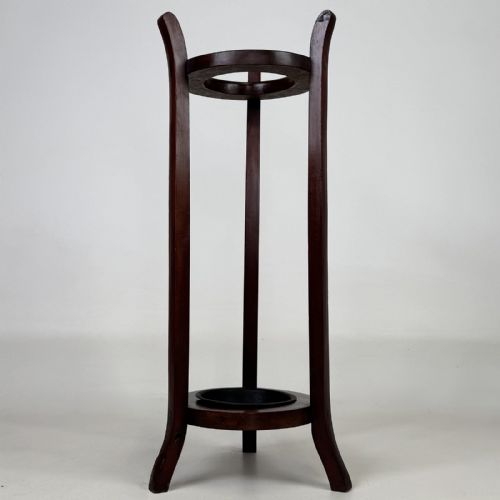
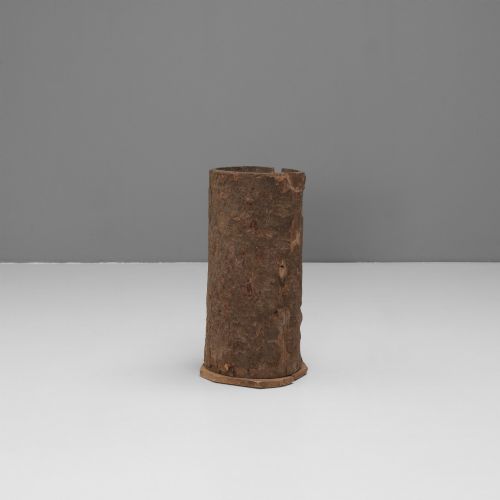
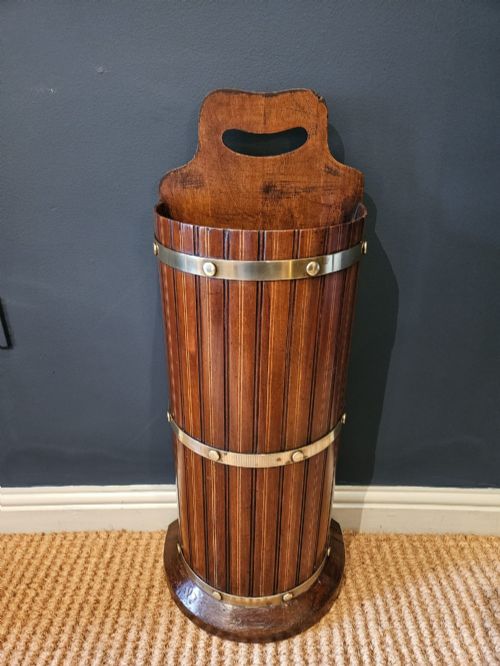
Wooden examples utilise solid oak and mahogany, often coopered with brass bands or joined with turned structural pillars. Smiths and cabinet makers balanced robust weight against domestic utility.
Materials range from heavy cast iron and brass to solid oak, mahogany and silver plate.
Judging quality and design
Quality rests in the integrity of the original construction, distinguishing heavy cast frames or coopered timber barrels from lighter modern alternatives. Original drip trays and secure structural joints elevate a piece.
Design ambition separates utilitarian items from artistic statements, particularly in pieces bearing Aesthetic Movement or Arts and Crafts influence. Crisp casting details on ironwork and deliberate grain selection in oak reveal superior craftsmanship.
Burmantofts Faience·Coalbrookdale·Liberty Design·Mappin & Webb·Sudre
The Vintage Stick Holder Glossary
- Cast iron
- An alloy poured into moulds to create rigid decorative frames and stick loops. This material allowed Victorian founders to produce intricate openwork panels for hall stands.
- Coopered
- Built from vertical wooden staves bound with metal hoops, much like a barrel. This technique provided sturdy waterproof containers for umbrella storage.
- Drip tray
- A removable metal basin positioned at the base of a stand to catch rainwater. These trays protect timber flooring from moisture damage.
- Aesthetic Movement
- A late nineteenth century design style prioritising visual beauty over narrative function. Pieces from this movement often feature stylised motifs and organic forms.
- Turned pillars
- Vertical wooden supports shaped on a lathe to create decorative profiles. They offer structural rigidity while adding classical proportion to oak hall furniture.
Vintage Stick Holder: Frequently Asked Questions
How do I protect my floor from wet umbrellas?
Most traditional stands include an integrated or removable metal drip tray at the base. Ensure your piece retains this liner to catch standing water safely.
For wooden coopered models, check that the interior staves remain sealed and water-resistant to prevent timber rot over time.
Where should I place a hall stand?
Position your stand near the primary entrance of the home to manage outdoor garments and walking gear efficiently. Adequate clearance allows guests to retrieve items without crowding narrow hallways.
Keep heavy cast iron variants on stable ground away from high-traffic household transit routes.
How do I date a cast iron stand?
Examine the sharpness of the casting relief and any registration or foundry marks stamped into the metal. Victorian and Edwardian examples often display distinct aesthetic motifs unique to their decade.
Heavier construction and ornate scrollwork typically point towards nineteenth century manufacturing methods.
What is the difference between oak and mahogany stands?
Oak stands frequently align with Arts and Crafts or Edwardian tastes, displaying prominent grain patterns and quarter-sawn figures. They lend a rustic or architectural weight to an interior space.
Mahogany examples often lean towards formal Victorian or Georgian proportions, offering a smoother, deeper reddish-brown finish suited to polished hallways.